Paper
Alejandro Foxley, Fernando Sossdorf
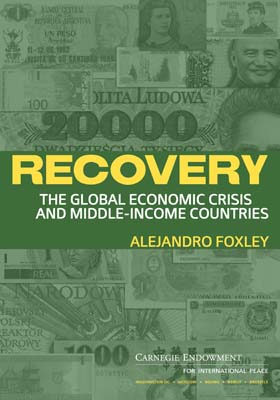
There is no single solution to the financial crisis for middle-income countries, but fundamental labor markets reforms that create high-paying jobs are key to restarting economic growth.
There is no single solution to the effects of the financial crisis on middle-income countries, but introducing fundamental labor markets reforms to create high-paying jobs will be the key to restarting economic growth, according to a report by Alejandro Foxley, the former foreign and finance minister of Chile.
Labor reform is always politically contentious, but the current crisis, by illustrating the dangers of ignoring necessary long-term reforms, has made it easier to reach consensus on the need for action. If policy makers undertake the right reforms, middle-income countries could achieve higher growth, better standards of living, and more effective government.
Key points:
Foxley concludes:
“There are no magic formulas, no shortcuts, no miracles, and no ‘models’ as far as development is concerned. Economic growth and development is a several-decades-long proposition that requires consistent policies, persistence in moving in a certain direction, and adaptability to shocks and changes and the opportune correction of policy mistakes.”

Former Senior Associate, International Economics Program
Foxley was previously minister of foreign affairs, senator, and minister of finance of the Republic of Chile. While minister of finance he concurrently served as a governor of the Inter-American Development Bank and the World Bank.
Recent Work
Alejandro Foxley, Fernando Sossdorf
Alejandro Foxley
Carnegie does not take institutional positions on public policy issues; the views represented herein are those of the author(s) and do not necessarily reflect the views of Carnegie, its staff, or its trustees.
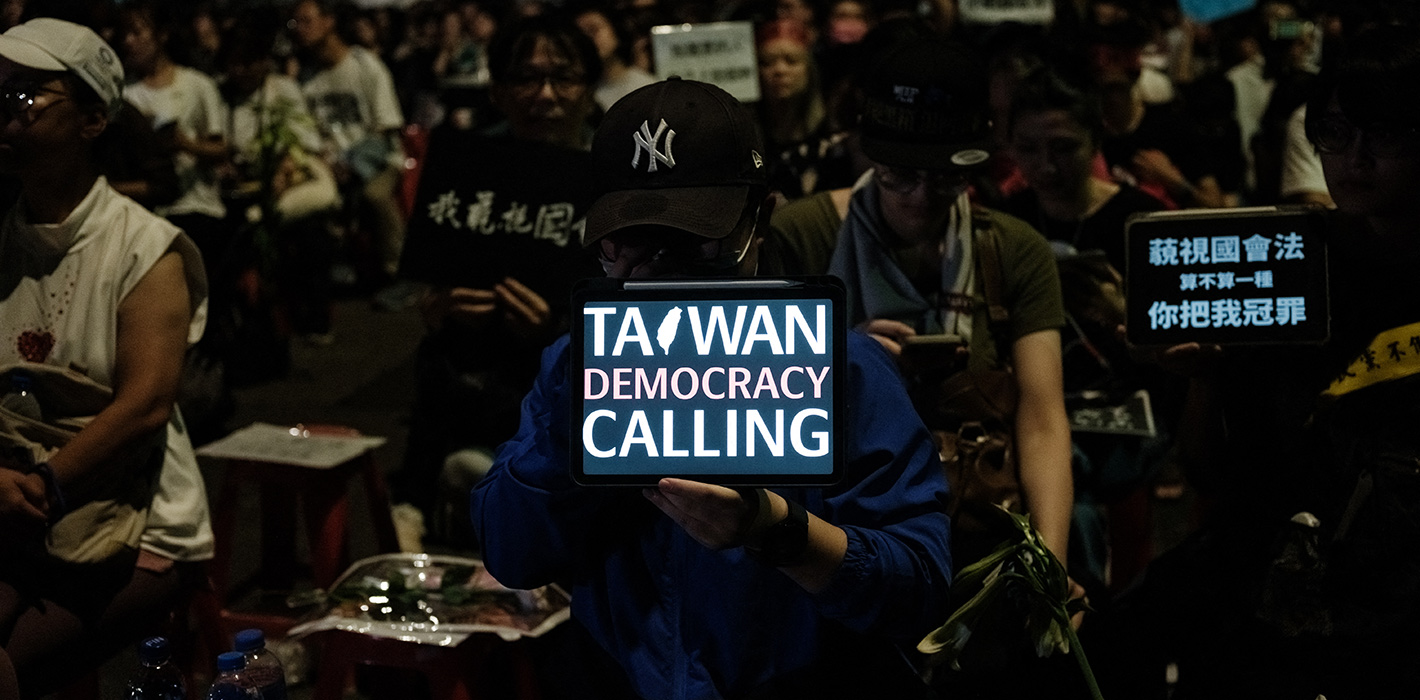
Governments now deploy online platforms to shape public opinion and influence collective cognition. This is acutely apparent between China and Taiwan.
Frank Cheng-Shan Liu

Despite long-standing differences, China and Vietnam are reinforcing common ground for collaboration, especially in public security. This internal security–centered diplomacy offers a strengthened road map for how China moves forward with Southeast Asia.
Sophie Zhuang
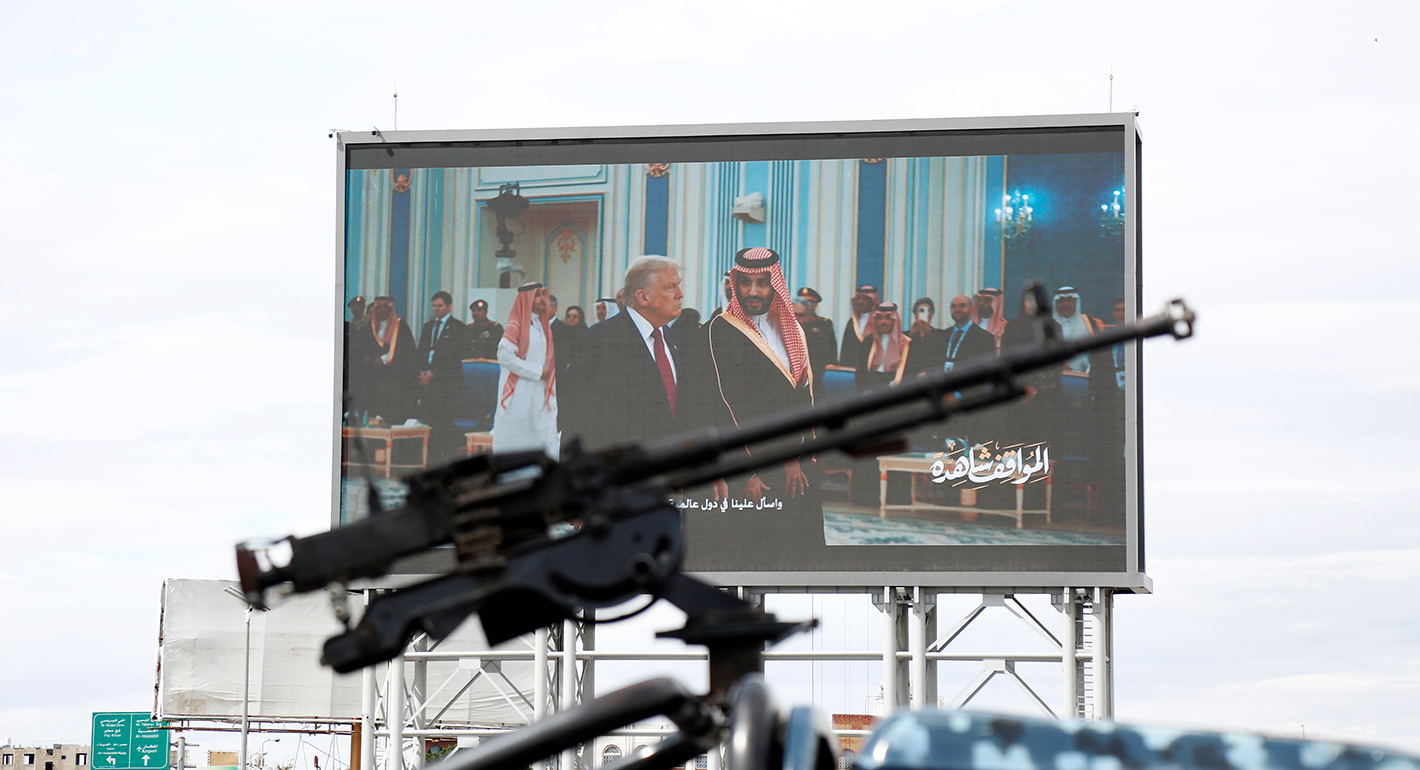
As the war between the United States, Israel, and Iran continues, Carnegie scholars contribute cutting-edge analysis on the events of the war and their wide-reaching implications. From the impact on Iran and its immediate neighbors to the responses from Gulf states to fuel and fertilizer shortages caused by the effective shutdown of the Strait of Hormuz, the war is reshaping Middle East alliances and creating shockwaves around the world. Carnegie experts analyze it all.

Central Asia’s digital ambitions are achievable, but only if policy is aligned with the region’s physical constraints.

Aruzhan Meirkhanova

Across Asia, China is better positioned to withstand energy shocks from the fallout of the Iran war. Its abundant coal capacity can ensure stability in the near term. Yet at the same time, the country’s energy transition away from coal will make it even less vulnerable during the next shock.

Damien Ma