• Research
  • Emissary
  • About
  • Experts
Carnegie Global logoCarnegie lettermark logo
DemocracyIran
  • Donate
China and the International Financial Crisis
Book

China and the International Financial Crisis

China is emerging from the economic crisis sooner than any other large economy, accelerating its rise as a global leader in the economic and financial arena.

Link Copied
By Pieter Bottelier
Published on Oct 14, 2009
Program mobile hero image

Program

Asia

The Asia Program in Washington studies disruptive security, governance, and technological risks that threaten peace, growth, and opportunity in the Asia-Pacific region, including a focus on China, Japan, and the Korean peninsula.

Learn More

Source: The National Bureau of Asian Research

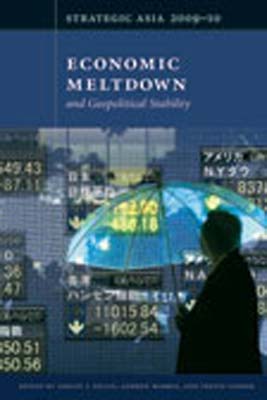
IMGXYZ2805IMGZYXThe global economic crisis came to China as large scale lay-offs in construction preceded the collapse of exports, which triggered massive additional unemployment. China's strong fiscal situation, low leverage, and relatively strong banks left ample room, however, for aggressive fiscal and monetary stimulus to beat the recession. China is emerging from the crisis sooner than any other large economy, and the crisis will probably accelerate China's rise and expand China's global leadership role in the economic and financial arena. 

These developments have several important policy implications:
  • The United States must continue to accommodate China as a rising power, in part by intensifying and expanding the bilateral dialogue with China, as agreed upon between Presidents Obama and Hu at the April G20 summit.

  • An informal G2 relationship to provide leadership on global governance issues such as climate and energy should be promoted, but not at the expense of other international forums for consultation and decisionmaking.

  • The United States must understand that the crisis has damaged its credibility in the financial arena and that emerging economies such as China will intensify their search for alternative models of finance while promoting South-South economic relations.

  • The United States has to both rebalance its own economy by keeping consumption growth below GDP growth for an extended period and strengthen its international competitiveness by improving infrastructure, public education, health care, energy efficiency, social security, fiscal responsibility at all levels of government, and financial regulation. 

About the Author

Pieter Bottelier

Former Nonresident Scholar, International Economics Program

Bottelier was a nonresident scholar in Carnegie’s International Economics Program and senior adjunct professor of China studies at the School of Advanced International Studies (SAIS), the Johns Hopkins University. His work currently focuses on China’s economic reform and development.

    Recent Work

  • Article
    China's Economy is Slowly Becoming More Normal

      Pieter Bottelier

  • Article
    China's Economy: Slower Growth, But Structural Reforms Progressing

      Pieter Bottelier

Pieter Bottelier
Former Nonresident Scholar, International Economics Program
Pieter Bottelier
East AsiaChinaNorth AmericaEconomyForeign Policy

Carnegie does not take institutional positions on public policy issues; the views represented herein are those of the author(s) and do not necessarily reflect the views of Carnegie, its staff, or its trustees.
More Work from Carnegie Endowment for International Peace

  • Article
    Leveraging Internal Security Cooperation with Vietnam Offers a Glimpse of Future Chinese Diplomacy with Southeast Asia

    Despite long-standing differences, China and Vietnam are reinforcing common ground for collaboration, especially in public security. This internal security–centered diplomacy offers a strengthened road map for how China moves forward with Southeast Asia.

      Sophie Zhuang
  • Aerial shot of island community
    Commentary
    One Year After the Great Aid Recession, Investments in Climate Mobility Offer Cost-Effective Returns

    Climate mobility interventions can vary, but they all present opportunities to unlock transformative results that mitigate costs associated with inaction.

      • Alejandro Rodriguez

      Alejandro Martin Rodriguez

  • Man standing next to a pile of burned cars
    Commentary
    Emissary
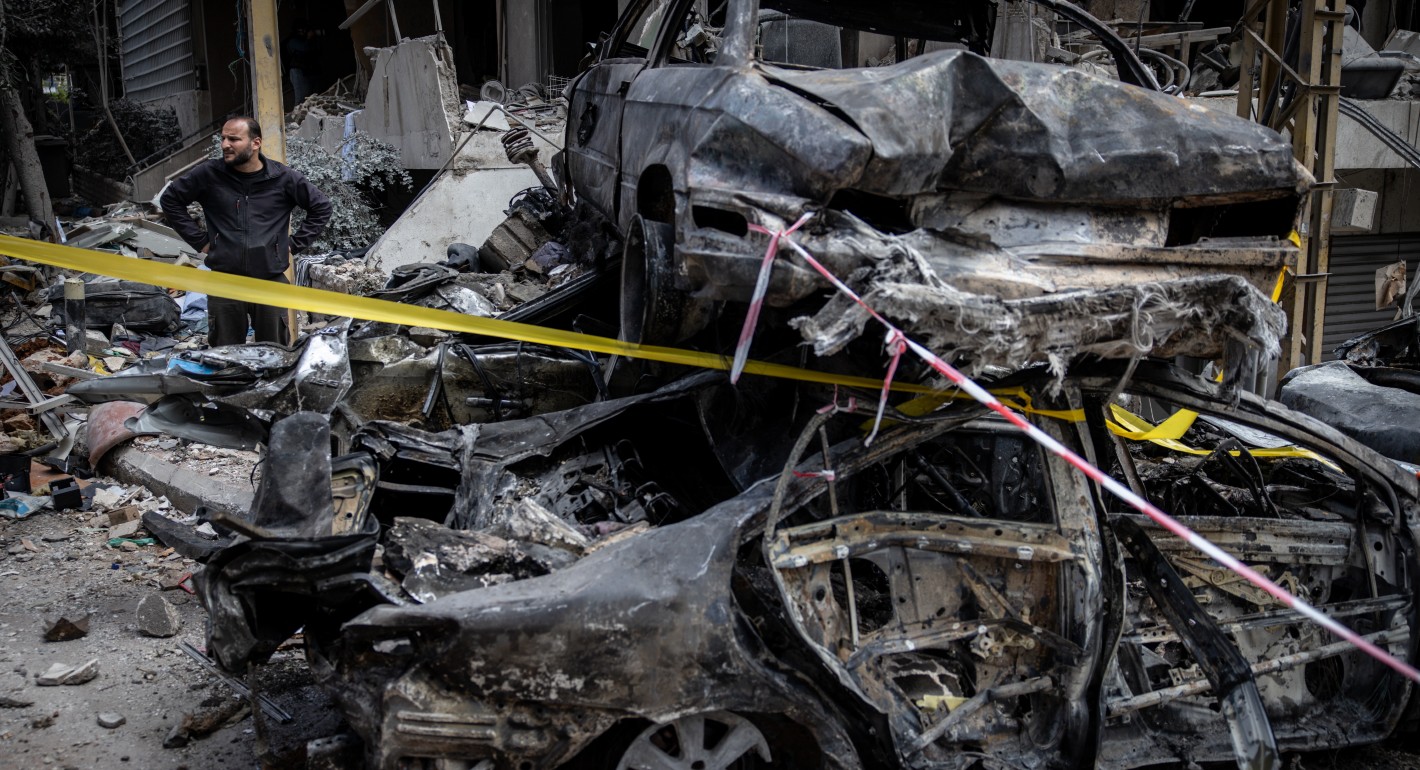
    The Myriad Problems With the Iran Ceasefire

    Four Middle East experts analyze the region’s reactions and next steps.

      • Andrew Leber
      • Eric Lob
      • +1

      Amr Hamzawy, Andrew Leber, Eric Lob, …
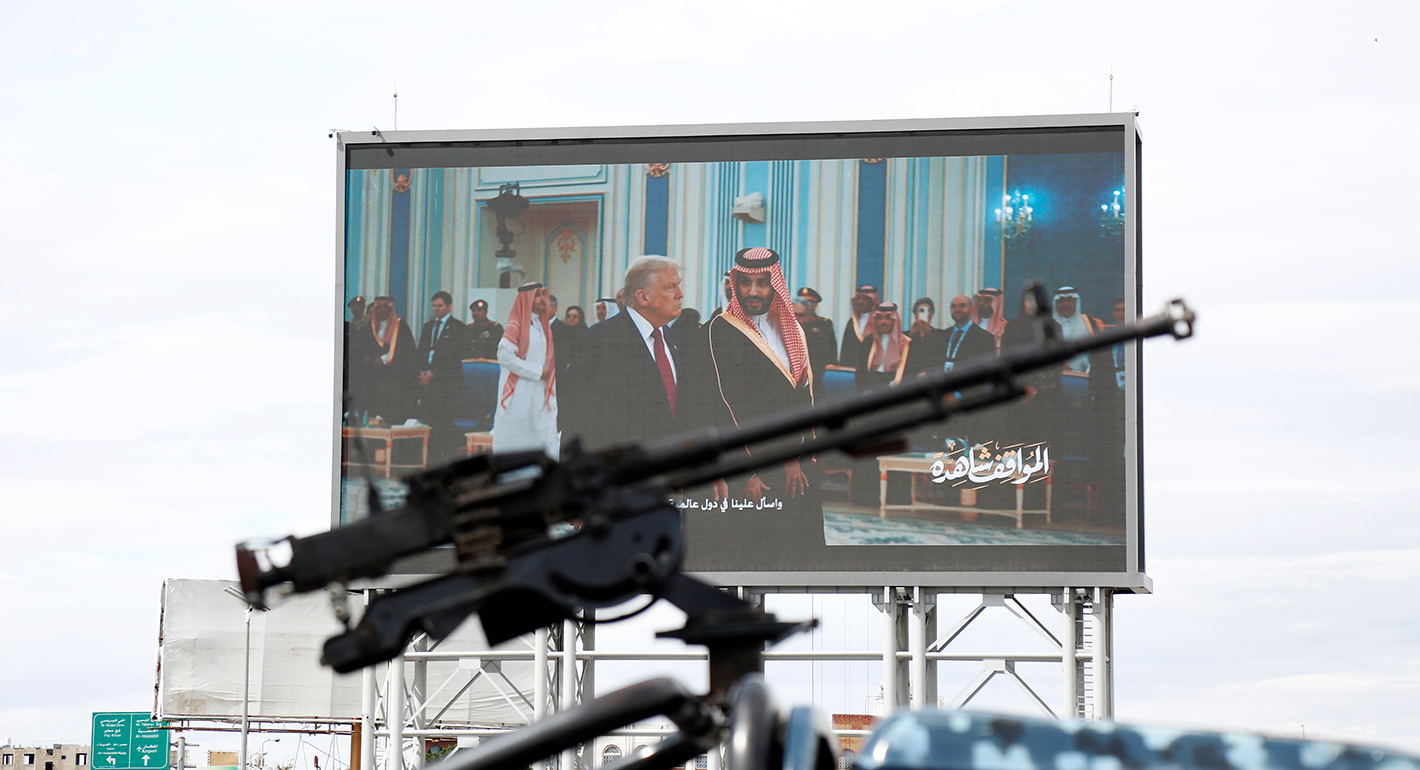
  •  A machine gun of a Houthi soldier mounted on a police vehicle next to a billboard depicting the U.S. president Donald Trump and Mohammed Bin Salman, the Crown Prince and Prime Minister of Saudi Arabia, during a protest staged to show support to Iran against the U.S.-Israel war on March 27, 2026 in Sana'a, Yemen.
    Collection
    The Iran War’s Global Reach

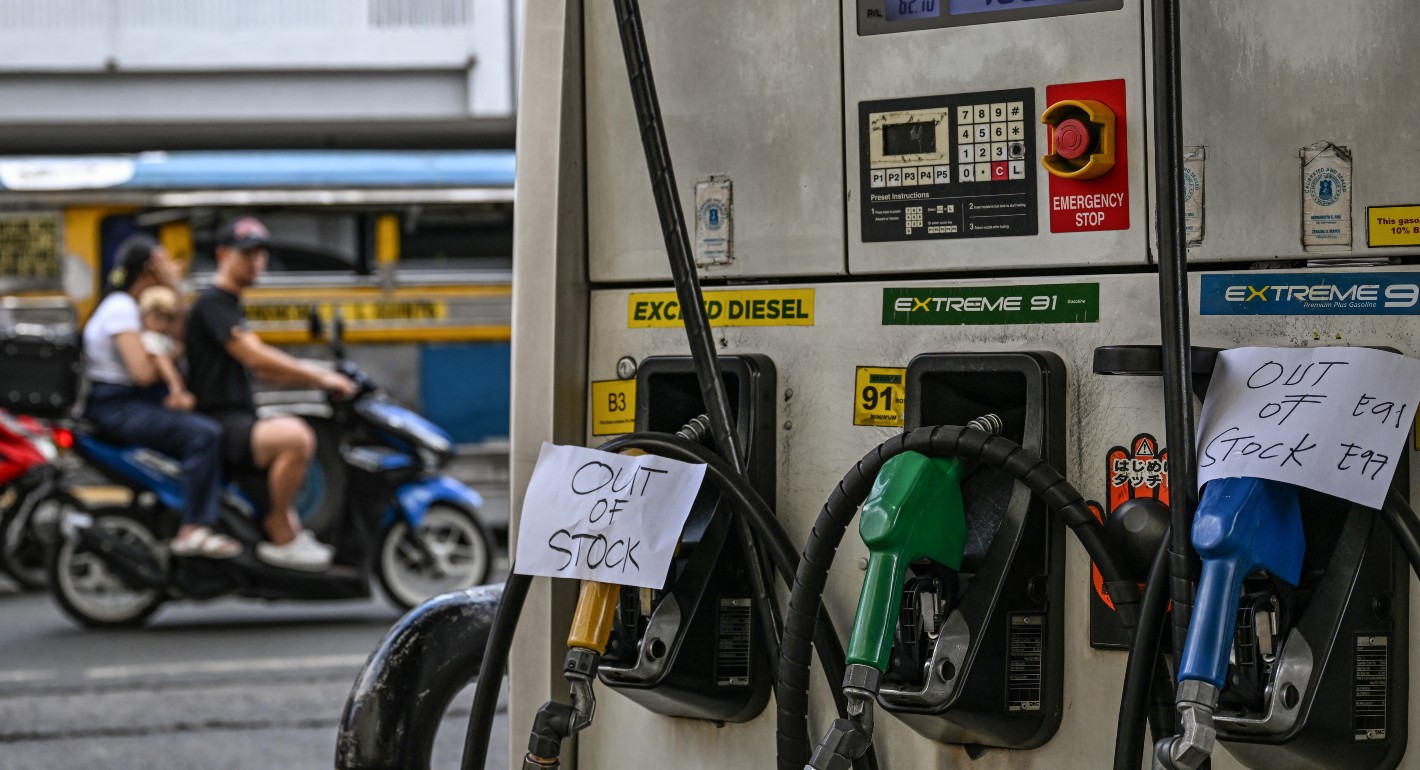
    As the war between the United States, Israel, and Iran continues, Carnegie scholars contribute cutting-edge analysis on the events of the war and their wide-reaching implications. From the impact on Iran and its immediate neighbors to the responses from Gulf states to fuel and fertilizer shortages caused by the effective shutdown of the Strait of Hormuz, the war is reshaping Middle East alliances and creating shockwaves around the world. Carnegie experts analyze it all.

  •  A machine gun of a Houthi soldier mounted on a police vehicle next to a billboard depicting the U.S. president Donald Trump and Mohammed Bin Salman, the Crown Prince and Prime Minister of Saudi Arabia, during a protest staged to show support to Iran against the U.S.-Israel war on March 27, 2026 in Sana'a, Yemen.
    Article
    Amid Iran War, Gulf Countries Slow the Pace of Reforms

    The return of war as the organizing factor in Middle Eastern politics has predictable consequences: governments are prioritizing regime stability and becoming averse to political and social reform.

      • Sarah Yerkes

      Sarah Yerkes, Amr Hamzawy

Get more news and analysis from
Carnegie Endowment for International Peace
Carnegie global logo, stacked
1779 Massachusetts Avenue NWWashington, DC, 20036-2103Phone: 202 483 7600Fax: 202 483 1840
  • Research
  • Emissary
  • About
  • Experts
  • Donate
  • Programs
  • Events
  • Blogs
  • Podcasts
  • Contact
  • Annual Reports
  • Careers
  • Privacy
  • For Media
  • Government Resources
Get more news and analysis from
Carnegie Endowment for International Peace
© 2026 Carnegie Endowment for International Peace. All rights reserved.