Commentary
Its reinstatement should be celebrated, but it retains some major shortcomings.
Leonardo Martinez-Diaz
{
  "authors": [
    "Uri Dadush",
    "Lauren Falcão"
  ],
  "type": "other",
  "centerAffiliationAll": "",
  "centers": [
    "Carnegie Endowment for International Peace"
  ],
  "collections": [],
  "englishNewsletterAll": "",
  "nonEnglishNewsletterAll": "",
  "primaryCenter": "Carnegie Endowment for International Peace",
  "programAffiliation": "",
  "programs": [],
  "projects": [],
  "regions": [
    "North America",
    "United States",
    "South America",
    "Western Europe"
  ],
  "topics": [
    "Economy",
    "Trade"
  ]
}
Source: Getty
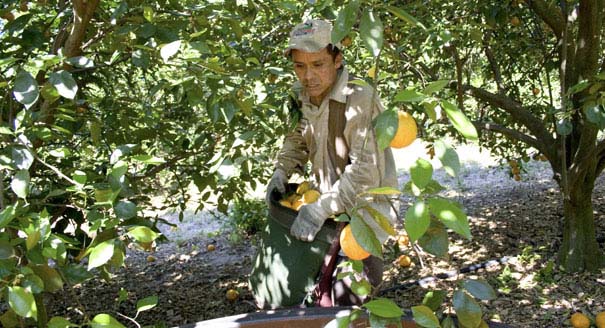
Migrants are economic assets for both their host and home countries, but they are disproportionately affected by the global financial crisis. Temporary migration programs and collaboration with migrant-sending countries can help maximize the economic benefits of migration, even in times of crisis.
More than 200 million people reside in a country that is not their birthplace. This “diaspora nation” of migrants outranks all but four of the world’s countries in population. These migrants make an immense economic contribution both to their host country and to their home country, primarily through transfers of money they earn back to their home country, which are known as “remittances.” About 82 percent of migrants originate in developing countries, and their remittances, which amounted to an estimated $305 billion in 2008, represent an essential source of foreign exchange for these countries, as well as a major instrument in the fight against poverty.

Former Senior Associate, International Economics Program
Dadush was a senior associate at the Carnegie Endowment for International Peace. He focuses on trends in the global economy and is currently tracking developments in the eurozone crisis.
Lauren Falcão
Former Junior Fellow, Trade, Equity, and Development Program
Carnegie does not take institutional positions on public policy issues; the views represented herein are those of the author(s) and do not necessarily reflect the views of Carnegie, its staff, or its trustees.

Its reinstatement should be celebrated, but it retains some major shortcomings.

Leonardo Martinez-Diaz
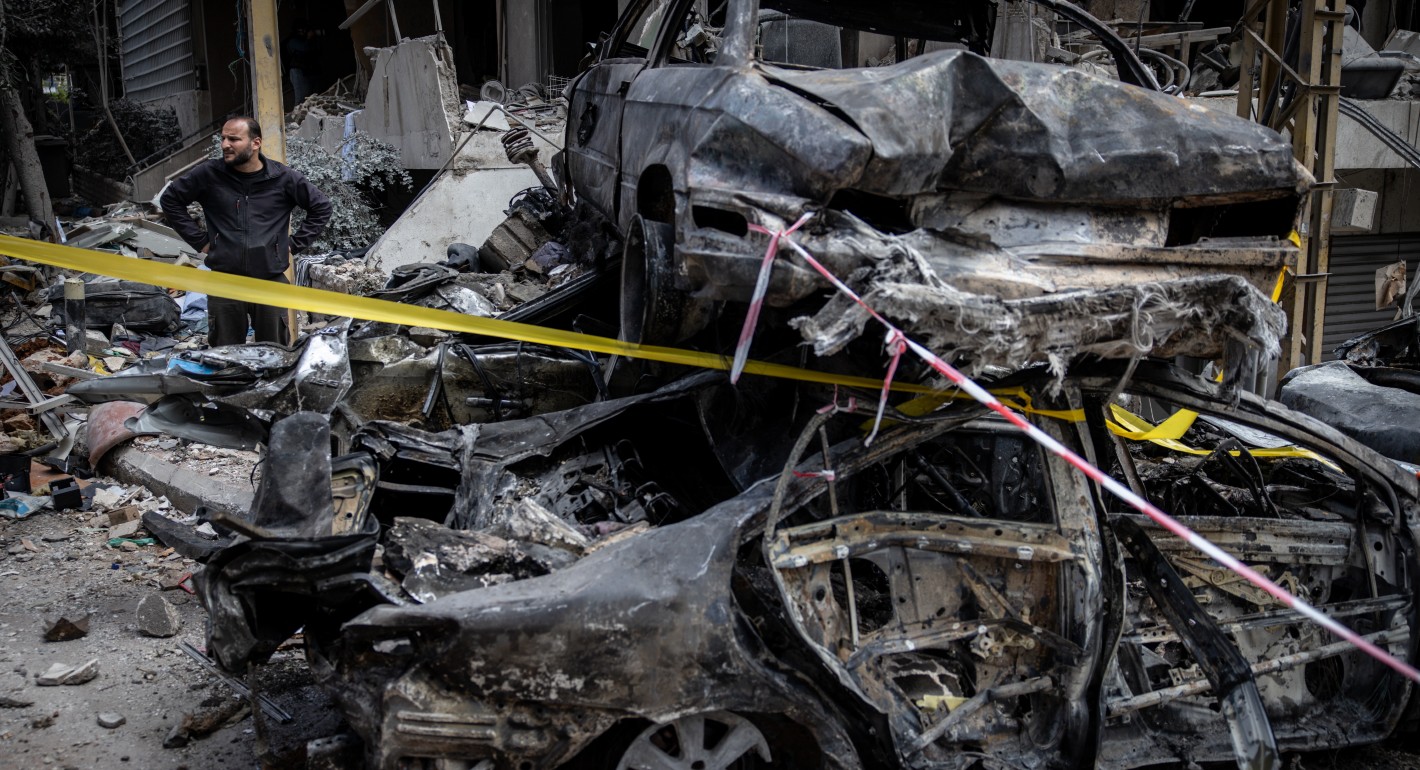
Four Middle East experts analyze the region’s reactions and next steps.



Amr Hamzawy, Andrew Leber, Eric Lob, …
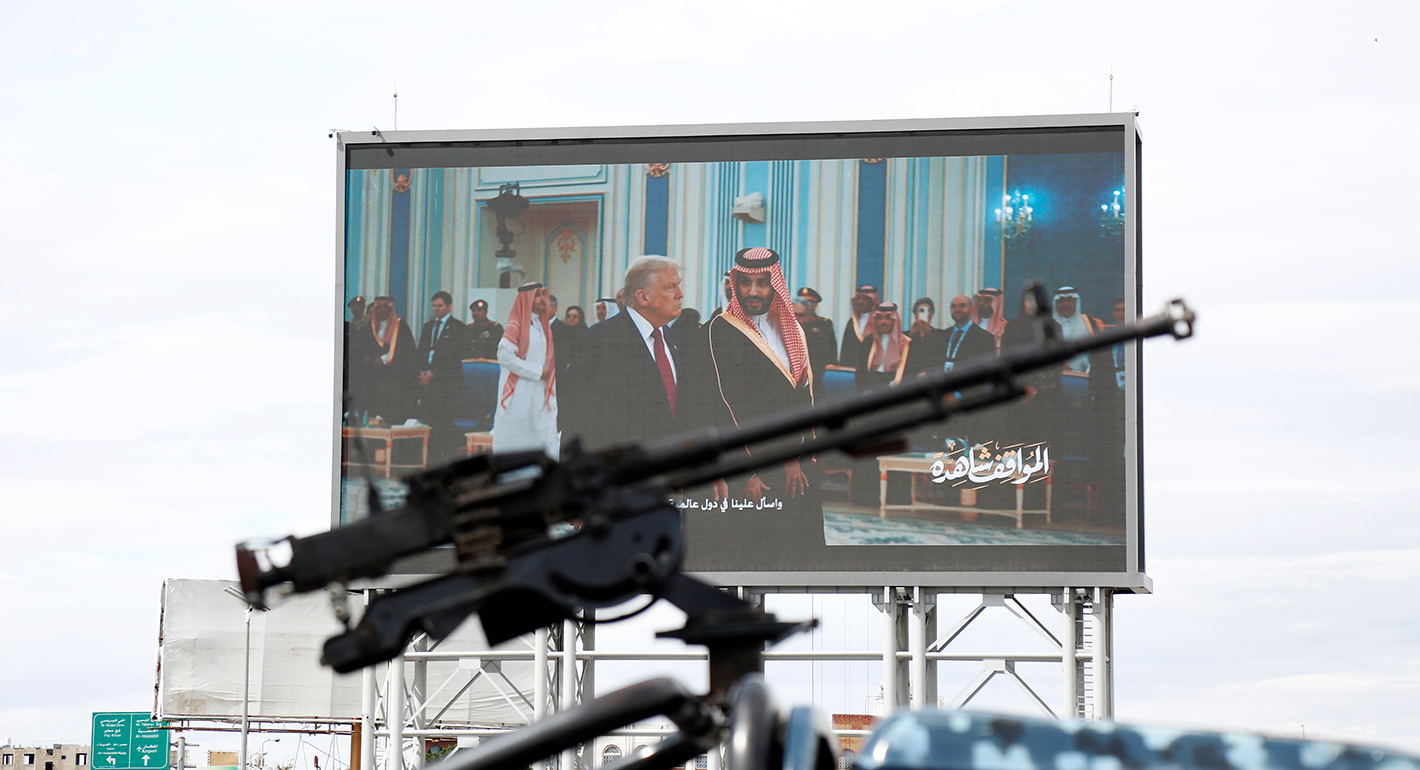
As the war between the United States, Israel, and Iran continues, Carnegie scholars contribute cutting-edge analysis on the events of the war and their wide-reaching implications. From the impact on Iran and its immediate neighbors to the responses from Gulf states to fuel and fertilizer shortages caused by the effective shutdown of the Strait of Hormuz, the war is reshaping Middle East alliances and creating shockwaves around the world. Carnegie experts analyze it all.
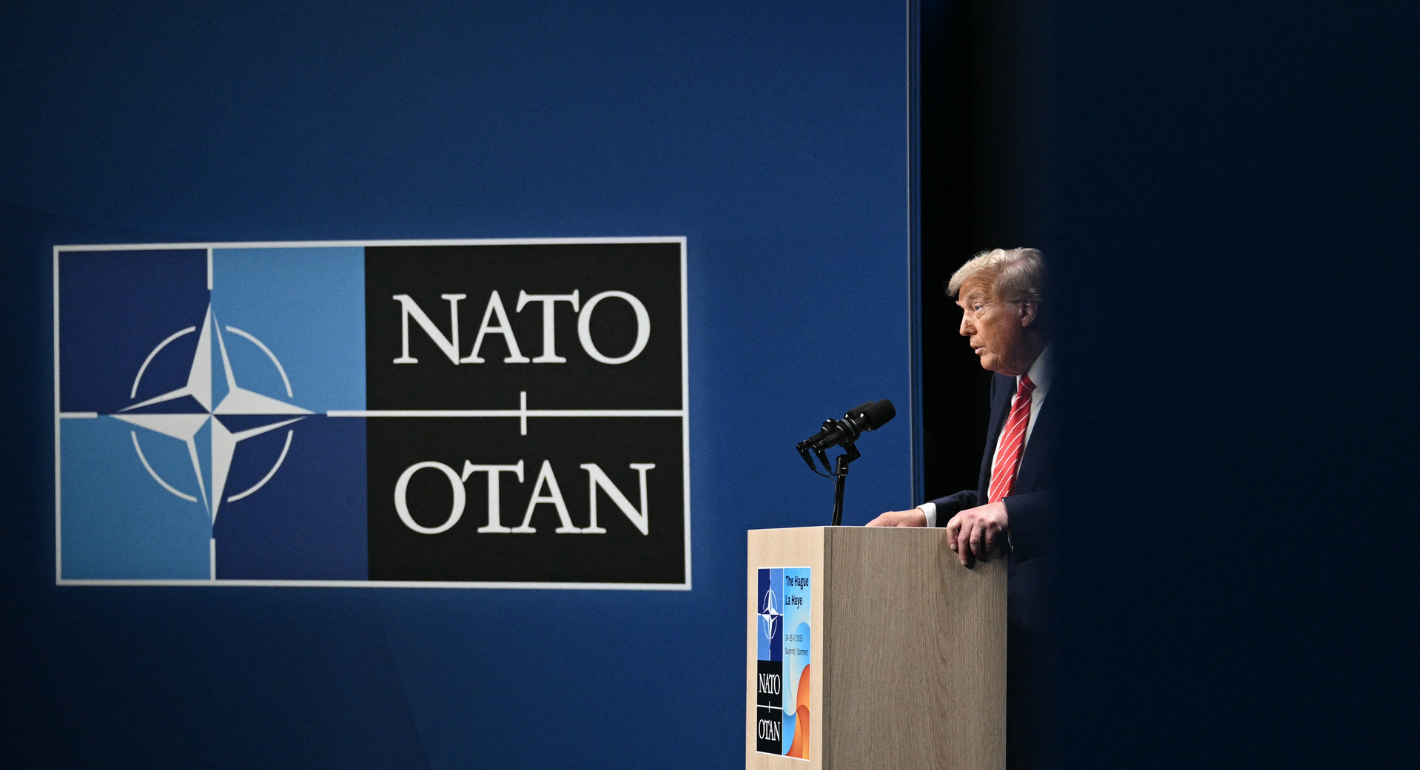
Donald Trump has repeatedly bashed NATO and European allies, threatening to annex Canada and Greenland and deploring their lack of enthusiasm for his war of choice in Iran. Is this latest round of abuse the final straw?

Rym Momtaz, ed.

The future looks bleak for independent media worldwide, but there is a robust infrastructure of knowledge, organizations, and people to build upon.


Daniel Sabet, Susan Abbott