In The Media
Minxin Pei
{
  "authors": [
    "Minxin Pei"
  ],
  "type": "legacyinthemedia",
  "centerAffiliationAll": "dc",
  "centers": [
    "Carnegie Endowment for International Peace"
  ],
  "collections": [],
  "englishNewsletterAll": "asia",
  "nonEnglishNewsletterAll": "",
  "primaryCenter": "Carnegie Endowment for International Peace",
  "programAffiliation": "AP",
  "programs": [
    "Asia"
  ],
  "projects": [],
  "regions": [
    "North America",
    "United States",
    "East Asia",
    "China"
  ],
  "topics": [
    "Foreign Policy"
  ]
}
Source: Getty
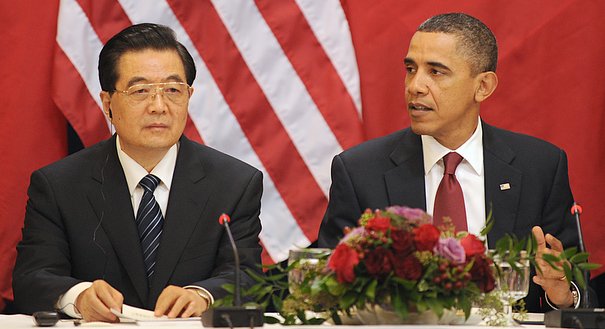
Given the deep and unbridgeable differences between China and the United States in terms of their political values and geopolitical interests, minor conflicts between the two nations should be expected and should not be viewed as signs of a rapid downturn in U.S.-China relations.
Source: International Herald Tribune

The rapid downturn in a relationship that was, until recently, marked by cordiality and tranquility has led many to worry about another extreme: a qualitative deterioration and eventually a full-fledged rivalry.
Such fears are overblown, in the same way that recent talks of a close-knit U.S.-China strategic partnership (a.k.a. G-2) were premature and naïve.
In many ways, the sudden worsening of ties between Beijing and Washington really means that U.S.-China relations are returning to “normalcy.” Because of the deep and unbridgeable differences between the two countries in terms of their political values, conceptions of international order and geopolitical interests, constant frictions, even minor conflicts, should be the rule. Chumminess and absence of tensions, as displayed during Mr. Obama’s first year in office, are actually the exception.
Additionally, the downturn in ties also reflects two important policy adjustments by President Obama. First, a tough stance toward China is part of an overall hardening of his foreign policy. China is not getting special treatment. Second, the Obama administration has specific reasons to be less accommodating to China because of Beijing’s recent assertiveness, such as its uncooperative behavior at the Copenhagen climate change summit, obstructionism on sanctions against Iran, and intensified repression of dissent at home.
Some worry that Beijing will respond to Washington’s policy adjustments with retaliation, thus initiating a vicious cycle.
While it is true that the Chinese government has turned up its blustering several notches, we should learn to tell bark from bite. Other than canceling its military exchange program with the U.S., which is not viewed as productive in any case, China’s retaliations are mostly rhetorical and symbolic. The real test, of course, will be Iran. If Beijing single-handedly blocks sanctions against Tehran at the United Nations Security Council, that would be serious. But Chinese leaders must also know that they will surely face the united wrath of the United States and Europe, a prospect no smart mandarins in China relish.
There are additional grounds for cautious optimism. The two countries are now so economically intertwined that a major disruption in their political relationship could severely damage their respective economic interests, a price neither wants to pay. Economic interdependence also means that neither China nor the U.S. can hurt the other without harming itself. In spite of the heated words in the official Chinese press, it is reassuring to note that Beijing and Washington are merely fighting the same old fights: Taiwan, Tibet and human rights. Both sides are familiar with the ground rules for these disputes and, so far, have observed them.
Some worry that Chinese leaders may have such hubris that they will assert themselves with unusual aggressiveness. On the surface, that sounds plausible. However, Beijing’s rulers are ruthless, but cautious, realists. It is unlikely that they have deluded themselves into believing that they are now strong enough to stare down the U.S. Most importantly, acutely aware of their own domestic frailties, they understand that a costly confrontation with America will endanger their hold on power.
What lies ahead should be familiar to China watchers: After the huffing and puffing is over, Beijing and Washington will start repairing the damage. As for the rest of the world, it had better get used to frequent, but controlled, rows between China and the United States.
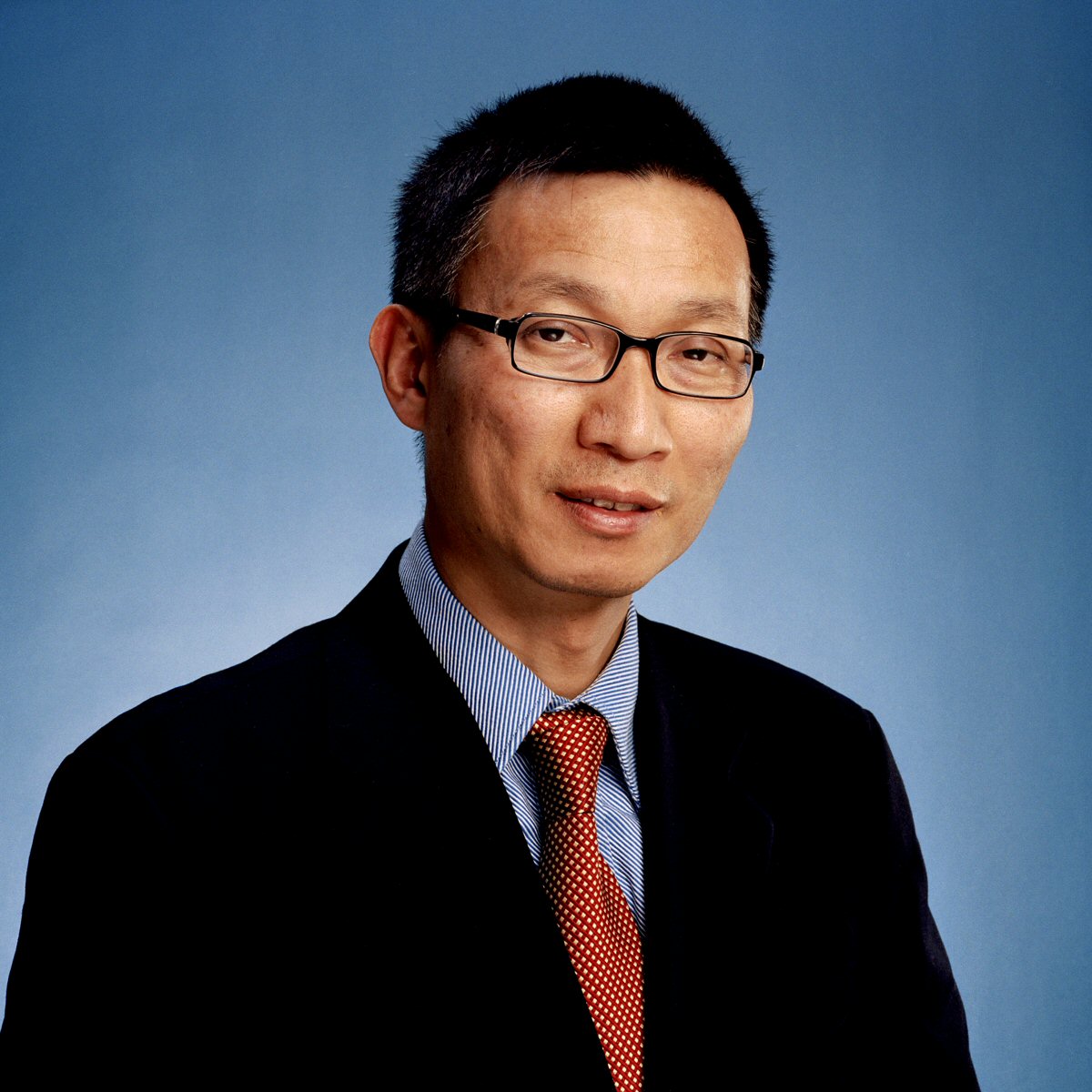
Former Adjunct Senior Associate, Asia Program
Pei is Tom and Margot Pritzker ‘72 Professor of Government and the director of the Keck Center for International and Strategic Studies at Claremont McKenna College.
Recent Work
Minxin Pei
Minxin Pei
Carnegie does not take institutional positions on public policy issues; the views represented herein are those of the author(s) and do not necessarily reflect the views of Carnegie, its staff, or its trustees.
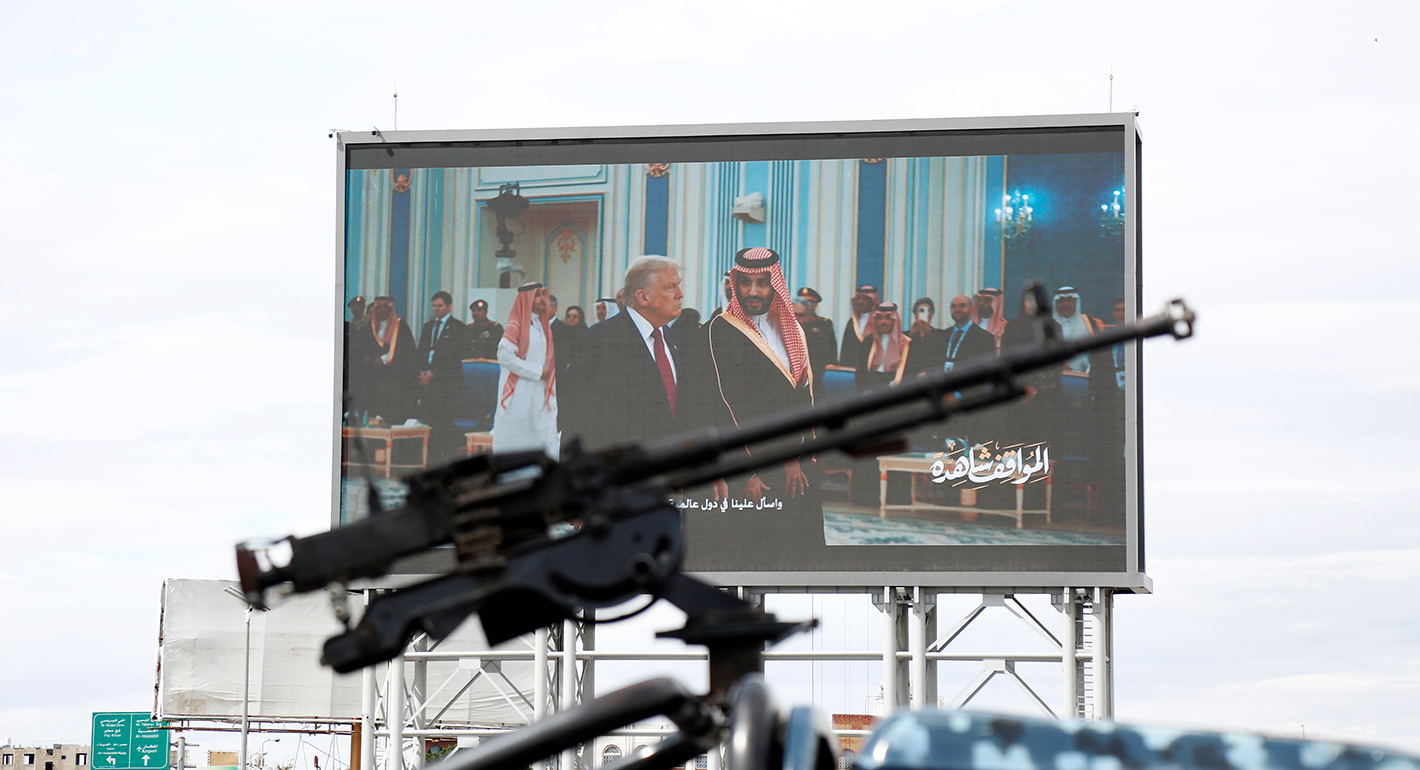
As the war between the United States, Israel, and Iran continues, Carnegie scholars contribute cutting-edge analysis on the events of the war and their wide-reaching implications. From the impact on Iran and its immediate neighbors to the responses from Gulf states to fuel and fertilizer shortages caused by the effective shutdown of the Strait of Hormuz, the war is reshaping Middle East alliances and creating shockwaves around the world. Carnegie experts analyze it all.
The return of war as the organizing factor in Middle Eastern politics has predictable consequences: governments are prioritizing regime stability and becoming averse to political and social reform.


Sarah Yerkes, Amr Hamzawy
Central Asia’s digital ambitions are achievable, but only if policy is aligned with the region’s physical constraints.

Aruzhan Meirkhanova
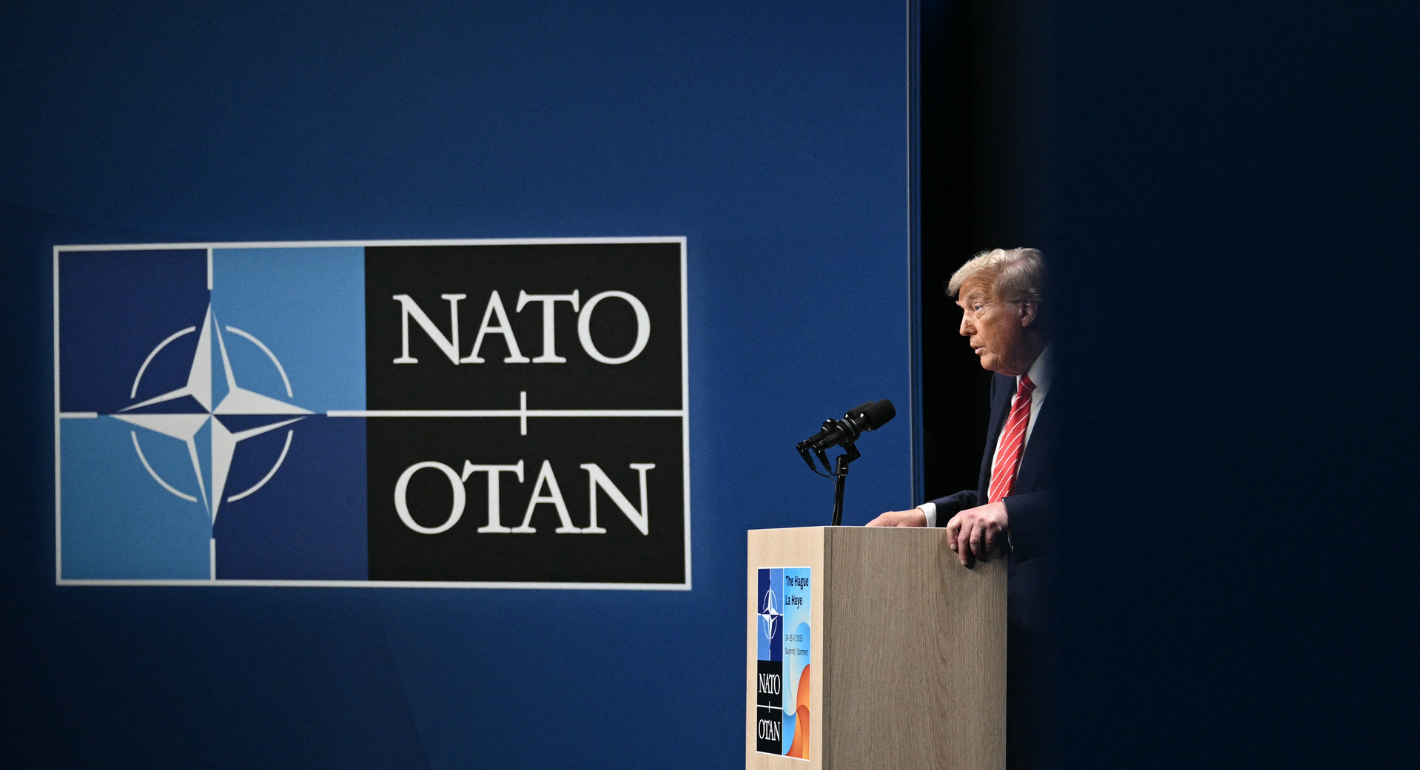
Donald Trump has repeatedly bashed NATO and European allies, threatening to annex Canada and Greenland and deploring their lack of enthusiasm for his war of choice in Iran. Is this latest round of abuse the final straw?

Rym Momtaz, ed.

The future looks bleak for independent media worldwide, but there is a robust infrastructure of knowledge, organizations, and people to build upon.


Daniel Sabet, Susan Abbott