

Commentary
Uri Dadush
{
  "authors": [
    "Uri Dadush"
  ],
  "type": "questionAnswer",
  "centerAffiliationAll": "",
  "centers": [
    "Carnegie Endowment for International Peace",
    "Carnegie Europe"
  ],
  "collections": [],
  "englishNewsletterAll": "",
  "nonEnglishNewsletterAll": "",
  "primaryCenter": "Carnegie Endowment for International Peace",
  "programAffiliation": "",
  "programs": [],
  "projects": [],
  "regions": [
    "Western Europe",
    "Europe",
    "North America"
  ],
  "topics": [
    "Economy"
  ]
}
Source: Getty
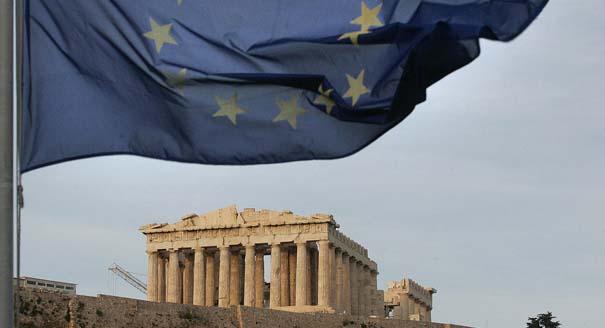
Greece’s economic imbalances are neither unprecedented nor — with help — unmanageable. Given the business, banking, and political interests in a positive outcome, Greece will either rescue itself, or be rescued.
Greece’s debt crisis and loss of competitiveness are raising concerns far beyond its borders, including the viability of the single currency and the recovery of the euro zone. European leaders have promised to support Greece and safeguard the euro, but resisted an immediate bailout.
In a new video Q&A, Uri Dadush analyzes the dangers this new crisis poses for other vulnerable countries and recommends actions for policy makers in Greece, Europe, and the G20 to deal with the fallout. Dadush says that while this is the biggest test the euro area has faced, Greece’s imbalances are neither unprecedented nor—with help—unmanageable. “Given the business, banking, and political interests in a positive outcome, Greece will either rescue itself, or be rescued."
Former Senior Associate, International Economics Program
Dadush was a senior associate at the Carnegie Endowment for International Peace. He focuses on trends in the global economy and is currently tracking developments in the eurozone crisis.
Recent Work
Uri Dadush
Uri Dadush
Carnegie does not take institutional positions on public policy issues; the views represented herein are those of the author(s) and do not necessarily reflect the views of Carnegie, its staff, or its trustees.

Amid celebrations of bilateral ties was a deeper focus on stability in the Middle East.

Amr Hamzawy

Canadian Prime Minister Mark Carney has twice inspired praise for standing up to U.S. President Donald Trump: at the 2026 World Economic Forum in Davos and on Canada-U.S. trade negotiations. Is Carney showing a third way better than the EU has in dealing with the Trump administration?

Rym Momtaz, ed.
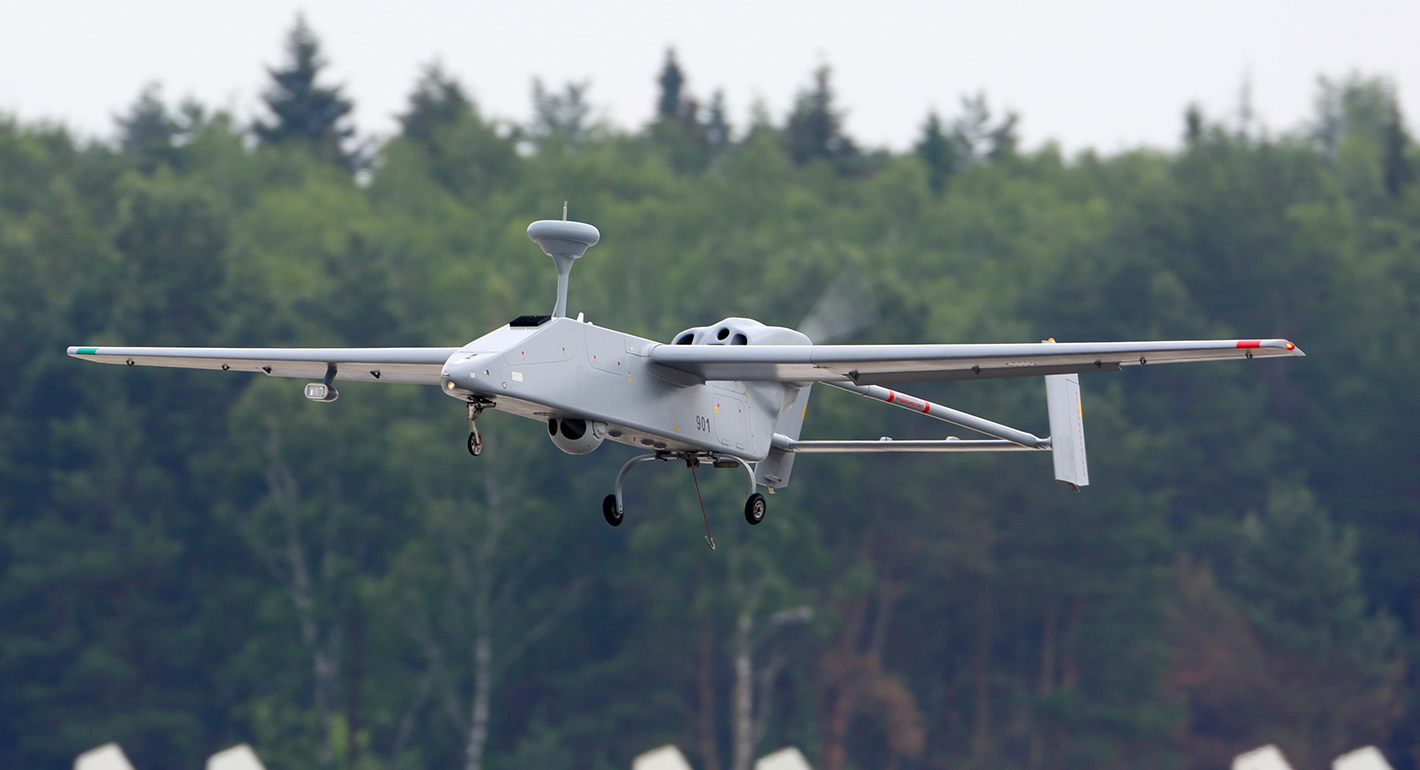
Moscow is testing Europe’s defenses with drone incursions and could decide to use drones against the continent on a much larger scale once the war in Ukraine pauses. European countries will need Kyiv to help them prepare for such a possibility.

Pavlo Zvenyhorodskyi

Xi, Putin, and other regional leaders are back-slapping in Bishkek, but the SCO has yet to answer the most serious questions about continental Asia's economic future.

Evan A. Feigenbaum

The EU’s responses to two recent incidents expose the gulf between European perceptions and capabilities. Unless the union can bridge that gap, it will never become a real geostrategic power.
Rym Momtaz