

Commentary
The books, podcasts, and films that explain the world it made.
Andrew Leber
{
  "authors": [],
  "type": "pressRelease",
  "centerAffiliationAll": "dc",
  "centers": [
    "Carnegie Endowment for International Peace"
  ],
  "collections": [],
  "englishNewsletterAll": "menaTransitions",
  "nonEnglishNewsletterAll": "",
  "primaryCenter": "Carnegie Endowment for International Peace",
  "programAffiliation": "MEP",
  "programs": [
    "Middle East"
  ],
  "projects": [],
  "regions": [
    "Middle East",
    "Yemen"
  ],
  "topics": []
}
REQUIRED IMAGE
A military campaign against Yemen’s secessionist Southern Movement would only further inflame its supporters and increase support for al-Qaeda in the Arabian Peninsula (AQAP). Instead a political solution is required that addresses the unresolved problems from the country’s poorly-executed unification in the early 1990s.
WASHINGTON, March 23—Yemen’s secessionist Southern Movement is undergoing a radical transformation that threatens the country’s stability. But a military campaign against the movement would only further inflame its supporters and increase support for al-Qaeda in the Arabian Peninsula (AQAP). A political solution is required that addresses the unresolved problems from the country’s poorly-executed unification in the early 1990s, concludes a new paper by Stephen Day.
Key Conclusions:
Policy Recommendations:
“The success of the political effort in the South will require steady, outside pressure and effective mediation, preferably by an Arab leader like Jordan’s late King Hussein, who tried to assist Yemenis in 1994,” writes Day. But “ultimately, the success of such an effort will depend on Yemeni leaders on all sides, and their willingness to tackle problems left unsolved since the 1990s.”
###
NOTES
Carnegie does not take institutional positions on public policy issues; the views represented herein are those of the author(s) and do not necessarily reflect the views of Carnegie, its staff, or its trustees.

The books, podcasts, and films that explain the world it made.

Andrew Leber
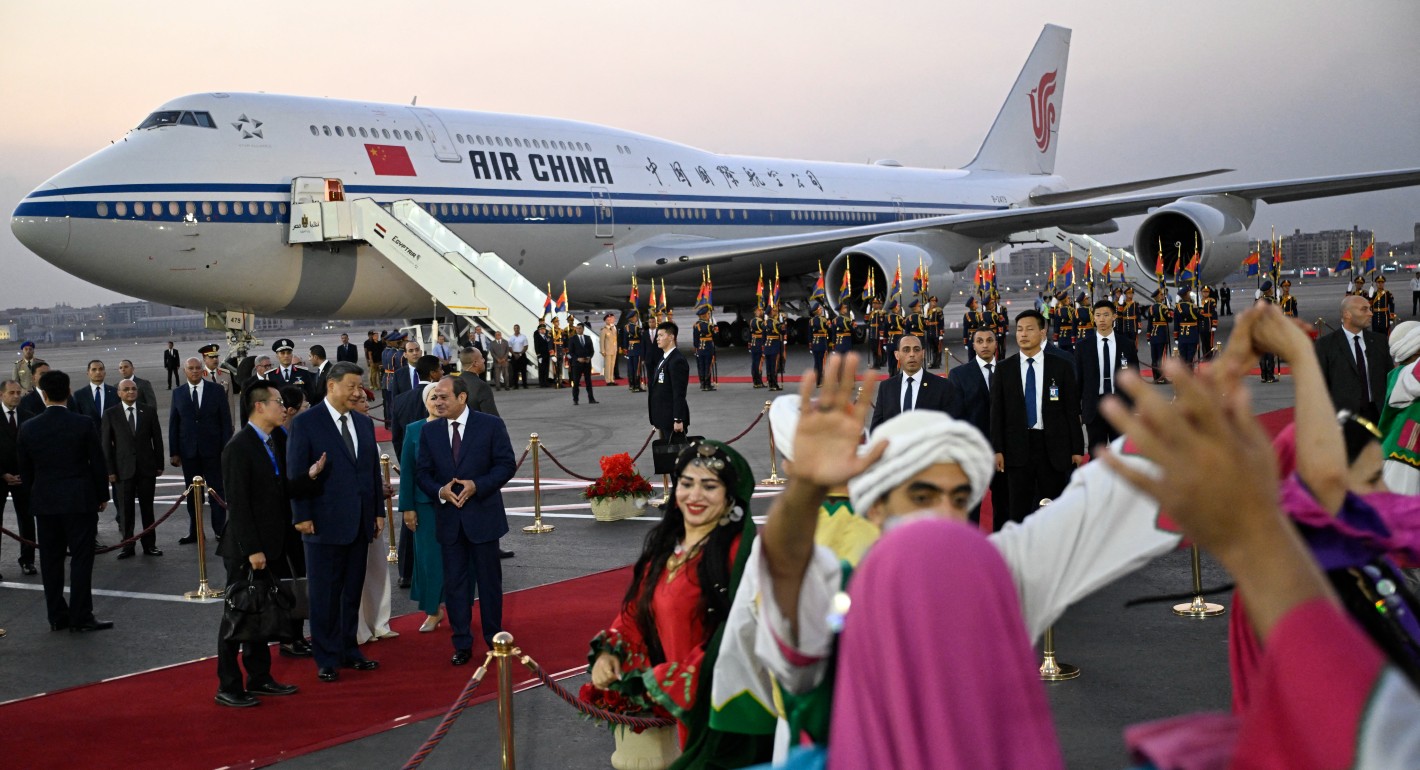
Amid celebrations of bilateral ties was a deeper focus on stability in the Middle East.

Amr Hamzawy
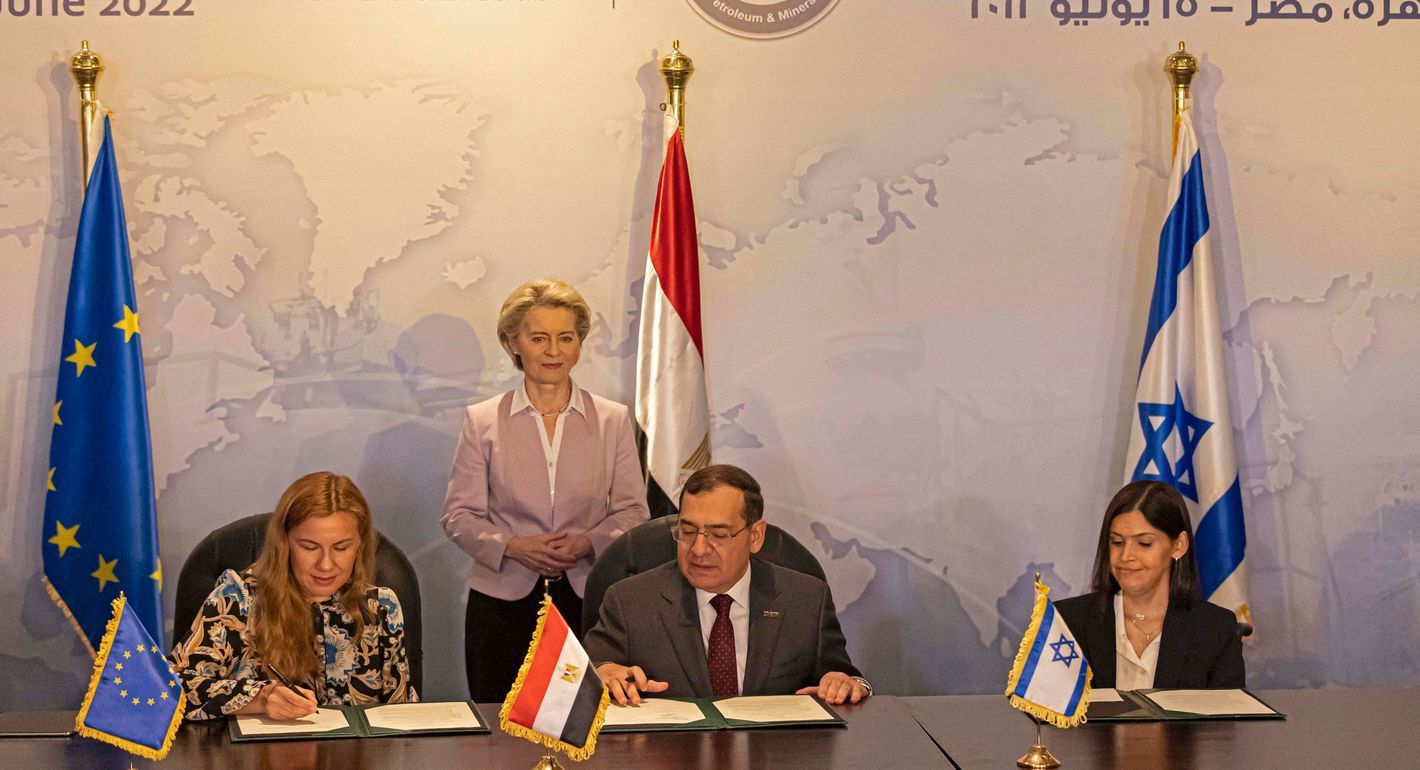
Can economic ties help contain conflict between Egypt and Israel, or do they simply postpone confrontation? Drawing on the German-Russian experience, the article examines how the gas deal creates mutual dependence, keeps channels of cooperation open, and raises the cost of conflict, without necessarily delivering lasting peace.

Nourhan Hefzy
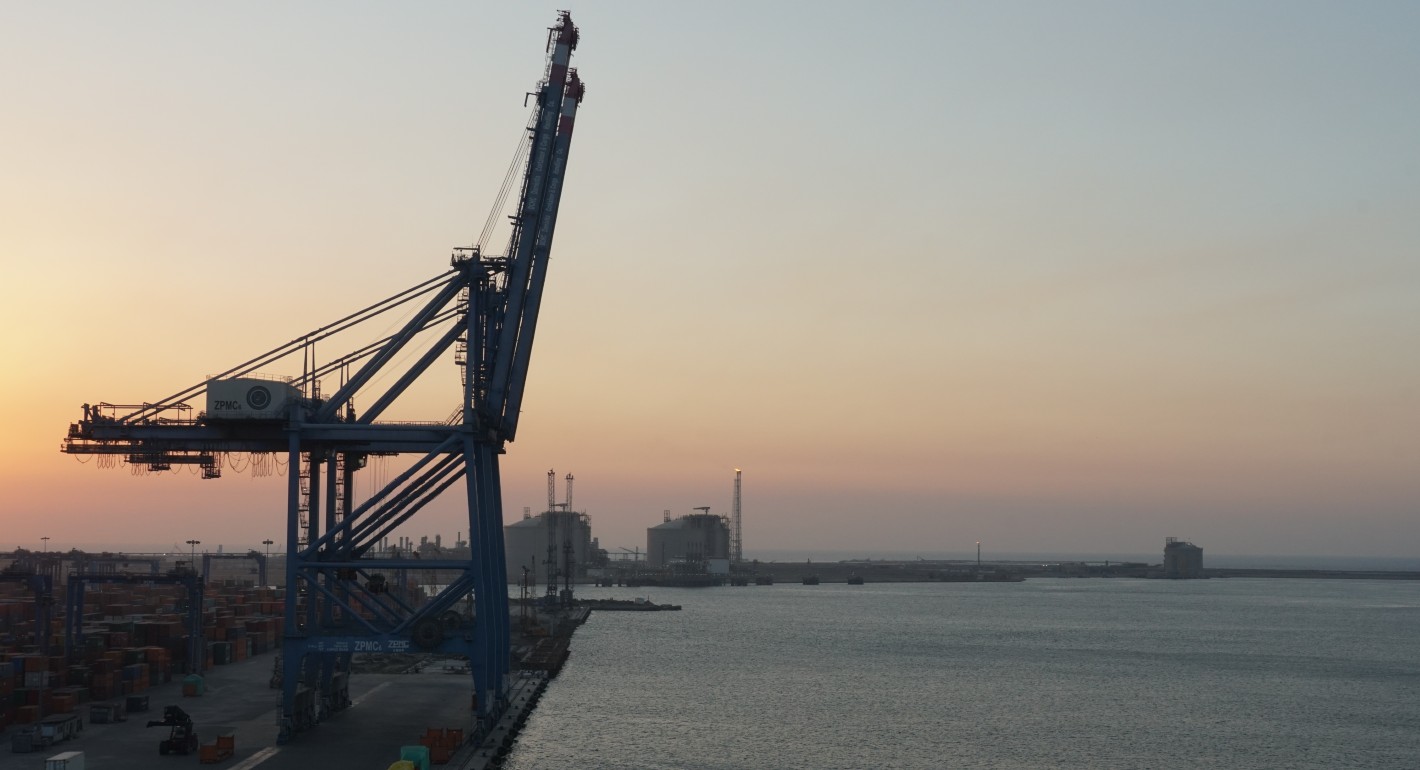
The targeting of Damietta Port appears to be more than a mere security message.
Amr Hamzawy
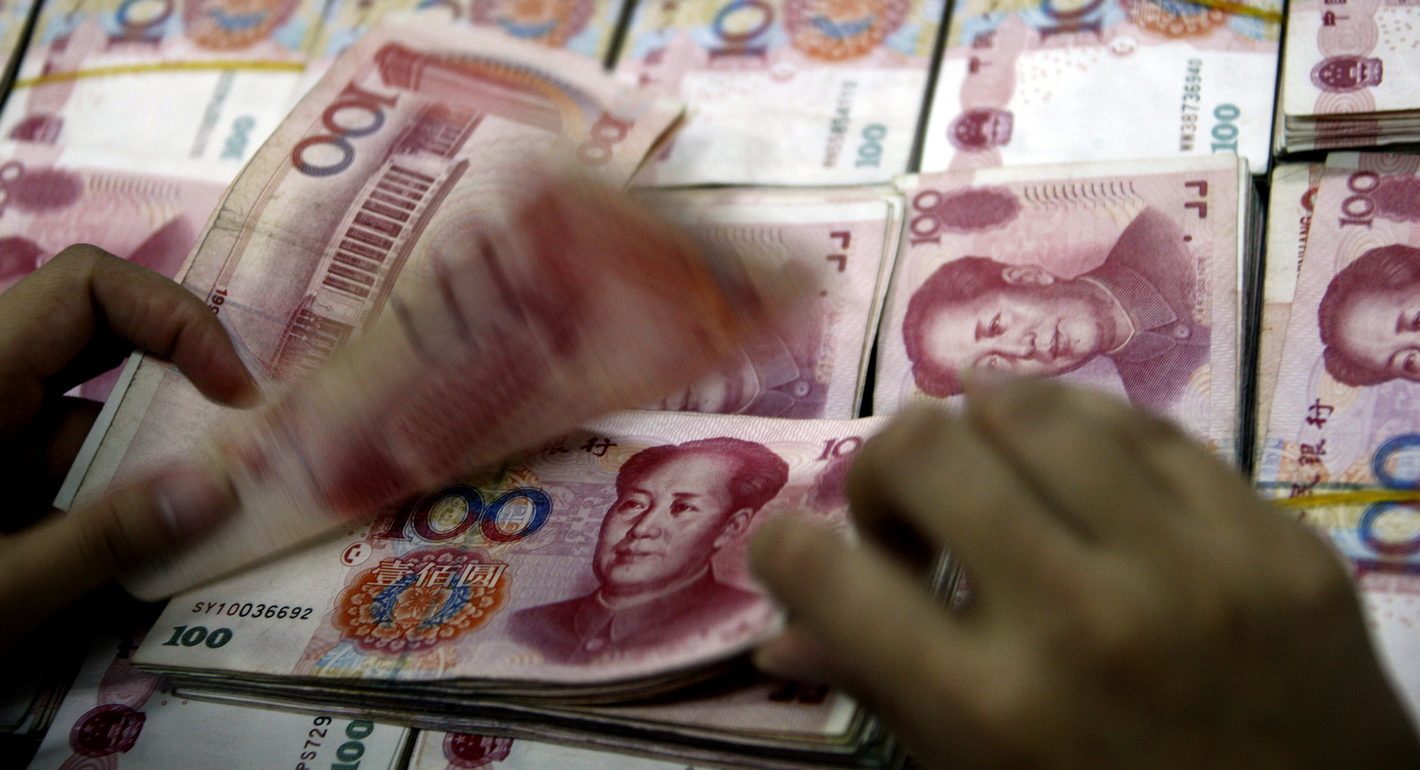
Is the Gulf moving beyond the dollar? This article examines how China is expanding the renminbi's role across Gulf markets, what that means for regional finance, and why the future of global currencies is more complex than the de-dollarization debate suggests.

Andrew Bonney