Commentary
Uri Dadush
{
  "authors": [
    "Uri Dadush"
  ],
  "type": "legacyinthemedia",
  "centerAffiliationAll": "",
  "centers": [
    "Carnegie Endowment for International Peace",
    "Carnegie Europe"
  ],
  "collections": [],
  "englishNewsletterAll": "",
  "nonEnglishNewsletterAll": "",
  "primaryCenter": "Carnegie Endowment for International Peace",
  "programAffiliation": "",
  "programs": [],
  "projects": [],
  "regions": [
    "Western Europe",
    "France",
    "Germany",
    "Europe",
    "North America"
  ],
  "topics": [
    "Economy"
  ]
}
Source: Getty
If European leaders are to avoid sinking deeper into a crisis with unpredictable consequences, they must take urgent and immediate action, not debate far-reaching proposals such as a European Monetary Fund.
Source: European Voice

It is vital to separate in one's mind the urgent steps needed to contain the crisis in Greece today from far-reaching proposals such as the European Monetary Fund and others like it that would make the eurozone work better in the future. The latter are ten-year projects, and might prove as irrelevant as they are divisive if—as is possible—the eurozone were to break apart.
Here is a five-point plan for dealing with today's—rather than tomorrow's—crisis:
First, recognise that the Greek debacle is not just a fiscal crisis but also—with its unit labour costs rising by 35% against Germany's and 60% against the US's within ten years—a competitiveness crisis. The single currency makes it very difficult to grow out of the fiscal/competitiveness trap. It also makes other vulnerable countries—such as Spain—more susceptible to contagion, even though, fiscally, they are in better-than-average shape, because markets recognise that their fiscal situation will only deteriorate if they do not fix their competitiveness problem.
Second, containing the crisis in Greece requires that measures agreed upon in principle are taken in sequence and in a balanced fashion. Fiscal consolidation in Greece must move ahead convincingly, for international help to have a chance of working—politically and economically. Fiscal measures are clearly not enough; reforms must also address competitiveness directly, with measures to develop skills, promote innovation and make labour markets more flexible. Some of these reforms would take a long time to work, but starting to take them is nevertheless crucial to reassure markets that the conditions for sustained growth are being re-established.
Third, an apolitical analysis is needed of whether Greece can actually repay its debt without unacceptable social disruption or abandoning the euro. If, as I fear, the only realistic solution in Greece is a restructuring of debts, then policymakers need to face up to the need as soon as possible. Achieving an orderly debt write-down or rescheduling will require measures to alleviate the shock on the still fragile European banking system.
Fourth, a co-ordinated macroeconomic policy approach must ensure that aggregate demand growth in Europe is supportive of the painful adjustment that will be needed in vulnerable countries over many years. The main elements of this plan are understood, though politically fraught, and include: measures to stimulate domestic demand in surplus countries, the persistence of low interest rates and an expansionary monetary policy, and a weaker euro. The latter will require careful co-ordination with G20 partners to avoid competitive devaluations, but it should be evident to the US, China and others that a series of sovereign crises in the heart of Europe is now the main risk to a global recovery.
Fifth, it has become painfully clear in recent weeks that not only do European institutions lack the instruments, expertise and track record to tackle these policy challenges, but—more ominously—there is an acute shortage of political space. Providing Greece with financial support requires a political mandate, but imposing tough conditions on Greece over an extended period risks creating a rift between EU nations that would be remembered for generations. The International Monetary Fund is far from a perfect answer to these challenges, but it is the best option available.
The sooner European leaders recognise these tough realities, the greater the likelihood that the eurozone as we know it will survive and perhaps emerge stronger from the ordeal.

Former Senior Associate, International Economics Program
Dadush was a senior associate at the Carnegie Endowment for International Peace. He focuses on trends in the global economy and is currently tracking developments in the eurozone crisis.
Recent Work
Uri Dadush
Uri Dadush
Carnegie does not take institutional positions on public policy issues; the views represented herein are those of the author(s) and do not necessarily reflect the views of Carnegie, its staff, or its trustees.
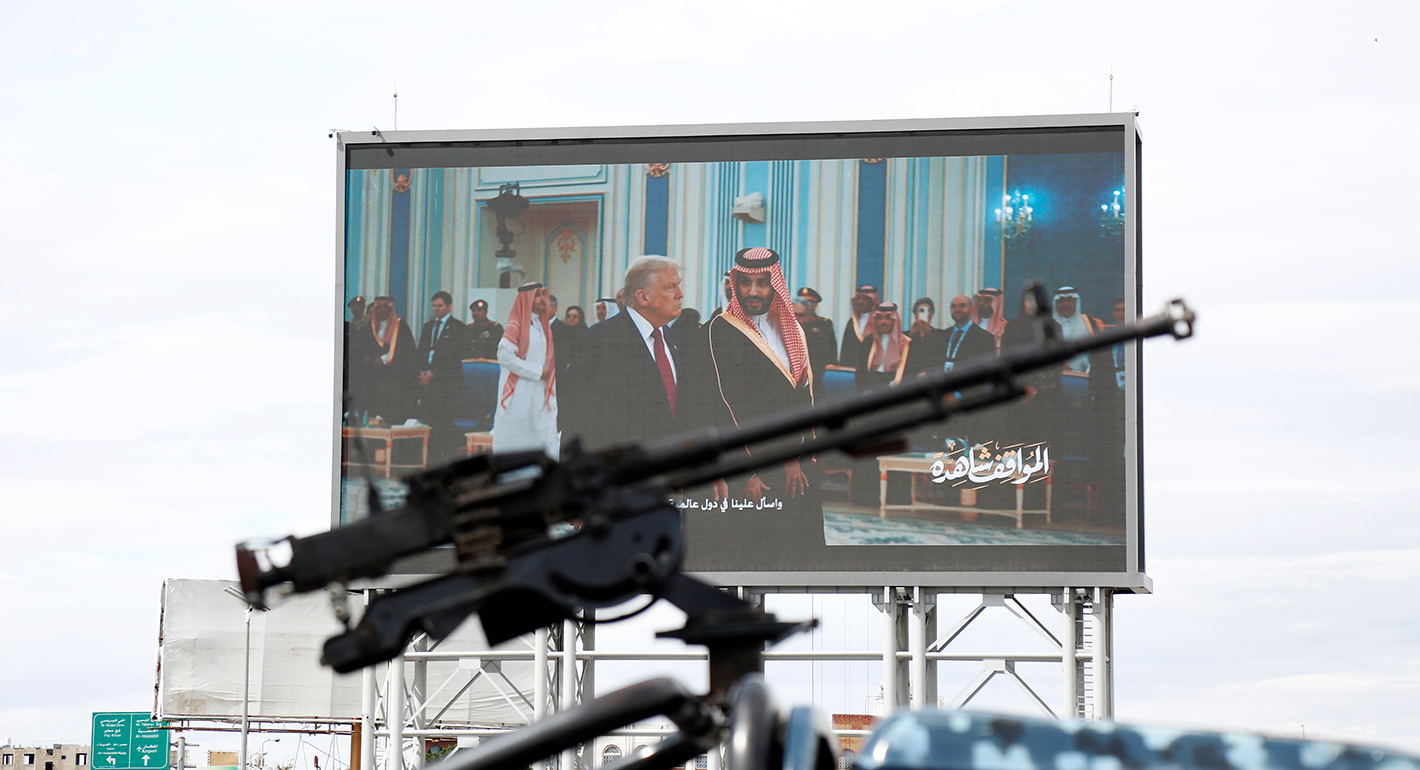
As the war between the United States, Israel, and Iran continues, Carnegie scholars contribute cutting-edge analysis on the events of the war and their wide-reaching implications. From the impact on Iran and its immediate neighbors to the responses from Gulf states to fuel and fertilizer shortages caused by the effective shutdown of the Strait of Hormuz, the war is reshaping Middle East alliances and creating shockwaves around the world. Carnegie experts analyze it all.
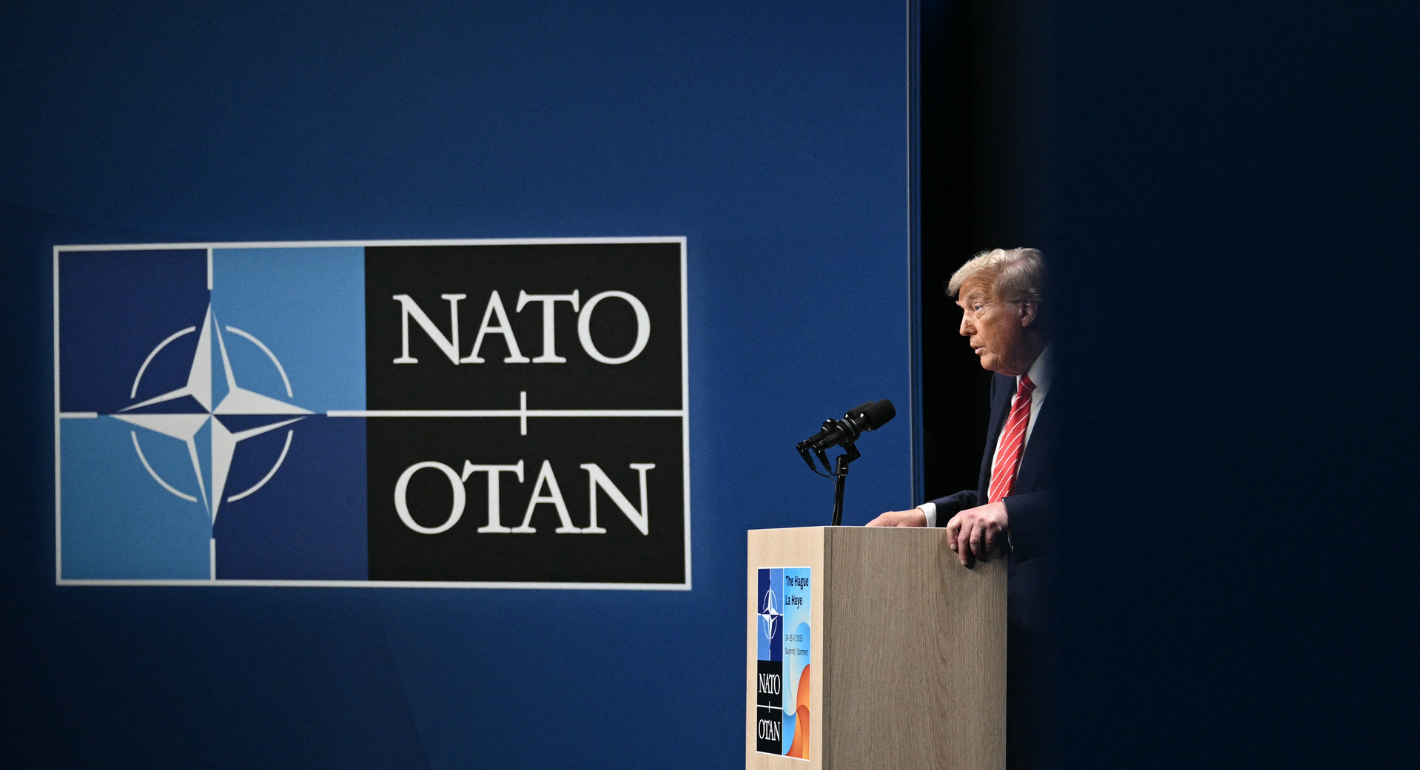
Donald Trump has repeatedly bashed NATO and European allies, threatening to annex Canada and Greenland and deploring their lack of enthusiasm for his war of choice in Iran. Is this latest round of abuse the final straw?

Rym Momtaz, ed.
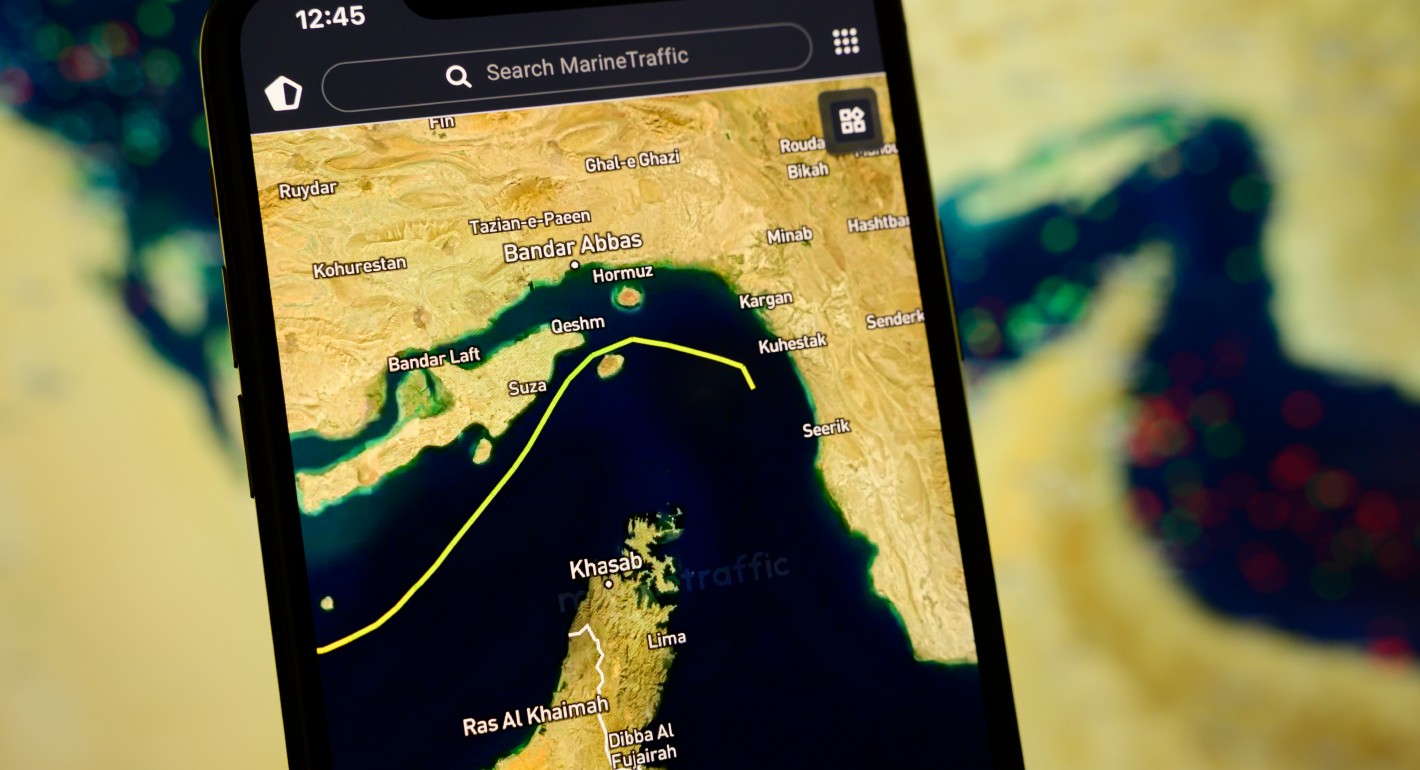
Why the Iran ceasefire isn’t a quick fix to the Strait of Hormuz energy crisis.


Helima Croft, Aaron David Miller
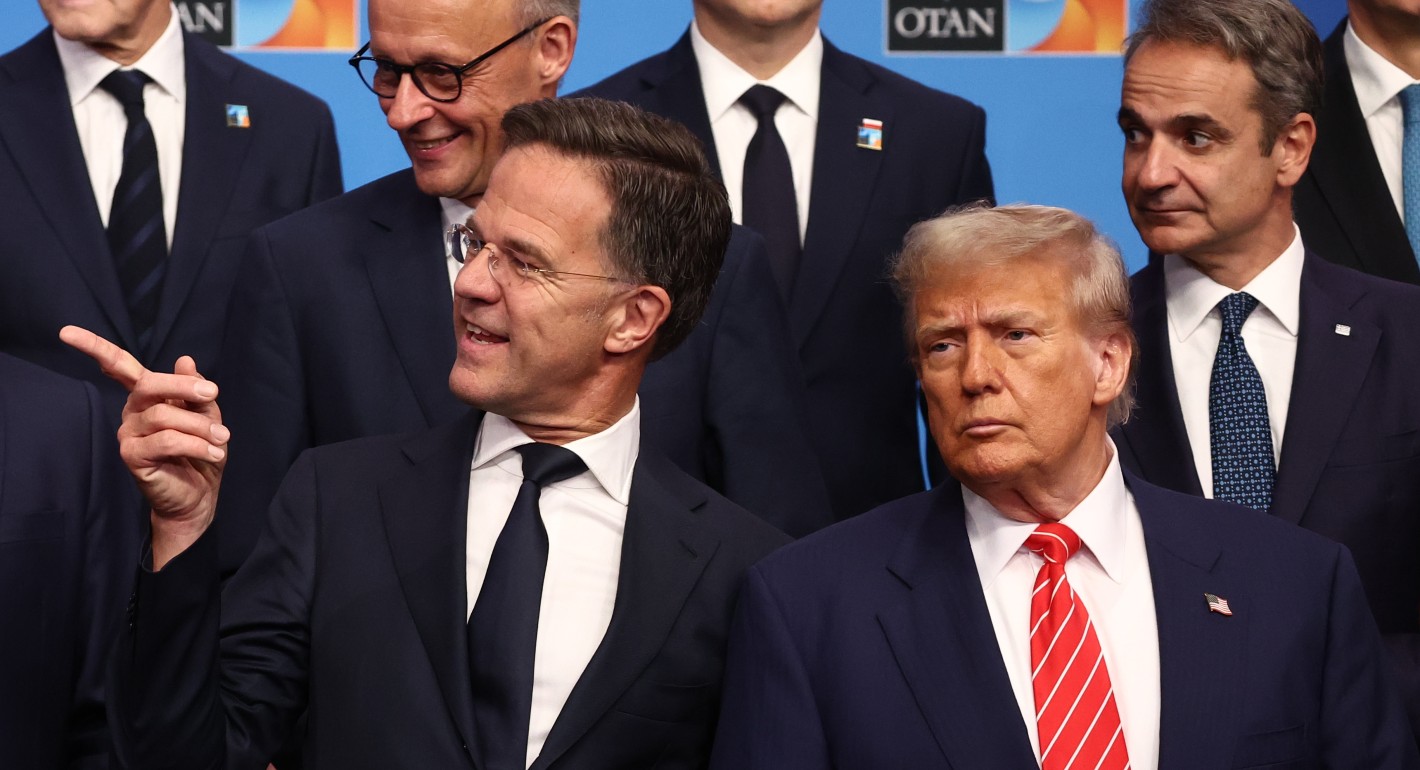
The Greenland crisis taught Europe to push back against Washington. In Iran, it must learn how to engage without falling in line.

Sophia Besch
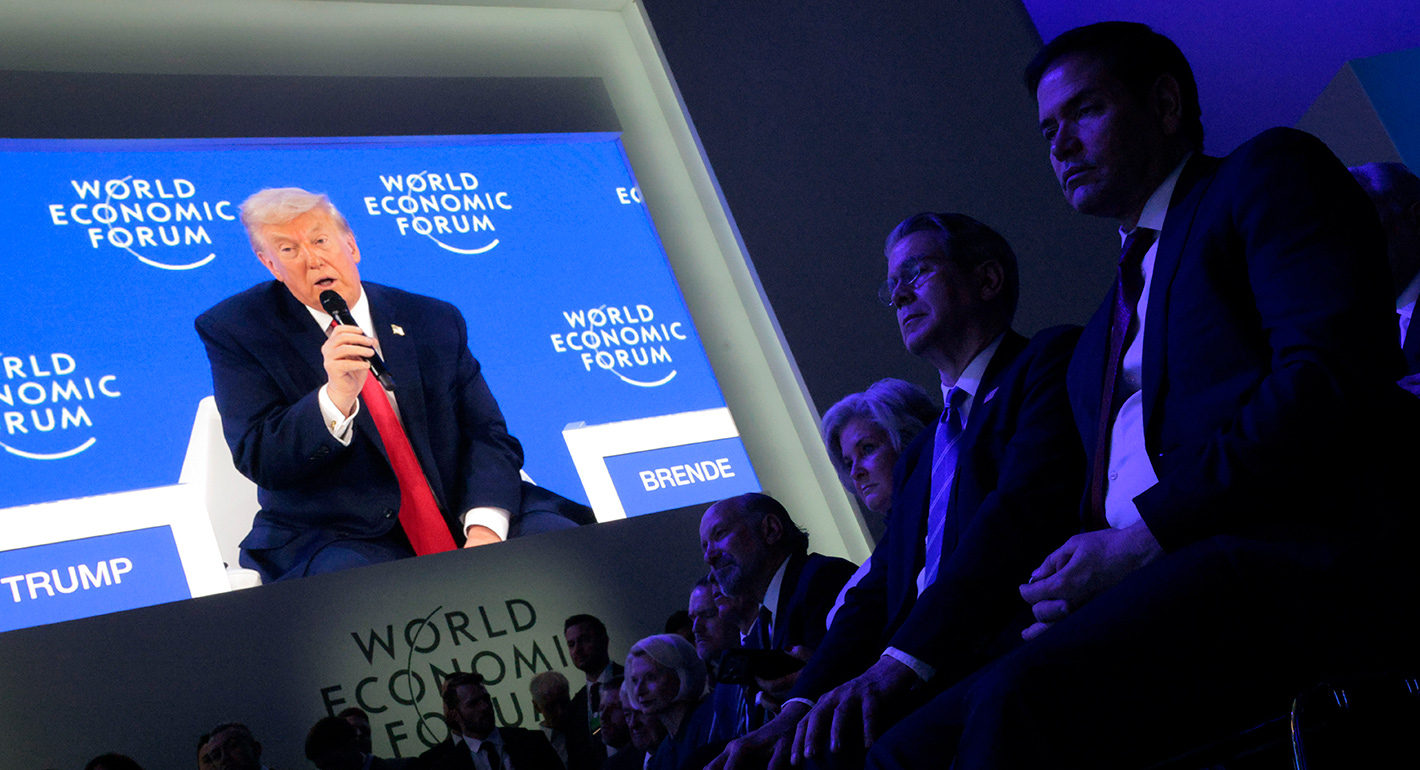
The behaviors, public statements, and policies of Donald Trump’s administration have perverted America’s strategic posture toward Europe.

Dan Baer, Erik Brown