

Article
Henri J. Barkey
{
  "authors": [
    "Henri J. Barkey"
  ],
  "type": "legacyinthemedia",
  "centerAffiliationAll": "dc",
  "centers": [
    "Carnegie Endowment for International Peace",
    "Carnegie Europe",
    "Malcolm H. Kerr Carnegie Middle East Center"
  ],
  "collections": [
    "Turkey’s Transformation"
  ],
  "englishNewsletterAll": "menaTransitions",
  "nonEnglishNewsletterAll": "",
  "primaryCenter": "Carnegie Endowment for International Peace",
  "programAffiliation": "MEP",
  "programs": [
    "Middle East"
  ],
  "projects": [],
  "regions": [
    "Middle East",
    "Türkiye",
    "Egypt",
    "Gulf",
    "Levant",
    "Europe"
  ],
  "topics": [
    "Security"
  ]
}
Source: Getty
Turkey is one of the most economically and politically powerful states in the Middle East and it has recently been taking steps to fill the leadership vacuum that exists in the region.
Source: Al Jazeera's Inside Story
During the end of the Bush administration, Turkey began to position itself to fill the leadership vacuum in the Middle East. Turkey is one of the most economically and politically powerful states in the region. Its government brokered negotiations between the Syrians and the Israelis. Yet while those negotiations demonstrate the strength of Turkey’s ambitions, Carnegie’s Henri Barkey suggested that “the importance of these negotiations should not be exaggerated;” no real deal could have been made without U.S. involvement and approval.
Addressing concerns that the United States and Turkey are becoming increasingly estranged, Barkey asserted that “the big problem between the United States and Turkey is Iran; everything else is just a sideshow.” Ultimately, he concluded, the Turks and Americans remain important allies and will continue to cooperate on the multitude of regional issues where their interests coincide.

Former Visiting Scholar, Middle East Program
Barkey served as a member of the U.S. State Department Policy Planning Staff, working primarily on issues related to the Middle East, the Eastern Mediterranean, and intelligence from 1998 to 2000.
Recent Work
Henri J. Barkey
Henri J. Barkey

A summer of escalation in the Black Sea has hurt Ukraine economically and is exacerbating world food security. A truce is needed—as is a broader reframing of Europe’s Ukraine strategy.

Thomas de Waal

As the U.S. stumbles in its war with Iran, we are likely to see an acceleration of its disengagement from the region.

Michael Young
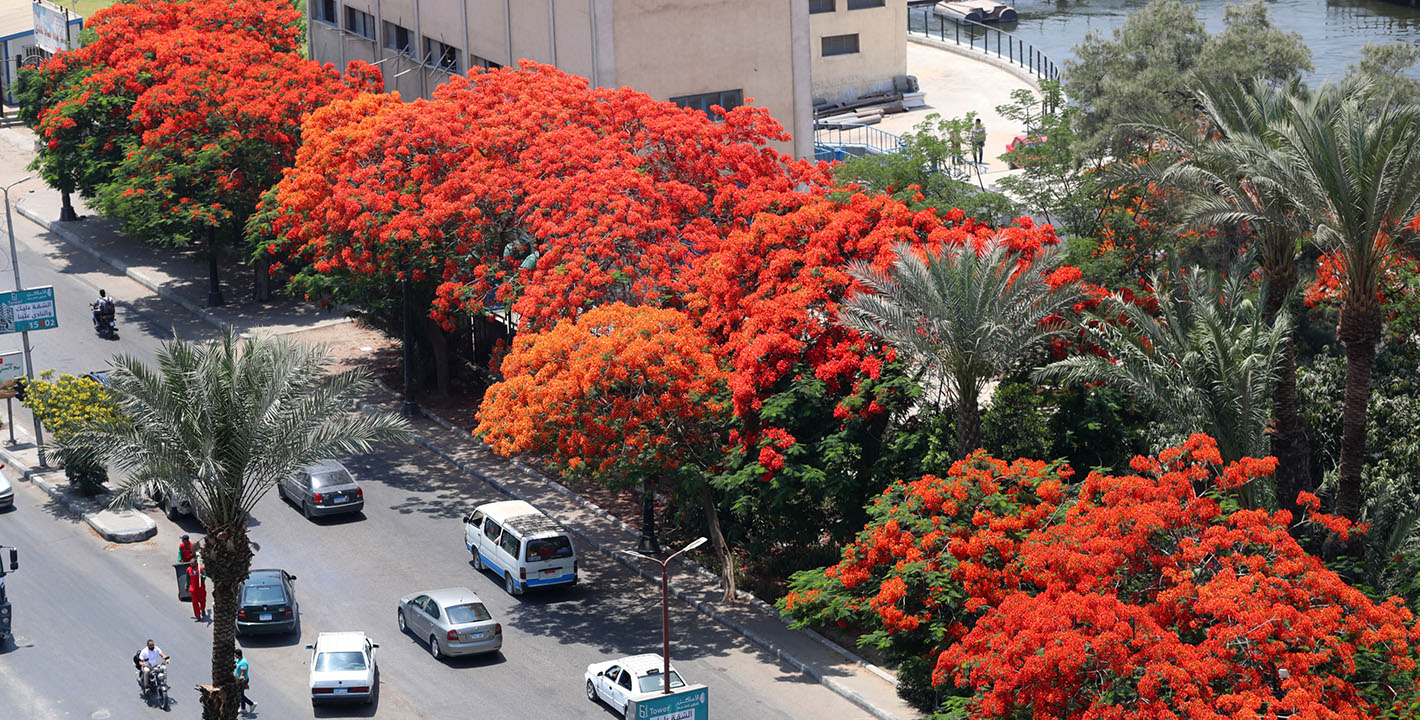
In Egypt’s dense cities, the disappearance of foliage has health implications and punishes daily commuters.

Angie Omar

If the Russian-speaking community in Latvia cannot articulate their interests without being seen as disloyal, they could end up embracing a pro-Kremlin agenda.

Sergejs Potapkins
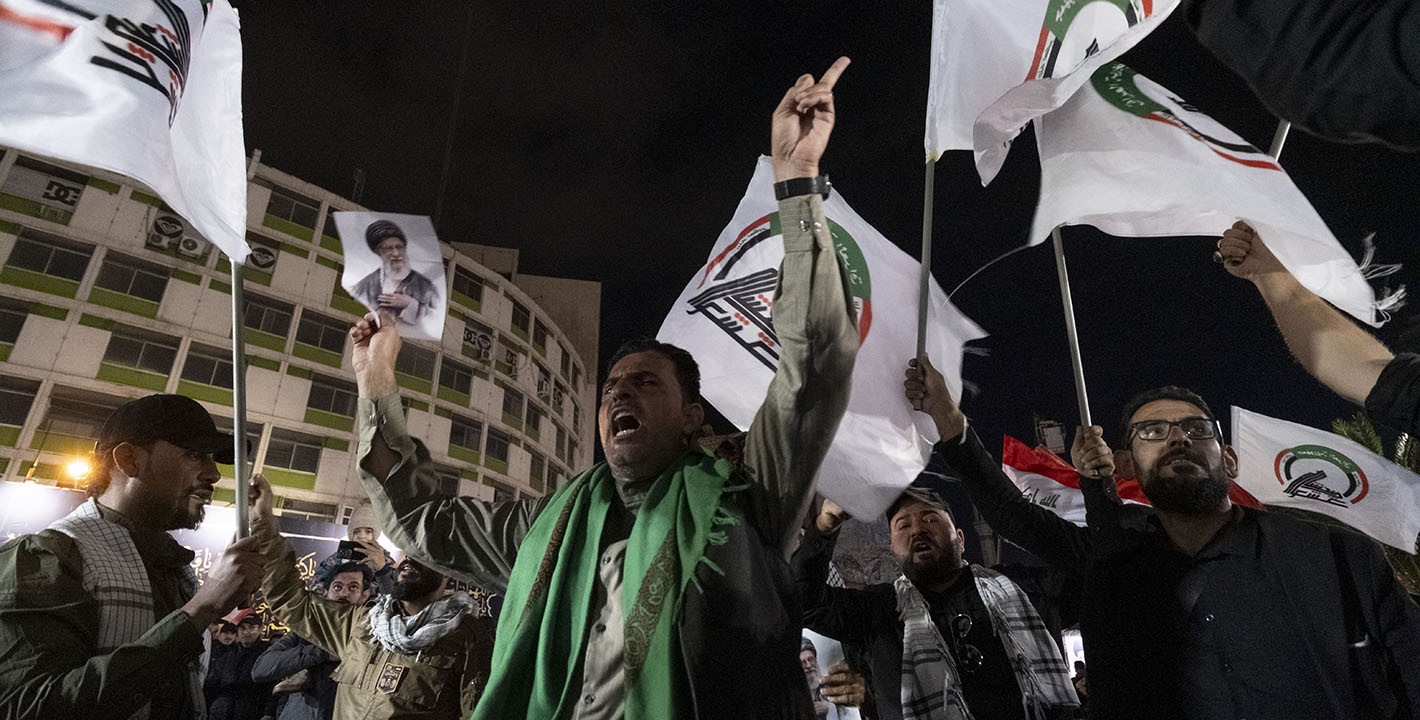
The Zaidi government’s objective to collect weapons is constrained by regional conflict, but it can take certain measures at home.
Ali Al-Mawlawi