Commentary
Yukon Huang, Isaac B. Kardon, Matt Sheehan
{
  "authors": [
    "Yukon Huang"
  ],
  "type": "legacyinthemedia",
  "centerAffiliationAll": "dc",
  "centers": [
    "Carnegie Endowment for International Peace",
    "Carnegie Europe",
    "Carnegie China"
  ],
  "collections": [],
  "englishNewsletterAll": "asia",
  "nonEnglishNewsletterAll": "",
  "primaryCenter": "Carnegie China",
  "programAffiliation": "AP",
  "programs": [
    "Asia"
  ],
  "projects": [],
  "regions": [
    "East Asia",
    "China",
    "Asia"
  ],
  "topics": [
    "Economy",
    "Trade"
  ]
}
Source: Getty
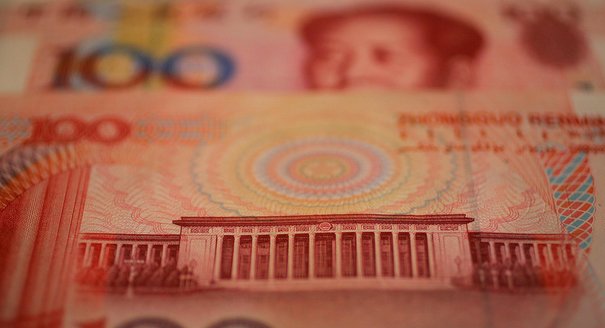
The collapse of the euro presents an opportunity for China to introduce greater exchange rate flexibility and let the renminbi depreciate, in order to prevent dangerous speculative capital inflows.
Source: Financial Times

Chinese authorities have been reluctant to let the exchange rate appreciate in response to global pressure because when markets are convinced the renminbi will rise - even gradually - in value over the foreseeable future the rise will encourage speculative capital inflows. Over the past decade, perhaps 20-40 per cent of the annual capital inflows have been "hot money" pursuing the likelihood that the currency would appreciate steadily or in measured steps. Such inflows intensify pressure for further appreciation and create negative results with which China is already struggling.
Damaging consequences include excess liquidity and lower than desired interest rates that help push up investment to unsustainable levels and raise the prospect of a collapse in asset values. Housing prices are clearly inflated and demand grows unabated. Rents are stagnant. Apartments remain empty as owners wait to "flip" their holdings. With these concerns, China should not encourage one-way bets on the exchange rate.
There are two problems with the exchange rate: the value of the renminbi and its flexibility. Despite conventional wisdom, it is actually more important to tackle the latter first, rather than fretting about the former. China and the rest of the world have more to gain from Beijing adopting a flexible exchange rate.
The renminbi has been pegged to the US dollar for nearly two years and since November the euro has fallen nearly 20 per cent against the renminbi. Given the importance of the European market to China - and east Asia - the renminbi's appreciation relative to the euro provides China with an opening to begin allowing the renminbi to fluctuate within a wider band. Chinese officials have indicated they would allow this. Initially, the renminbi could depreciate a few percentage points relative to the dollar before going up, due to the temporary turbulence in the eurozone.
China's key objective should be to move to a more flexible exchange rate system that does not have any preordained bias in moving up or down. When China broke the fixed peg to the dollar in 2005, it embarked on a steady but gradual appreciation of the renminbi until August 2008 when the renminbi was repegged to the dollar.
During this period, the unspoken rule was that the rate of appreciation would not exceed 6-7 per cent a year. Anything more than 7 per cent would encourage excessive capital inflows as investors would be guaranteed an attractive return after allowing for differentials in interest rates between financial centres and the costs of transactions. Even with an appreciation of about 20 per cent over these three years, the inflows continued and pressures to appreciate did not fade.
With pressures building over the last two years, market watchers are speculating that the needed adjustment is much larger than a gradual appreciation of 6-7 per cent. Still, the government remains adamantly against any major or sudden adjustments and reluctant to embark once again on a gradual appreciation in one direction that would not necessarily solve the problem - and, in fact, could make it worse.
The question remains: if the market determined the value of the renminbi, would it be higher or lower in five years? It is widely believed the currency would appreciate due to persistent trade surpluses and China's abundant foreign reserves. But China's competitiveness is already eroding as inflation accelerates, pressures for increases in wages mount, and property values rise. Perhaps the most challenging aspect for the government is the pressure on labour markets as seen in the strikes in the south, which partly reflect the unwillingness of the newer generation of migrants to relocate as equally attractive opportunities nearer to home emerge.
Most Chinese households and companies find it difficult to move funds abroad given capital controls. Many have yet to consider that owning property abroad could be more attractive. But with greater flexibility in transferring funds, the Chinese will diversify their holdings more quickly by shifting capital abroad. Prudently diversifying assets could mean the renminbi will weaken over time on a "market basis". Its value in the next few years is anyone's guess - the way it should be.

Senior Fellow, Asia Program
Huang is a senior fellow in the Carnegie Asia Program where his research focuses on China’s economy and its regional and global impact.
Recent Work


Yukon Huang, Isaac B. Kardon, Matt Sheehan
Yukon Huang, Genevieve Slosberg
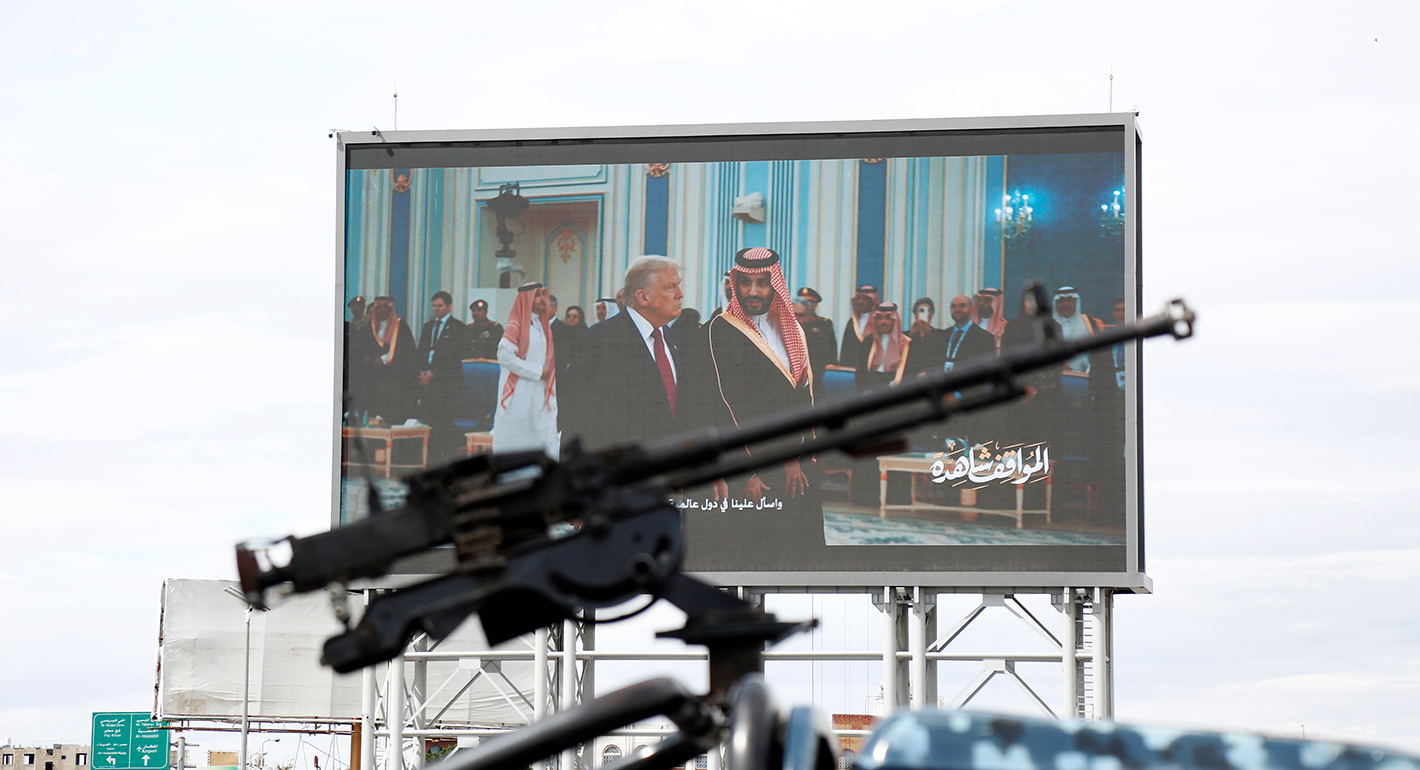
As the war between the United States, Israel, and Iran continues, Carnegie scholars contribute cutting-edge analysis on the events of the war and their wide-reaching implications. From the impact on Iran and its immediate neighbors to the responses from Gulf states to fuel and fertilizer shortages caused by the effective shutdown of the Strait of Hormuz, the war is reshaping Middle East alliances and creating shockwaves around the world. Carnegie experts analyze it all.

Why the Iran ceasefire isn’t a quick fix to the Strait of Hormuz energy crisis.


Helima Croft, Aaron David Miller

Across Asia, China is better positioned to withstand energy shocks from the fallout of the Iran war. Its abundant coal capacity can ensure stability in the near term. Yet at the same time, the country’s energy transition away from coal will make it even less vulnerable during the next shock.

Damien Ma
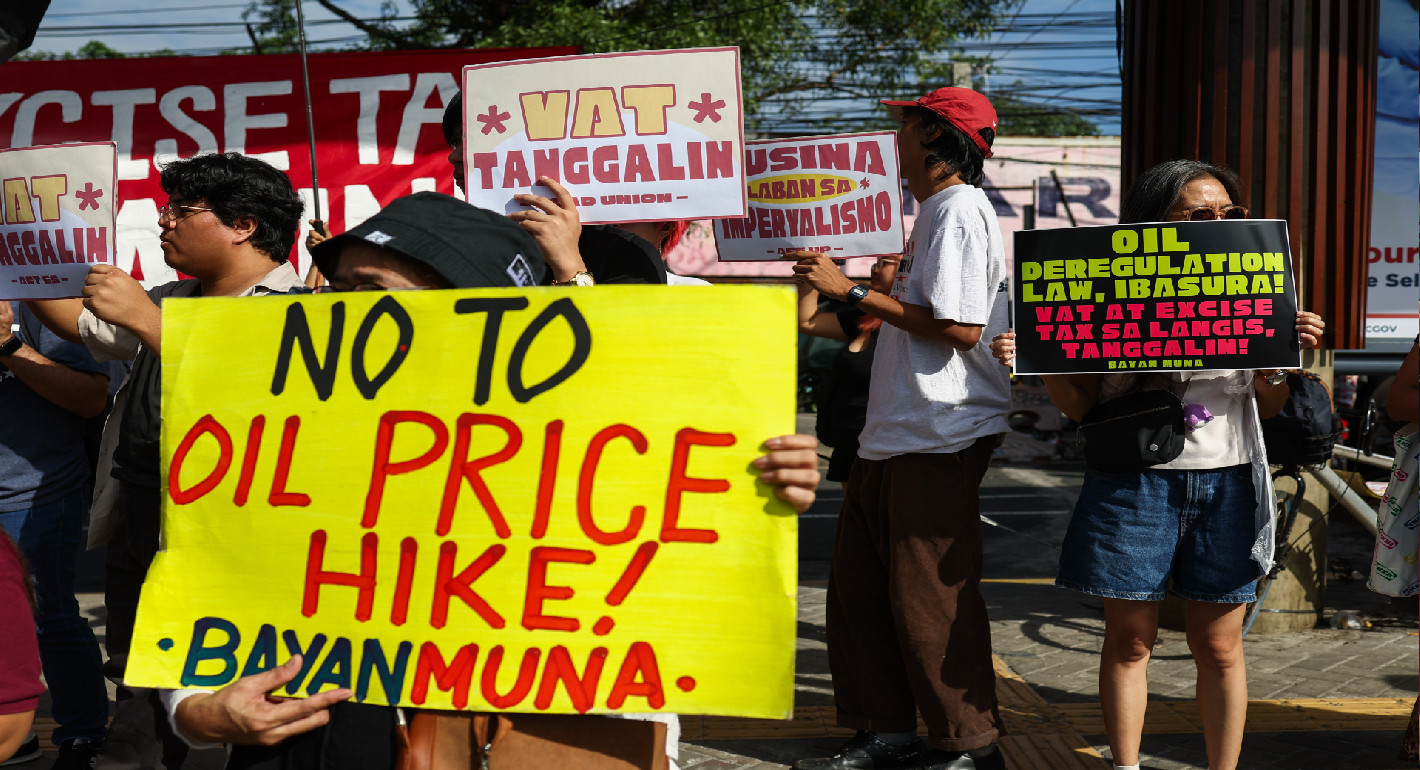
There is no better time for the countries of Southeast Asia to reconsider their energy security than during this latest crisis.

Gita Wirjawan
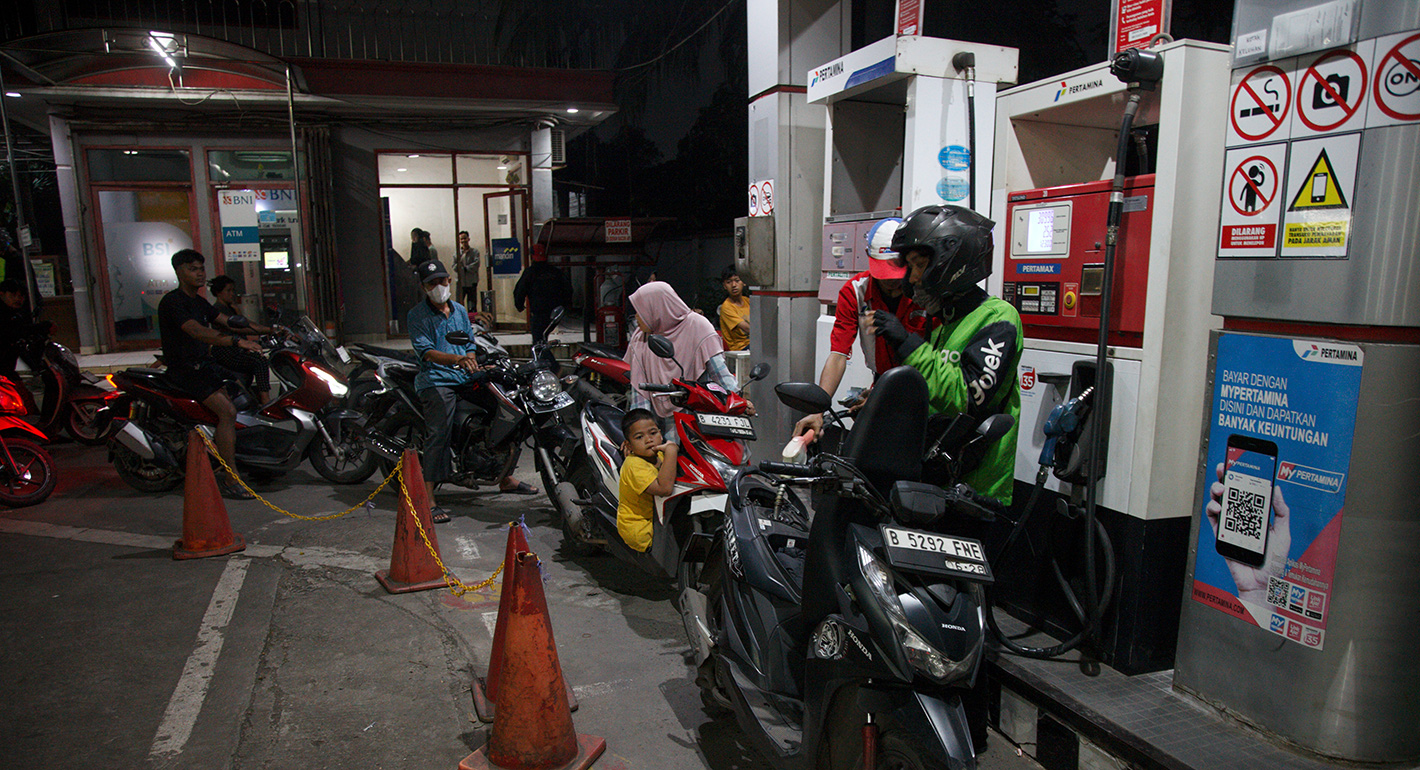
As conflict in the Middle East drives up fuel costs across Asia, Indonesia faces difficult policy trade-offs over subsidies, inflation, and fiscal credibility. President Prabowo’s personalized governance style may make these hard choices even harder to navigate.

Sana Jaffrey