

Article
Economic recovery has brought Sri Lanka a modicum of stability, but domestic strains and great-power rivalry could test how long it lasts.
Avinash Paliwal
{
  "authors": [],
  "type": "pressRelease",
  "centerAffiliationAll": "dc",
  "centers": [
    "Carnegie Endowment for International Peace"
  ],
  "collections": [],
  "englishNewsletterAll": "ctw",
  "nonEnglishNewsletterAll": "",
  "primaryCenter": "Carnegie Endowment for International Peace",
  "programAffiliation": "SAP",
  "programs": [
    "South Asia"
  ],
  "projects": [],
  "regions": [
    "South Asia",
    "Pakistan"
  ],
  "topics": []
}
REQUIRED IMAGE
Unable to sustain solid growth, Pakistan’s economy is teetering on the brink of collapse, with one-third of the population living below the poverty line. S. Akbar Zaidi writes that without tax reform, Pakistan will continue to run an unsustainable debt and be forced to rely on Western donors for bailouts.
WASHINGTON, September 15—Unable to sustain solid growth, Pakistan’s economy is teetering on the brink of collapse, with one-third of the population living below the poverty line. S. Akbar Zaidi writes in a new brief that Pakistan’s economic instability stems in large part from low government revenue due to the elite’s use of tax evasions, loopholes, and exemptions. Without tax reform, Pakistan will continue to run an unsustainable debt and be forced to rely on Western donors for bailouts.
“Pakistan’s lack of a proper tax and revenue regime has resulted in high rates of tax evasion, burdening the country with unsustainable debt and undermining its development priorities,” writes Zaidi. “The key to the country’s economic prosperity—even its survival—is a far-reaching program of tax reform.”
Carnegie does not take institutional positions on public policy issues; the views represented herein are those of the author(s) and do not necessarily reflect the views of Carnegie, its staff, or its trustees.
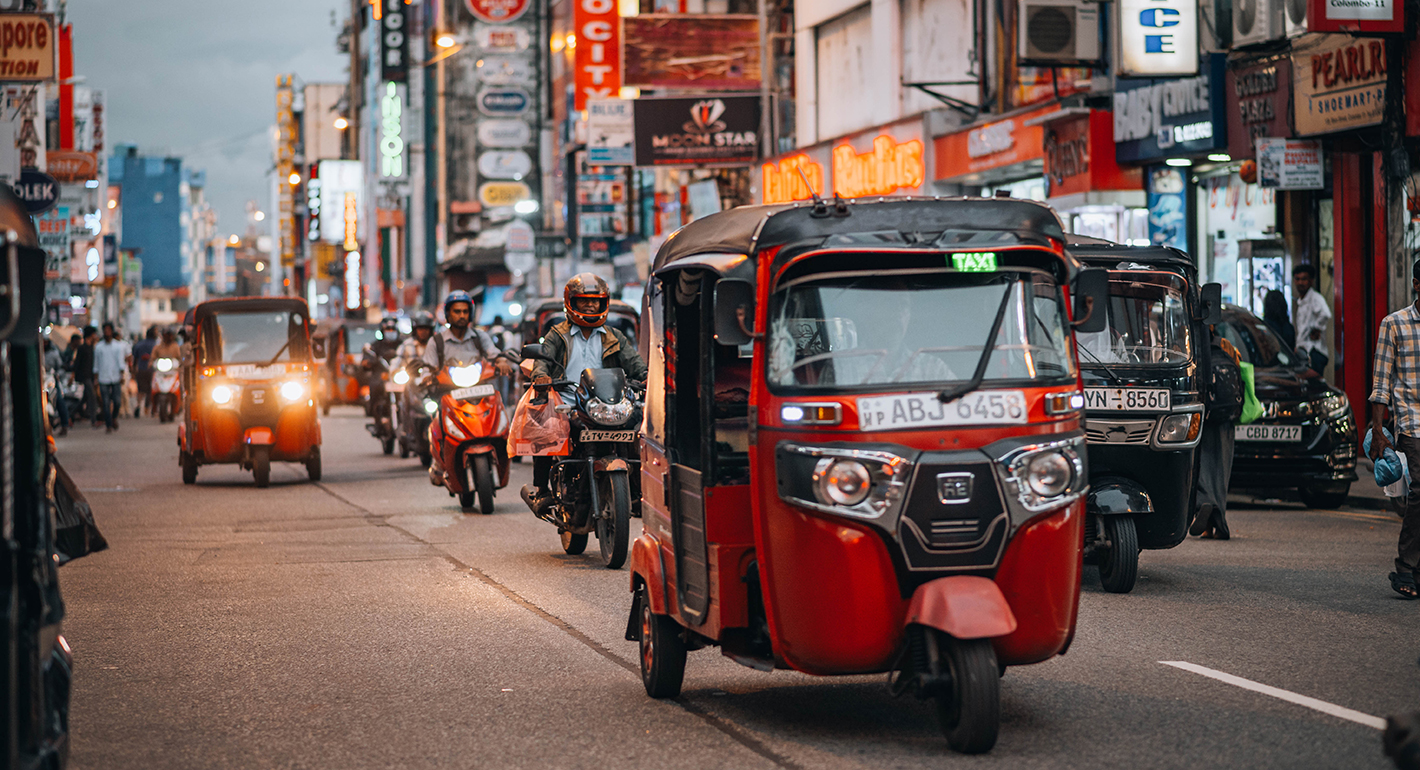
Economic recovery has brought Sri Lanka a modicum of stability, but domestic strains and great-power rivalry could test how long it lasts.
Avinash Paliwal
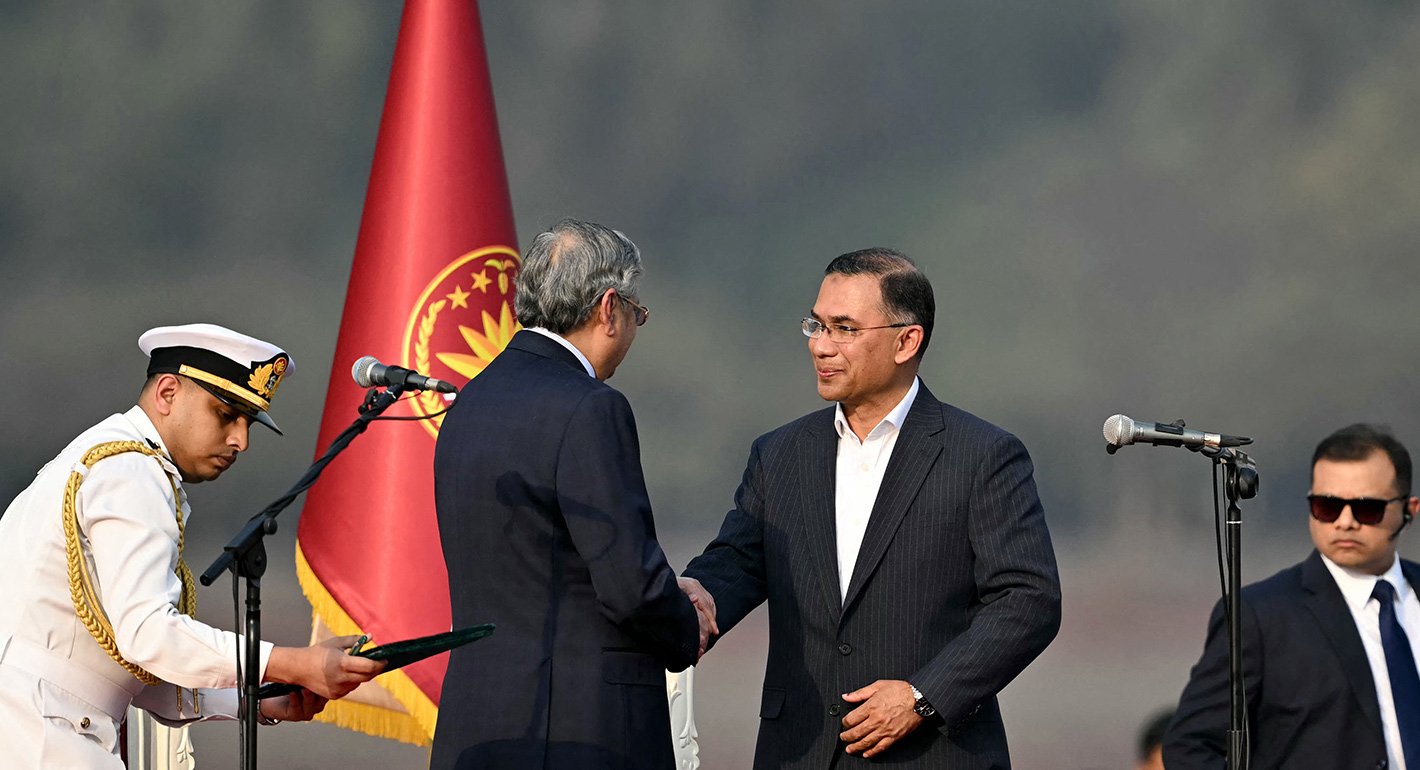
Bangladesh’s February 2026 elections were the most credible in nearly two decades. But within weeks of the BNP’s return to power, the fundamental characteristics of the country’s political economy threaten to pull it back toward continuity rather than change.
Avinash Paliwal
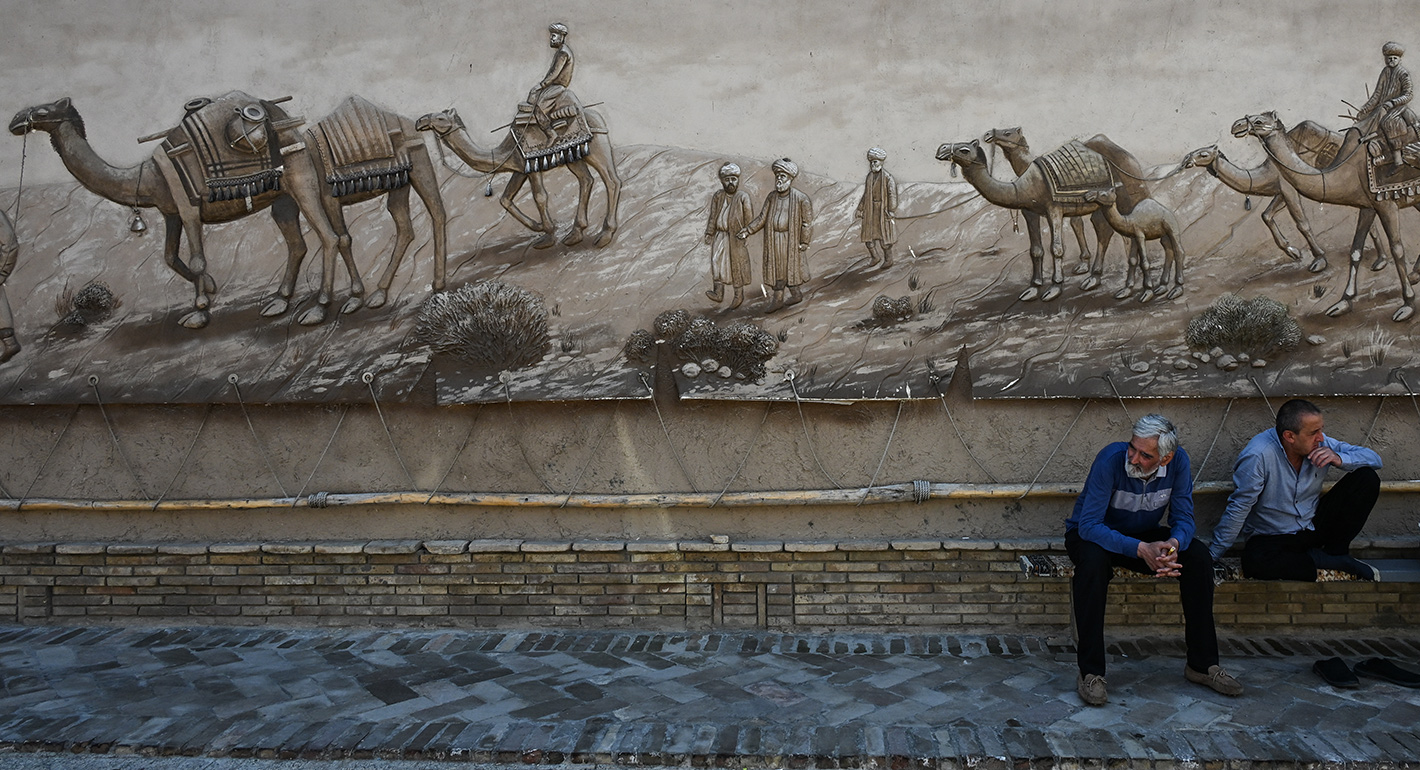
“Central Asia” as an analytical category is itself part of the problem. The term is a Soviet administrative inheritance, drawn along lines that served the convenience of Moscow. The Central Asian states the Soviets named no longer see themselves through this category alone and are not aligning across political blocs but are instead building external partnerships sector by sector, assigning different partners to different functions.

Jennifer B. Murtazashvili
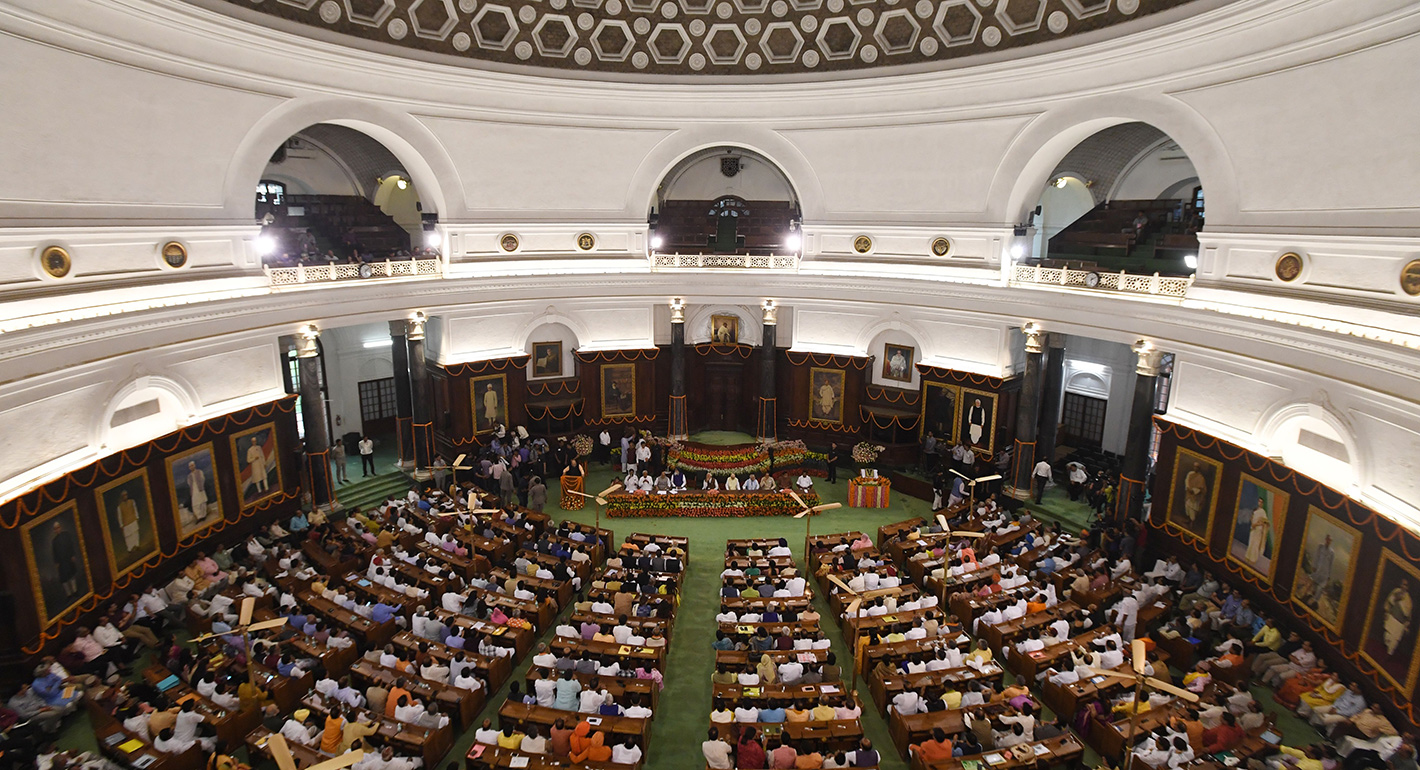
The battle over representation and regional power has been delayed—not resolved—and will shape the future of India’s federal balance.



Louise Tillin, Milan Vaishnav, Andy Robaina
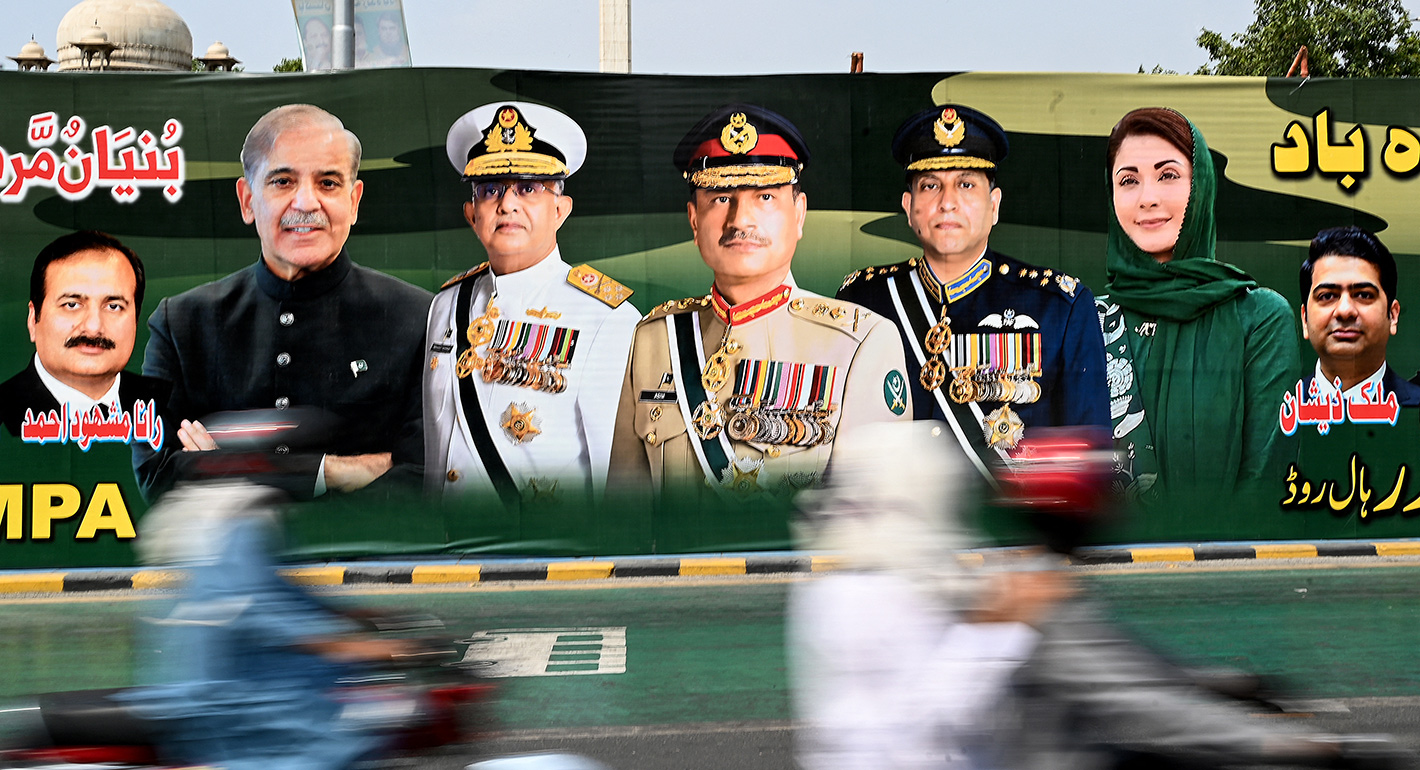
The regime bets that international legitimacy can be translated into domestic stability. But that depends upon whether it can leverage international goodwill to manage grievances and the economy at home.

Zoha Waseem, Yasser Kureshi