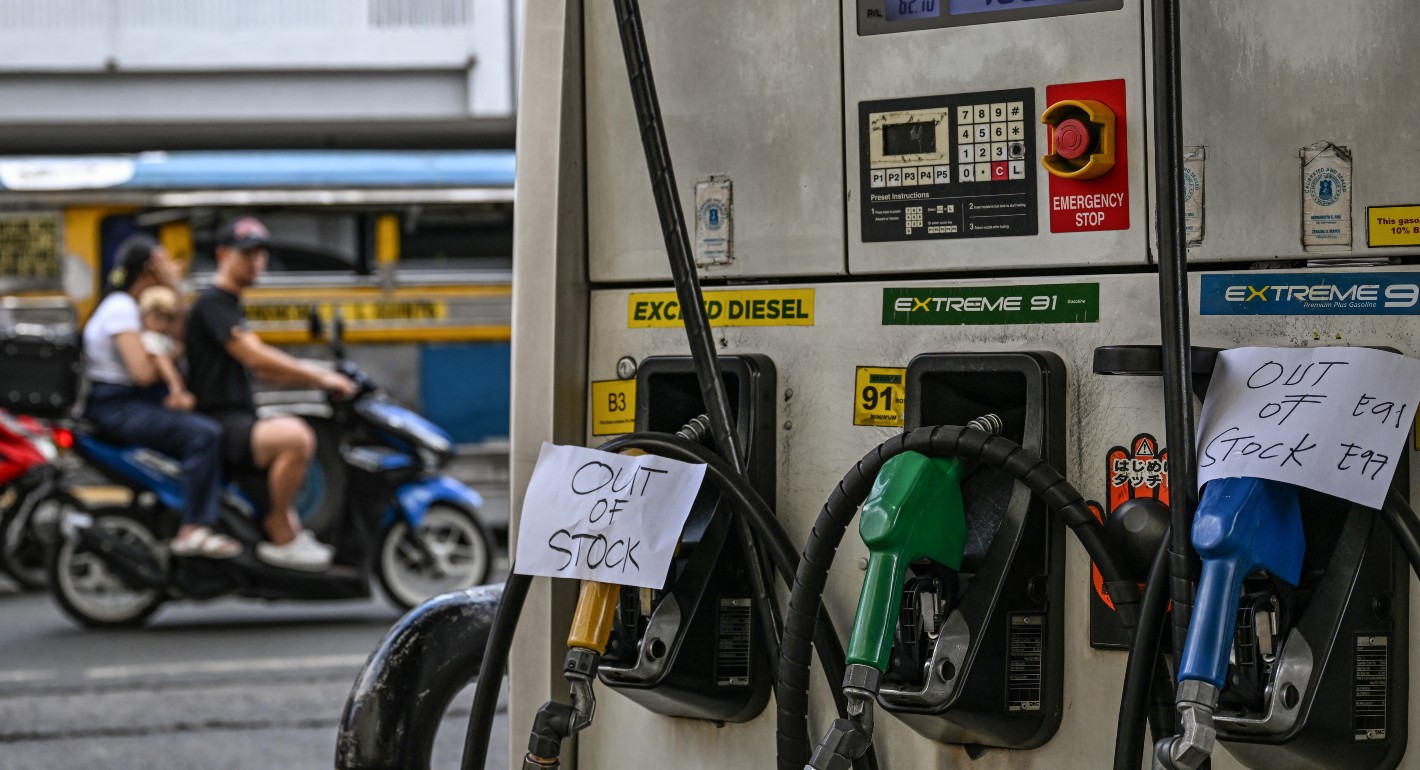
Commentary
Four Middle East experts analyze the region’s reactions and next steps.
- +1
Amr Hamzawy, Andrew Leber, Eric Lob, …
{
  "authors": [],
  "type": "pressRelease",
  "centerAffiliationAll": "dc",
  "centers": [
    "Carnegie Endowment for International Peace"
  ],
  "collections": [],
  "englishNewsletterAll": "ctw",
  "nonEnglishNewsletterAll": "",
  "primaryCenter": "Carnegie Endowment for International Peace",
  "programAffiliation": "russia",
  "programs": [
    "Russia and Eurasia"
  ],
  "projects": [],
  "regions": [
    "Middle East",
    "Türkiye",
    "Caucasus",
    "Armenia"
  ],
  "topics": []
}
REQUIRED IMAGE
In 2009, Armenia and Turkey began a historic rapprochement and signed two protocols on normalizing their relations. Unfortunately, the process stalled in April 2010. In an updated policy brief, Thomas de Waal argues that the protocols—the most positive initiative in the South Caucasus for many years—must be kept alive as the process still has the potential to transform the region.
WASHINGTON, October 6—One year ago, Armenia and Turkey began a historic rapprochement and signed two protocols on normalizing their relations. Unfortunately, the process stalled in April. In an updated policy brief, Thomas de Waal argues that the protocols—the most positive initiative in the South Caucasus for many years—must be kept alive as the process still has the potential to transform the region.
Key Conclusions:
“If the process is to get back on track, all involved parties, including the United States, should set their sights on longer-term goals several years hence and ‘make haste slowly’ toward them,” de Waal writes. ”The centenary of the Armenian tragedy in 2015 is a good reference point by which to set the goal of full Armenian-Turkish normalization.”
NOTES
Click here to read the full brief
Thomas de Waal is a senior associate in the Russia and Eurasia Program at the Carnegie Endowment, specializing primarily in the South Caucasus region comprising Armenia, Azerbaijan, and Georgia and their breakaway territories, as well as the wider Black Sea region. His latest book, The Caucasus: An Introduction (Oxford University Press, 2010), provides a timely account of this turbulent region. He is also the author of the authoritative book on the Karabakh conflict, Black Garden: Armenia and Azerbaijan Through Peace and War (NYU Press, 2003).
The Carnegie Russia and Eurasia Program has, since the end of the Cold War, led the field on Eurasian security, including strategic nuclear weapons and nonproliferation, development, economic and social issues, governance, and the rule of law.
Press Contact: Kendra Galante, 202-939-2289, pressoffice@ceip.org
Carnegie does not take institutional positions on public policy issues; the views represented herein are those of the author(s) and do not necessarily reflect the views of Carnegie, its staff, or its trustees.
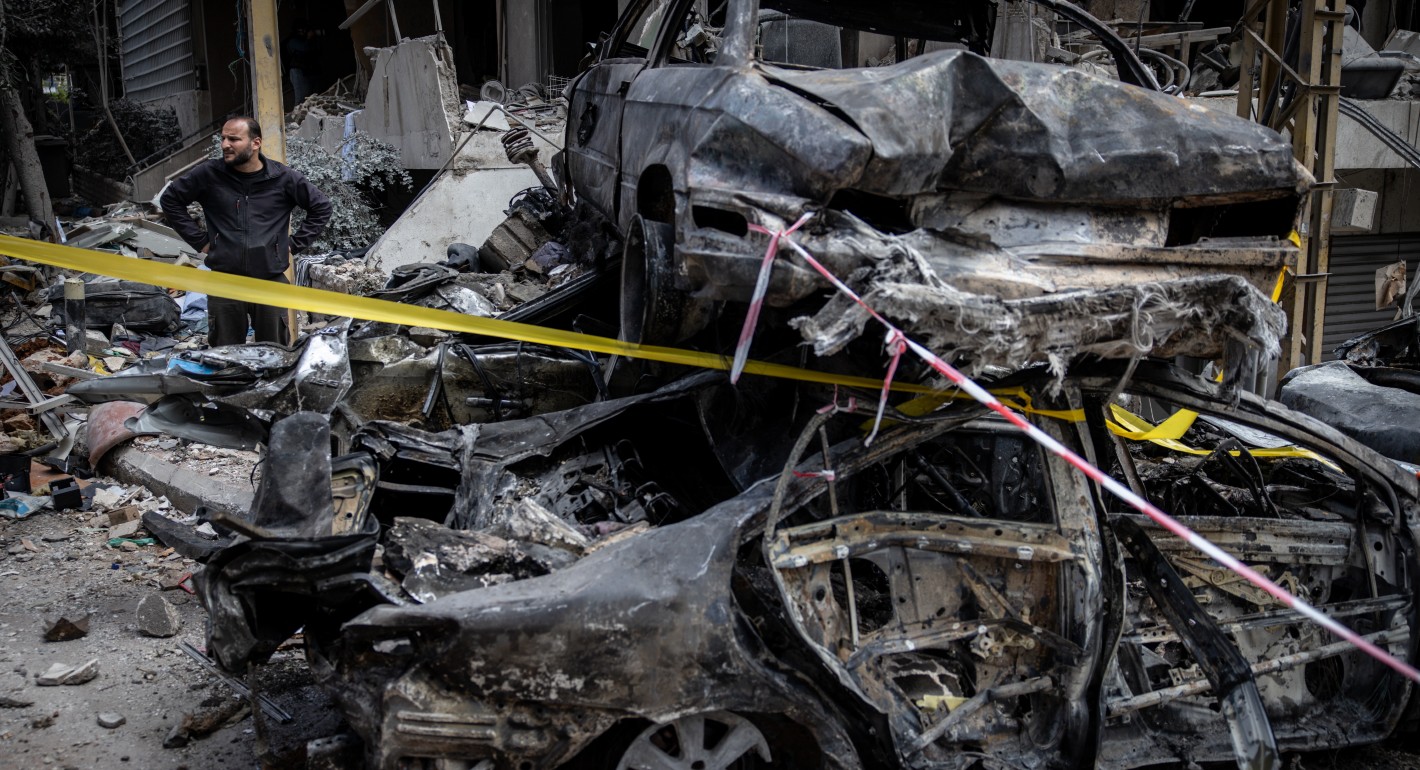
Four Middle East experts analyze the region’s reactions and next steps.



Amr Hamzawy, Andrew Leber, Eric Lob, …
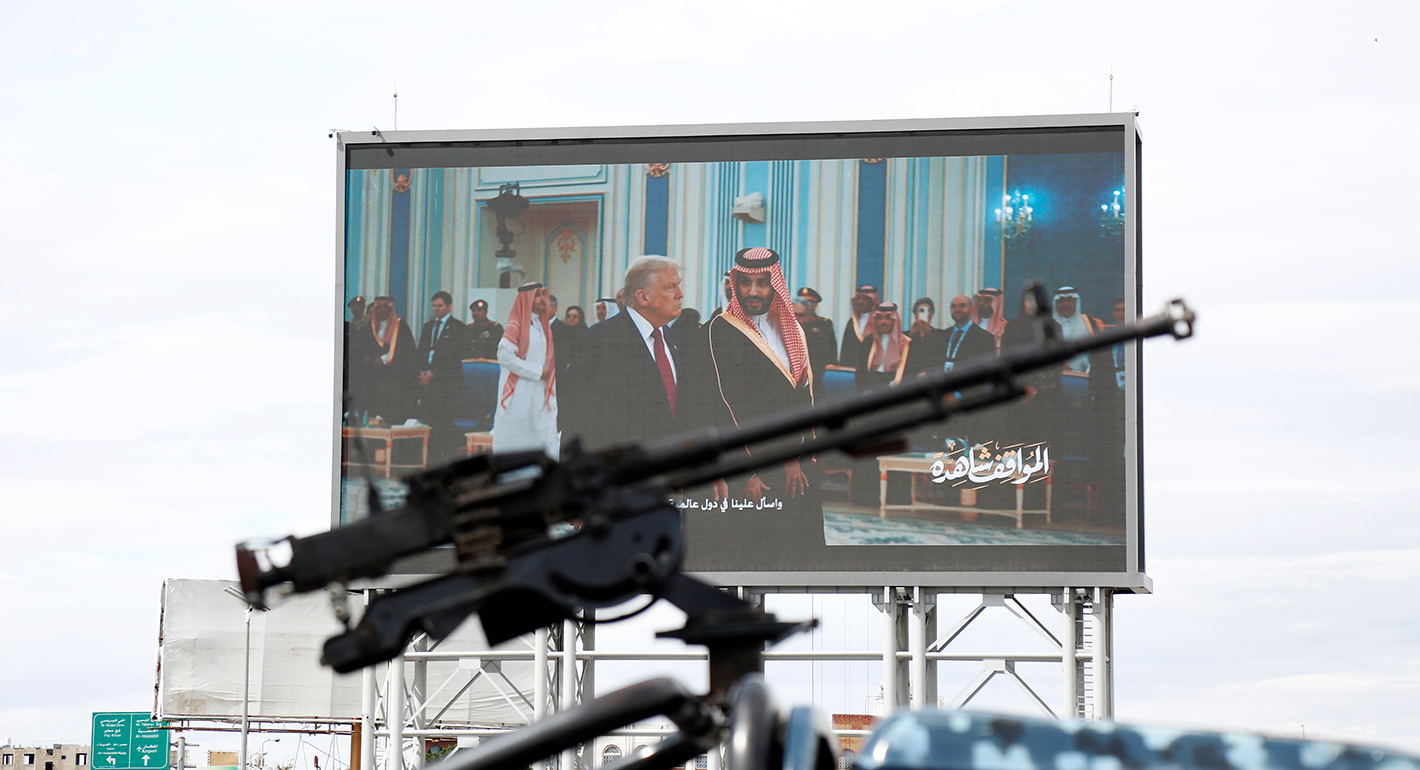
As the war between the United States, Israel, and Iran continues, Carnegie scholars contribute cutting-edge analysis on the events of the war and their wide-reaching implications. From the impact on Iran and its immediate neighbors to the responses from Gulf states to fuel and fertilizer shortages caused by the effective shutdown of the Strait of Hormuz, the war is reshaping Middle East alliances and creating shockwaves around the world. Carnegie experts analyze it all.
The return of war as the organizing factor in Middle Eastern politics has predictable consequences: governments are prioritizing regime stability and becoming averse to political and social reform.

Sarah Yerkes, Amr Hamzawy
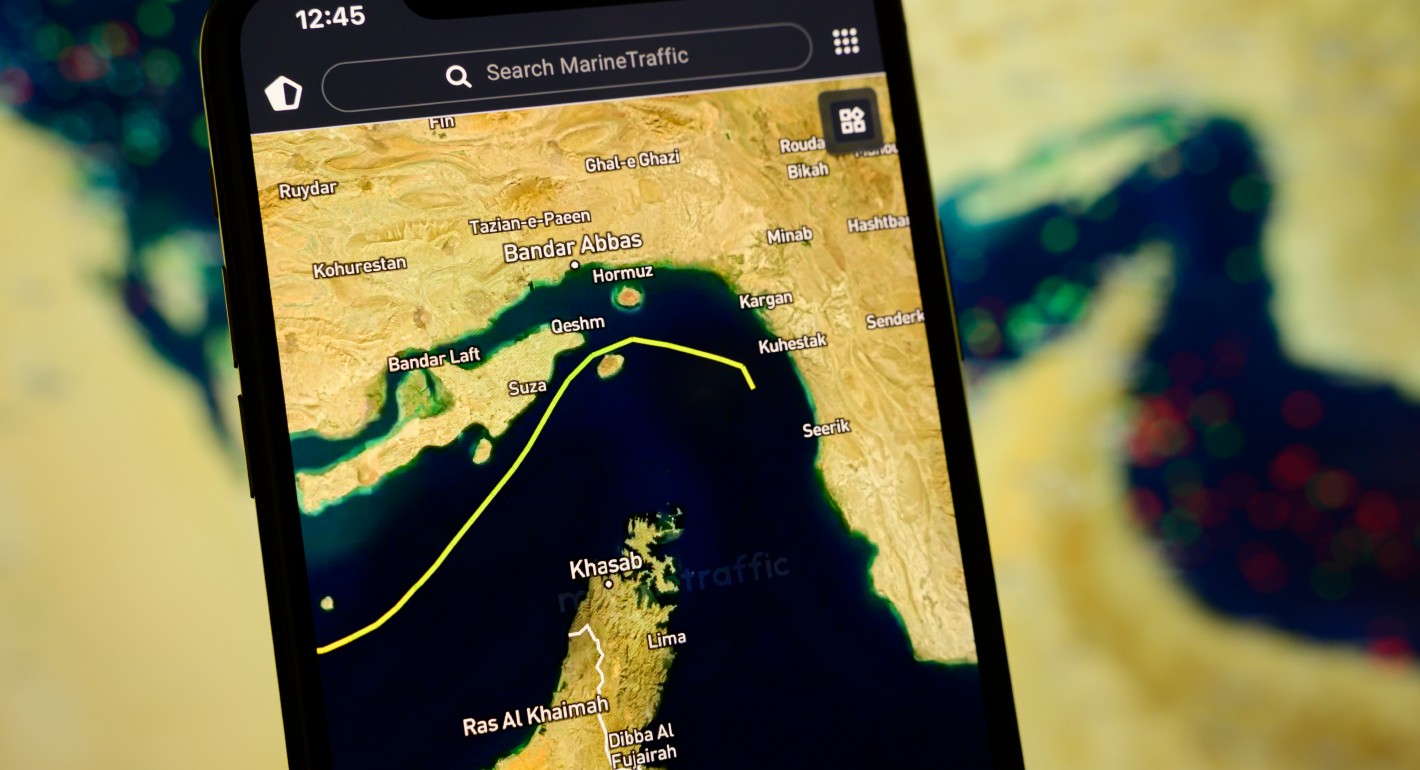
Why the Iran ceasefire isn’t a quick fix to the Strait of Hormuz energy crisis.


Helima Croft, Aaron David Miller
Not only does the fighting jeopardize regional security, it undermines Russian attempts to promote alternatives to the Western-dominated world order.

Ruslan Suleymanov