

Commentary
Despite having the resources and expertise, the Russian space industry missed the opportunity to offer the United States or China a mutually rewarding partnership in the lunar race.
Georgy Trishkin
{
  "authors": [],
  "type": "pressRelease",
  "centerAffiliationAll": "dc",
  "centers": [
    "Carnegie Endowment for International Peace"
  ],
  "collections": [],
  "englishNewsletterAll": "ctw",
  "nonEnglishNewsletterAll": "",
  "primaryCenter": "Carnegie Endowment for International Peace",
  "programAffiliation": "NPP",
  "programs": [
    "Nuclear Policy"
  ],
  "projects": [],
  "regions": [
    "Russia",
    "Western Europe"
  ],
  "topics": [
    "Nuclear Policy"
  ]
}
REQUIRED IMAGE
With widening calls to move toward a world free of nuclear weapons, NATO’s nuclear policy will be high on the agenda during the Alliance’s November summit in Lisbon.
WASHINGTON—With widening calls to move toward a world free of nuclear weapons, NATO’s nuclear policy will be high on the agenda during the Alliance’s November summit in Lisbon. In a new paper, Detlef Waechter writes that NATO members should endorse the approach outlined by Secretary of State Clinton in April calling for NATO to retain its nuclear capability but begin an internal process of rethinking its nuclear posture. This modest but realistic course signals a commitment to defending member states while also demonstrating progress on arms control and disarmament.
Key Policy Recommendations:
Achieving a Europe free of nuclear weapons "requires considerable will to compromise on the part of the United States, which owns the tactical nuclear weapons in Europe as well as the strategic weapons systems," Waechter writes. "But the result—a European continent free of nuclear weapons, a NATO reconciled with Russia, and an Alliance free to tackle emerging security threats—would certainly make the effort worthwhile."
NOTES
Click here to read the policy outlook online
Detlef Waechter is a German diplomat and a visiting fellow at the Carnegie Endowment for International Peace. He served on Chancellor Angela Merkel’s foreign and security policy team in the Federal Chancellery from 2007–2010, and from 2005 to 2007 served in the German Permanent Representation at NATO in Brussels.
The Carnegie Nuclear Policy Program is an internationally acclaimed source of expertise and policy thinking on nuclear industry, nonproliferation, security, and disarmament. Its multinational staff stays at the forefront of nuclear policy issues in the United States, Russia, China, Northeast Asia, South Asia, and the Middle East.
Press Contact: Kendra Galante, 202-939-2233, pressoffice@ceip.org
Carnegie does not take institutional positions on public policy issues; the views represented herein are those of the author(s) and do not necessarily reflect the views of Carnegie, its staff, or its trustees.
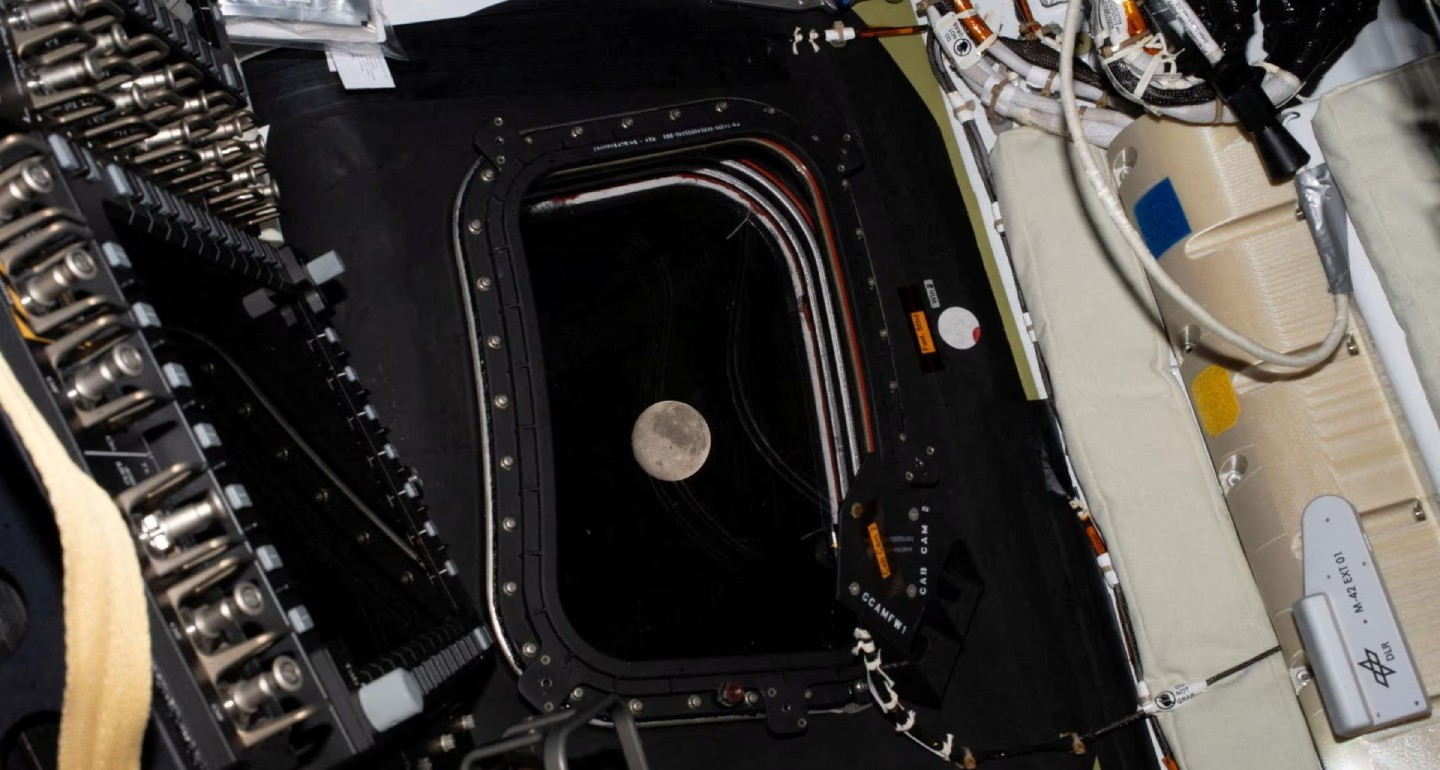
Despite having the resources and expertise, the Russian space industry missed the opportunity to offer the United States or China a mutually rewarding partnership in the lunar race.
Georgy Trishkin
The internet is awash not only with instructions from digital security experts, but also with urban legends and conspiracy theories that divert attention away from the real dangers of Max.

David Frenkel
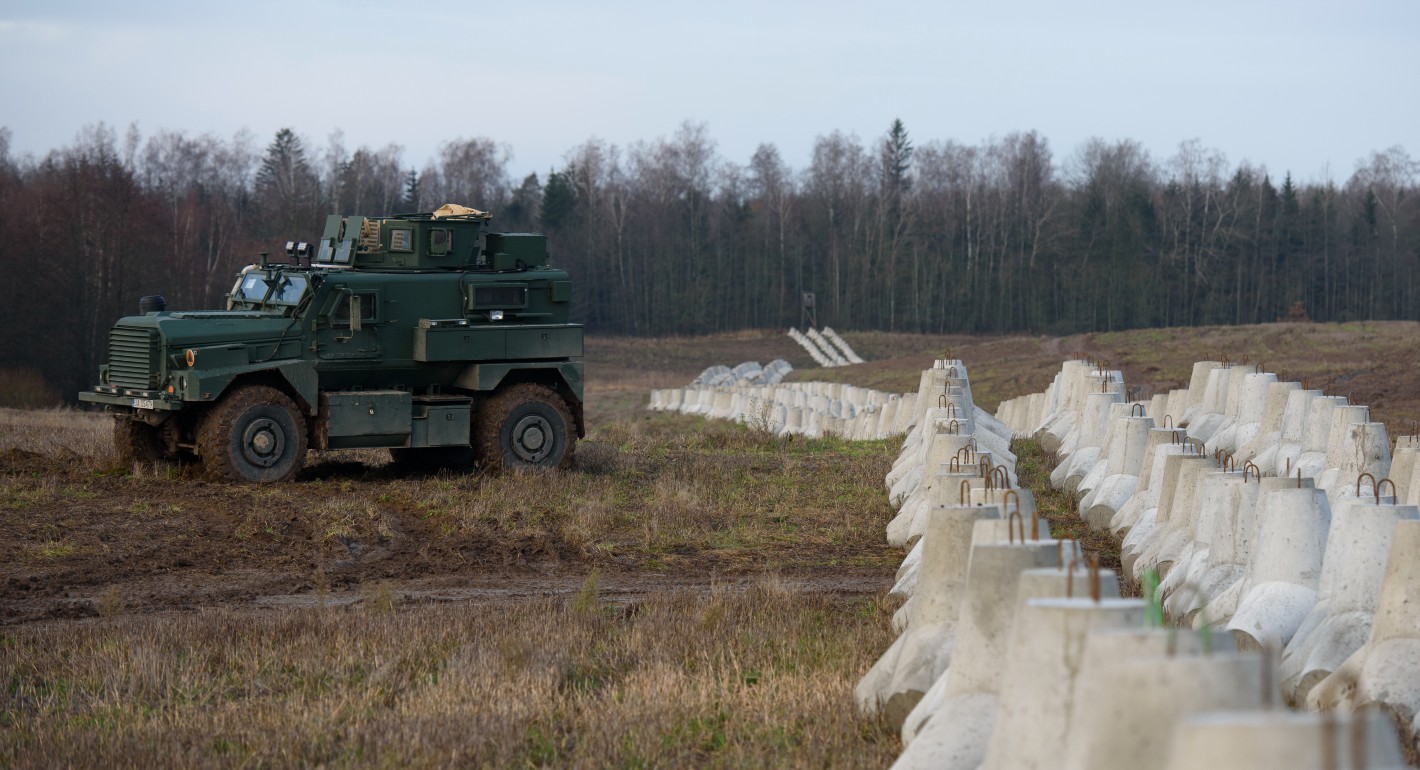
Putin’s blunder has created new and enduring security challenges for Russia and Europe.
Eugene Rumer

The prospect of a total block on Russia’s most popular messaging app has sparked disagreement between the regime’s political managers and its security agencies.

Andrey Pertsev
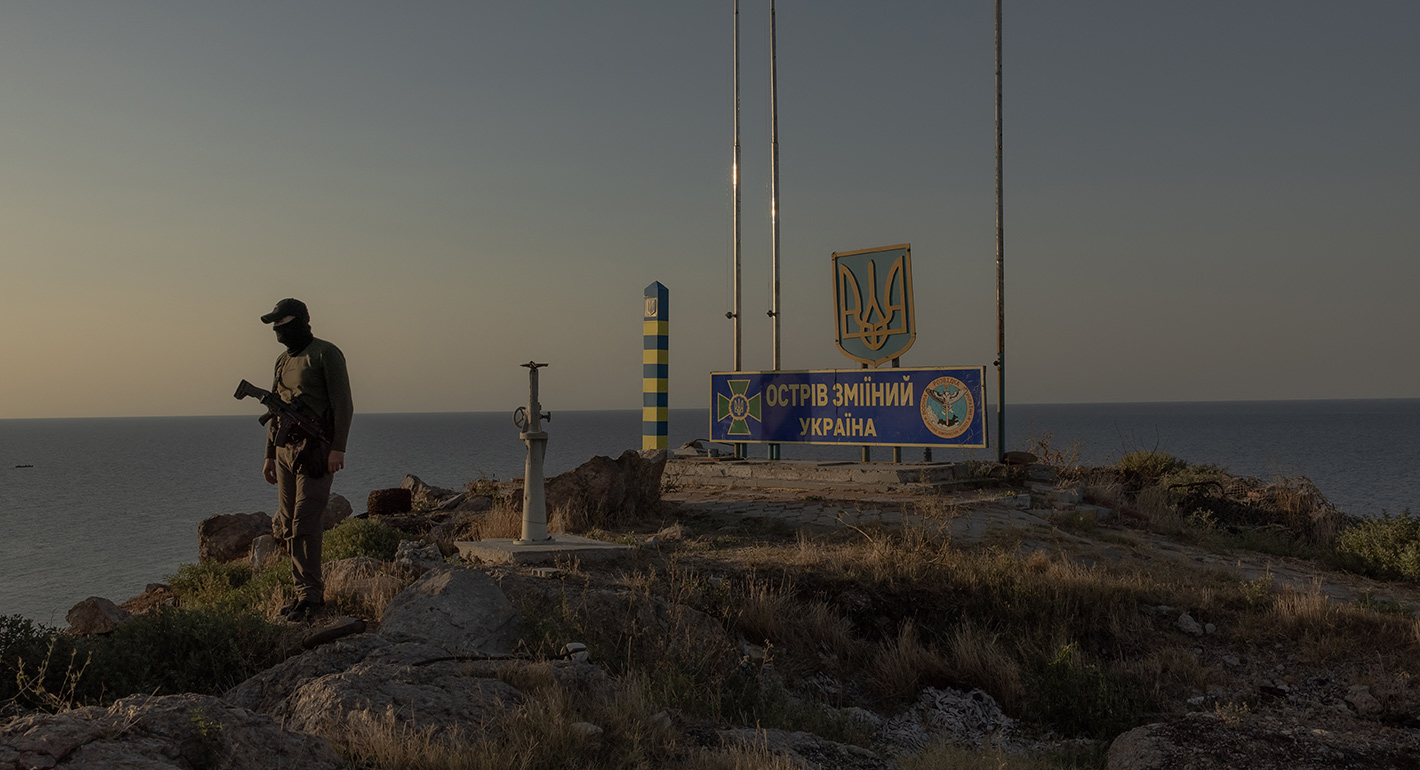
Ukraine’s asymmetric approach has rendered Russia’s Black Sea Fleet functionally useless. But a long-term commitment will be needed to maintain this balance of power.
Alina Frolova, Stepan Yakymiak