

In The Media
David Rothkopf
{
  "authors": [
    "David Rothkopf"
  ],
  "type": "legacyinthemedia",
  "centerAffiliationAll": "",
  "centers": [
    "Carnegie Endowment for International Peace"
  ],
  "collections": [],
  "englishNewsletterAll": "",
  "nonEnglishNewsletterAll": "",
  "primaryCenter": "Carnegie Endowment for International Peace",
  "programAffiliation": "",
  "programs": [],
  "projects": [],
  "regions": [
    "North America",
    "United States"
  ],
  "topics": [
    "Foreign Policy"
  ]
}
Source: Getty
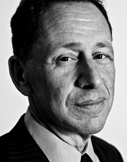
As the world becoming increasingly multipolar and alternative centers of global power are arise, international institutions and rules will have to change to reflect the new global reality.
Source: World Affairs Council

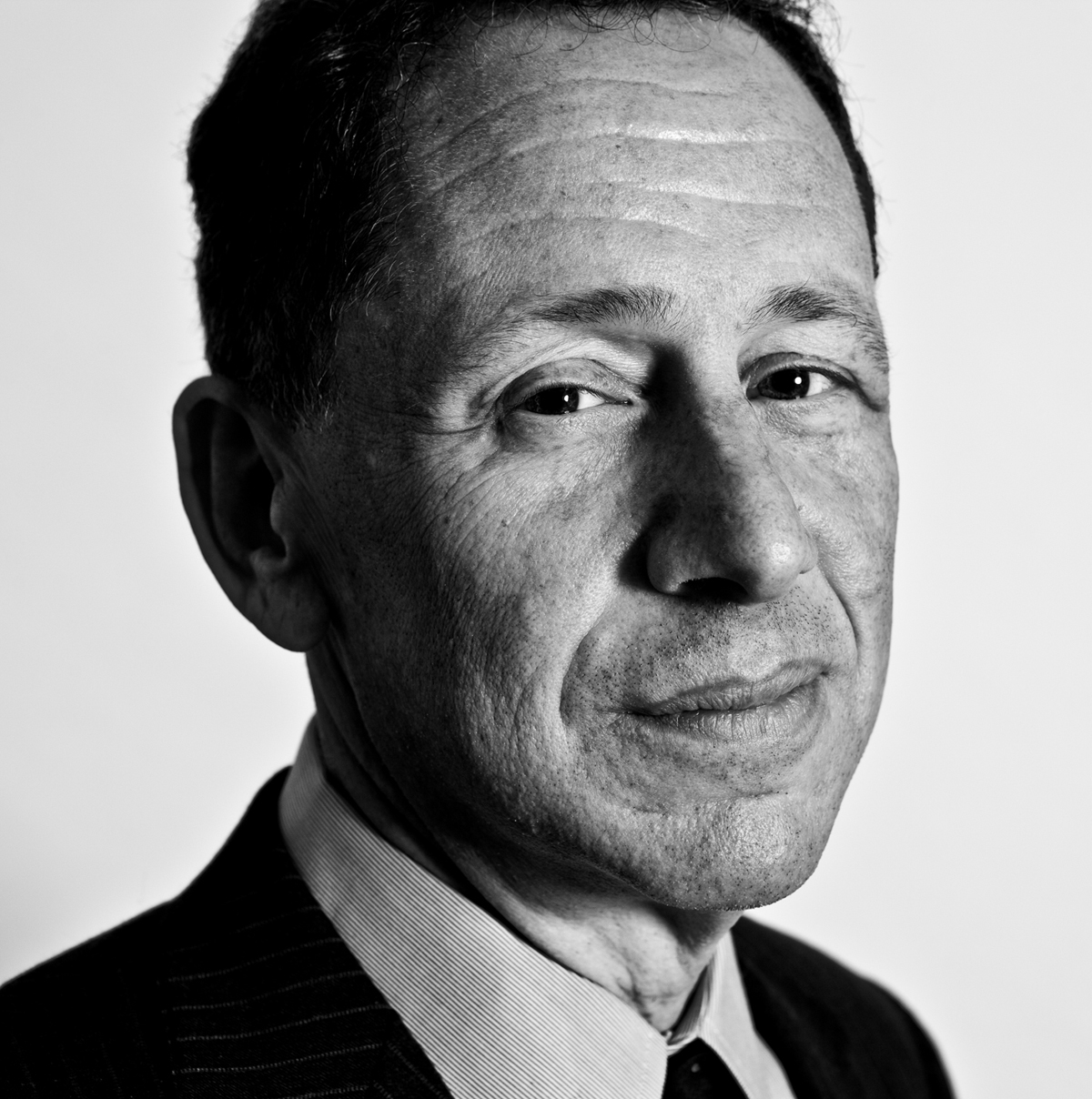
Rothkopf noted that the world is rapidly becoming a multipolar system, with the center of intellectual and economic gravity shifting from the Atlantic to the Pacific. International institutions and rules in this new system have become either dysfunctional or ineffective, he said. Changes in how the global system is governed are already underway, such as in the shift in power from the G-7 to the G-20 and the rise of alternative centers of geopolitical gravity in Asia.
The panel examined other potential changes in the balance of global and their ramifications for U.S. foreign policy. Rothkopf argued that the world is in a period of substantial change, where old formulas and approaches may no longer apply. The United States will need to improve its diplomatic capabilities to contend with these new realities.
Former Visiting Scholar
David Rothkopf was a visiting scholar at the Carnegie Endowment as well as the former CEO and editor in chief of the FP Group.
Recent Work
David Rothkopf
David Rothkopf
Carnegie does not take institutional positions on public policy issues; the views represented herein are those of the author(s) and do not necessarily reflect the views of Carnegie, its staff, or its trustees.
Closer EU-UK ties could help address urgent European concerns. But is the EU ready for rapprochement with the United Kingdom?

Rym Momtaz, ed.

In an interview, Jim Lamson discusses the ongoing regional conflict and sees an unclear picture when it comes to winners and losers.

Michael Young

Our new report offers a path forward for local officials and future policymakers.


Joe McCannon, Jenny Keroack, Lauren Jensen, …
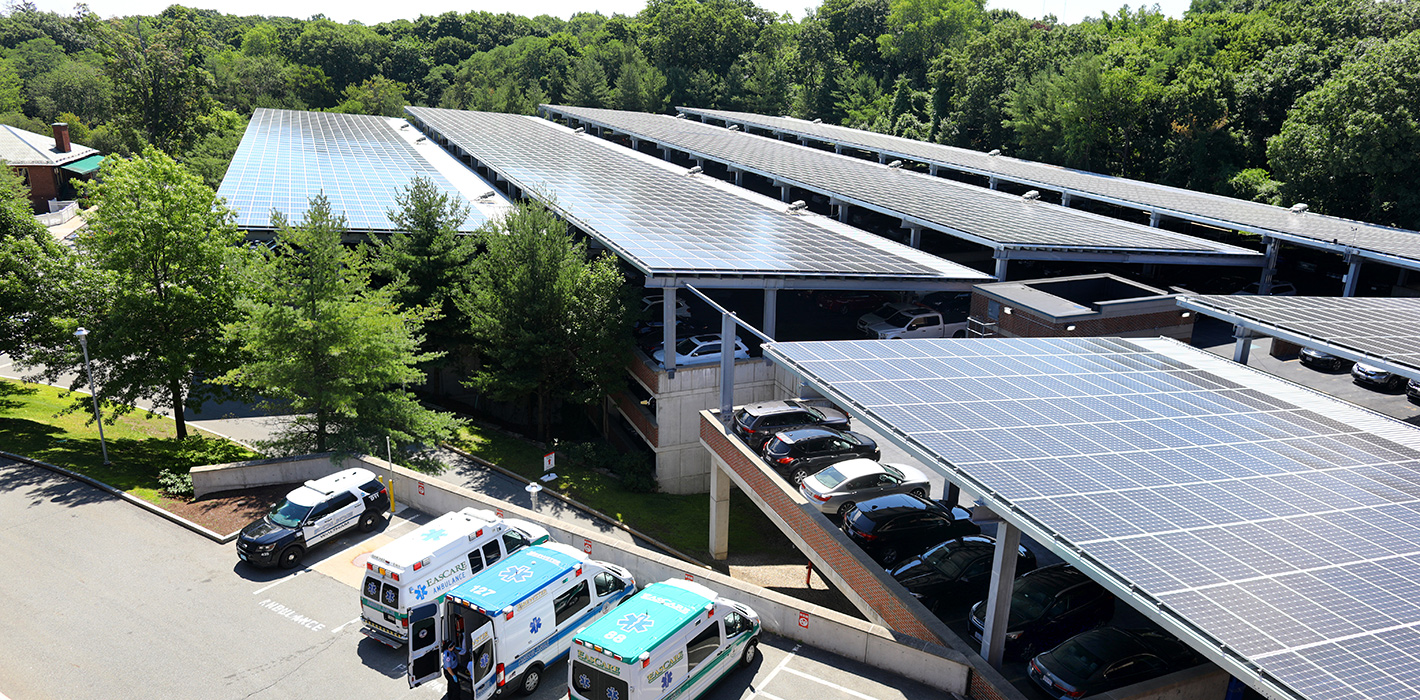
Present and future policymakers seeking to address climate-related health challenges can draw lessons from the successes and failures of the Biden administration.
Joe McCannon, Jenny Keroack, Lauren Jensen, …
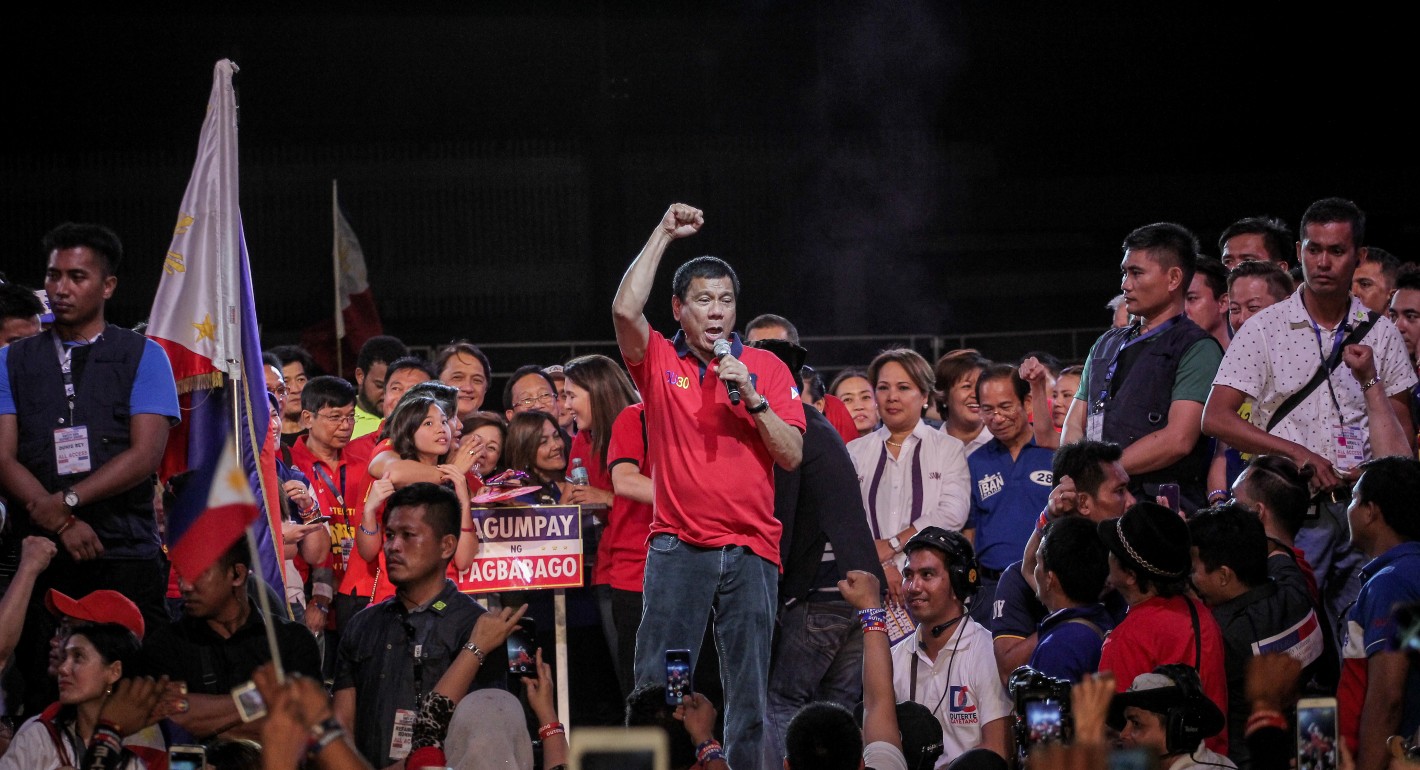
In the Philippines, Duterte-era discourse emphasizing sovereignty, anti-Western skepticism, and strongman diplomacy mirrors tenets of populist foreign policy around the world.
Aries A. Arugay