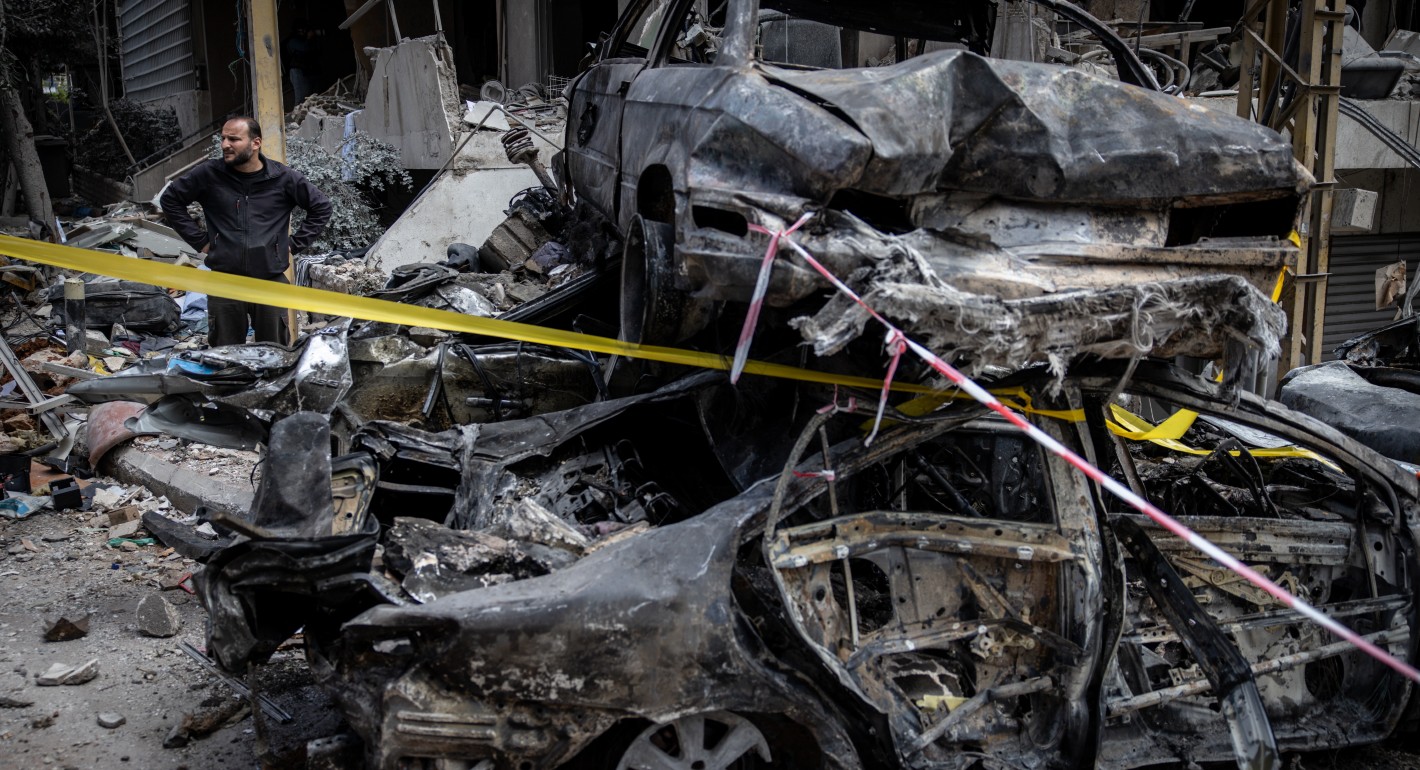
By reorganizing federal disaster policy around the rights of displaced people, the United States could unlock additional federal resources, accelerate the rebuilding of lives and livelihoods, and reduce suffering and economic disruption.
Kayly Ober
{
"authors": [],
"type": "pressRelease",
"centerAffiliationAll": "",
"centers": [
"Carnegie Endowment for International Peace"
],
"collections": [],
"englishNewsletterAll": "",
"nonEnglishNewsletterAll": "",
"primaryCenter": "Carnegie Endowment for International Peace",
"programAffiliation": "",
"programs": [],
"projects": [],
"regions": [
"North America",
"United States",
"South America",
"East Asia",
"China",
"Western Europe"
],
"topics": [
"Economy"
]
}REQUIRED IMAGE
As the world slowly recovers from the deepest global recession since the 1930s, countries have yet to enact the politically tough structural reforms that are needed.
WASHINGTON, November 22—As the world slowly recovers from the deepest global recession since the 1930s, countries have yet to enact the politically tough structural reforms that are needed. In a new policy brief, Uri Dadush and Vera Eidelman identify the five big surprises of the Great Recession and warn that policy makers are failing to draw the necessary lessons from these surprises, leaving the world economy vulnerable to similar crises in the future.
Five Surprises of the Great Recession:
"While governments reacted quickly and appropriately with stimulus measures and bank rescues to prevent a descent into depression, they unfortunately have not acted forcefully enough on these lessons," write the authors. "In particular, leaders have failed to enact the structural and regulatory reforms needed to protect the world against the next crisis."
NOTES
Click here to read the full brief
Uri Dadush is senior associate and director in Carnegie's International Economics Program. His work currently focuses on trends in the global economy, the global financial crisis, and the euro crisis. Dadush previously served as the World Bank’s director of international trade and director of economic policy. He has also served concurrently as the director of the Bank’s world economy group. Prior to joining the World Bank, he was president and CEO of the Economist Intelligence Unit and Business International.
Vera Eidelman is managing editor of the International Economic Bulletin. She holds bachelor's degrees in economics and sociology from Stanford University.
The Carnegie International Economics Program monitors and analyzes short- and long-term trends in the global economy, including macroeconomic developments, trade, commodities, and capital flows, and draws out policy implications. The current focus of the Program is the global financial crisis and the policy issues raised. Among other research, the Program examines the ramifications of the rising weight of developing countries in the global economy.
Press Contact: Kendra Galante, 202-939-2233, pressoffice@ceip.org
Carnegie does not take institutional positions on public policy issues; the views represented herein are those of the author(s) and do not necessarily reflect the views of Carnegie, its staff, or its trustees.
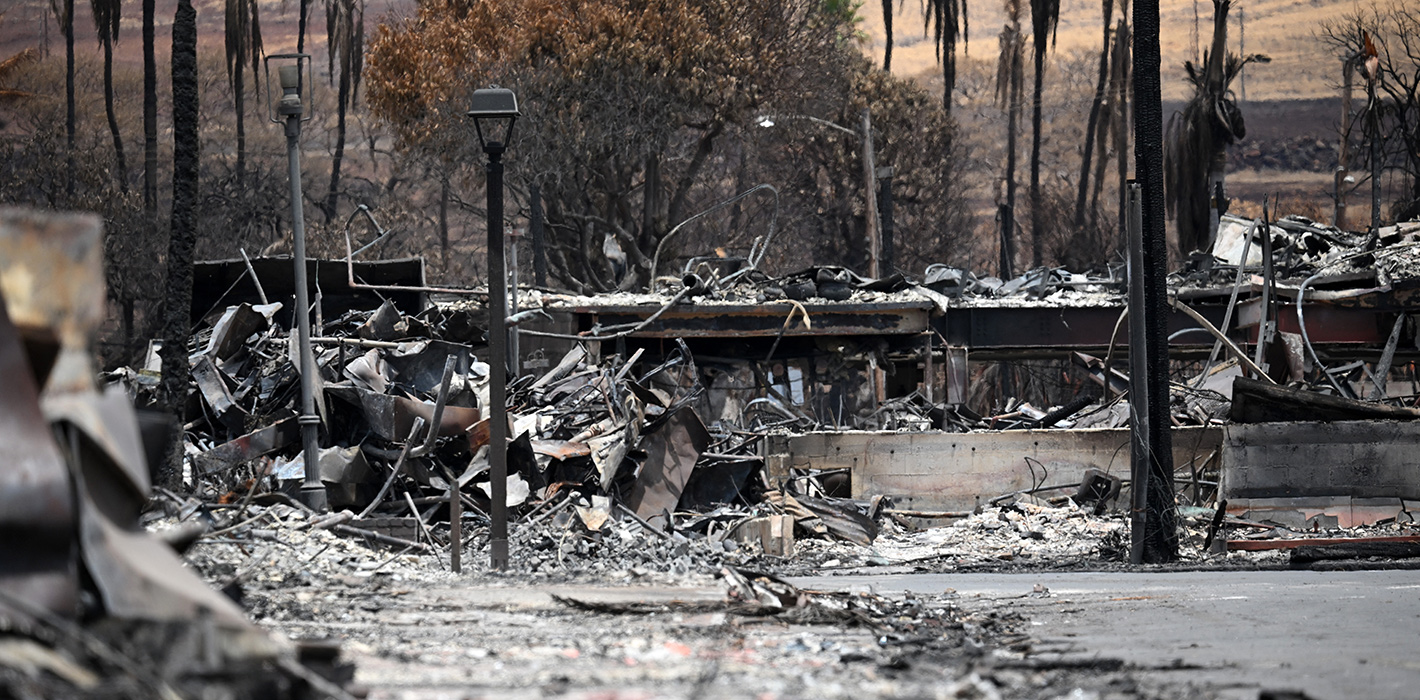
By reorganizing federal disaster policy around the rights of displaced people, the United States could unlock additional federal resources, accelerate the rebuilding of lives and livelihoods, and reduce suffering and economic disruption.
Kayly Ober
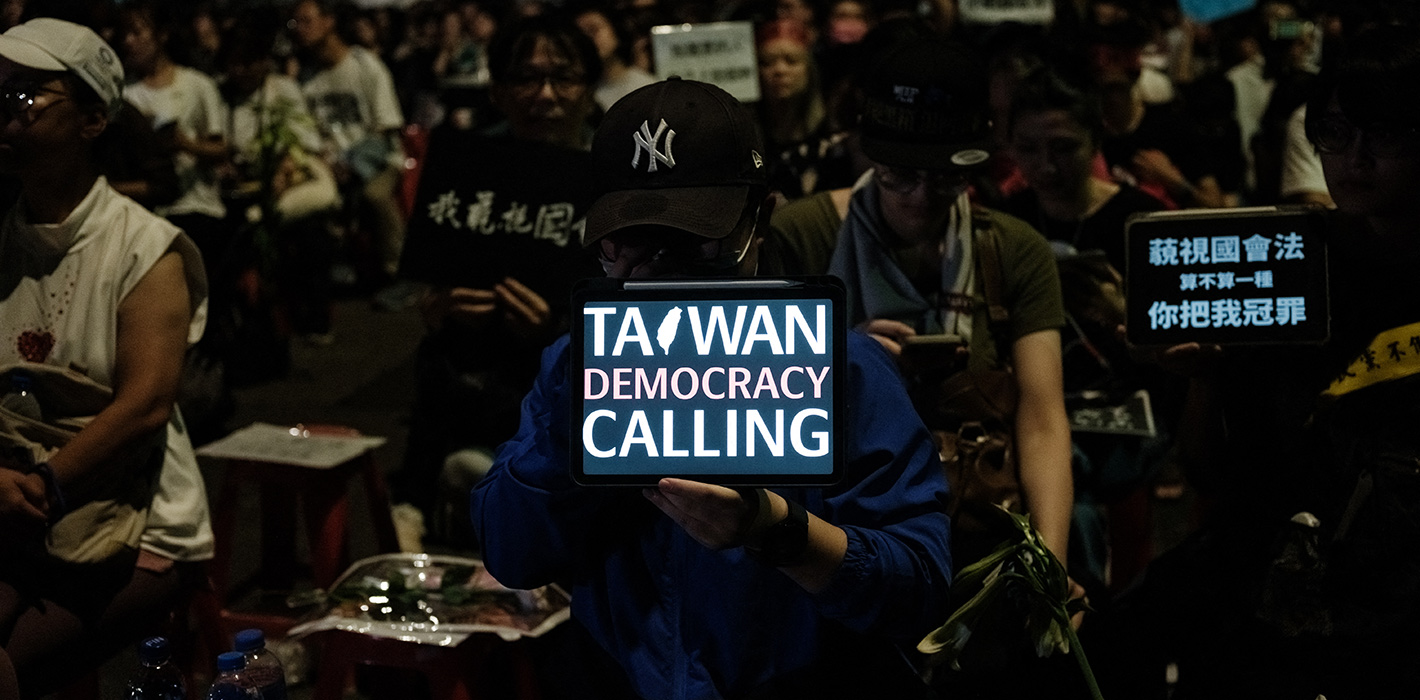
Governments now deploy online platforms to shape public opinion and influence collective cognition. This is acutely apparent between China and Taiwan.
Frank Cheng-Shan Liu
Its reinstatement should be celebrated, but it retains some major shortcomings.
Leonardo Martinez-Diaz
Despite long-standing differences, China and Vietnam are reinforcing common ground for collaboration, especially in public security. This internal security–centered diplomacy offers a strengthened road map for how China moves forward with Southeast Asia.
Sophie Zhuang
Four Middle East experts analyze the region’s reactions and next steps.
Amr Hamzawy, Andrew Leber, Eric Lob, …