

Commentary
Montenegro and Albania are frontrunners for EU enlargement in the Western Balkans, but they can’t just sit back and wait. To meet their 2030 accession ambitions, they must make a strong positive case.
Dimitar Bechev, Iliriana Gjoni
{
  "authors": [],
  "type": "pressRelease",
  "centerAffiliationAll": "dc",
  "centers": [
    "Carnegie Endowment for International Peace"
  ],
  "collections": [],
  "englishNewsletterAll": "ctw",
  "nonEnglishNewsletterAll": "",
  "primaryCenter": "Carnegie Endowment for International Peace",
  "programAffiliation": "SAP",
  "programs": [
    "South Asia"
  ],
  "projects": [],
  "regions": [
    "North America",
    "United States",
    "South Asia",
    "Afghanistan"
  ],
  "topics": [
    "Foreign Policy"
  ]
}
REQUIRED IMAGE
The current strategy of defeating the Taliban is unrealistic and headed swiftly toward an impasse, writes Gilles Dorronsoro in a new report on the war in Afghanistan.
WASHINGTON, November 30—The current strategy of defeating the Taliban is unrealistic and headed swiftly toward an impasse, writes Gilles Dorronsoro in a new report on the war in Afghanistan. Just retaining the areas controlled by the coalition will require significant additional American troops next year, but escalation is politically untenable given the impending departure of European forces and dwindling public support for the war at home.
Dorronsoro argues that the United States should adopt a new strategy before it’s too late. Rather than committing more troops, U.S. leaders need to pursue a political solution to the conflict—including a cease-fire and negotiations with insurgents—to prevent al-Qaeda’s return.
Key Findings and Recommendations:
"The United States must act quickly," Dorronsoro writes. "Given the rapidly deteriorating security situation, every passing month strengthens the position of the Taliban. A viable exit strategy is still possible, but time is not on America’s side."
NOTES
Click here to read the full report
Gilles Dorronsoro, a visiting scholar at the Carnegie Endowment, is an expert on Afghanistan, Turkey, and South Asia. His research focuses on security and political development in Afghanistan, particularly the role of the International Security Assistance Force, the necessary steps for a viable government in Kabul, and the conditions necessary for withdrawal scenarios. He is the co-founder and editor of South Asian Multidisciplinary Academic Journal and the European Journal of Turkish Studies.
The Carnegie South Asia Program informs policy debates relating to the region's security, economy, and political development. From the war in Afghanistan to Pakistan's internal dynamics to U.S. engagement with India, the Program's renowned team of experts offer in-depth analysis derived from their unique access to the people and places defining South Asia's most critical challenges.
Press Contact: Kendra Galante, 202-939-2233, pressoffice@ceip.org
Carnegie does not take institutional positions on public policy issues; the views represented herein are those of the author(s) and do not necessarily reflect the views of Carnegie, its staff, or its trustees.
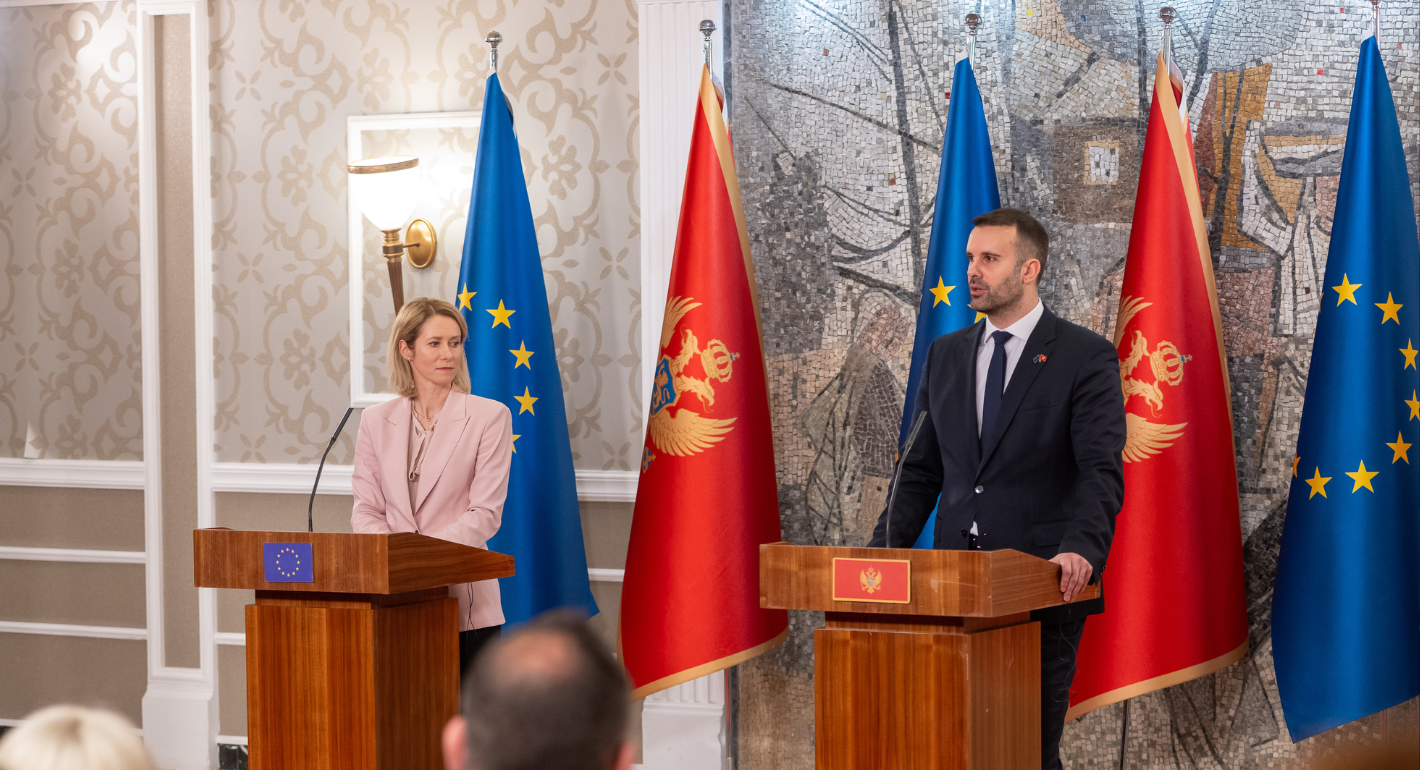
Montenegro and Albania are frontrunners for EU enlargement in the Western Balkans, but they can’t just sit back and wait. To meet their 2030 accession ambitions, they must make a strong positive case.


Dimitar Bechev, Iliriana Gjoni

By reorganizing federal disaster policy around the rights of displaced people, the United States could unlock additional federal resources, accelerate the rebuilding of lives and livelihoods, and reduce suffering and economic disruption.

Kayly Ober

Its reinstatement should be celebrated, but it retains some major shortcomings.

Leonardo Martinez-Diaz

Despite long-standing differences, China and Vietnam are reinforcing common ground for collaboration, especially in public security. This internal security–centered diplomacy offers a strengthened road map for how China moves forward with Southeast Asia.
Sophie Zhuang

Climate mobility interventions can vary, but they all present opportunities to unlock transformative results that mitigate costs associated with inaction.

Alejandro Martin Rodriguez