

Article
How Ukraine is driving doctrinal change in modern warfare.
Andriy Zagorodnyuk
{
  "authors": [
    "Chen Qi",
    "Paul Haenle"
  ],
  "type": "legacyinthemedia",
  "centerAffiliationAll": "",
  "centers": [
    "Carnegie Endowment for International Peace",
    "Carnegie China"
  ],
  "collections": [
    "U.S.-China Relations",
    "China’s Foreign Relations"
  ],
  "englishNewsletterAll": "",
  "nonEnglishNewsletterAll": "",
  "primaryCenter": "Carnegie China",
  "programAffiliation": "",
  "programs": [],
  "projects": [],
  "regions": [],
  "topics": [
    "Arms Control",
    "Security"
  ]
}
Source: Getty
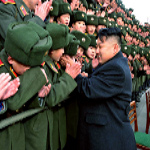
The status of North Korea has a strong affect on bilateral relations between the United States and China.
Source: Phoenix TV
Speaking to Phoenix TV, Chen Qi and Paul Haenle discussed the Korean Peninsula and its impact on U.S.-China relationships. Chen, speaking in Chinese, pointed out that the main cause of tension between North and South Korea is the South’s reversal of its Sunshine Policy, following the Yeonpyeong Island incident on 23 November, 2010. Haenle added that the status of North Korea affects bilateral relations between the United States and China, explaining that some of the recent progress in U.S.-China relations reflects “China getting involved and persuading the North Koreans not to take provocative actions in the future.”
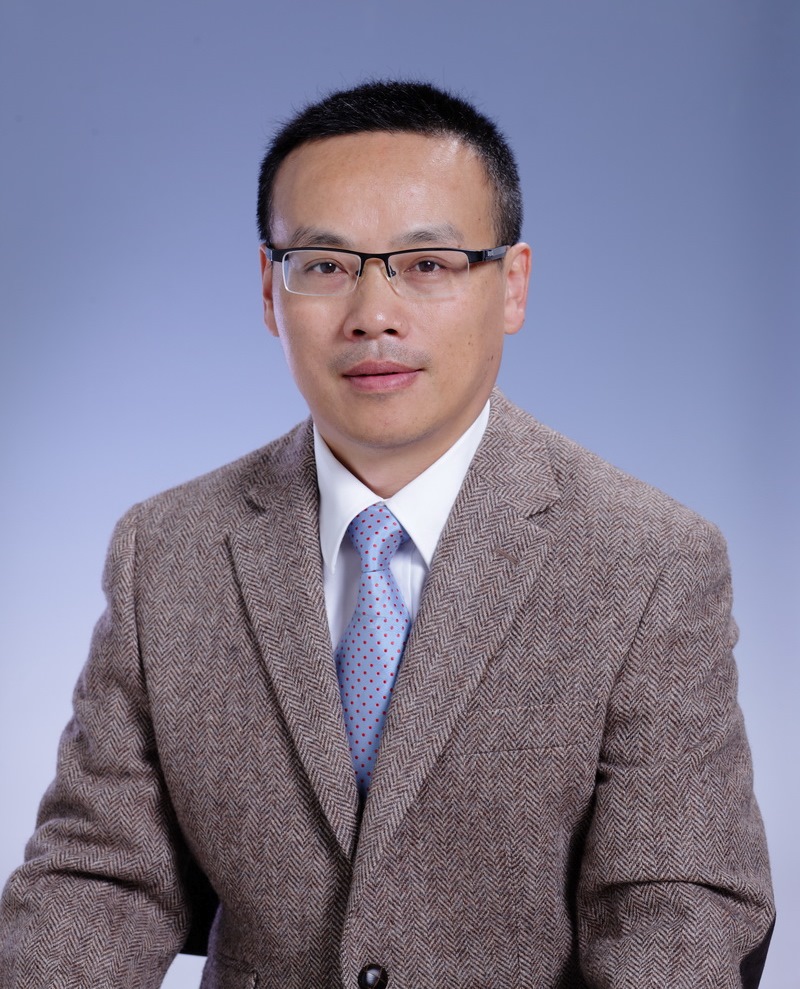
Chen Qi
Former Resident Scholar , Carnegie-Tsinghua Center for Global Policy
Chen Qi was a resident scholar at the Carnegie-Tsinghua Center until June 2020.

Former Maurice R. Greenberg Director’s Chair, Carnegie China
Paul Haenle held the Maurice R. Greenberg Director’s Chair at the Carnegie Endowment for International Peace and is a visiting senior research fellow at the East Asian Institute, National University of Singapore. He served as the White House China director on the National Security Council staffs of former presidents George W. Bush and Barack Obama.
Carnegie does not take institutional positions on public policy issues; the views represented herein are those of the author(s) and do not necessarily reflect the views of Carnegie, its staff, or its trustees.
How Ukraine is driving doctrinal change in modern warfare.
Andriy Zagorodnyuk
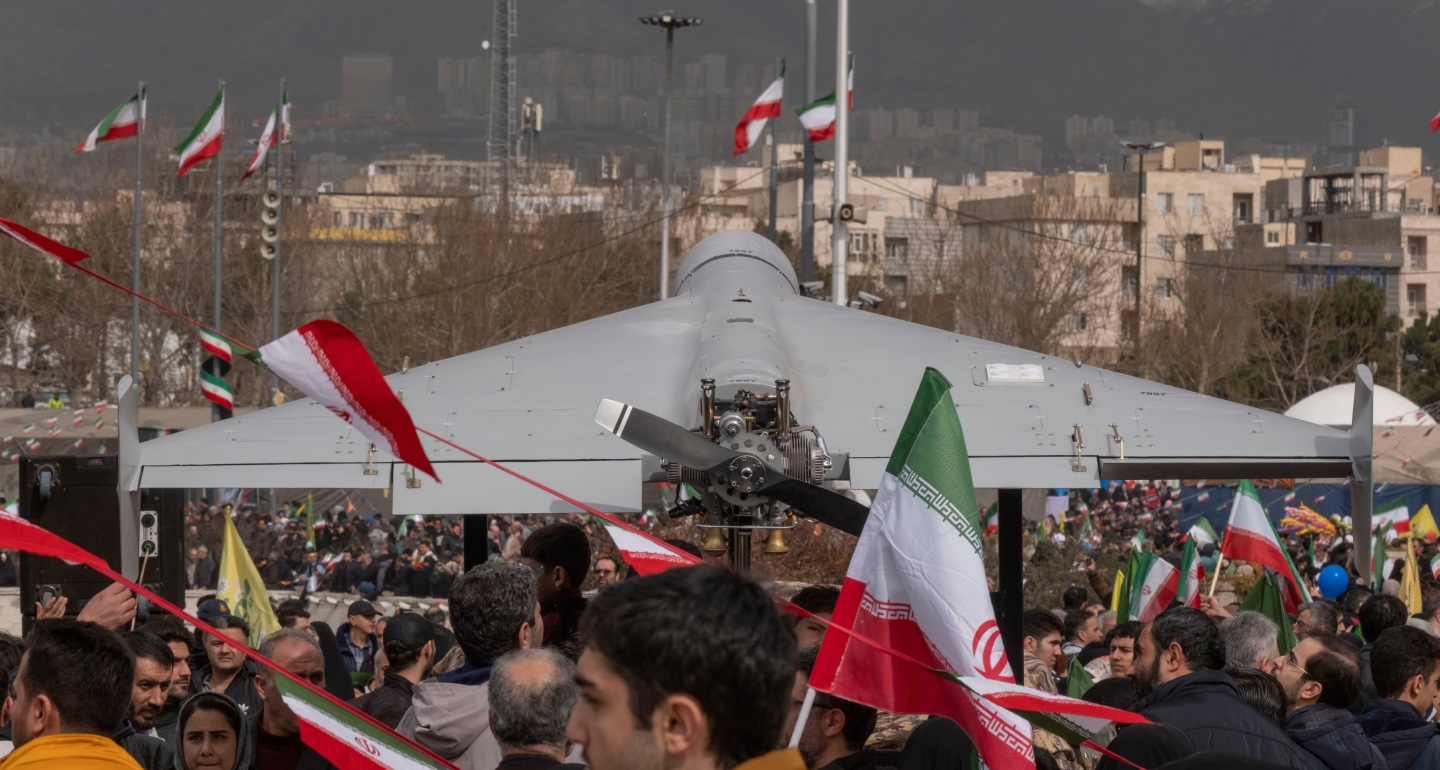
The Russian leadership wants to avoid a dangerous precedent in which it is squeezed out of Iran by the United States and Israel—and left powerless to respond in any meaningful way.

Nikita Smagin
One is hopeful. One is realistic. One is cautionary.

Andrew Leber, Sam Worby
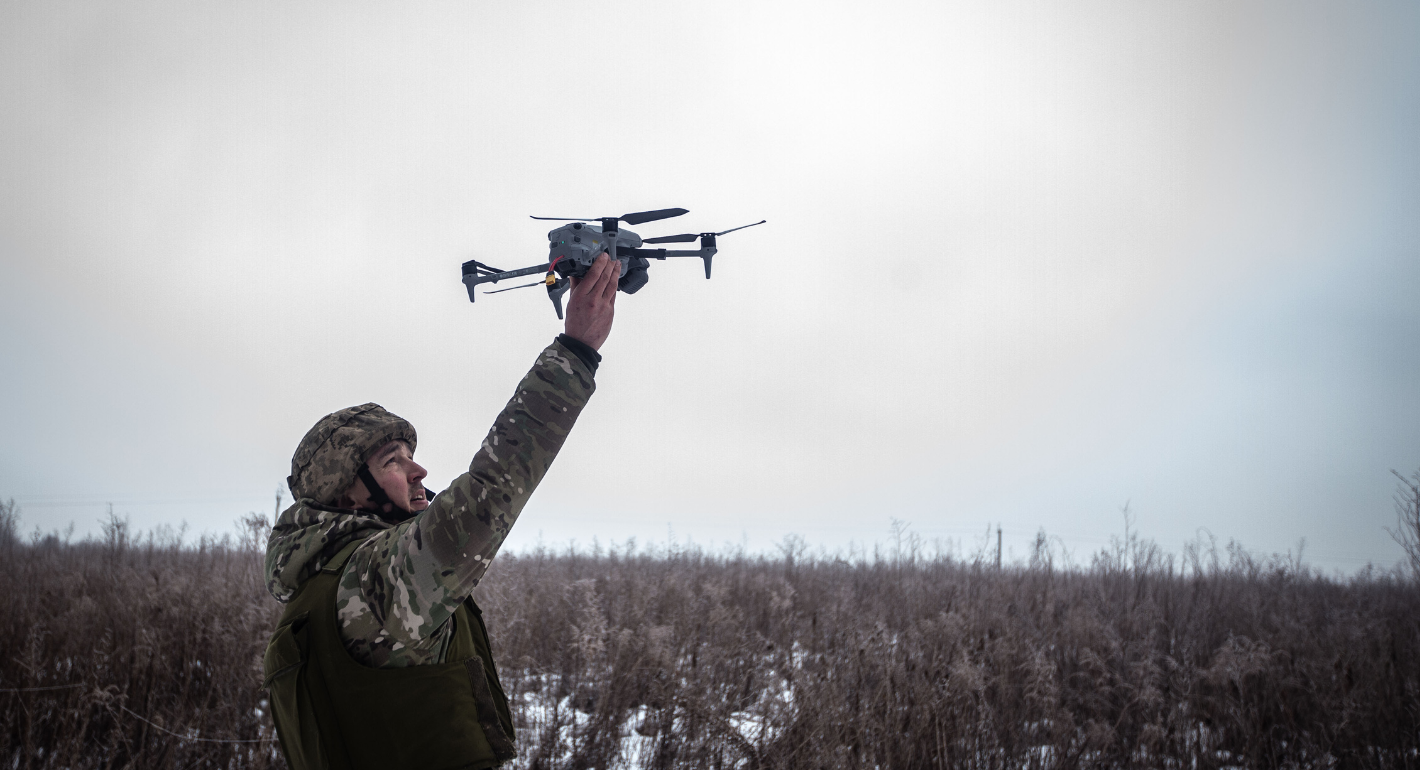
In Ukraine, Gaza, and Iran, AI warfare has come to dominate, with barely any oversight or accountability. Europe must lead the charge on the responsible use of new military technologies.

Raluca Csernatoni
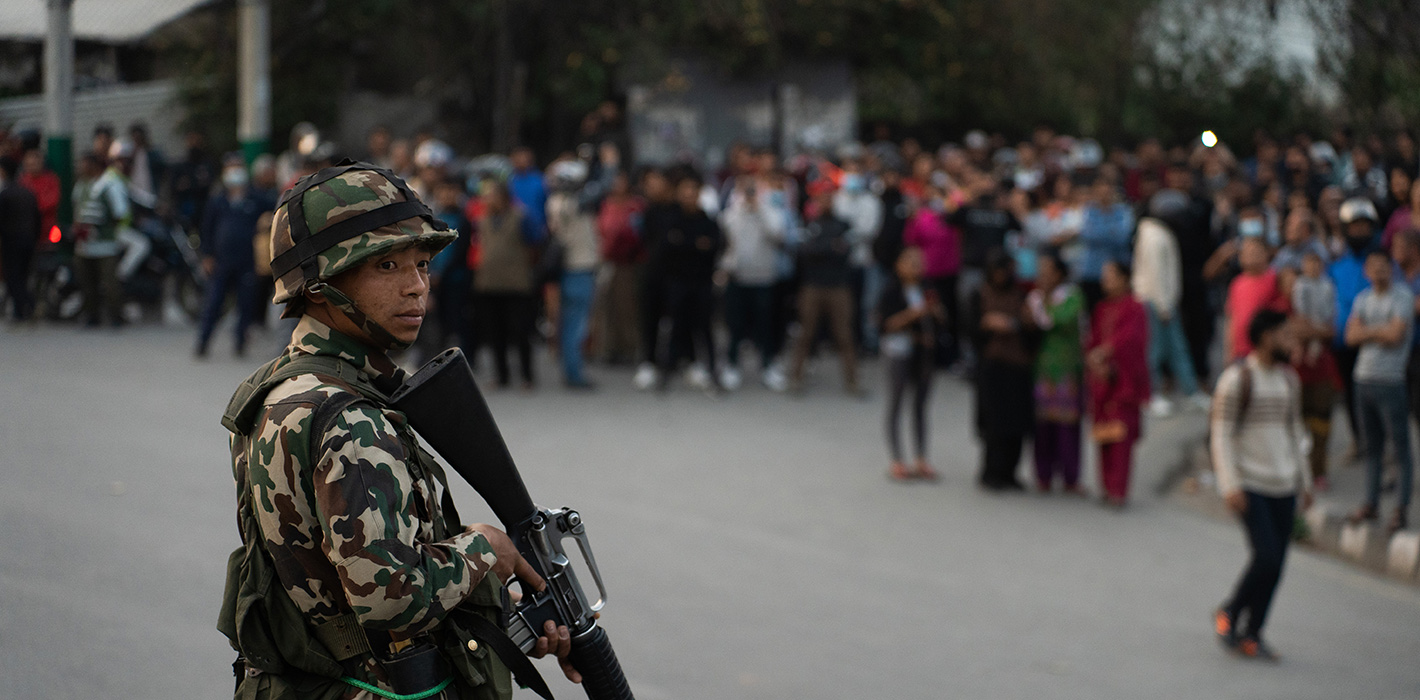
Military rule is now a defining political factor in South Asia. Here’s how analysts can understand and account for it.

Paul Staniland