• Research
  • Emissary
  • About
  • Experts
Carnegie Global logoCarnegie lettermark logo
DemocracyIran
  • Donate
{
  "authors": [],
  "type": "pressRelease",
  "centerAffiliationAll": "dc",
  "centers": [
    "Carnegie Endowment for International Peace"
  ],
  "collections": [],
  "englishNewsletterAll": "ctw",
  "nonEnglishNewsletterAll": "",
  "primaryCenter": "Carnegie Endowment for International Peace",
  "programAffiliation": "SAP",
  "programs": [
    "South Asia"
  ],
  "projects": [],
  "regions": [
    "South Asia"
  ],
  "topics": []
}
REQUIRED IMAGE

REQUIRED IMAGE

Press Release

India's combat aircraft decision will have international political implications

Eight countries and six companies eagerly await the Indian air force’s selection of a new medium multi-role combat aircraft—126 aircraft will cost approximately $10 billion. In a new report, Ashley Tellis says that the winner of the competition will gain a toehold in a lucrative market and the aircraft will play an essential role in India’s transformation from a regional power to a global giant.

Link Copied
Published on Jan 26, 2011
Program mobile hero image

Program

South Asia

The South Asia Program informs policy debates relating to the region’s security, economy, and political development. From strategic competition in the Indo-Pacific to India’s internal dynamics and U.S. engagement with the region, the program offers in-depth, rigorous research and analysis on South Asia’s most critical challenges.

Learn More

WASHINGTON, January 26—Eight countries and six companies eagerly await the Indian air force’s selection of a new medium multi-role combat aircraft—126 aircraft will cost approximately $10 billion. In a new report, Ashley Tellis says that the winner of the competition will gain a toehold in a lucrative market and the aircraft will play an essential role in India’s transformation from a regional power to a global giant.

Tellis analyzes the technical and political factors India must consider in awarding the contract and argues that India needs to decide quickly, avoid splitting the purchase between competitors, and buy the “best” aircraft to help India prepare for future security competition in Southern Asia.

Key Findings:

  • Challenges to India’s national security are increasingly complex. India’s air force levels have reached an all-time low due to delays in its defense procurement process, accidents, and retirements of older aircraft. Meanwhile, China and Pakistan are aggressively modernizing their forces.
  • European aircraft are technically superb, but U.S. entrants are formidable “best buys.” Unfortunately, the advantages in the U.S. fighters are not sufficiently recognized, so if Washington wants an American aircraft to win the game, it must offer generous terms on the transfer of technology, assure India access to fifth-generation U.S. combat aircraft, and support India’s strategic ambitions.
  • India needs to consider its future force structure in making its decision. With combat aviation technology rapidly evolving, the Indian government should select the least expensive, most mature, combat-proven fourth-generation fighter as a bridge to procuring more advanced stealth aircraft in the future.

“In making its decision, India’s government must keep the India air force’s interests consistently front and center to ensure that its ultimate choice of aircraft is the best one for the service,” Tellis writes. “This will not only help India to strengthen its combat capabilities in the coming years, but position it as a rising global power worthy of respect far into the future.”

###

NOTES

Click here to read the full report online

Ashley J. Tellis is a senior associate in the Carnegie South Asia Program. He specializes in international security, defense, and Asian strategic issues and was intimately involved in the negotiations associated with the U.S.-India civil nuclear agreement. Previously, he was a senior adviser to the U.S. ambassador to India and was a special assistant to the president and senior director for strategic planning and Southwest Asia in the National Security Council.

The Carnegie South Asia Program informs policy debates relating to the region's security, economy, and political development. From the war in Afghanistan to Pakistan's internal dynamics to U.S. engagement with India, the Program's renowned team of experts offer in-depth analysis derived from their unique access to the people and places defining South Asia's most critical challenges.

South Asia

Carnegie does not take institutional positions on public policy issues; the views represented herein are those of the author(s) and do not necessarily reflect the views of Carnegie, its staff, or its trustees.

More Work from Carnegie Endowment for International Peace

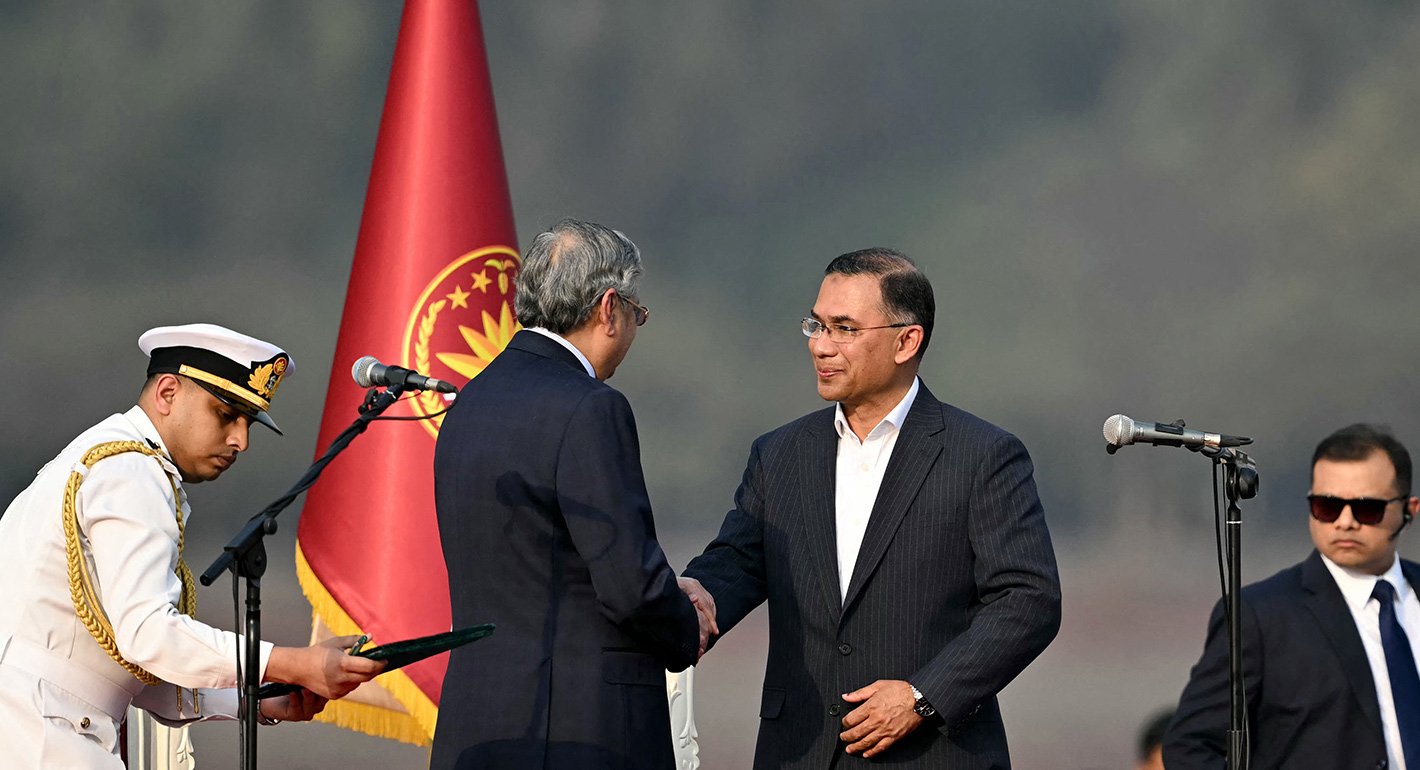
  • Bangladesh's newly sworn-in Prime minister Tarique Rahman (2R) shakes hands with President Mohammed Shahabuddin during a swearing-in ceremony at the National Parliament building in Dhaka on February 17, 2026
    Article
    Bangladesh’s Unfinished Revolution

    Bangladesh’s February 2026 elections were the most credible in nearly two decades. But within weeks of the BNP’s return to power, the fundamental characteristics of the country’s political economy threaten to pull it back toward continuity rather than change.

      • Avinash Paliwal

      Avinash Paliwal

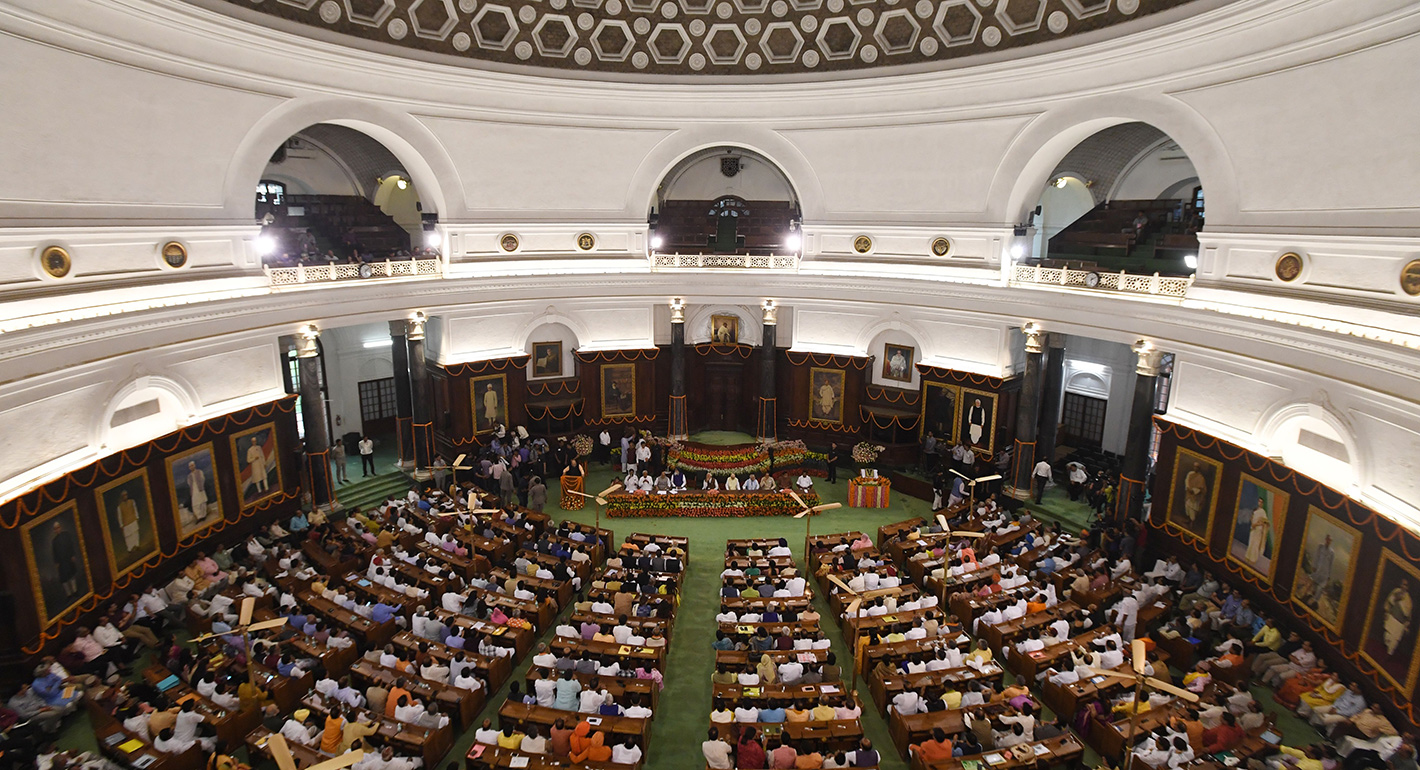
  • Members of the National Democratic Alliance (NDA) attend a meeting along with Bhartiya Janta Party (BJP) President Amit Shah and Indian designated Prime Minister Narendra Modi (C) at the central hall of the parliament, in New Delhi on May 25, 2019.
    Paper
    Delimitation After Defeat: India’s Unfinished Debate Over Representation

    The battle over representation and regional power has been delayed—not resolved—and will shape the future of India’s federal balance.

      • Louise Tillin
      • Andy Robaina

      Louise Tillin, Milan Vaishnav, Andy Robaina

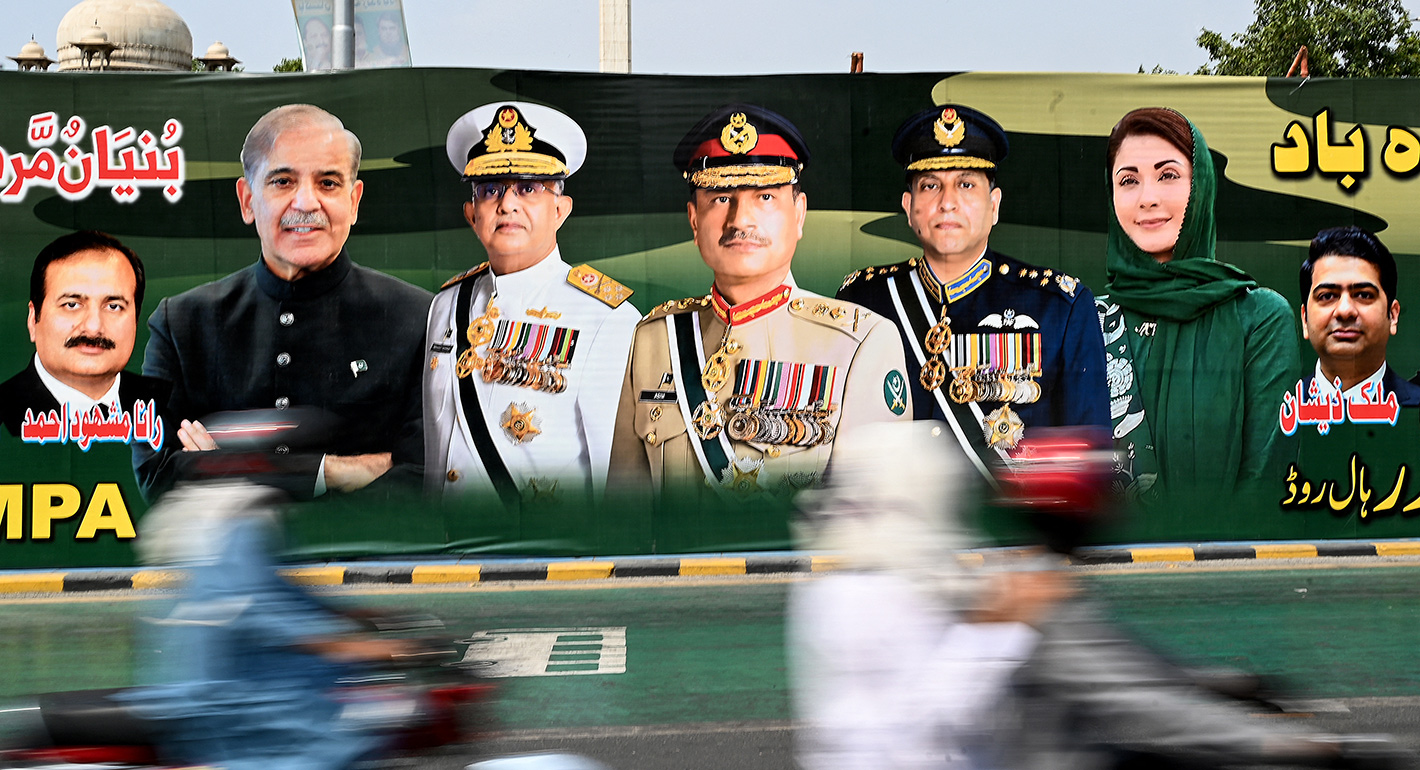
  • Commuters ride past a billboard with portraits of Pakistan's Prime Minister Shehbaz Sharif (2L), Navy Chief Admiral Naveed Ashraf (3L), Chief of Army Staff General Syed Asim Munir (C), Air Chief Marshal Zaheer Ahmad Baber (3R) and Chief Minister of the country's Punjab province Maryam Nawaz Sharif (2R), displayed along a street in Lahore on May 24, 2025.
    Article
    Pakistan’s Military Consolidation Under Munir Faces Critical Challenges

    The regime bets that international legitimacy can be translated into domestic stability. But that depends upon whether it can leverage international goodwill to manage grievances and the economy at home.

      Zoha Waseem, Yasser Kureshi

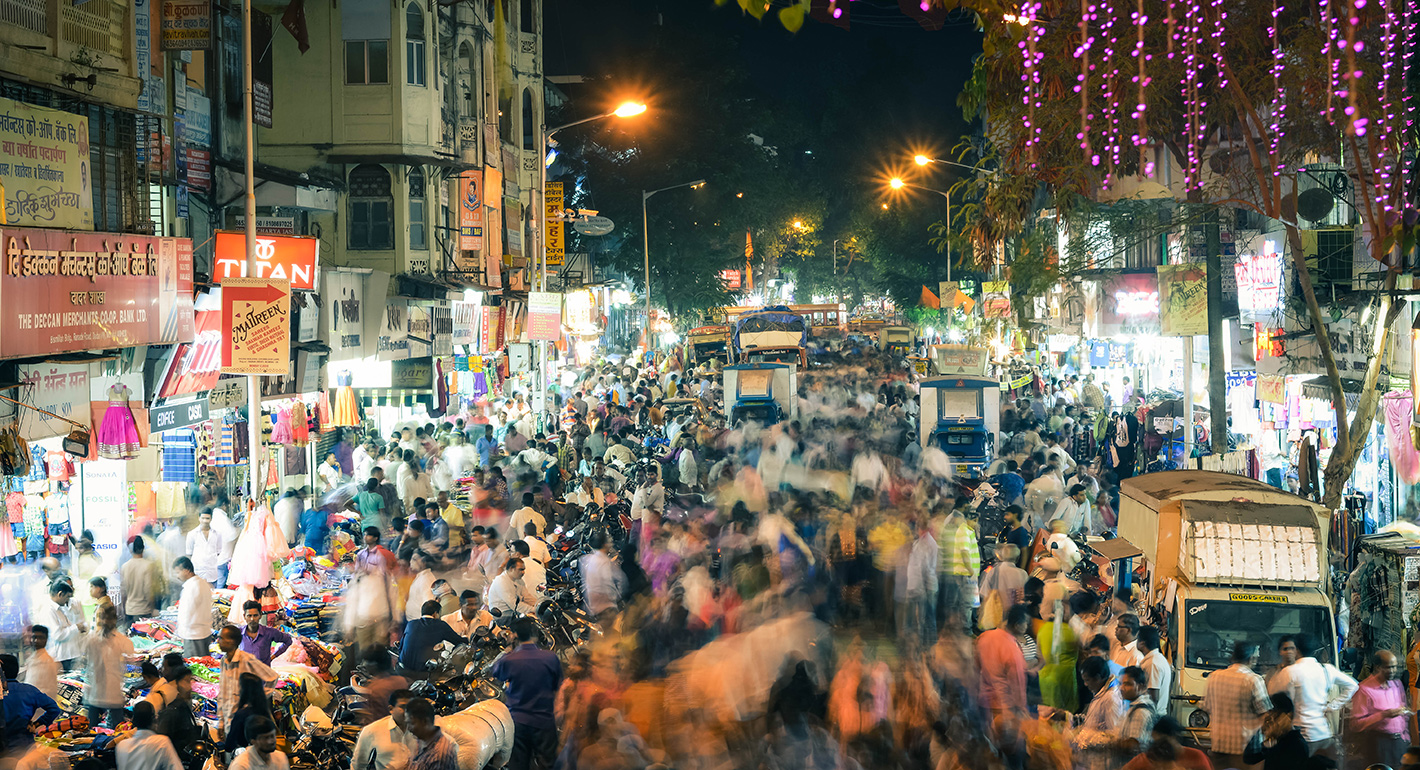
  • Crowd On Mumbai city street At night
    Article
    India’s Demographic Dividend Is a Test of Governance

    India’s demographic transition is underway, but its economic payoff remains far from guaranteed.

      • Apoorva Jadhav

      Apoorva Jadhav

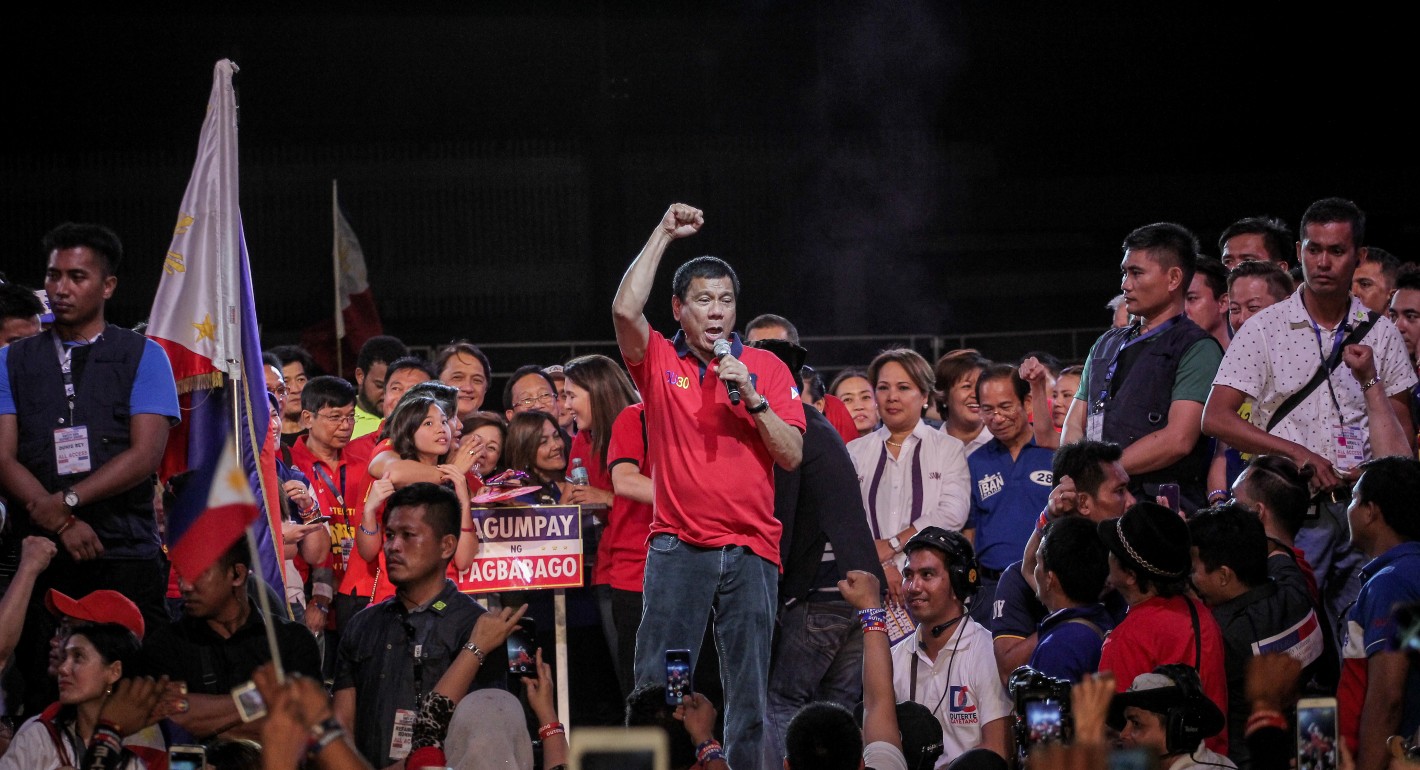
  • Duterte stands with his fist raised and a crowd of people stand behind him
    Paper
    Duterte’s Populist Foreign Policy as Illiberal Defiance: Consequences and Prospects

    In the Philippines, Duterte-era discourse emphasizing sovereignty, anti-Western skepticism, and strongman diplomacy mirrors tenets of populist foreign policy around the world.

      Aries A. Arugay

Get more news and analysis from
Carnegie Endowment for International Peace
Carnegie global logo, stacked
1779 Massachusetts Avenue NWWashington, DC, 20036-2103Phone: 202 483 7600
  • Research
  • Emissary
  • About
  • Experts
  • Donate
  • Programs
  • Events
  • Blogs
  • Podcasts
  • Contact
  • Annual Reports
  • Careers
  • Privacy
  • For Media
  • Government Resources
Get more news and analysis from
Carnegie Endowment for International Peace
© 2026 Carnegie Endowment for International Peace. All rights reserved.