• Research
  • Emissary
  • About
  • Experts
Carnegie Global logoCarnegie lettermark logo
DemocracyIran
  • Donate
{
  "authors": [
    "Marwan Muasher"
  ],
  "type": "legacyinthemedia",
  "centerAffiliationAll": "dc",
  "centers": [
    "Carnegie Endowment for International Peace",
    "Malcolm H. Kerr Carnegie Middle East Center"
  ],
  "collections": [
    "Arab Awakening"
  ],
  "englishNewsletterAll": "menaTransitions",
  "nonEnglishNewsletterAll": "",
  "primaryCenter": "Carnegie Endowment for International Peace",
  "programAffiliation": "MEP",
  "programs": [
    "Middle East"
  ],
  "projects": [],
  "regions": [
    "North Africa",
    "Egypt"
  ],
  "topics": [
    "Political Reform"
  ]
}
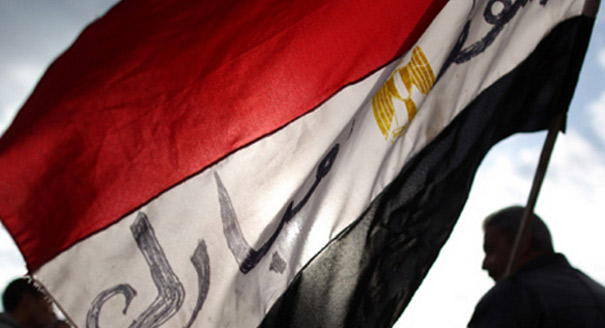
Source: Getty

In The Media

The Danger of Half Steps

It is important for the United States to support a real and sustained transition to democracy without appearing to interfere in Egypt’s domestic affairs or being sidetracked by the current regime’s piecemeal reform efforts.

Link Copied
By Marwan Muasher
Published on Feb 7, 2011
Program mobile hero image

Program

Middle East

The Middle East Program in Washington combines in-depth regional knowledge with incisive comparative analysis to provide deeply informed recommendations. With expertise in the Gulf, North Africa, Iran, and Israel/Palestine, we examine crosscutting themes of political, economic, and social change in both English and Arabic.

Learn More

Source: New York Times

The Danger of Half StepsWith protests entering their third week in the Egyptian streets, the government is offering new concessions in the hope of easing the unprecedented crisis. Many protesters seem unwilling, however, to give up their demand for President Mubarak’s immediate departure.

No one — including the protesters — wants a leadership vacuum in the coming months, but the people in the streets want to know that the reforms necessary to tackle Egypt’s democratic deficit will be carried out if they go home. While the protesters are interested in an orderly transition, they are also concerned about the seriousness of the current regime in implementing the needed reforms, including whether they will move forward with a new election law, amending the constitution, and dissolving the parliament.
 
Judging by the Egyptian government’s concessions in the last few days, it looks like the regime is trying to do just enough to buy more time. Rather than taking the steps necessary to fundamentally alter the structure of the political system, the government is suggesting piecemeal reform with sporadic steps.
 
But the protesters won’t be satisfied without real change and the United States shouldn’t be either.
 
The unrest in Egypt caught the United States by surprise and the Obama administration has been forced to play catch up to get ahead of the curve. As the events unfolded, U.S. officials needed to not only distance themselves from Mubarak, but also express support for a real and immediate move toward democracy.
 
It is difficult for the Obama administration to identify a precise time for Mubarak’s exit without appearing to be interfering in Egypt’s domestic affairs. Washington, however, has made its views clear — both privately and publicly — that it expects Mubarak to go, but the timing is up to the Egyptians. This is how it should be.
 
Whether Mubarak is ousted today or in a few months, Washington needs to support a real and sustained transition to democracy that begins now. The important thing for the United States is to support a serious political reform process that moves Egypt down the road to democracy without being sidetracked by half steps.

About the Author

Marwan Muasher

Vice President for Studies

Marwan Muasher is vice president for studies at Carnegie, where he oversees research in Washington and Beirut on the Middle East. Muasher served as foreign minister (2002–2004) and deputy prime minister (2004–2005) of Jordan, and his career has spanned the areas of diplomacy, development, civil society, and communications.

    Recent Work

  • Commentary
    The Iran War Is Uncovering the Weakness in U.S.-Gulf Ties

      Marwan Muasher

  • Commentary
    Bombing Campaigns Do Not Bring About Democracy. Nor Does Regime Change Without a Plan.

      Marwan Muasher

Marwan Muasher
Vice President for Studies
Marwan Muasher
Political ReformNorth AfricaEgypt

Carnegie does not take institutional positions on public policy issues; the views represented herein are those of the author(s) and do not necessarily reflect the views of Carnegie, its staff, or its trustees.
More Work from Carnegie Endowment for International Peace

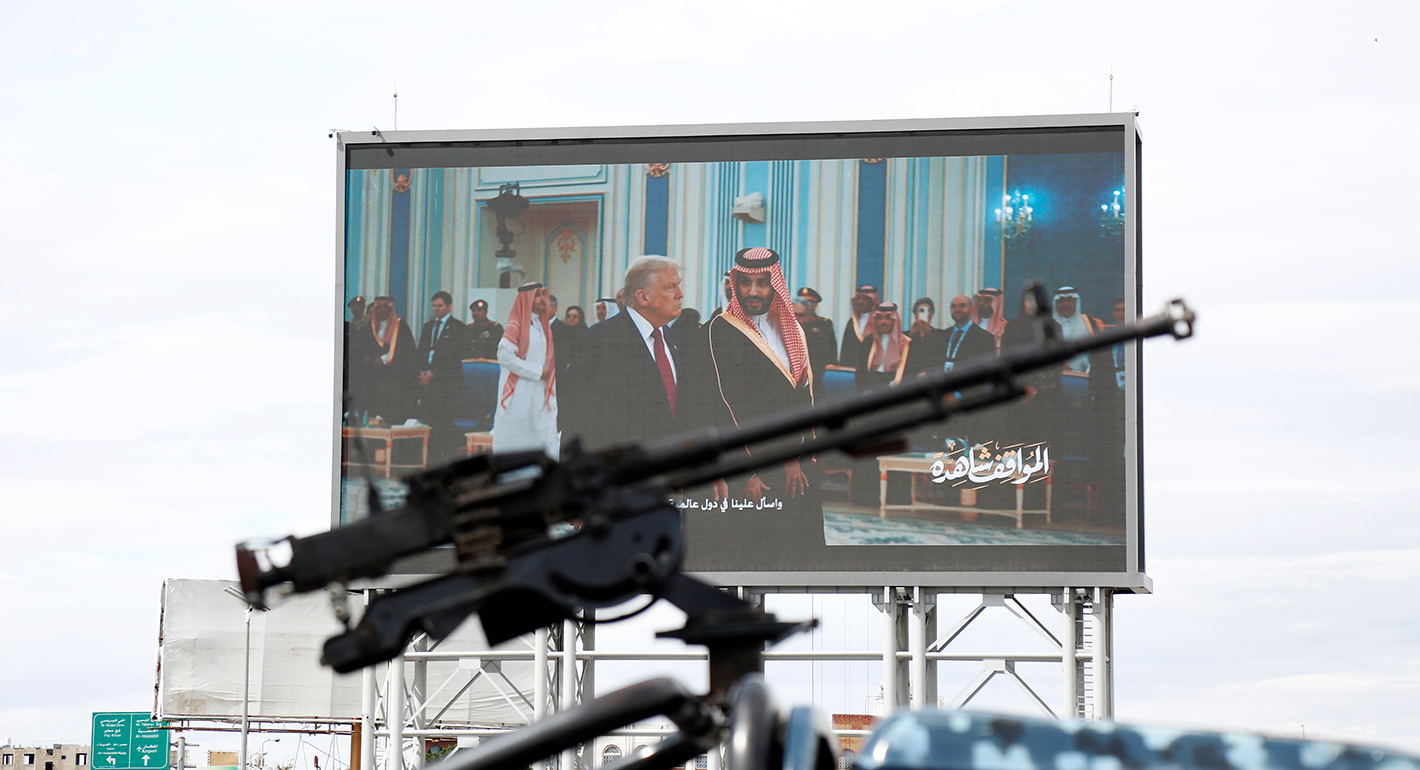
  •  A machine gun of a Houthi soldier mounted on a police vehicle next to a billboard depicting the U.S. president Donald Trump and Mohammed Bin Salman, the Crown Prince and Prime Minister of Saudi Arabia, during a protest staged to show support to Iran against the U.S.-Israel war on March 27, 2026 in Sana'a, Yemen.
    Article
    Amid Iran War, Gulf Countries Slow the Pace of Reforms

    The return of war as the organizing factor in Middle Eastern politics has predictable consequences: governments are prioritizing regime stability and becoming averse to political and social reform.

      • Sarah Yerkes

      Sarah Yerkes, Amr Hamzawy

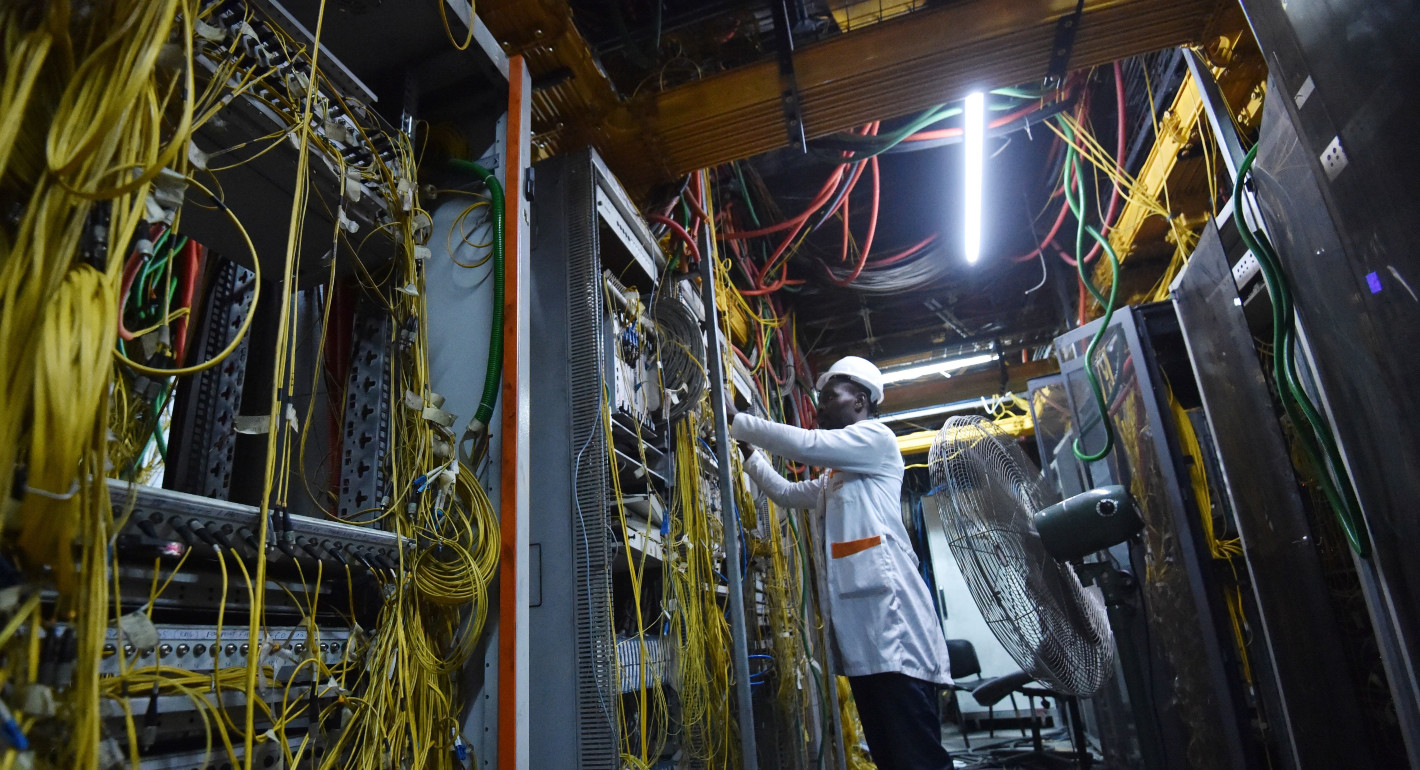
  • Photo of a man conducting repairs in a technical center, surrounded by wires.
    Article
    Africa’s Digital Infrastructure Imperative

    The Africa Technology Policy Tracker reveals policymakers’ priorities for the continent’s digital transformation.
      Jane Munga
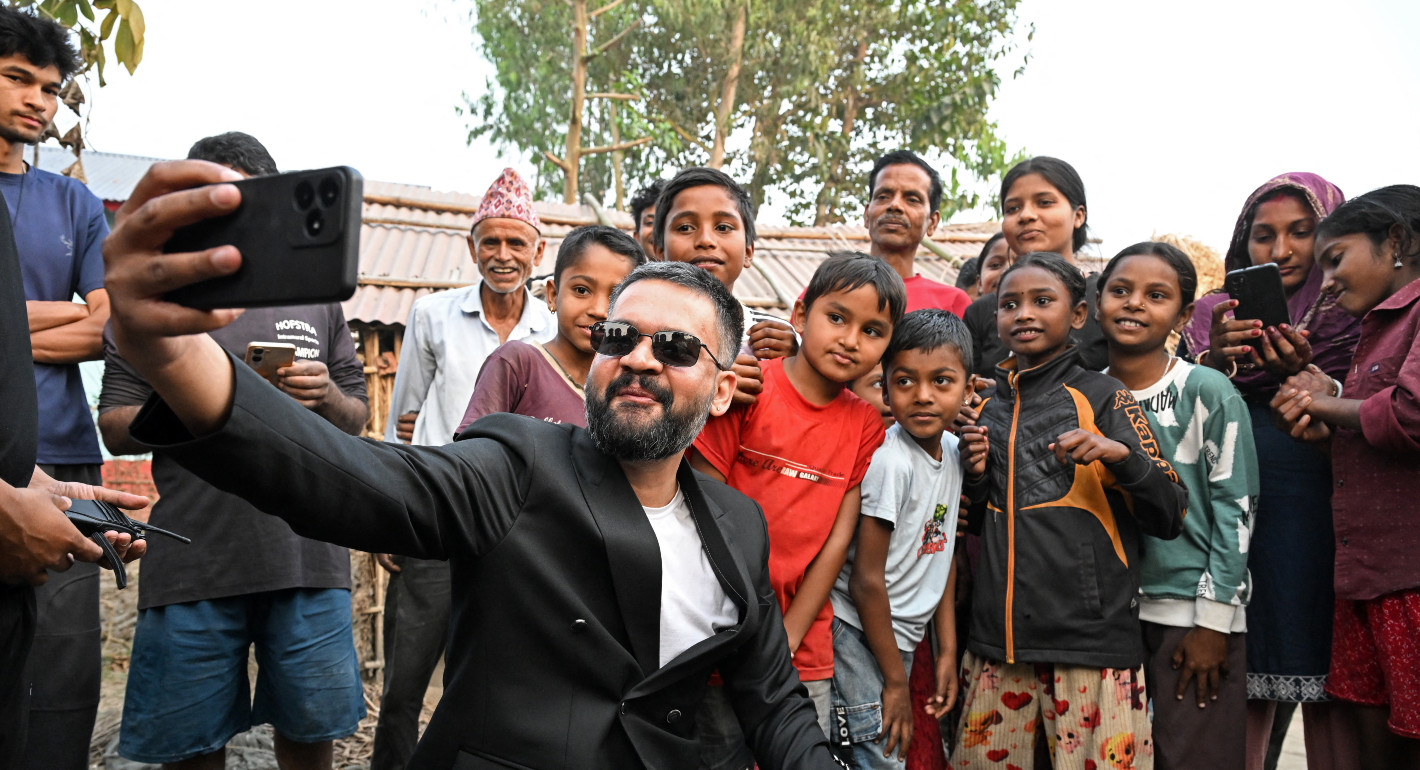
  • Photo of Balen Shah taking a selfie with a group of Nepali adults and children.
    Article
    A New Generation Takes Power in Nepal

    The incoming government has swept Nepal’s election. The real work begins now.
      Amish Raj Mulmi
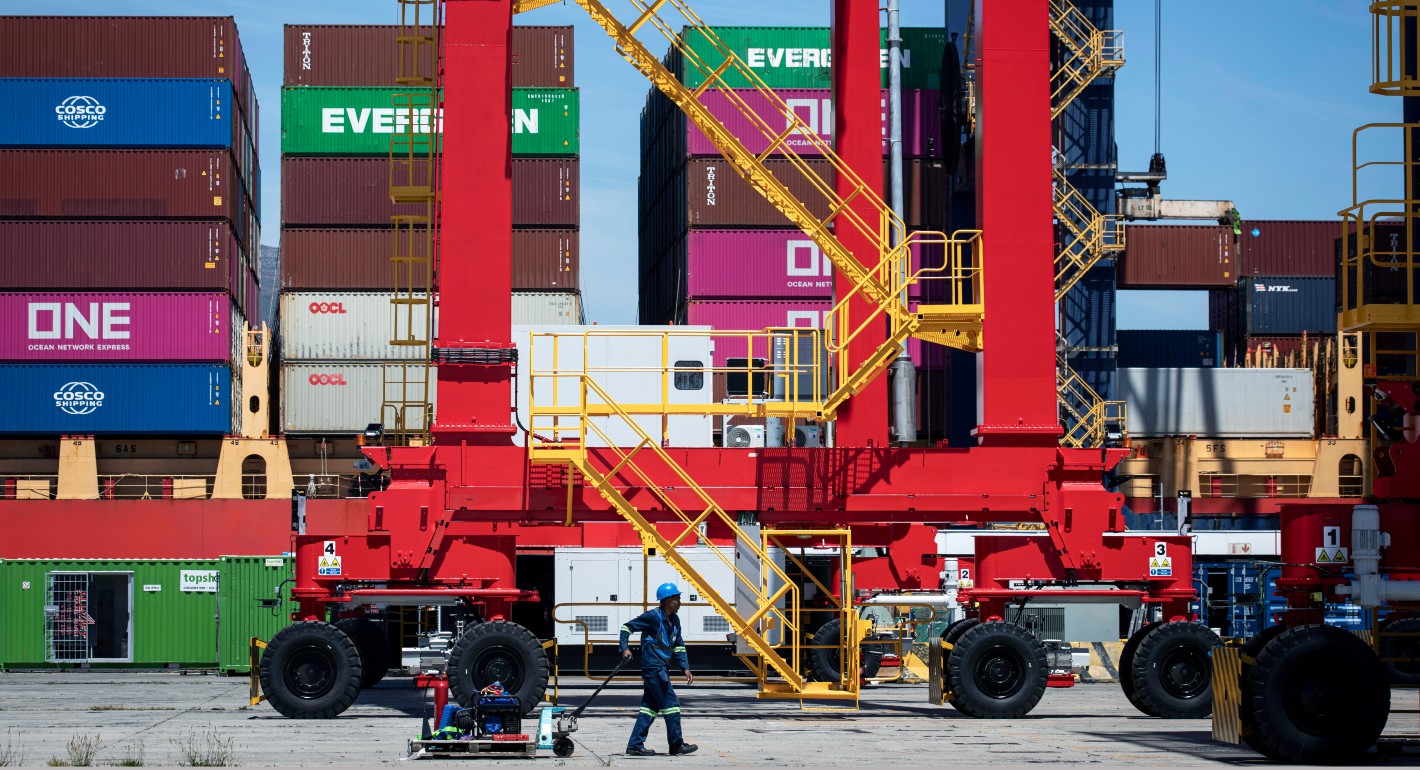
  • A Black man pulls a trolley. He is small in the bottom center of the frame; in the background are stacks of large, colorful shipping containers and the parts of a large crane or similar piece of equipment.
    Article
    Africa’s Global Economic Edge: Advancing Strategic Sectors

    In key sectors such as critical minerals, specialty agriculture, and fintech, Africa can become a global powerhouse by investing more in manufacturing, value-add, and scaling.
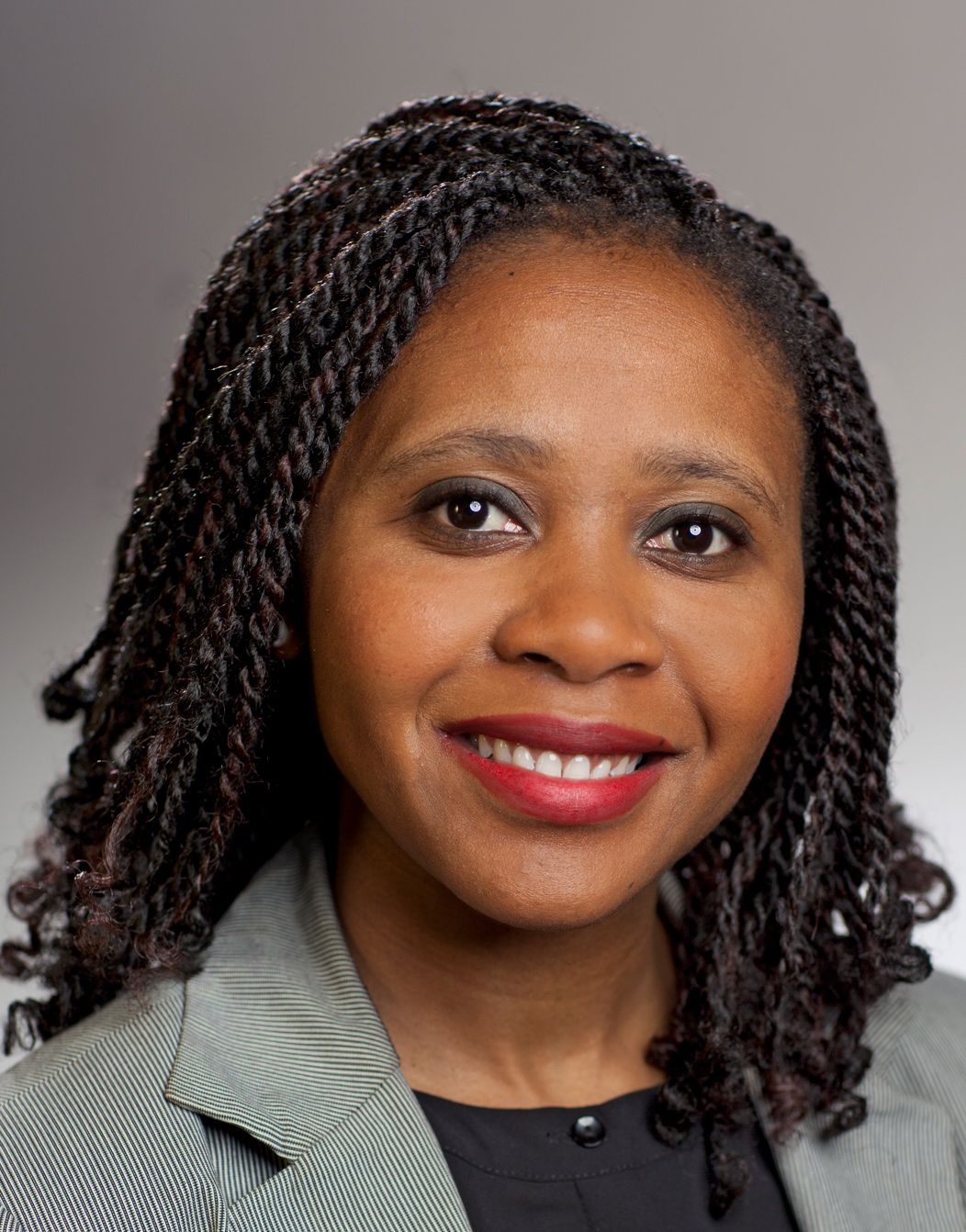
      • Kholofelo Kugler

      Kholofelo Kugler, Georgia Schaefer-Brown
  • Article
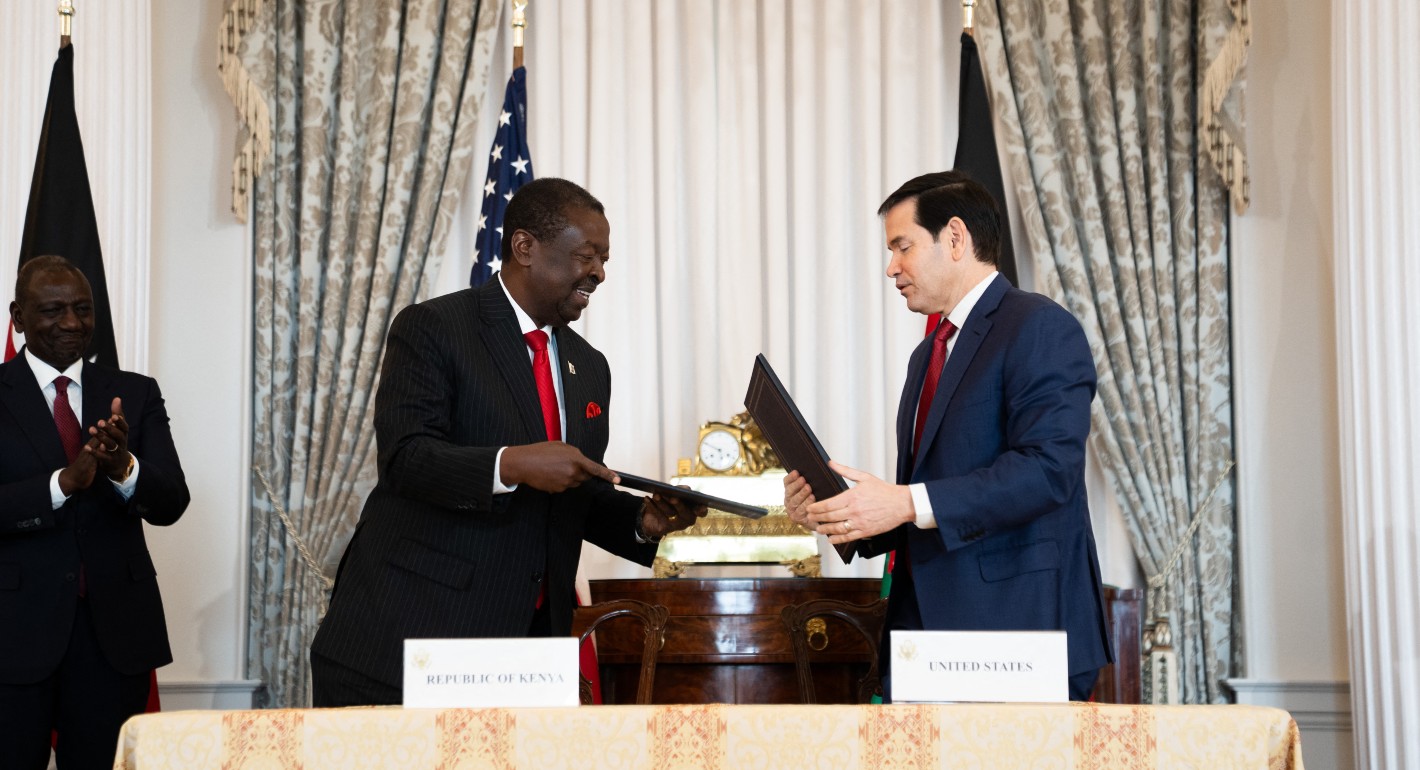
    Kenya’s Health Deal Is a Stress Test for the America First Global Health Strategy

    U.S. agreements must contend with national data protection laws to make durable foreign policy instruments.
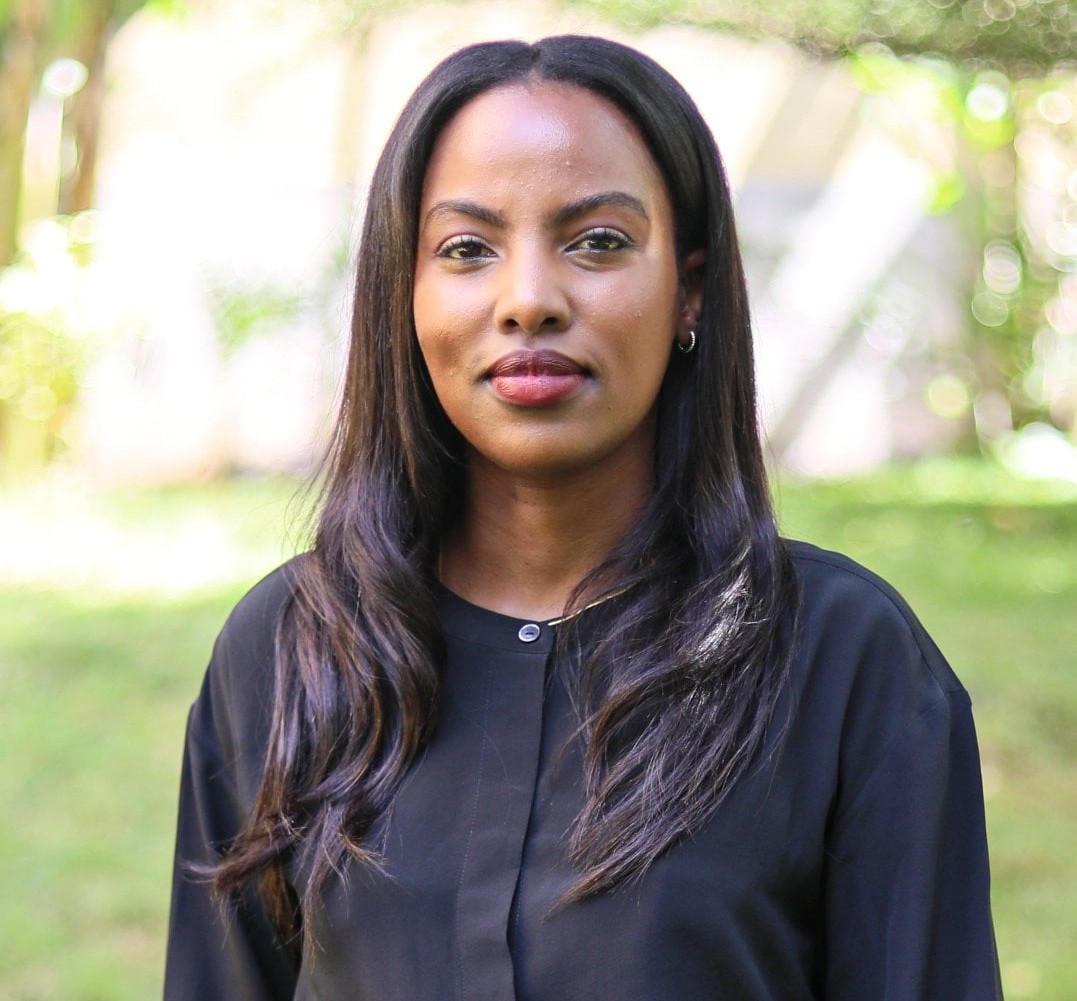
      • A Black woman with long hair wears a black blazer

      Jane Munga, Rose Mosero

Get more news and analysis from
Carnegie Endowment for International Peace
Carnegie global logo, stacked
1779 Massachusetts Avenue NWWashington, DC, 20036-2103Phone: 202 483 7600Fax: 202 483 1840
  • Research
  • Emissary
  • About
  • Experts
  • Donate
  • Programs
  • Events
  • Blogs
  • Podcasts
  • Contact
  • Annual Reports
  • Careers
  • Privacy
  • For Media
  • Government Resources
Get more news and analysis from
Carnegie Endowment for International Peace
© 2026 Carnegie Endowment for International Peace. All rights reserved.