
• Research
  • Emissary
  • About
  • Experts
Carnegie Global logoCarnegie lettermark logo
DemocracyIran
  • Donate
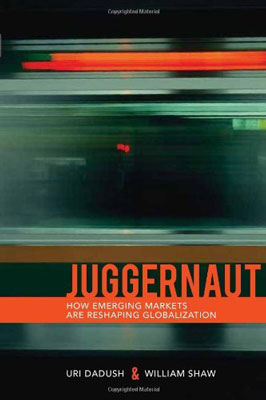
Juggernaut: How Emerging Markets Are Reshaping Globalization
Book

Juggernaut: How Emerging Markets Are Reshaping Globalization

In the years to come, the rise of emerging economies will reshape the global economic landscape. This monumental shift will enhance prosperity but also create great tensions that could stop progress in its tracks.

Link Copied
By Uri Dadush and William Shaw
Published on May 31, 2011

Additional Links

Nook - $10.39iTunes - $9.99Hardback - $49.95Paperback - $19.95Kindle - $9.99

Source: Washington

Against the long sweep of economic history, the current moment is special. Living standards advanced so rapidly and across so many countries over the last decade that it is difficult to think of parallels—even the deepest recession since the Great Depression did not halt progress.

In Juggernaut, Uri Dadush and William Shaw explore the rise of developing countries and how they will reshape the economic landscape. Dadush and Shaw project that the global economy will more than triple over the next forty years and the advance of a large group of developing countries—home to most of the world's population but seen as supplicants rather than trendsetters less than a generation ago—will drive this improvement. The authors systematically examine the effects of this seismic shift on the main avenues of globalization—trade, finance, migration, and the global commons—and identify the policy options available to leaders in managing the transformation.

In the years to come, the rise of emerging economies will likely enhance prosperity but also create great tensions that could slow the process or even stop it in its tracks. Juggernaut calls for leadership by the largest countries in managing these tensions, and underscores the need to cultivate a "global conscience."

Q&A with Dadush and Shaw

Advance Praise

…[R]ich in insights and readable…provides an overview of critical areas of policy interest. This book makes an original contribution to the discussion of the long term prospects of the world economy.…[I]nnovative. While there are studies of future world growth, none that I have seen covers quite the same ground.

— Kemal Dervis, vice president and director of Global Economy and Development at the Brookings Institution, former head of the United Nations Development Programme

About the Authors

Uri Dadush

Former Senior Associate, International Economics Program

Dadush was a senior associate at the Carnegie Endowment for International Peace. He focuses on trends in the global economy and is currently tracking developments in the eurozone crisis.

William Shaw

Former Visiting Scholar, International Economics Program

Shaw was a visiting scholar in Carnegie’s International Economics Program. He is the co-author of Juggernaut: How Emerging Markets Are Reshaping Globalization.

Authors

Uri Dadush
Former Senior Associate, International Economics Program
Uri Dadush
William Shaw
Former Visiting Scholar, International Economics Program
North AmericaUnited StatesEast AsiaChinaJapanSoutheast AsiaCaucasusRussiaWestern EuropeEconomyTrade

Carnegie does not take institutional positions on public policy issues; the views represented herein are those of the author(s) and do not necessarily reflect the views of Carnegie, its staff, or its trustees.

More Work from Carnegie Endowment for International Peace

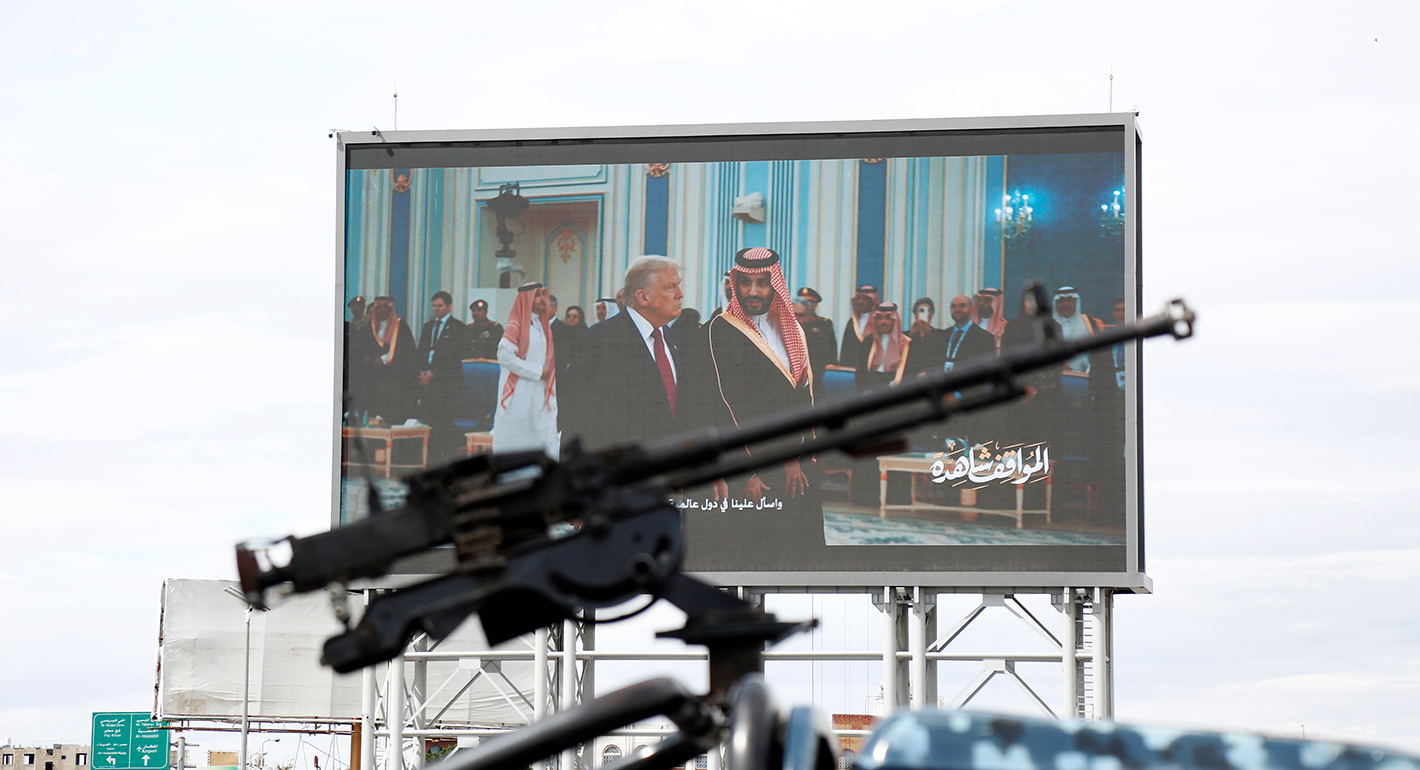
  •  A machine gun of a Houthi soldier mounted on a police vehicle next to a billboard depicting the U.S. president Donald Trump and Mohammed Bin Salman, the Crown Prince and Prime Minister of Saudi Arabia, during a protest staged to show support to Iran against the U.S.-Israel war on March 27, 2026 in Sana'a, Yemen.
    Collection
    The Iran War’s Global Reach

    As the war between the United States, Israel, and Iran continues, Carnegie scholars contribute cutting-edge analysis on the events of the war and their wide-reaching implications. From the impact on Iran and its immediate neighbors to the responses from Gulf states to fuel and fertilizer shortages caused by the effective shutdown of the Strait of Hormuz, the war is reshaping Middle East alliances and creating shockwaves around the world. Carnegie experts analyze it all.
  • Commentary
    Strategic Europe
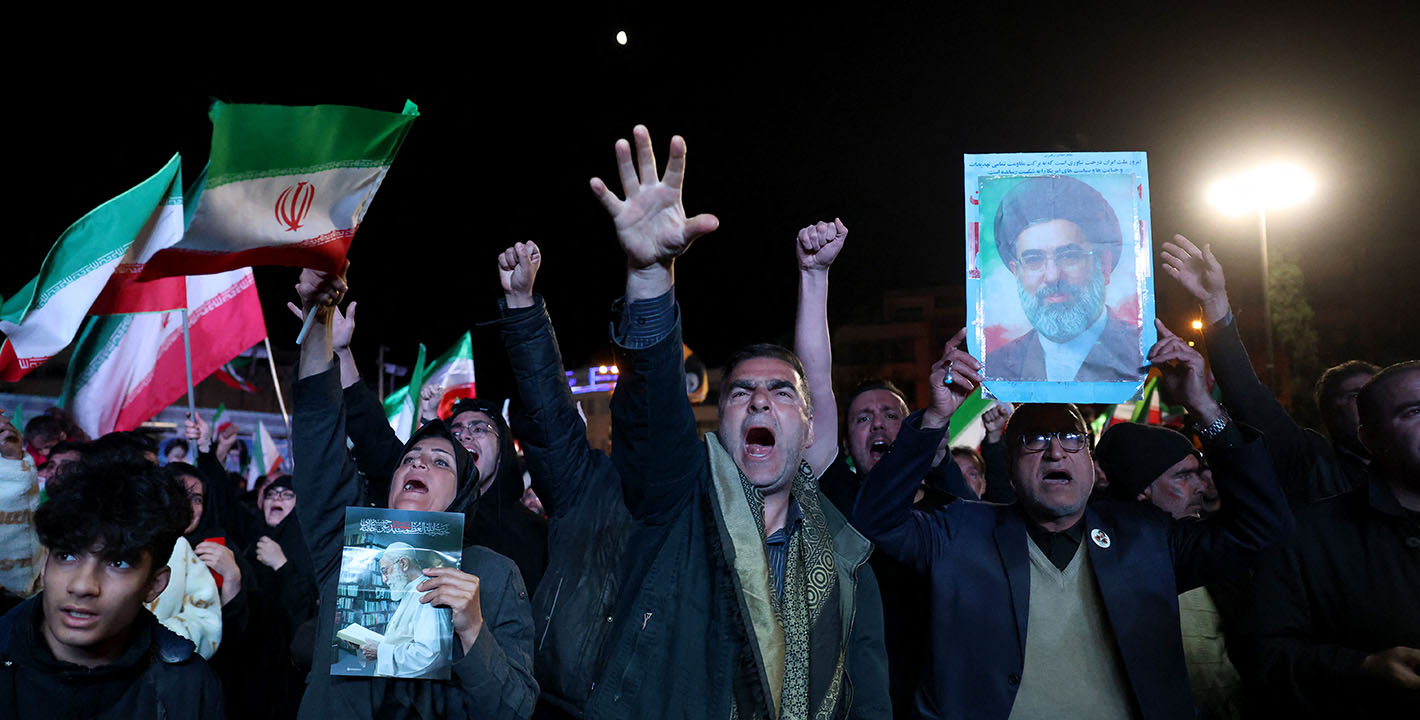
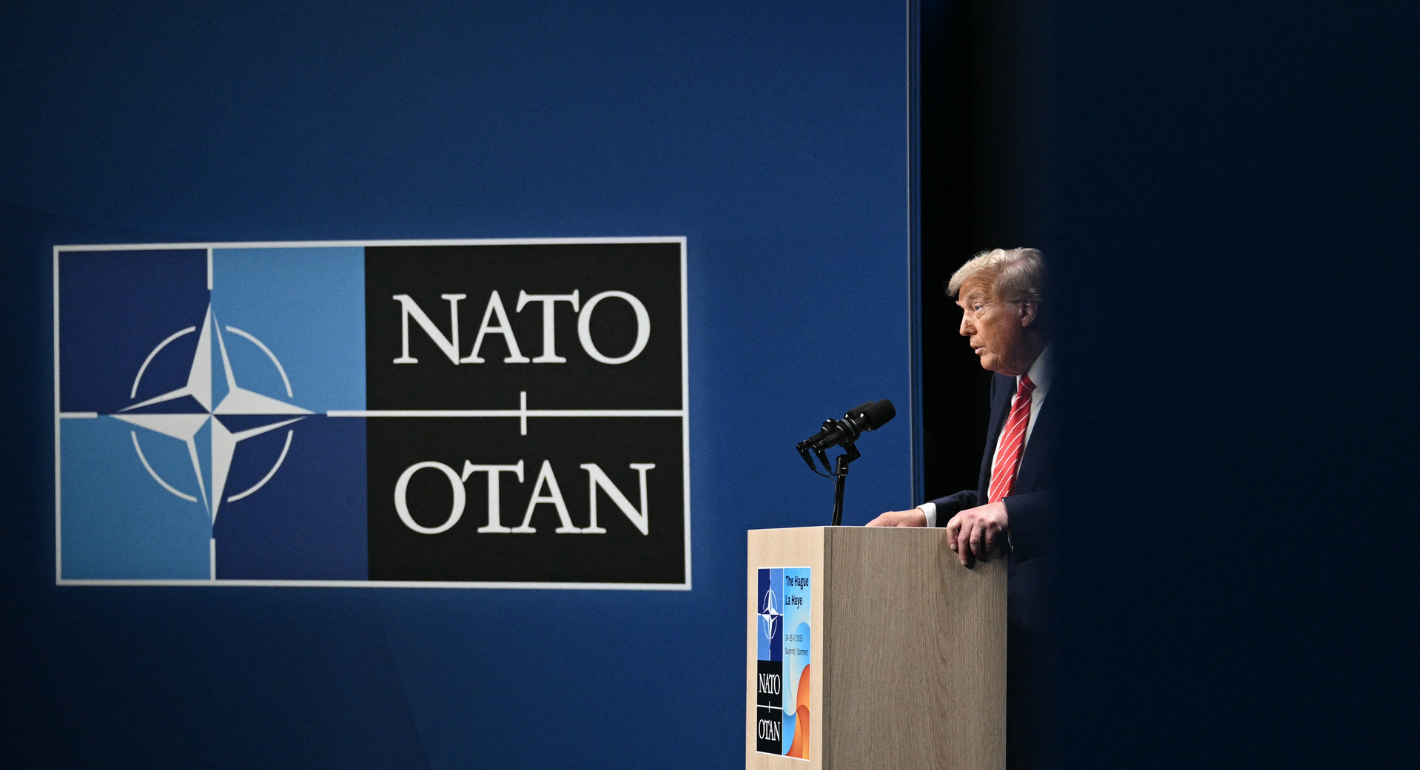
    Taking the Pulse: Can NATO Survive the Iran War?

    Donald Trump has repeatedly bashed NATO and European allies, threatening to annex Canada and Greenland and deploring their lack of enthusiasm for his war of choice in Iran. Is this latest round of abuse the final straw?

      • Rym Momtaz

      Rym Momtaz, ed.

  • A person faces away from the camera wearing a yellow jacket with "PRESS" printed across the back
    Paper
    The Impact of Ending U.S. International Media Assistance

    The future looks bleak for independent media worldwide, but there is a robust infrastructure of knowledge, organizations, and people to build upon.

      Daniel Sabet, Susan Abbott

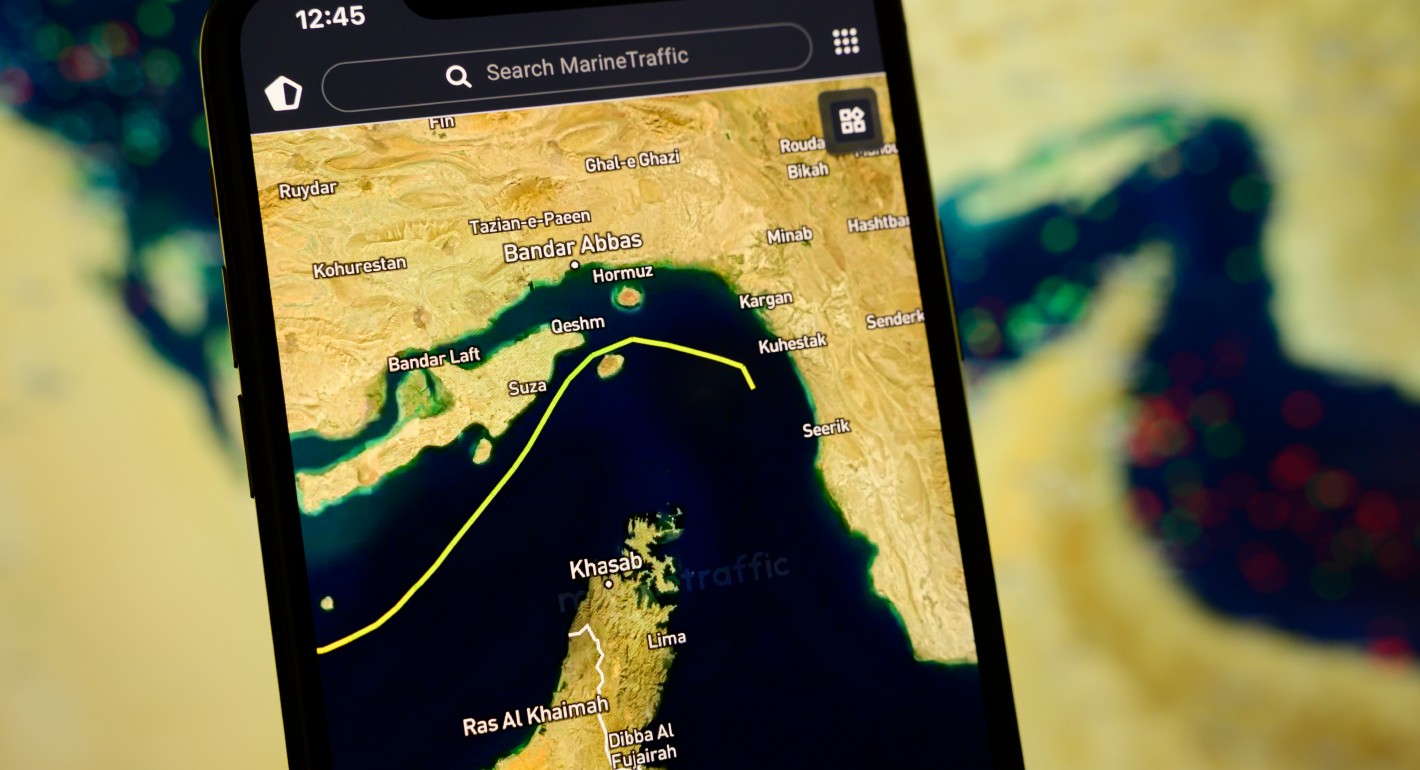
  • Map of Hormuz shipping traffic on a smartphone screen
    Commentary
    Emissary
    “It’s Not Like Turning a Switch On and Off”

    Why the Iran ceasefire isn’t a quick fix to the Strait of Hormuz energy crisis.

      Helima Croft, Aaron David Miller

  • Commentary
    Diwan
    The United States and Iran Have Agreed to a Two-Week Ceasefire

    Spot analysis from Carnegie scholars on events relating to the Middle East and North Africa.

      Michael Young

Get more news and analysis from
Carnegie Endowment for International Peace
Carnegie global logo, stacked
1779 Massachusetts Avenue NWWashington, DC, 20036-2103Phone: 202 483 7600Fax: 202 483 1840
  • Research
  • Emissary
  • About
  • Experts
  • Donate
  • Programs
  • Events
  • Blogs
  • Podcasts
  • Contact
  • Annual Reports
  • Careers
  • Privacy
  • For Media
  • Government Resources
Get more news and analysis from
Carnegie Endowment for International Peace
© 2026 Carnegie Endowment for International Peace. All rights reserved.