

Commentary
Montenegro and Albania are frontrunners for EU enlargement in the Western Balkans, but they can’t just sit back and wait. To meet their 2030 accession ambitions, they must make a strong positive case.
Dimitar Bechev, Iliriana Gjoni
{
  "authors": [],
  "type": "pressRelease",
  "centerAffiliationAll": "dc",
  "centers": [
    "Carnegie Endowment for International Peace"
  ],
  "collections": [],
  "englishNewsletterAll": "ctw",
  "nonEnglishNewsletterAll": "",
  "primaryCenter": "Carnegie Endowment for International Peace",
  "programAffiliation": "SCP",
  "programs": [
    "Sustainability, Climate, and Geopolitics"
  ],
  "projects": [],
  "regions": [
    "North America",
    "United States"
  ],
  "topics": [
    "Climate Change"
  ]
}
REQUIRED IMAGE
Mark Van Putten, president of ConservationStrategy LLC and former president of the National Wildlife Federation, will join the Carnegie Endowment for International Peace as a visiting scholar in September.
WASHINGTON—Mark Van Putten, president of ConservationStrategy LLC and former president of the National Wildlife Federation, will join the Carnegie Endowment for International Peace as a visiting scholar in September.
Van Putten will lead a new project at Carnegie evaluating public outreach strategies for addressing climate change, global biodiversity loss, and other critical environmental issues. The project will bring together notable environmental leaders and release recommendations for how to improve environmental policy making.
Making the announcement, Jessica T. Mathews, president of the Endowment, said:
“Mark is a well-known environmental leader and we are delighted he will be joining us and bringing his expertise to the pressing challenge of improving environmental policy making. Mark knows firsthand what it takes to be an effective environmental leader and is well positioned to identify best practices to solve environmental problems.”
Van Putten added:
“I am excited about the opportunity to work with Carnegie’s Energy and Climate Program. As we have seen in recent failures to adopt policies to control greenhouse gas emissions, there is pressing need to improve the conversation around environmental policy making. Working with Carnegie and with colleagues among environmental leaders, I am confident we can identify pathways for reaching consensus on pressing environmental problems.”
NOTES
Mark Van Putten is president and founder of ConservationStrategy LLC, which advises foundations on effective environmental grantmaking. He also serves on the Board of Directors of the Environmental Grantmakers Association.
Prior to founding ConservationStrategy in 2003, Van Putten served for 21 years on the staff of National Wildlife Federation (NWF), including nearly eight years as president and CEO. In that capacity, he testified before Congress and represented NWF at the highest levels of international and national policy making on a range of environmental issues. He built a grassroots network that achieved national legislative victories to restore the Everglades, protect the Arctic National Wildlife Refuge, reform environmentally damaging practices of the U.S. Army Corps of Engineers, and increase funding for state fish and wildlife programs.
Mark is also a Public Service/Public Interest Law Fellow at the University of Michigan Law School, where he previously founded and led the School’s Environmental Law Clinic. On the 30th anniversary of the Clean Water Act, he was named one of 30 nationwide “Clean Water Heroes.”
Press Contact: Karly Schledwitz, +1 202 939 2233, pressoffice@ceip.org
Carnegie does not take institutional positions on public policy issues; the views represented herein are those of the author(s) and do not necessarily reflect the views of Carnegie, its staff, or its trustees.
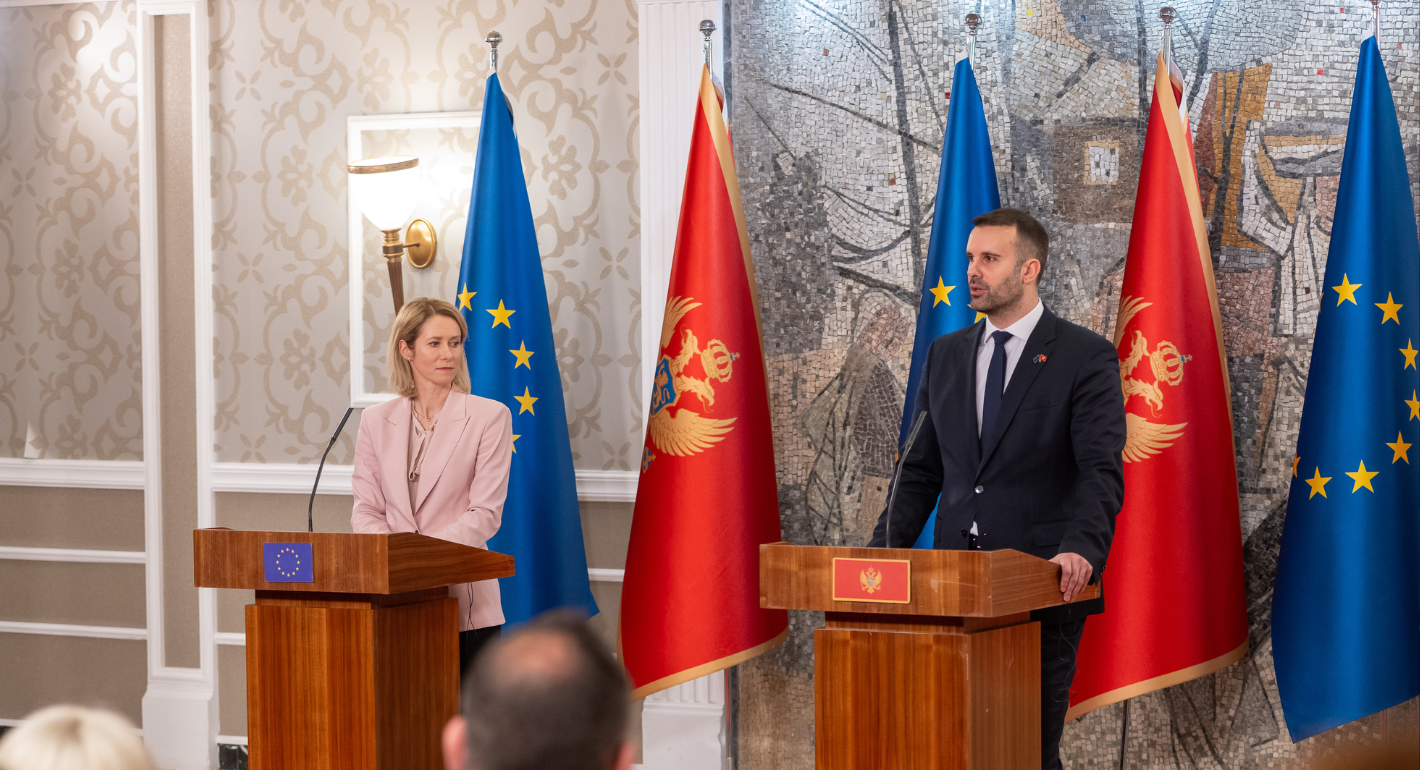
Montenegro and Albania are frontrunners for EU enlargement in the Western Balkans, but they can’t just sit back and wait. To meet their 2030 accession ambitions, they must make a strong positive case.


Dimitar Bechev, Iliriana Gjoni
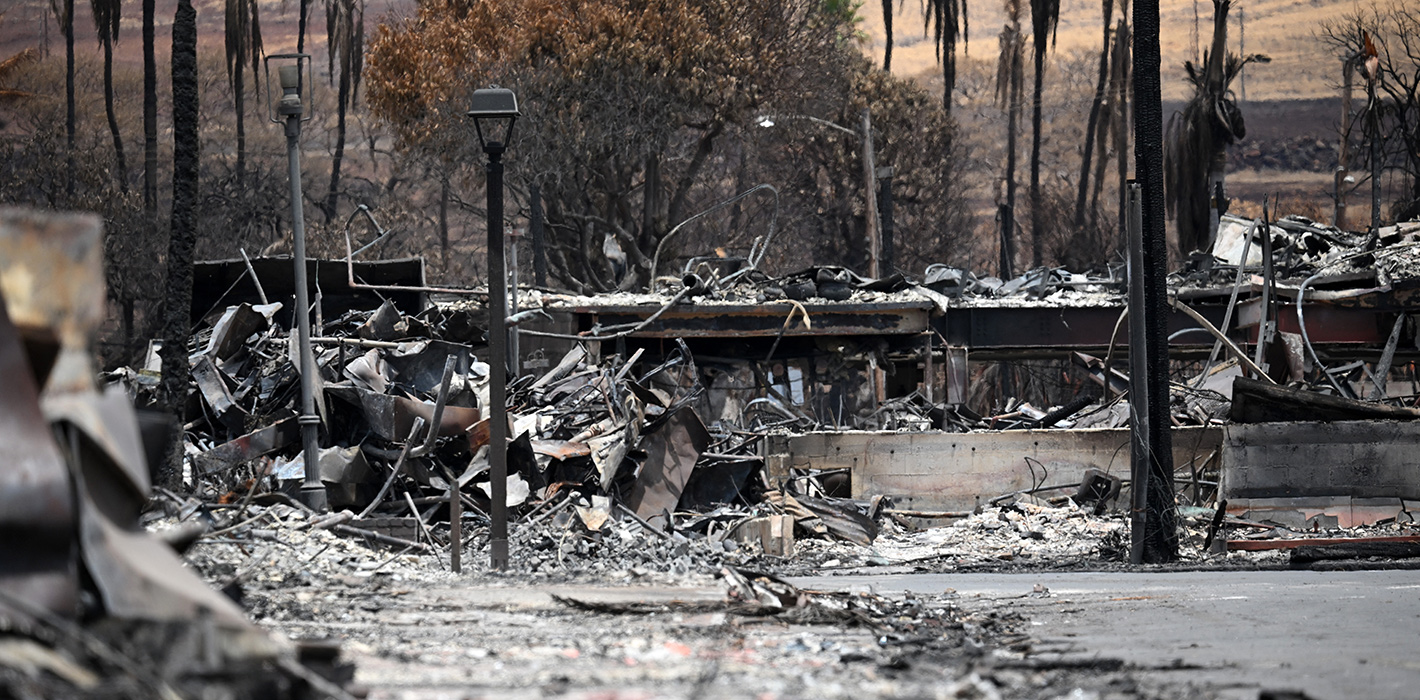
By reorganizing federal disaster policy around the rights of displaced people, the United States could unlock additional federal resources, accelerate the rebuilding of lives and livelihoods, and reduce suffering and economic disruption.
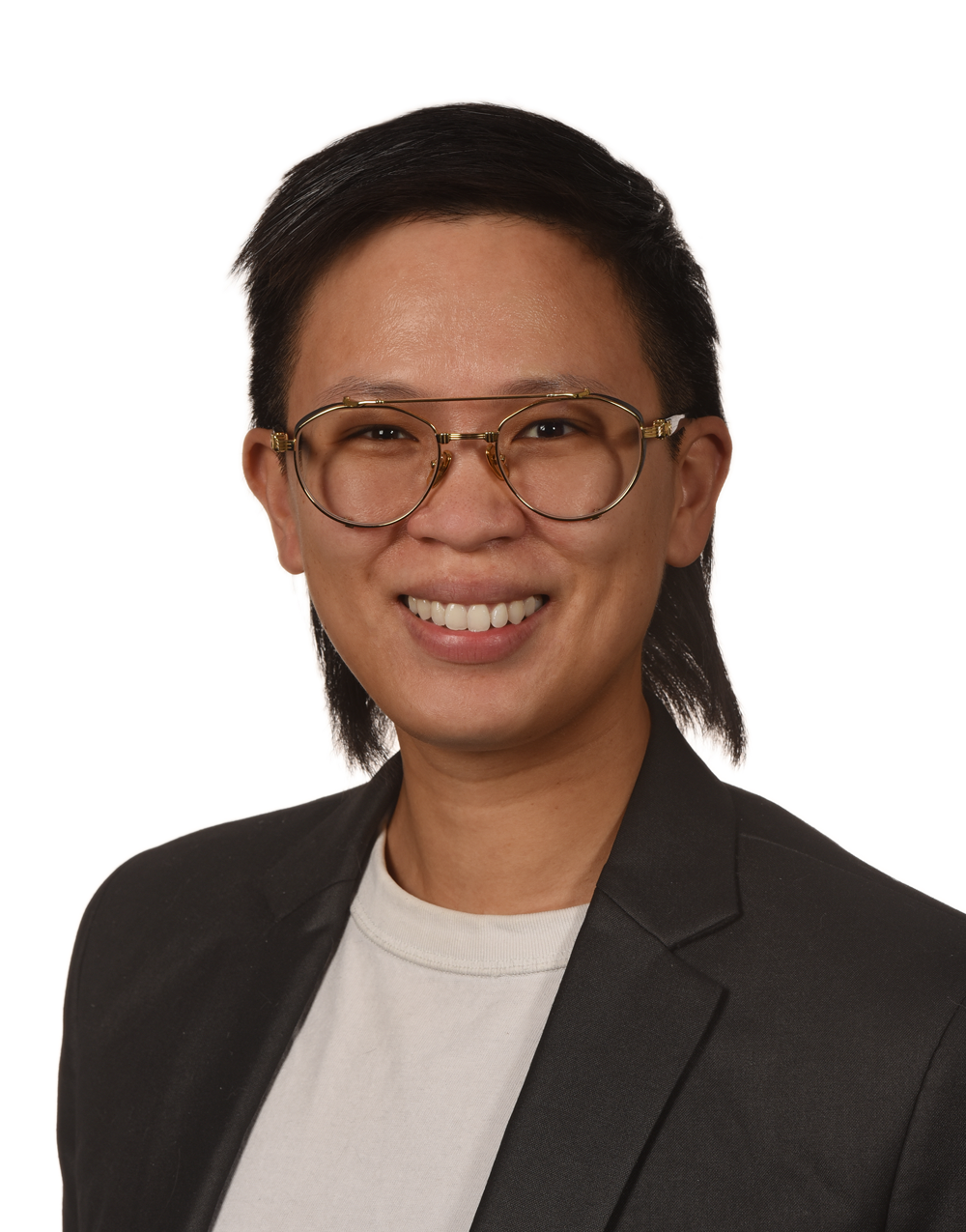
Kayly Ober

Its reinstatement should be celebrated, but it retains some major shortcomings.

Leonardo Martinez-Diaz
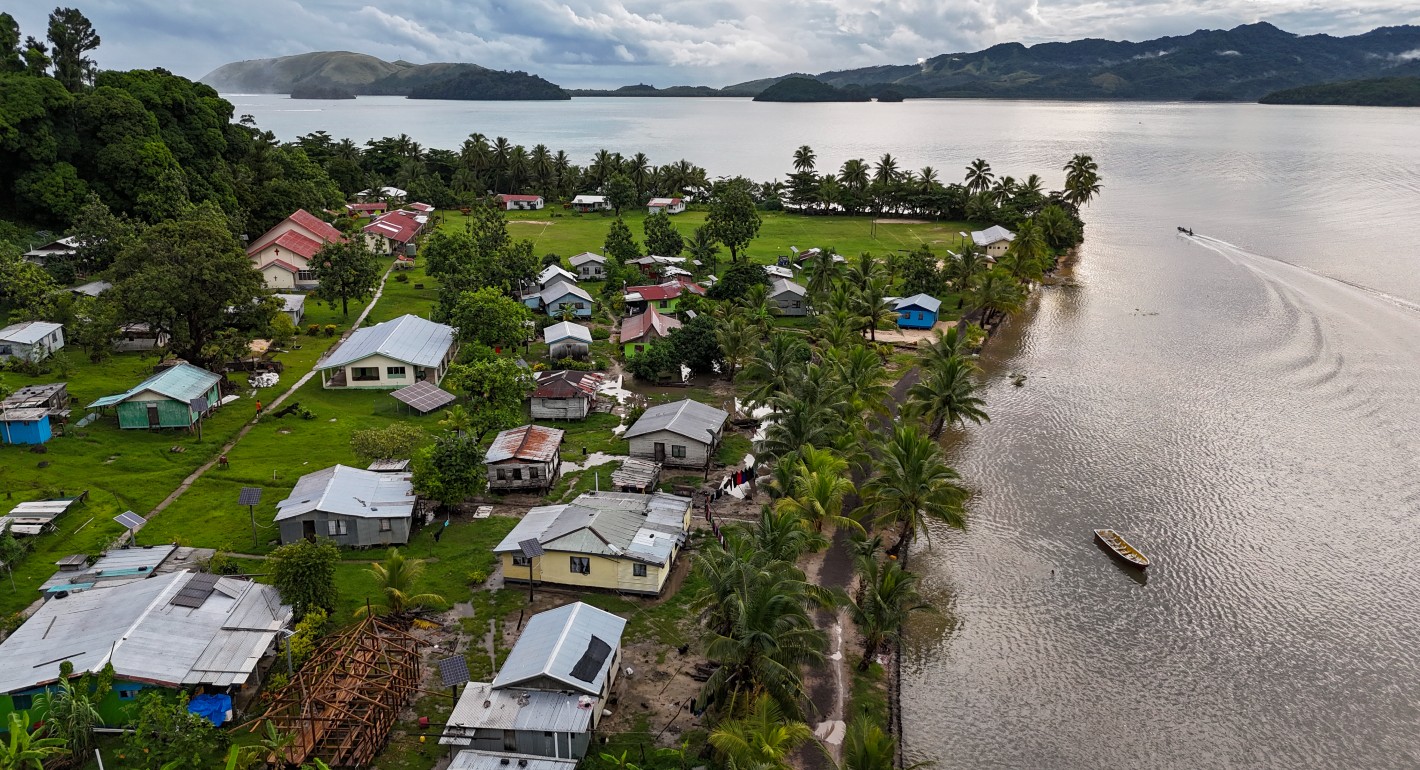
Climate mobility interventions can vary, but they all present opportunities to unlock transformative results that mitigate costs associated with inaction.

Alejandro Martin Rodriguez
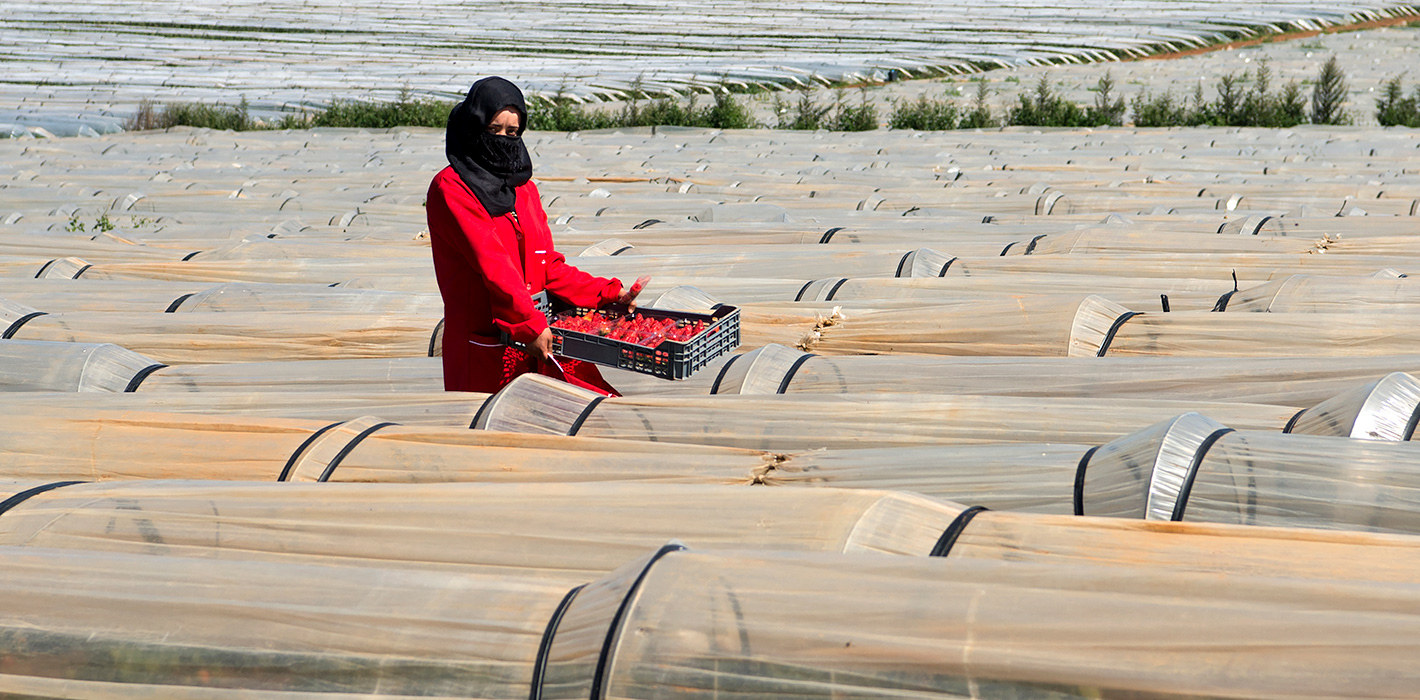
For Morocco, integrating gender into climate governance is not simply a matter of social justice. It is a strategic imperative for effective adaptation.
Fadwa Rajoauni