

Paper
George Perkovich
{
  "authors": [
    "George Perkovich"
  ],
  "type": "other",
  "centerAffiliationAll": "dc",
  "centers": [
    "Carnegie Endowment for International Peace"
  ],
  "collections": [
    "U.S. Nuclear Policy"
  ],
  "englishNewsletterAll": "ctw",
  "nonEnglishNewsletterAll": "",
  "primaryCenter": "Carnegie Endowment for International Peace",
  "programAffiliation": "NPP",
  "programs": [
    "Nuclear Policy"
  ],
  "projects": [],
  "regions": [
    "North America",
    "United States",
    "Caucasus",
    "Russia"
  ],
  "topics": [
    "Nuclear Policy"
  ]
}
Source: Getty
Recent developments in international security that narrow the utility of nuclear weapons in deterring war may alter the role nuclear weapons play in the dialogue between the imperatives of war prevention and justness.
Source: Thinking About Strategy

"It cannot be right to acquiesce uncritically for the rest of human history, in a system that maintains peace between potential adversaries partly by the threat of colossal disaster. Any serious moral stance must recognize a duty, alongside that of striving to reduce the costs and risks of nuclear armouries and maximizing their war-prevention benefits so long as they continue to exist, to work towards a world in which security can be maintained without incurring at all the burdens which they entail."1
The moral stance to which Quinlan referred has much to do with the doctrine of Just War. Indeed, in 2007 Quinlan and Charles Guthrie published a monograpgh on the topic: Just War: The Just War Tradition: Ethics in Modern Warfare. This continued Sir Michael's long effort to reconcile doctrines and policies of nuclear deterrence with ethical principles he cherished as a conscious Catholic.
The present essay seeks to extend the dialogue between the imperatives of war prevention - specifically the role of nuclear deterrence in it - and justness. In doing so I look beyond the ethical tradition that Sir Michael explored so intently and thoughtfully. I draw briefly on research in evolutionary biology, psychology and politics to widen the meaning and importance of justice, while reflecting on recent developments in international security that narrow the utility of nuclear weapons in deterring war. I conclude by suggesting that these new perspectives add weight and feasability to the imperative that Quinaln recognized to work toward a world without nuclear weapons.
1. Michael Quinlan, Thinking about Nuclear Weapons, Oxford University Press, 2009, p. 54.

Japan Chair for a World Without Nuclear Weapons, Senior Fellow
George Perkovich is the Japan Chair for a World Without Nuclear Weapons and a senior fellow in the Carnegie Endowment for International Peace’s Nuclear Policy Program. He works primarily on nuclear deterrence, nonproliferation, and disarmament issues, and is leading a study on nuclear signaling in the 21st century.
Recent Work
George Perkovich
George Perkovich
Carnegie does not take institutional positions on public policy issues; the views represented herein are those of the author(s) and do not necessarily reflect the views of Carnegie, its staff, or its trustees.

Five problems—and solutions—to make it actually work as a tool of great power competition.

Afreen Akhter
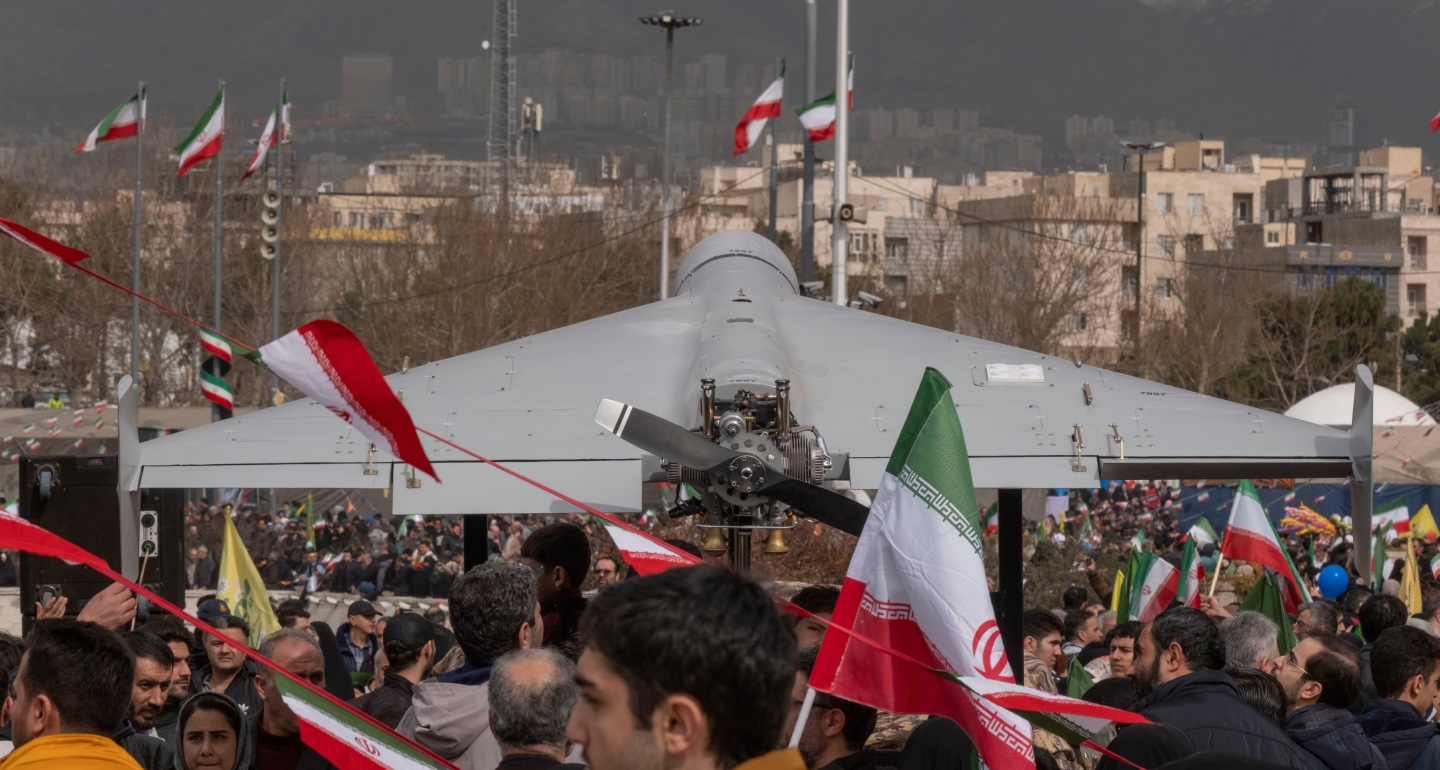
The Russian leadership wants to avoid a dangerous precedent in which it is squeezed out of Iran by the United States and Israel—and left powerless to respond in any meaningful way.

Nikita Smagin
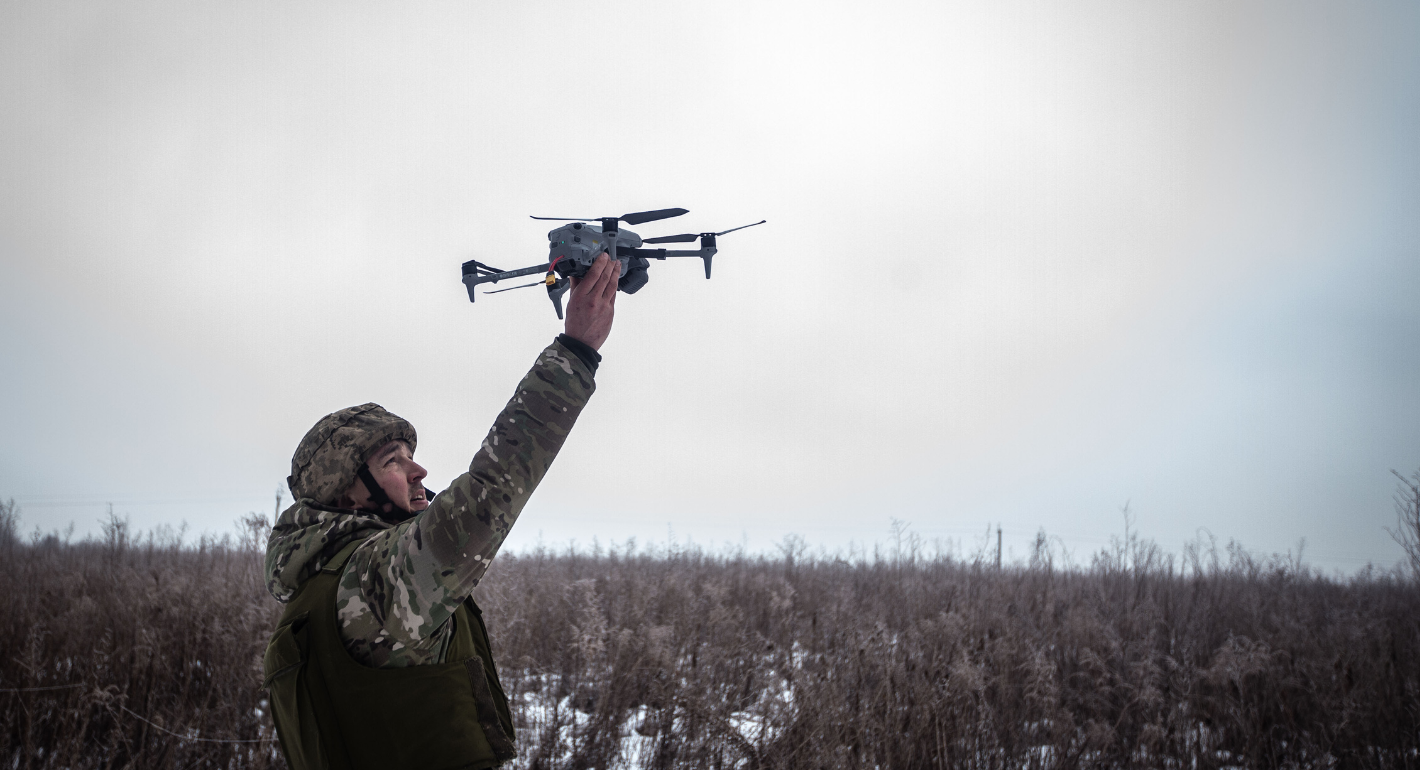
In Ukraine, Gaza, and Iran, AI warfare has come to dominate, with barely any oversight or accountability. Europe must lead the charge on the responsible use of new military technologies.

Raluca Csernatoni
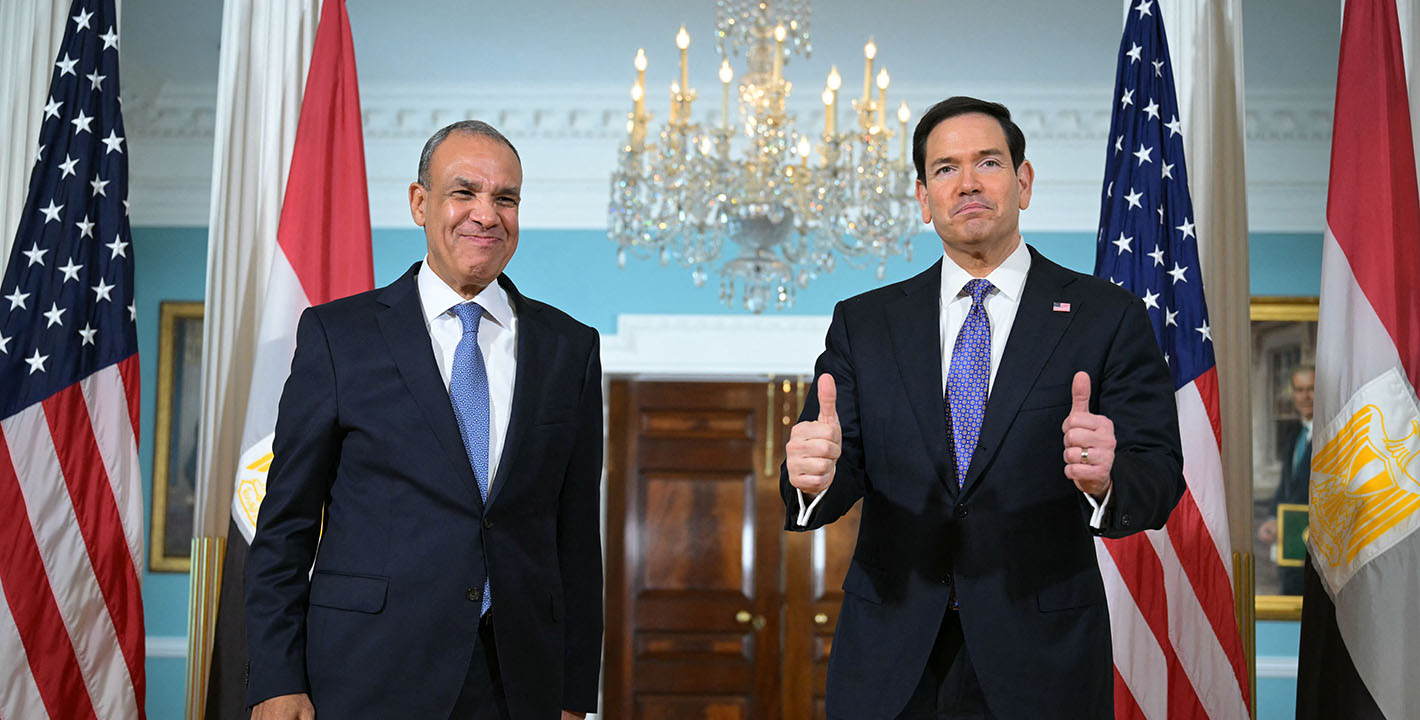
Cairo’s efforts send a message to the United States and the region that it still has a place at the diplomatic table.

Angie Omar
It’s true that many Armenians would vote for anyone just to be rid of Pashinyan, whom they blame for the loss of Nagorno-Karabakh, but the pro-Russia opposition is unlikely to be able to channel that frustration into an electoral victory.
Mikayel Zolyan