• Research
  • Emissary
  • About
  • Experts
Carnegie Global logoCarnegie lettermark logo
DemocracyIran
  • Donate
{
  "authors": [
    "Evan A. Feigenbaum"
  ],
  "type": "legacyinthemedia",
  "centerAffiliationAll": "dc",
  "centers": [
    "Carnegie Endowment for International Peace"
  ],
  "collections": [],
  "englishNewsletterAll": "asia",
  "nonEnglishNewsletterAll": "",
  "primaryCenter": "Carnegie Endowment for International Peace",
  "programAffiliation": "AP",
  "programs": [
    "Asia"
  ],
  "projects": [],
  "regions": [
    "South Asia",
    "Pakistan",
    "East Asia",
    "China"
  ],
  "topics": []
}
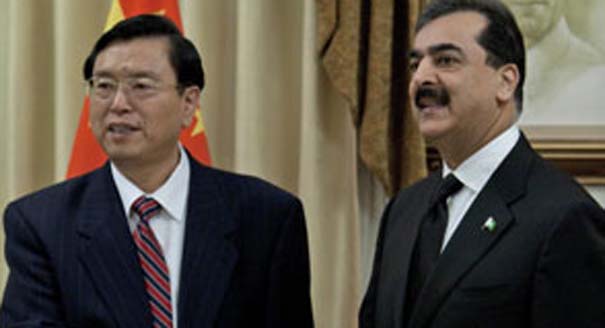
Source: Getty

In The Media

China’s Pakistan Conundrum: The End of the All-Weather Friendship

China will not simply bail out Pakistan with loans, investment, and aid, as those watching the deterioration of U.S.-Pakistani relations seem to expect. Rather, China will pursue profits, security, and geopolitical advantage regardless of Islamabad's preferences.

Link Copied
By Evan A. Feigenbaum
Published on Dec 4, 2011
Program mobile hero image

Program

Asia

The Asia Program in Washington studies disruptive security, governance, and technological risks that threaten peace, growth, and opportunity in the Asia-Pacific region, including a focus on China, Japan, and the Korean peninsula.

Learn More

Source: Foreign Affairs

China is often called an "all-weather friend" to Pakistan -- a strategic partner, a reliable source of trade and aid, and Islamabad's closest military ally. Pakistani Prime Minister Yousef Raza Gilani has described the friendship between the two countries as "higher than mountains, deeper than oceans, stronger than steel, and sweeter than honey." In September, he told the visiting Chinese Public Security Minister Meng Jianzhu, "Your friends are our friends," continuing, "your enemies are our enemies, and your security is our security." 

But do things look so straightforward when viewed from Beijing? To be sure, Chinese money pours into places Western cash fears to tread. But Beijing is not oblivious to risk. In fact, Chinese money flows disproportionately to investments that carry little to no risk and deliver returns that, however modest, are predictable. Moreover, at least some Chinese companies have proved willing to abandon investments as their perception of risk has risen. In September, for example, Kingho, a large private Chinese miner, is reported to have abandoned a proposed $19 billion investment to build a coal mine and power and chemical plants in Pakistan's Sindh province after reassessing investment and security risks.
 
Indeed, Beijing's investment calculus is increasingly based on a sophisticated balancing of three types of risk: geopolitical, political, and financial.
 
Geopolitical risk (not least China's rivalry with India) has long led Beijing to support Islamabad through thick and thin. Friendly ties between the two help satisfy four Chinese strategic objectives: They ensure security and stability in China's western provinces and along its continental Asian border; anchor China's poorer western provinces in a web of cross-border economic activity; bottle up India in the subcontinent, forestalling the emergence of a continental-sized rival and precluding more extensive Indian security activities in East Asia; and assure that no other major power, particularly the United States, advances its interests in continental Asia at China's expense through, for instance, military deployments or permanent access arrangements...
 
Full text available in the Foreign Affairs. 

About the Author

Evan A. Feigenbaum

Vice President for Studies

Evan A. Feigenbaum is vice president for studies at the Carnegie Endowment for International Peace, where he oversees work at its offices in Washington, New Delhi, and Singapore on a dynamic region encompassing both East Asia and South Asia. He served twice as Deputy Assistant Secretary of State and advised two Secretaries of State and a former Treasury Secretary on Asia.

    Recent Work

  • Commentary
    In Its Iran War Debate, Washington Has Lost the Plot in Asia

      Evan A. Feigenbaum

  • Commentary
    Beijing Doesn’t Think Like Washington—and the Iran Conflict Shows Why

      Evan A. Feigenbaum

Evan A. Feigenbaum
Vice President for Studies
Evan A. Feigenbaum
South AsiaPakistanEast AsiaChina

Carnegie does not take institutional positions on public policy issues; the views represented herein are those of the author(s) and do not necessarily reflect the views of Carnegie, its staff, or its trustees.
More Work from Carnegie Endowment for International Peace

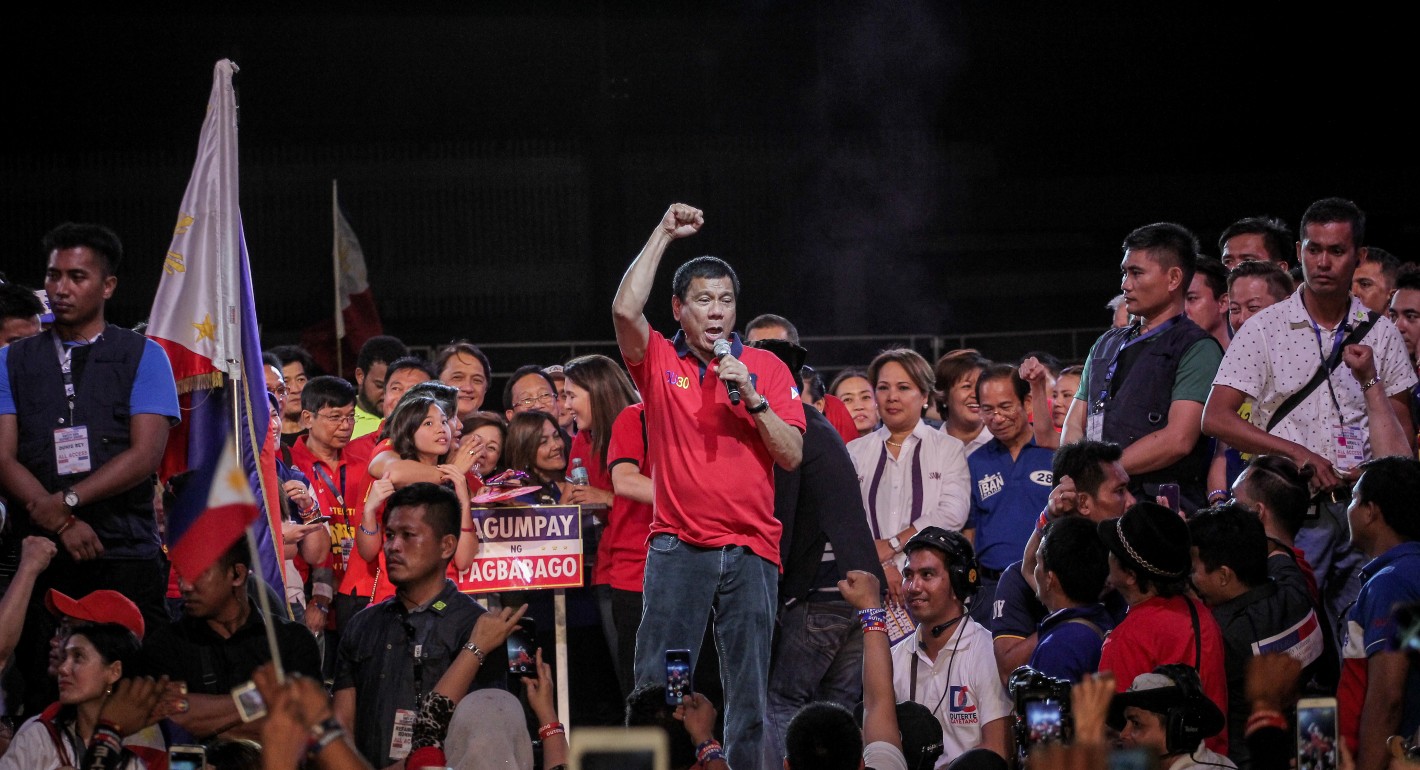
  • Duterte stands with his fist raised and a crowd of people stand behind him
    Paper
    Duterte’s Populist Foreign Policy as Illiberal Defiance: Consequences and Prospects

    In the Philippines, Duterte-era discourse emphasizing sovereignty, anti-Western skepticism, and strongman diplomacy mirrors tenets of populist foreign policy around the world.
      Aries A. Arugay
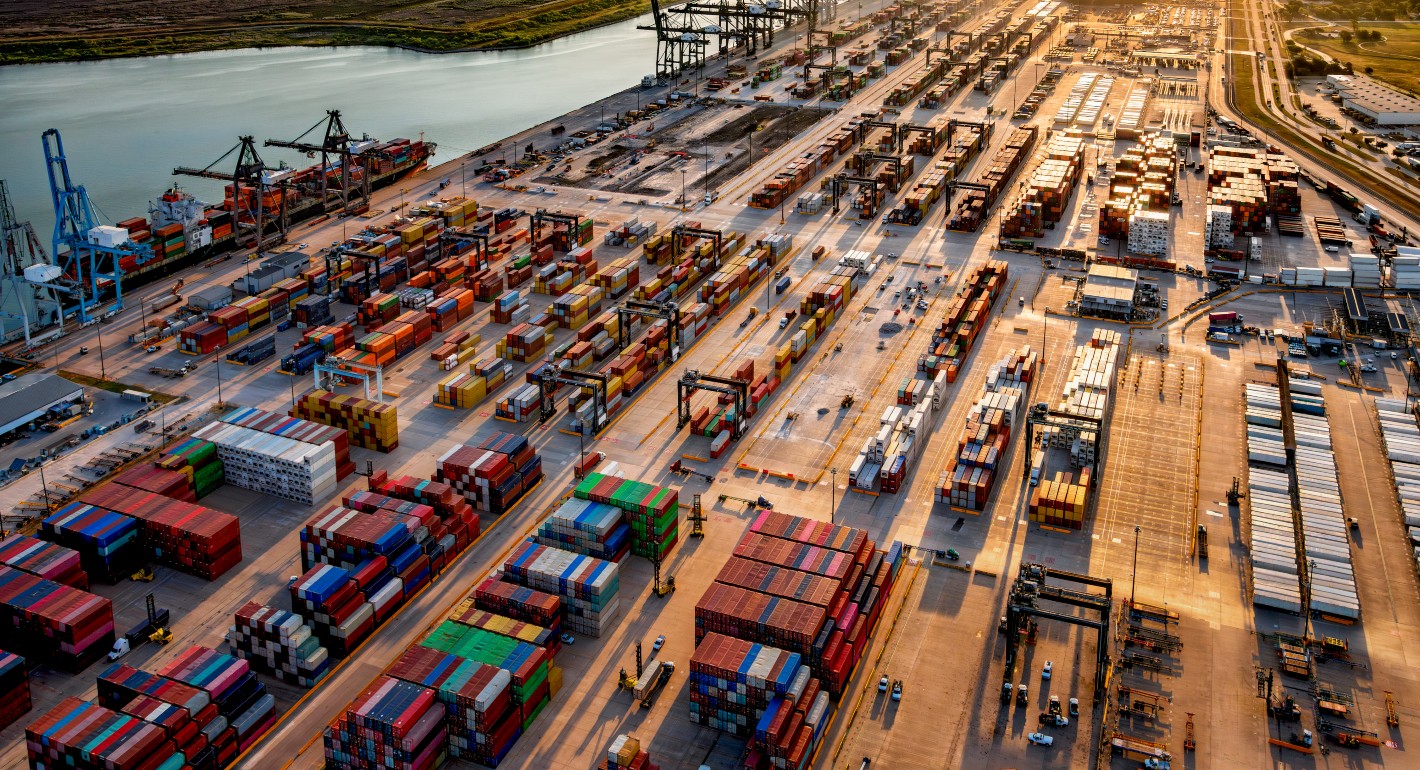
  • Shipping port at dawn from above
    Commentary
    Emissary
    The U.S. Export-Import Bank Was Built for a Different Era. Here's How to Fix It.

    Five problems—and solutions—to make it actually work as a tool of great power competition.

      • Afren Akhter

      Afreen Akhter

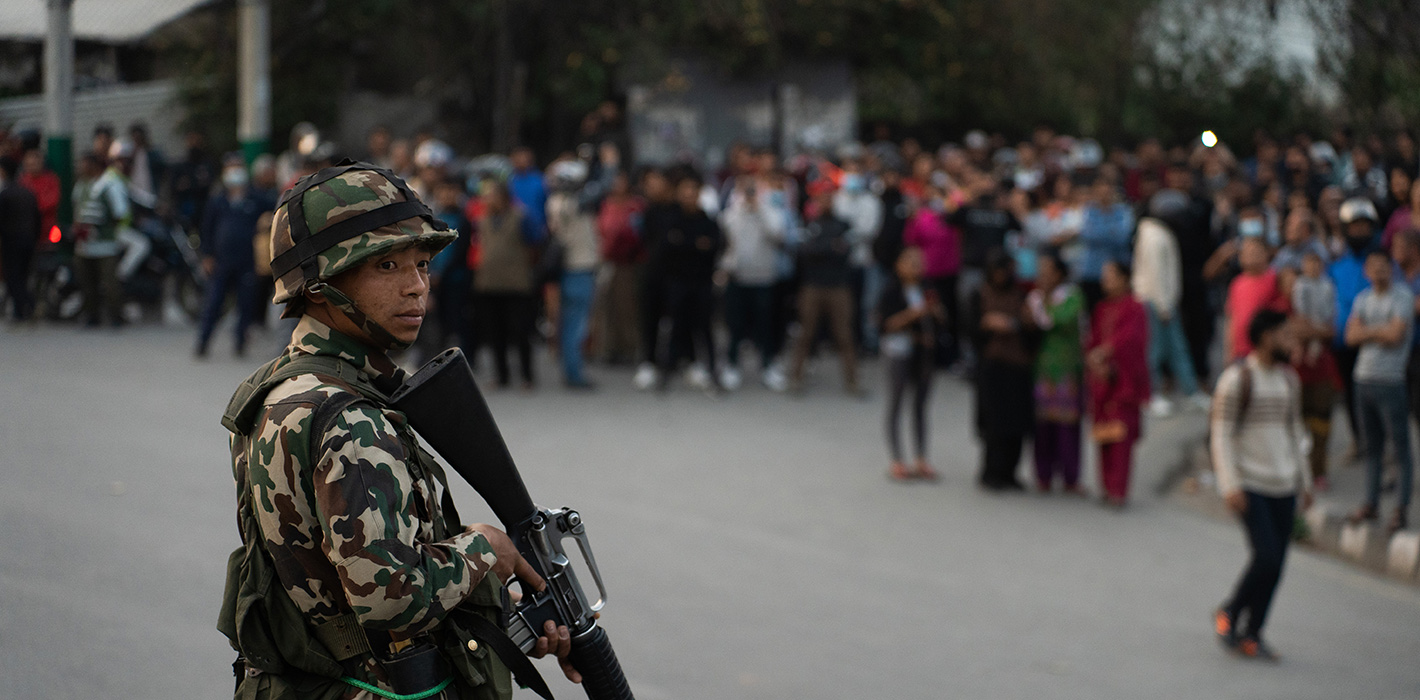
  • Army personnel stand guard after a pro-monarchy protest turns violent in Kathmandu, Nepal, on March 28, 2025.
    Article
    The Shadow of the Military in Modern South Asia

    Military rule is now a defining political factor in South Asia. Here’s how analysts can understand and account for it.

      Paul Staniland
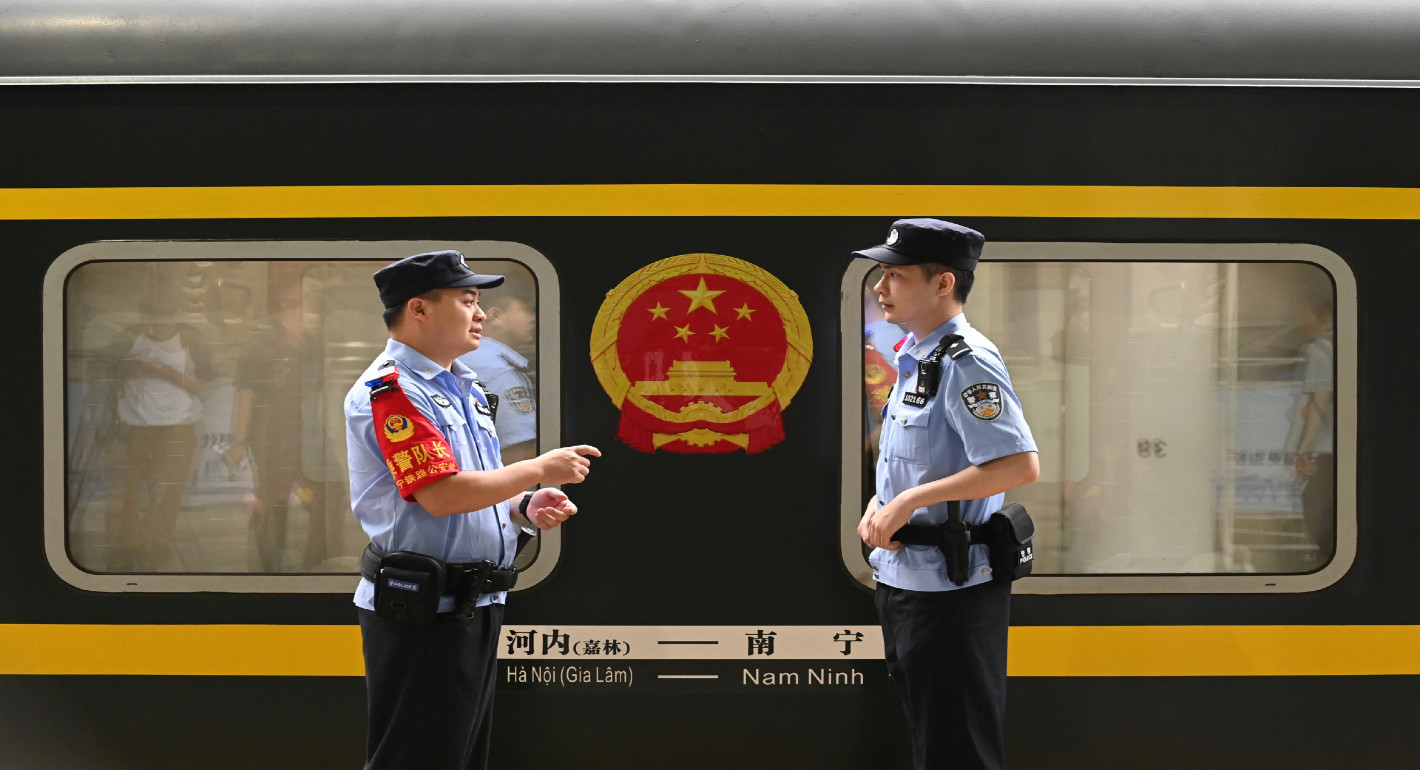
  • Article
    Leveraging Internal Security Cooperation with Vietnam Offers a Glimpse of Future Chinese Diplomacy with Southeast Asia

    Despite long-standing differences, China and Vietnam are reinforcing common ground for collaboration, especially in public security. This internal security–centered diplomacy offers a strengthened road map for how China moves forward with Southeast Asia.

      Sophie Zhuang
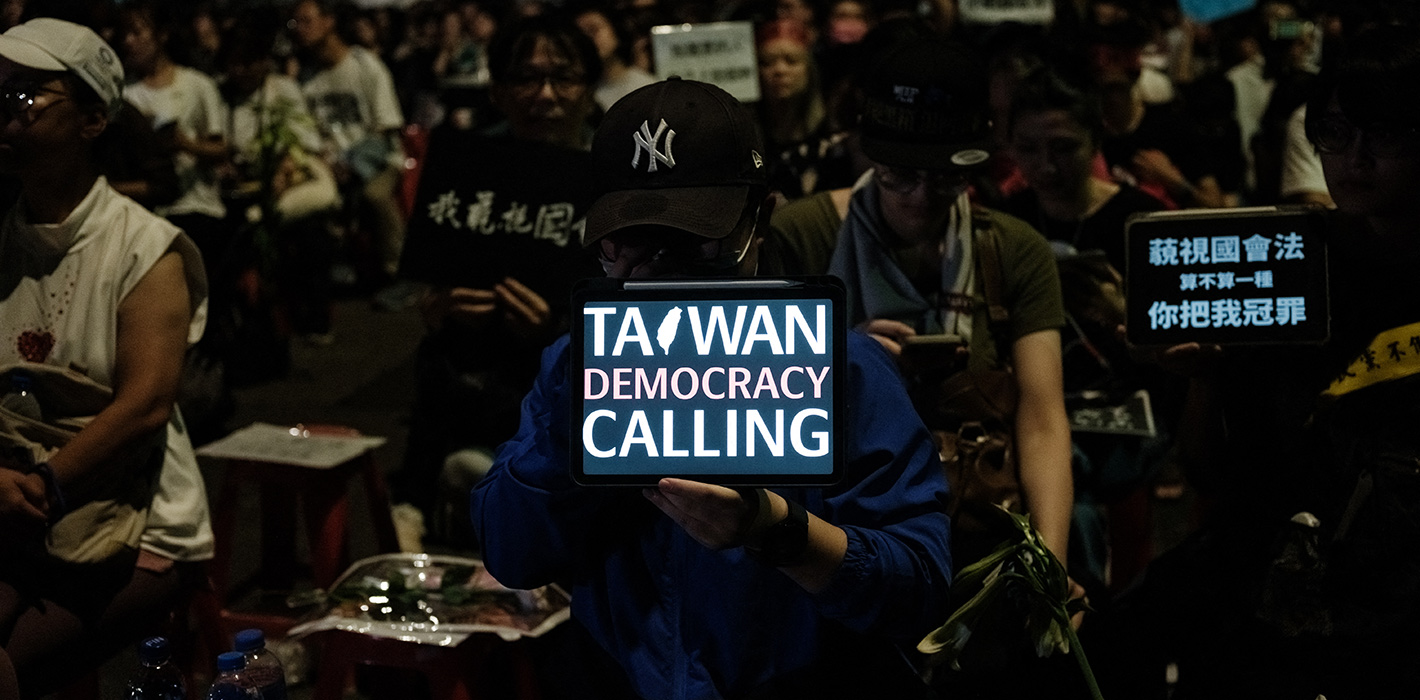
  • A demonstrator holds a tablet displaying a message as they occupy a road in protest against plans by the main opposition Kuomintang (KMT) and the Taiwan People's Party (TPP) to expand the parliamentary powers during the vote for the Parliament reform bill, outside the Parliament in Taipei on May 24, 2024. T
    Article
    Digital Hegemony and the Reification of Taiwan’s “Unification-Independence” Dichotomy

    Governments now deploy online platforms to shape public opinion and influence collective cognition. This is acutely apparent between China and Taiwan.
      • An Asian man with glasses wearing a sky blue collared shirt and black sweater stands in front of a statue of an antelope with a city skyline in the background

      Frank Cheng-Shan Liu

Get more news and analysis from
Carnegie Endowment for International Peace
Carnegie global logo, stacked
1779 Massachusetts Avenue NWWashington, DC, 20036-2103Phone: 202 483 7600
  • Research
  • Emissary
  • About
  • Experts
  • Donate
  • Programs
  • Events
  • Blogs
  • Podcasts
  • Contact
  • Annual Reports
  • Careers
  • Privacy
  • For Media
  • Government Resources
Get more news and analysis from
Carnegie Endowment for International Peace
© 2026 Carnegie Endowment for International Peace. All rights reserved.