Commentary
Yukon Huang, Isaac B. Kardon, Matt Sheehan
{
  "authors": [
    "Yukon Huang"
  ],
  "type": "legacyinthemedia",
  "centerAffiliationAll": "dc",
  "centers": [
    "Carnegie Endowment for International Peace"
  ],
  "collections": [],
  "englishNewsletterAll": "asia",
  "nonEnglishNewsletterAll": "",
  "primaryCenter": "Carnegie Endowment for International Peace",
  "programAffiliation": "AP",
  "programs": [
    "Asia"
  ],
  "projects": [],
  "regions": [
    "East Asia",
    "China"
  ],
  "topics": [
    "Economy"
  ]
}
Source: Getty
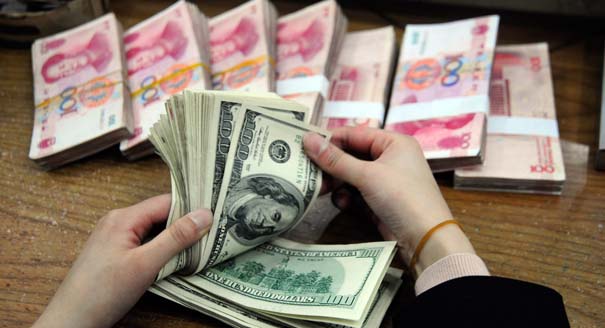
Even as the currency war between China and the United States recedes, the battle over foreign investment and technology transfer policies will continue to escalate in the coming months.
Source: Council on Foreign Relations

Over the past year, markets were fixated on China's economic slowdown given the unrealistic hope that continued double-digit growth might compensate for the problems afflicting the OECD economies. But slower growth will be good for China if it represents a more sustainable path. As a maturing economy, quality rather than quantity of growth is what now matters.
With slackened import demand in the United States and Europe, China's already much reduced trade surplus will continue to decline. The renminbi is no longer significantly out of line, although the United States will probably be the last to acknowledge the new reality.
Currency wars will recede as the source of tension for the two countries, but circumstances will push them to battle over foreign investment and technology transfer policies. This is evident in the recent outcries over security risks as Chinese firms seek greater access to the U.S. market and U.S. firms are pressured to share valuable technologies as the price for accessing China's market.
China is the center of an Asian production sharing network that brings in components from other countries for assembly with export of the final product to the West. But these are low paying assembly jobs, and the priority now is to develop more sophisticated product lines that can generate the better paying positions needed to sustain rapid growth.
Beijing believes that this needs to come through development of "indigenous" technology, as was the case with South Korea and Taiwan. This involves securing the technological expertise either from abroad or developing it locally with or without the involvement of foreign partners. Thus tensions over technology transfer and respect for intellectual property rights will likely dominate discussions between the United States and China this coming year even as the rhetoric over exchange rates moderates.
This piece was originally published by the Council on Foreign Relations.

Senior Fellow, Asia Program
Huang is a senior fellow in the Carnegie Asia Program where his research focuses on China’s economy and its regional and global impact.
Recent Work


Yukon Huang, Isaac B. Kardon, Matt Sheehan
Yukon Huang, Genevieve Slosberg
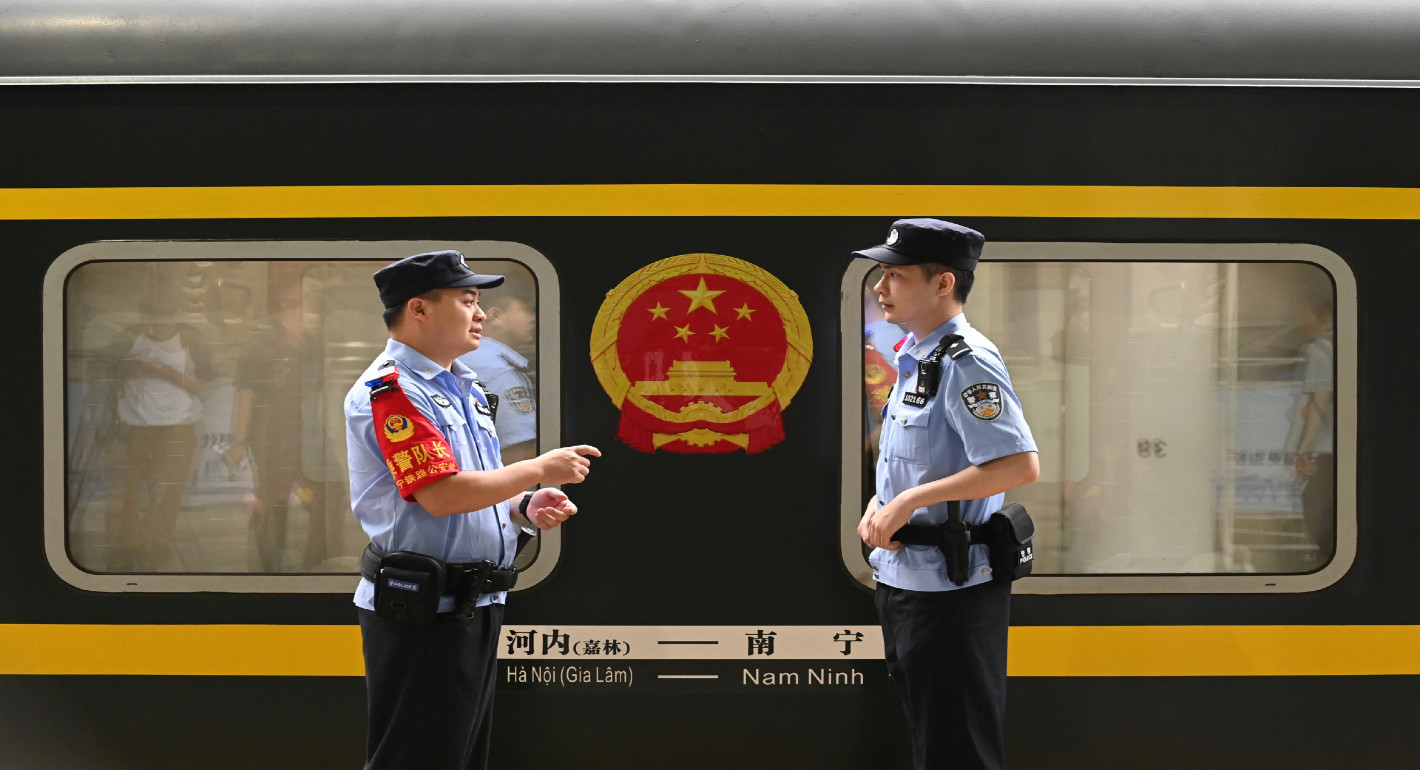
Despite long-standing differences, China and Vietnam are reinforcing common ground for collaboration, especially in public security. This internal security–centered diplomacy offers a strengthened road map for how China moves forward with Southeast Asia.
Sophie Zhuang
As the war between the United States, Israel, and Iran continues, Carnegie scholars contribute cutting-edge analysis on the events of the war and their wide-reaching implications. From the impact on Iran and its immediate neighbors to the responses from Gulf states to fuel and fertilizer shortages caused by the effective shutdown of the Strait of Hormuz, the war is reshaping Middle East alliances and creating shockwaves around the world. Carnegie experts analyze it all.

Across Asia, China is better positioned to withstand energy shocks from the fallout of the Iran war. Its abundant coal capacity can ensure stability in the near term. Yet at the same time, the country’s energy transition away from coal will make it even less vulnerable during the next shock.

Damien Ma
There is no better time for the countries of Southeast Asia to reconsider their energy security than during this latest crisis.

Gita Wirjawan

As conflict in the Middle East drives up fuel costs across Asia, Indonesia faces difficult policy trade-offs over subsidies, inflation, and fiscal credibility. President Prabowo’s personalized governance style may make these hard choices even harder to navigate.

Sana Jaffrey