

Commentary
Nathalie Tocci, Jan Techau
{
  "authors": [
    "Jan Techau"
  ],
  "type": "other",
  "centerAffiliationAll": "",
  "centers": [
    "Carnegie Endowment for International Peace",
    "Carnegie Europe"
  ],
  "collections": [],
  "englishNewsletterAll": "",
  "nonEnglishNewsletterAll": "",
  "primaryCenter": "Carnegie Europe",
  "programAffiliation": "",
  "programs": [],
  "projects": [],
  "regions": [
    "Europe",
    "Eastern Europe",
    "Western Europe"
  ],
  "topics": [
    "Foreign Policy",
    "Security"
  ]
}
Source: Getty
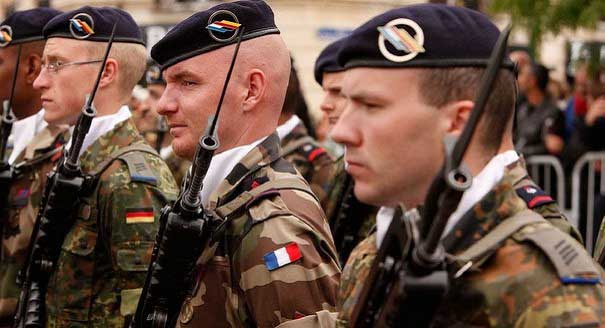
If member states want EU foreign policy to become more relevant, they cannot continue to dismiss hard power as a tool for the EU.
Source: Policy Paper
Europeans are not per se unwilling to use force to achieve political goals. They only seem to be unwilling to do so in the framework of the EU. The perceived absence of a shared threat, the differences in strategic culture, the institutional weaknesses, the lack of resources, the lack of ambition and trust, and the fact that, with NATO, a better alternative is at hand for the management of Europe’s hard power concerns, make it unlikely that the EU will become a relevant military operator any time soon. The structural, political impediments to more cohesive defense cooperation go so deep that economic pressure alone will not be enough of an incentive to unite their military activities within CSDP.
But if Member States want EU foreign policy to become more relevant, they can’t forever dismiss hard power as a tool for the EU. A serious conversation is needed at the highest level about shared threats, interests, goals and means.
This piece originally appeared in Notre Europe's Policy Paper, No. 65.
Director, Europe Team, Eurasia Group
Techau is director with Eurasia Group's Europe team, covering Germany and European security from Berlin. Previously, he was director of Carnegie Europe.
Recent Work

Nathalie Tocci, Jan Techau
Jan Techau
Carnegie does not take institutional positions on public policy issues; the views represented herein are those of the author(s) and do not necessarily reflect the views of Carnegie, its staff, or its trustees.
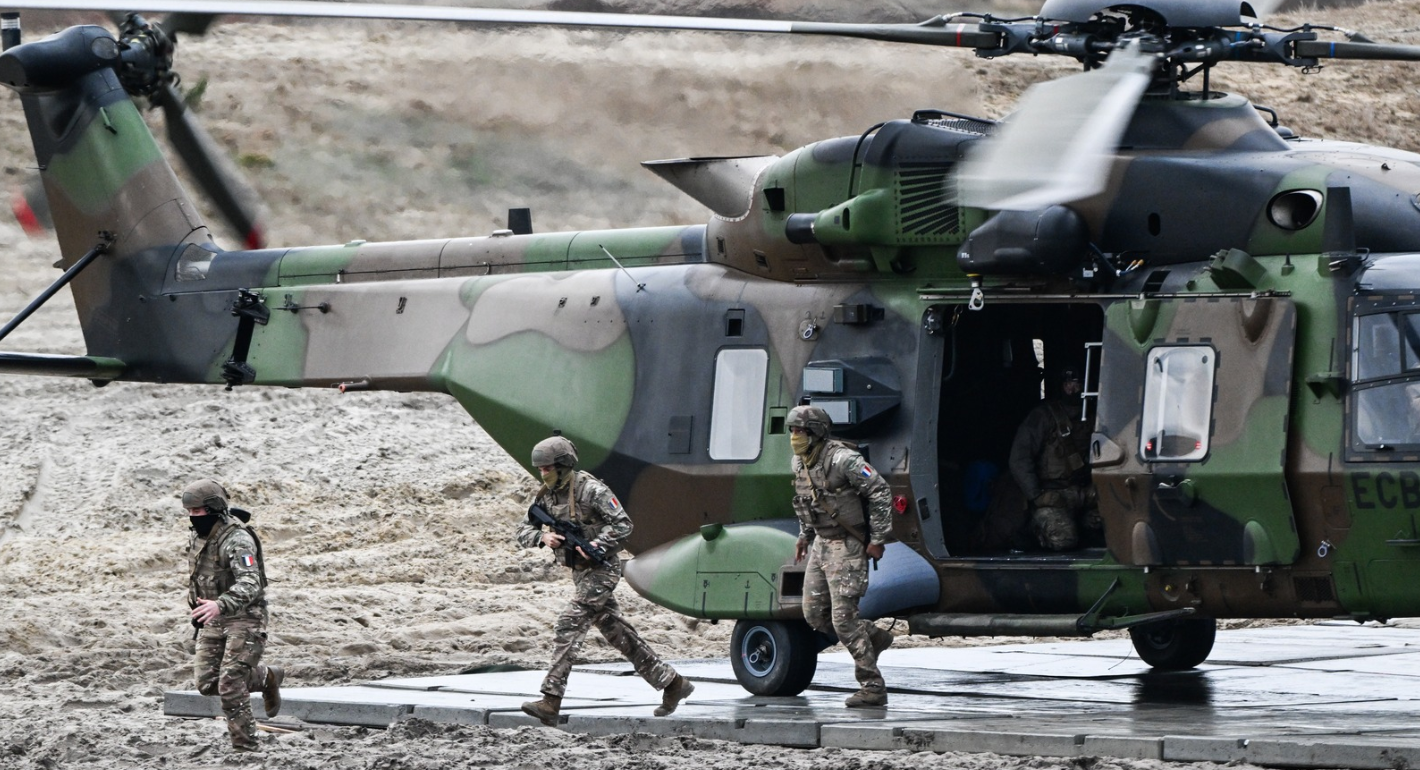
A trilateral summit in China was advertised as the new Yalta but yielded little more than a photo opportunity for Vladimir Putin. The real work was being done by the Europeans, quietly, in rural Poland.

Rym Momtaz

Recent interest in understanding competitive cyber statecraft has been motivated by the recognition that various states are pursuing both diplomatic and operational lines of effort to achieve their respective national strategic objectives in and through cyberspace.
Joe Devanny, Arthur P.B. Laudrain
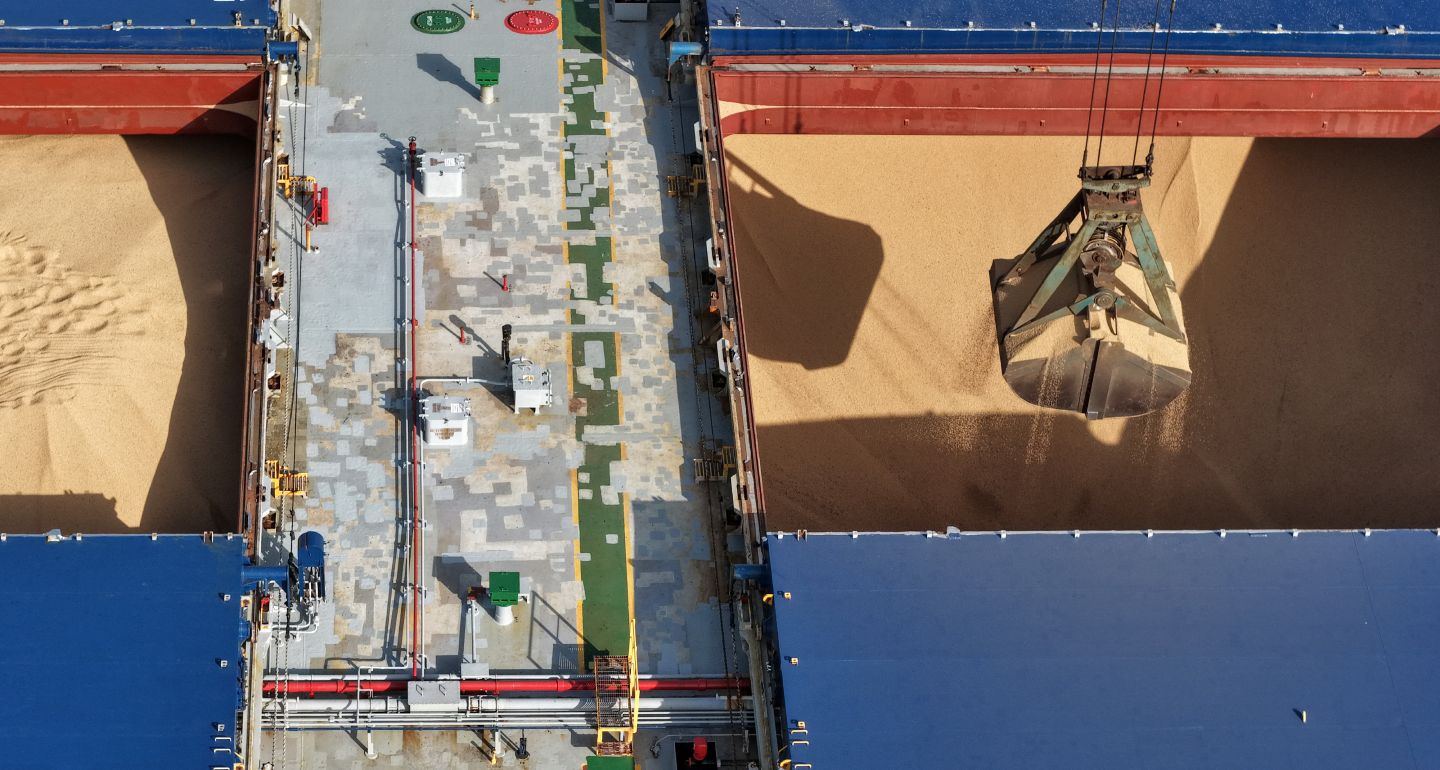
While the current surge in grain trading activity in the Caspian Sea is undeniably impressive, it is constrained by financial, infrastructure, geographic, military, and environmental factors.
Nikita Smagin
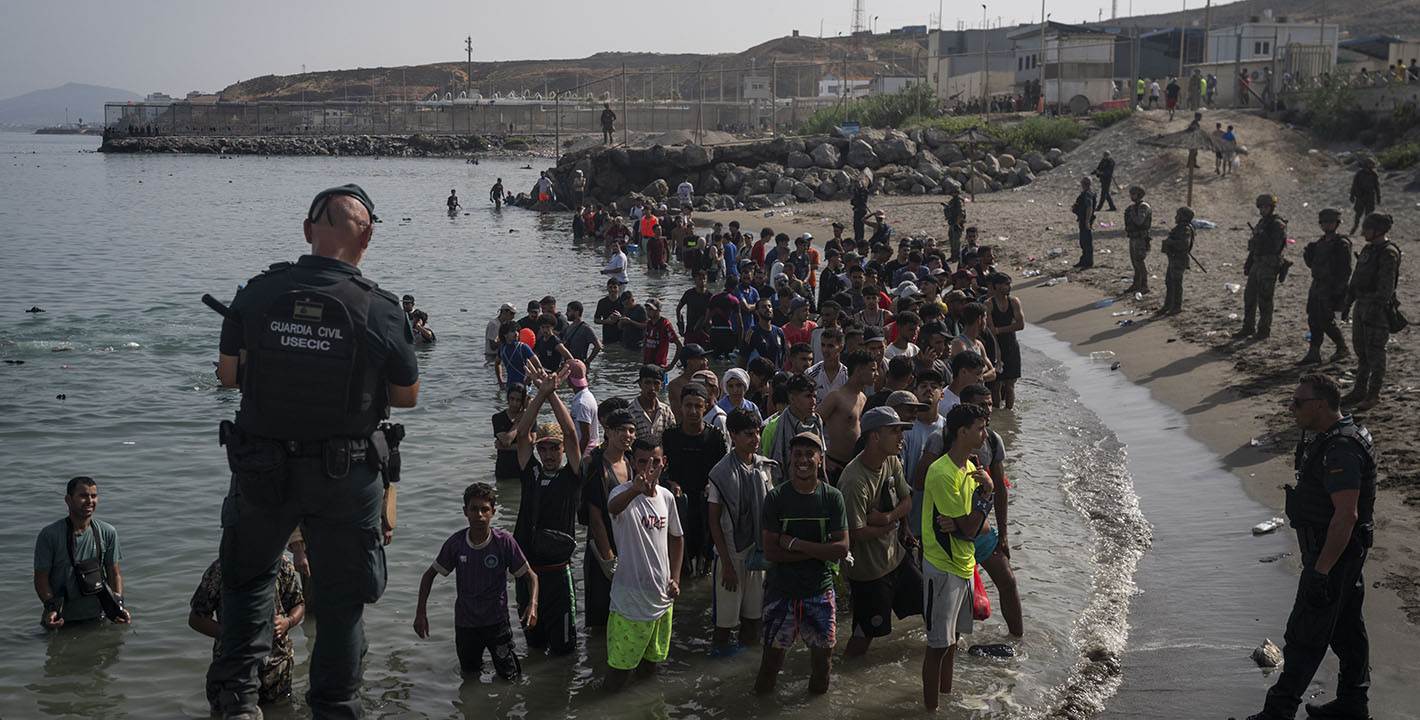
A recent incident in which tens of thousands of people suddenly crossed into an overseas Spanish territory from neighboring Morocco has spurred Spain and other European countries to further lean into the often myopic logic of frontier security, all the while ignoring the economic, political, and social processes that give rise to irregular migration.

Yasmine Zarhloule
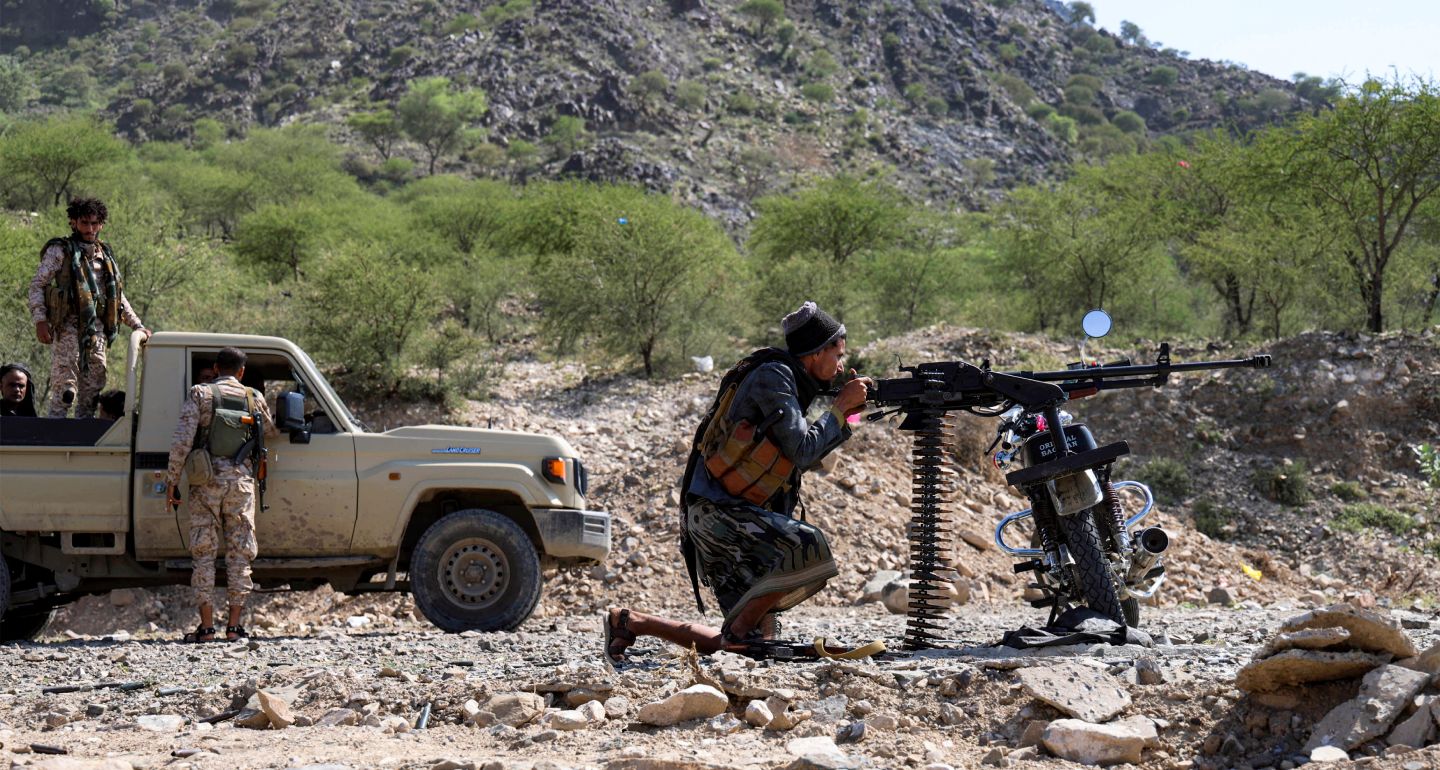
Russia officially endorses Yemen’s formal government while quietly providing military support to the Houthi rebels. However, recent escalation in Yemen has thrust Russia’s game into the spotlight—and risks endangering its relations with the Gulf states.
Ruslan Suleymanov