

Research
- +10
Rosa Balfour, Frances Z. Brown, Yasmine Farouk, …
{
  "authors": [
    "Moisés Naím"
  ],
  "type": "legacyinthemedia",
  "centerAffiliationAll": "",
  "centers": [
    "Carnegie Endowment for International Peace"
  ],
  "collections": [],
  "englishNewsletterAll": "",
  "nonEnglishNewsletterAll": "",
  "primaryCenter": "Carnegie Endowment for International Peace",
  "programAffiliation": "",
  "programs": [],
  "projects": [],
  "regions": [
    "North America"
  ],
  "topics": [
    "Political Reform",
    "Economy",
    "Global Governance"
  ]
}
Source: Getty
The decline of political and corporate power has been observed over the last two decades. Although there is much to celebrate, there is also cause for concern over the ability to push through an agenda and make decisions in a timely manner.
Source: MSNBC Morning Joe
Speaking on MSNBC's Morning Joe, Carnegie's Moisés Naím discussed the decline of political power around the world, as well as the decline of corporate power structures. Naím cited the monopoly once held by Kodak over the film and photography industries. Kodak has now filed for bankruptcy, while a small app of only 13 employees, known as Instagram, recently sold for a billion dollars. The probability of a company at the top of its sector falling out of this category has doubled over the last 20 years. Companies which responded correctly, such as IBM, have succeeded by adapting and developing a peripheral view while specializing in their field. Without this adaptation, Naím argues that tunnel vision will lead competition and competitors from the most improbable and unexpected places to take away customers.
This shift provides reasons for optimism, Naím explained: there is more competition, tyrants and monopolies are struggling to maintain their power, while new opportunities are available for voters, consumers, and activists. However, there is a downside. These changes can produce gridlock in governments and an inability to make decisions in a timely manner. New, small actors are entering the conversation, sitting at the table, and wanting to shape the outcomes. At times they are undermining initiatives, with no single actor holding enough power to push through an agenda. This is creating a detrimental state of fragile democracies, Naím concluded.

Distinguished Fellow
Moisés Naím is a distinguished fellow at the Carnegie Endowment for International Peace, a best-selling author, and an internationally syndicated columnist.
Recent Work



Rosa Balfour, Frances Z. Brown, Yasmine Farouk, …
Moisés Naím
Carnegie does not take institutional positions on public policy issues; the views represented herein are those of the author(s) and do not necessarily reflect the views of Carnegie, its staff, or its trustees.
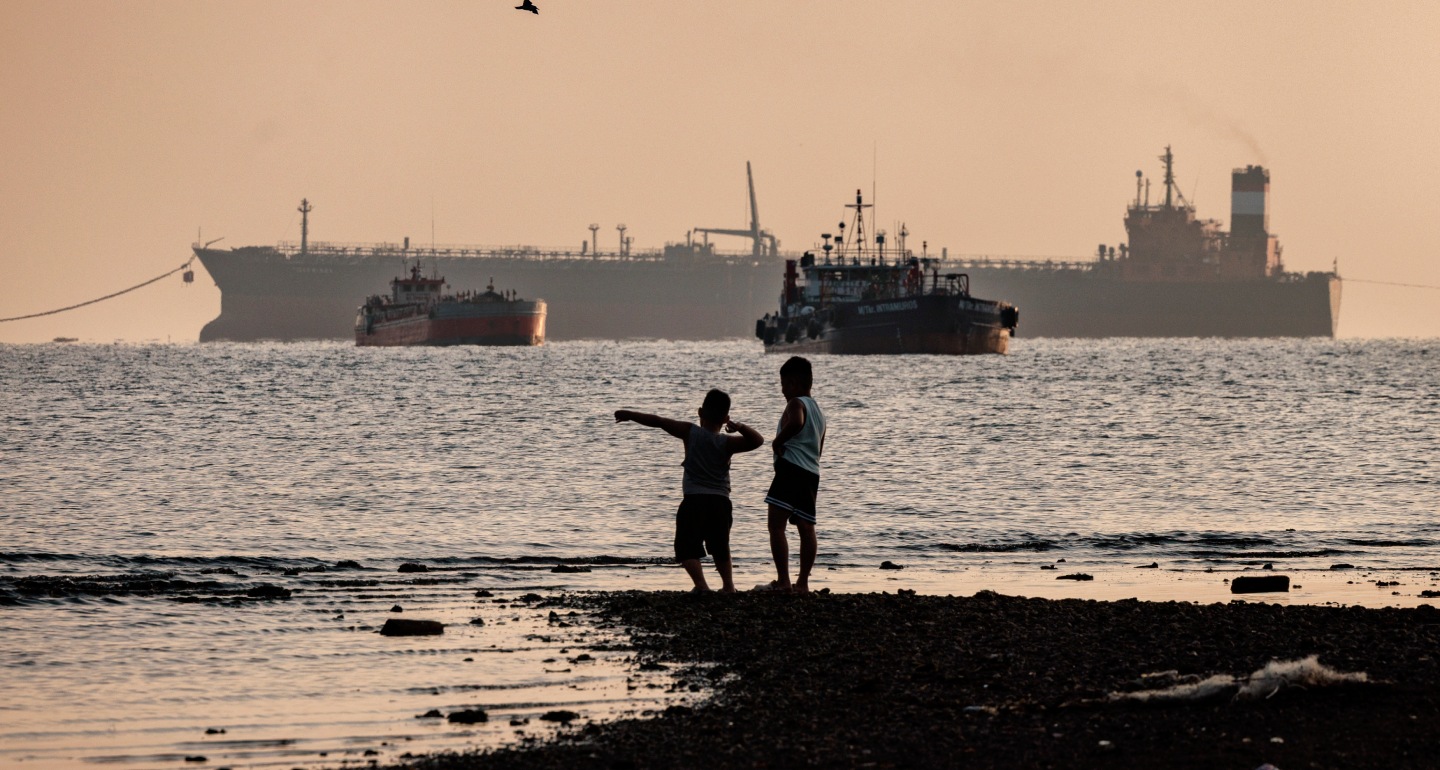
Although Ukrainian strikes have led to a noticeable decline in the physical volume of Russian oil exports, the rise in prices has more than made up for it.

Sergey Vakulenko

Five problems—and solutions—to make it actually work as a tool of great power competition.
Afreen Akhter
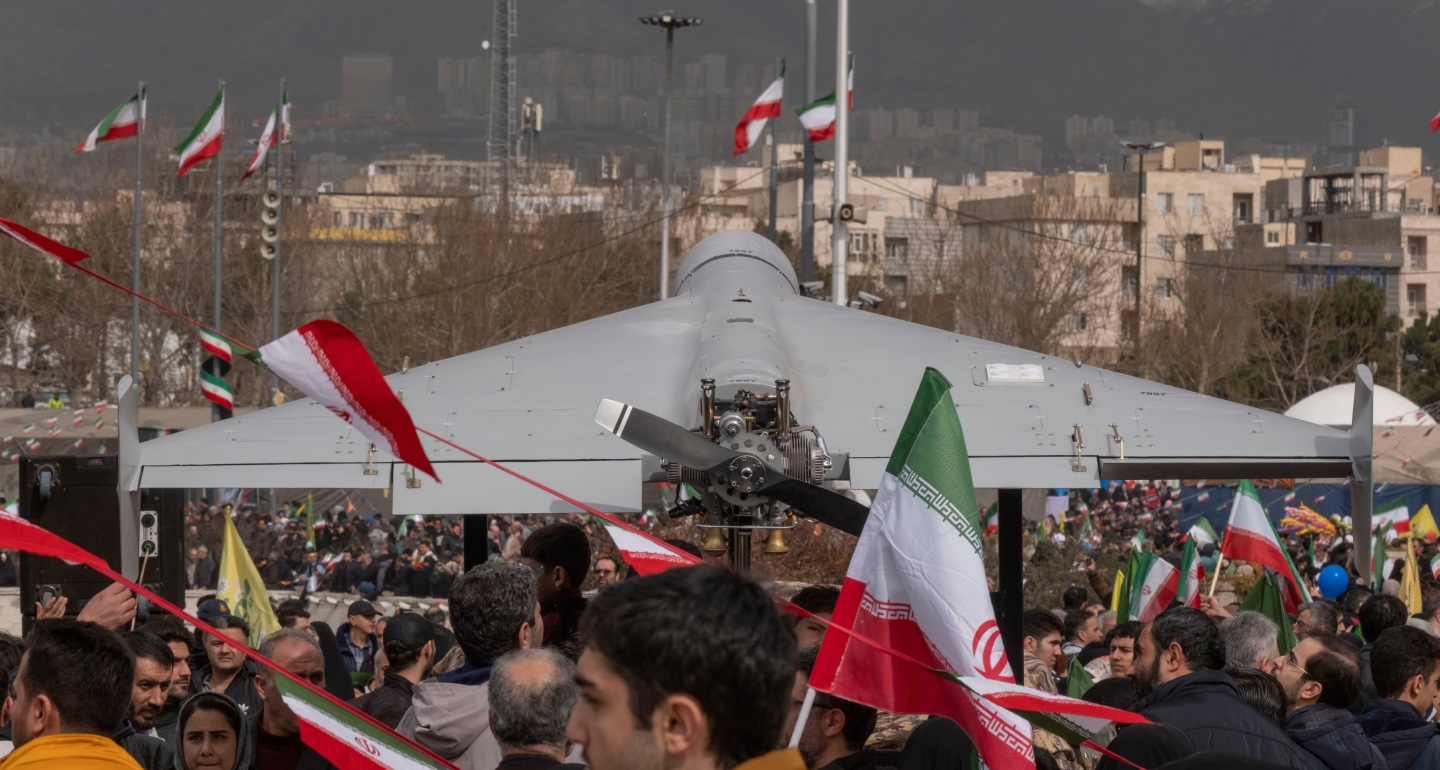
The Russian leadership wants to avoid a dangerous precedent in which it is squeezed out of Iran by the United States and Israel—and left powerless to respond in any meaningful way.

Nikita Smagin
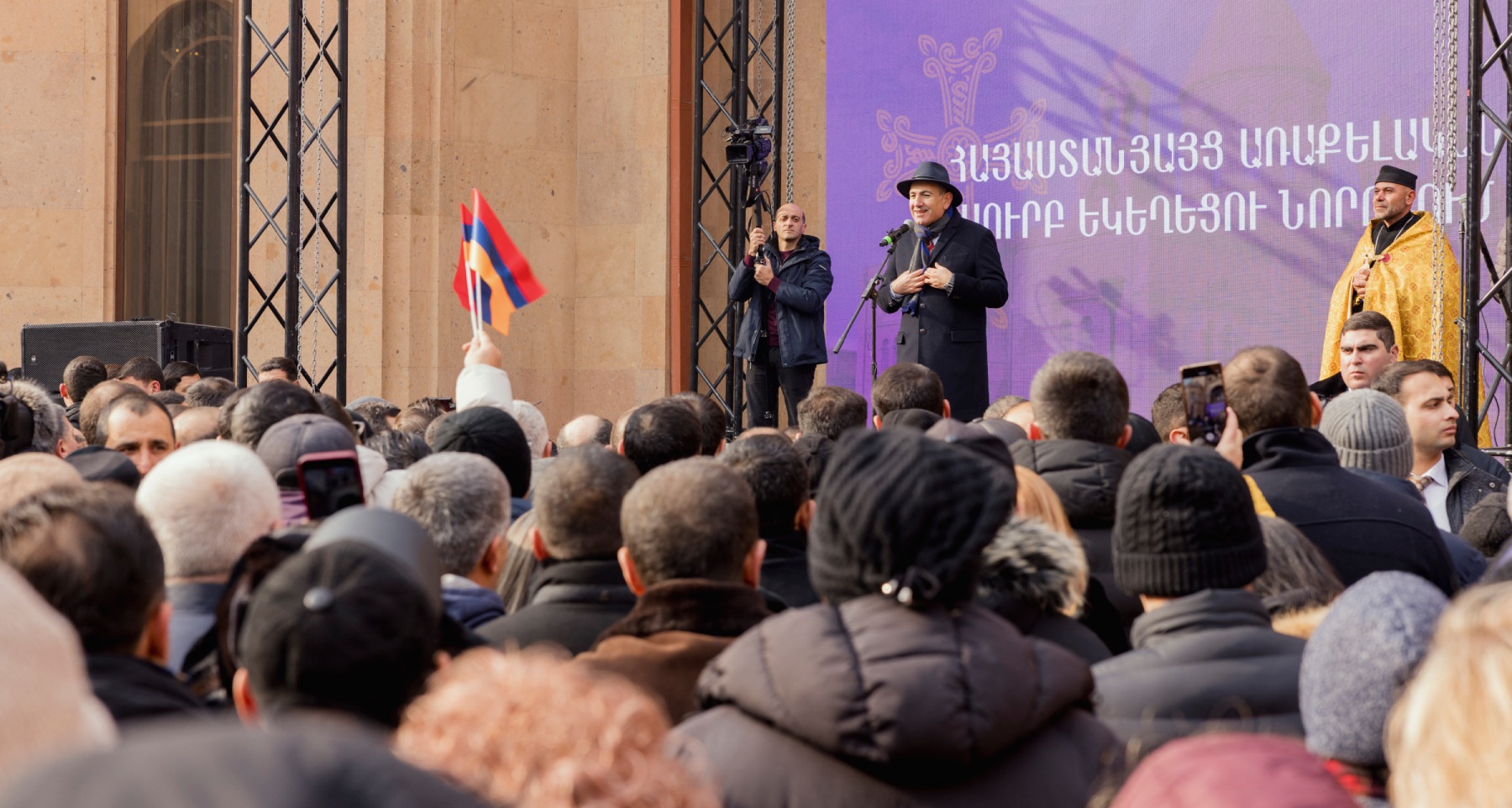
It’s true that many Armenians would vote for anyone just to be rid of Pashinyan, whom they blame for the loss of Nagorno-Karabakh, but the pro-Russia opposition is unlikely to be able to channel that frustration into an electoral victory.
Mikayel Zolyan

Orbán created an image for himself as virtually the only opponent of aid to Ukraine in the entire EU. But in reality, he was simply willing to use his veto to absorb all the backlash, allowing other opponents to remain in the shadows.
Maksim Samorukov