Research
- +6
Yasmine Farouk, Nathan J. Brown, Maysaa Shuja Al-Deen, …
{
  "authors": [
    "Michele Dunne"
  ],
  "type": "legacyinthemedia",
  "centerAffiliationAll": "dc",
  "centers": [
    "Carnegie Endowment for International Peace"
  ],
  "collections": [
    "Arab Awakening"
  ],
  "englishNewsletterAll": "menaTransitions",
  "nonEnglishNewsletterAll": "",
  "primaryCenter": "Carnegie Endowment for International Peace",
  "programAffiliation": "MEP",
  "programs": [
    "Middle East"
  ],
  "projects": [],
  "regions": [
    "North Africa",
    "Egypt"
  ],
  "topics": [
    "Political Reform",
    "Economy"
  ]
}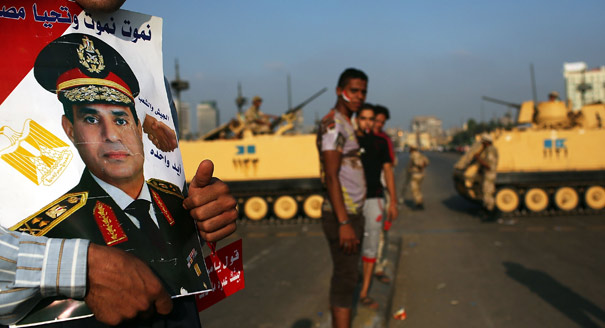
Source: Getty
Restoring the kind of stability that would allow the Egyptian government to make clear economic decisions is going to require not just a government in control, but also a government that has a lot more consensus.
Source: Council on Foreign Relations
“Egypt is in, I believe, a very prolonged process of change and we really don’t know how things are going to come out,” said Carnegie’s Michele Dunne at the Council on Foreign Relations’ roundtable discussion on Egypt’s transition. Restoring the kind of stability that would allow the government to make clear economic decisions, Dunne argued, is going to require not just a government in control, but also a government that has a lot more consensus. In order to revive the economy more broadly and bring back investment, Dunne said Egypt will need greater stability.
Egypt’s security services were never reformed since Mubarak left, Dunne added, and have been reinvigorated and re-empowered in carrying out significant abuses without much control. She contended that the policy that Abdel Fattah el-Sisi and the current government are pursuing will not lead to stabilization, noting that the current crackdown will engender more violence and demonstrations, as the country lurches from crisis to crisis, economic and political.
This discussion was originally published at the Council on Foreign Relations.

Former Nonresident Scholar, Middle East Program
Michele Dunne was a nonresident scholar in Carnegie’s Middle East Program, where her research focuses on political and economic change in Arab countries, particularly Egypt, as well as U.S. policy in the Middle East.
Recent Work



Yasmine Farouk, Nathan J. Brown, Maysaa Shuja Al-Deen, …
Robert Springborg, Emile Hokayem, Becca Wasser, …
Carnegie does not take institutional positions on public policy issues; the views represented herein are those of the author(s) and do not necessarily reflect the views of Carnegie, its staff, or its trustees.
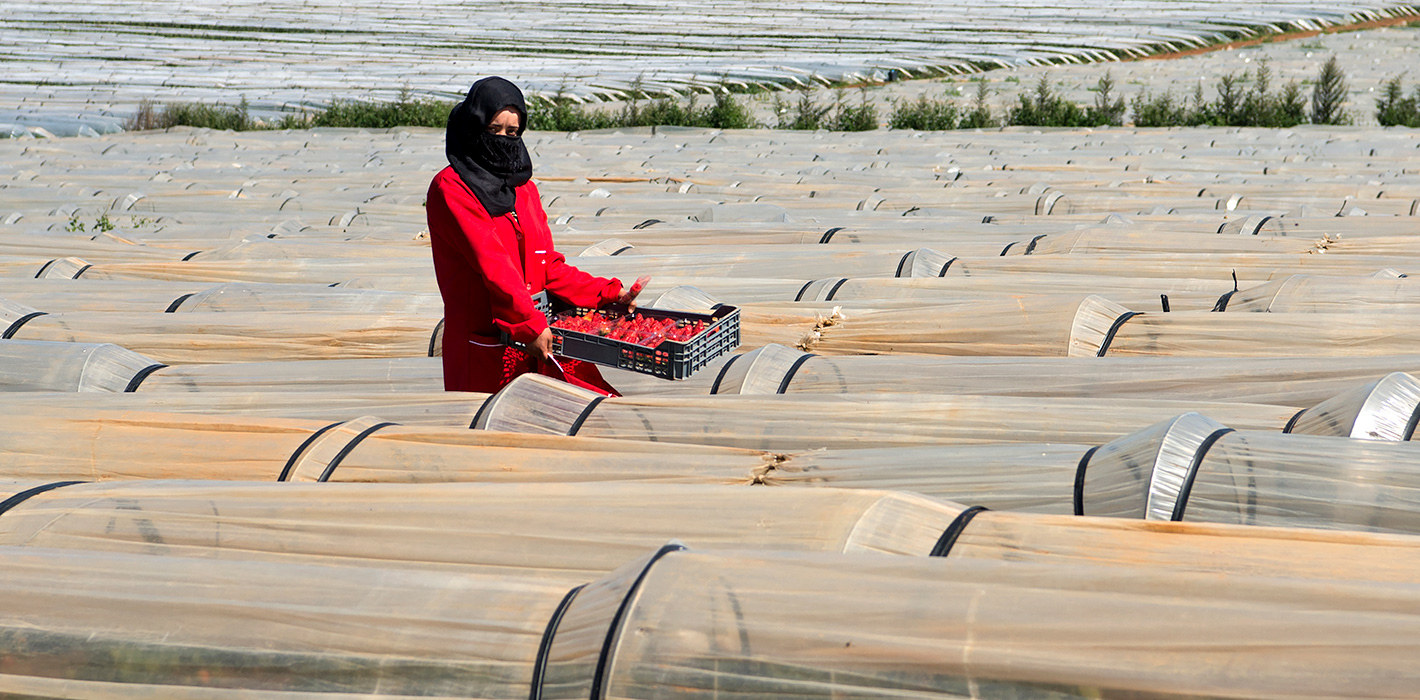
For Morocco, integrating gender into climate governance is not simply a matter of social justice. It is a strategic imperative for effective adaptation.
Fadwa Rajoauni
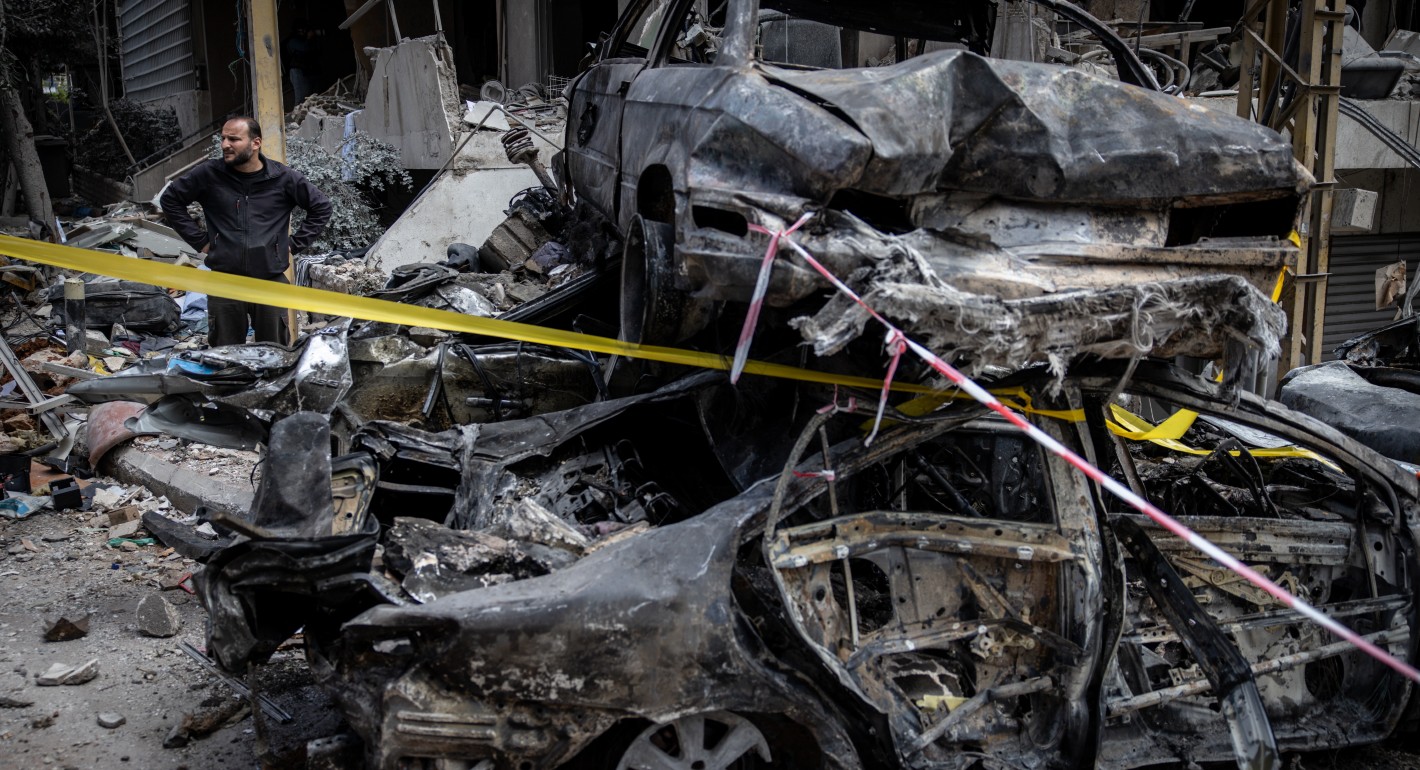
Four Middle East experts analyze the region’s reactions and next steps.



Amr Hamzawy, Andrew Leber, Eric Lob, …
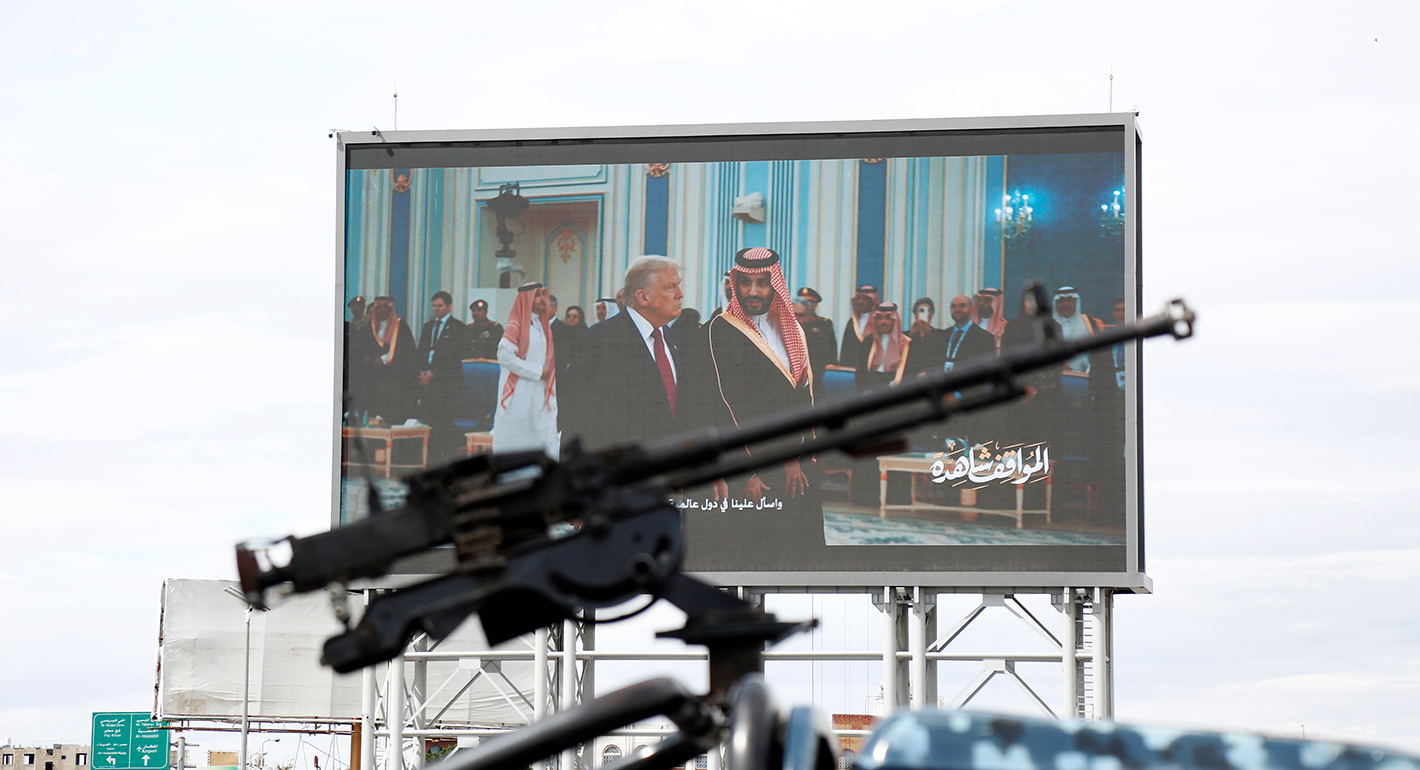
As the war between the United States, Israel, and Iran continues, Carnegie scholars contribute cutting-edge analysis on the events of the war and their wide-reaching implications. From the impact on Iran and its immediate neighbors to the responses from Gulf states to fuel and fertilizer shortages caused by the effective shutdown of the Strait of Hormuz, the war is reshaping Middle East alliances and creating shockwaves around the world. Carnegie experts analyze it all.
The return of war as the organizing factor in Middle Eastern politics has predictable consequences: governments are prioritizing regime stability and becoming averse to political and social reform.

Sarah Yerkes, Amr Hamzawy
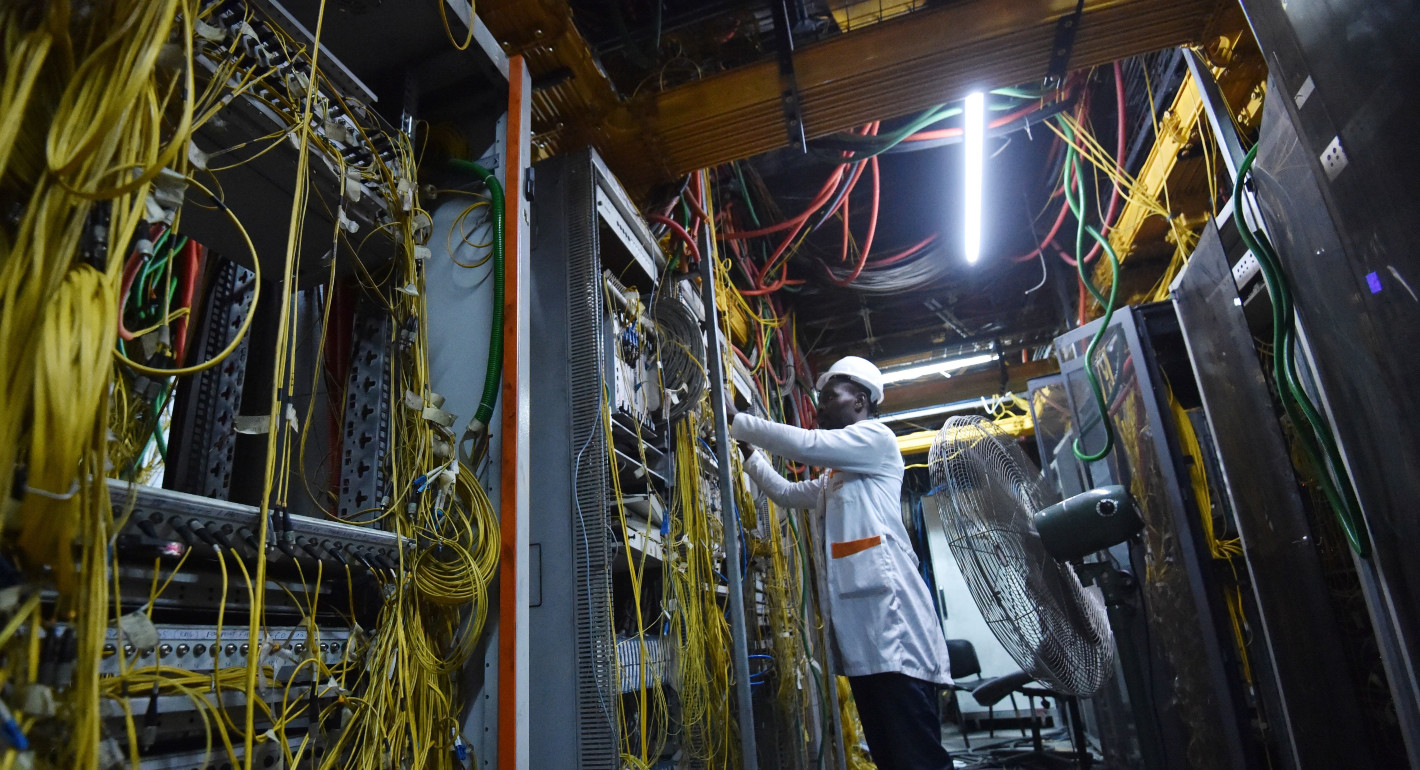
The Africa Technology Policy Tracker reveals policymakers’ priorities for the continent’s digital transformation.
Jane Munga