Research
- +4
Milan Vaishnav, Rahul Verma, Rukmini S., …
{
  "authors": [
    "Christophe Jaffrelot"
  ],
  "type": "legacyinthemedia",
  "centerAffiliationAll": "dc",
  "centers": [
    "Carnegie Endowment for International Peace"
  ],
  "collections": [],
  "englishNewsletterAll": "ctw",
  "nonEnglishNewsletterAll": "",
  "primaryCenter": "Carnegie Endowment for International Peace",
  "programAffiliation": "SAP",
  "programs": [
    "South Asia"
  ],
  "projects": [],
  "regions": [
    "South Asia",
    "Pakistan"
  ],
  "topics": [
    "Security",
    "Military"
  ]
}
Source: Getty
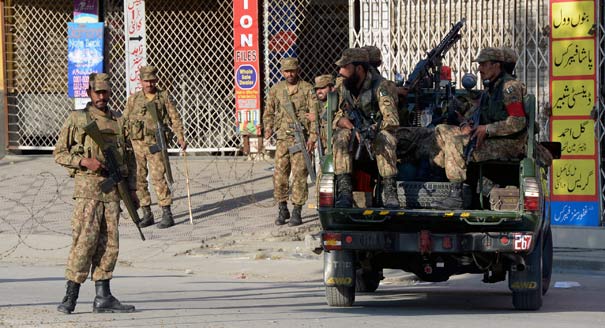
The Haqqani network may have become a liability for Islamabad at a time when it is attempting to demonstrate to the West and Karzai that it should be part of any peace talks with the Taliban.
Source: Indian Express
In November this year, the killing of the Tehrik-e-Taliban Pakistan leader Hakimullah Mehsud overshadowed the assassinations of two other Pakistan-based jihadists who, in fact, were probably almost as important to India and the US. On November 10, Nasiruddin Haqqani, brother of Sirajuddin Haqqani — who orchestrated some of the most devastating operations in Afghanistan — was killed on the outskirts of Islamabad and 11 days later, a drone strike killed Sirajuddin's right-hand man, Maulvi Ahmad Jan, in Hangu, Khyber Pakhtunkhwa.
These men were important because they belonged to the top leadership of the Haqqani network. Of all the Taliban sub-movements, this is probably the oldest (at least on the Pakistani side), the best organised (even the most effective) and the one which, in the FATA, has been consistently in contact with Paksitan's Inter-Services Intelligence. Its founder, Jalaluddin Haqqani, hailing from the Paktia province in eastern Afghanistan close to Pakistan, is the product of the famous madrasa in Akora Khattak, the Darul Uloom Haqqania. Jalaluddin was one of the mujahideen allegedly spotted and trained by the ISI in the 1970s, along with Gulbuddin Hekmatyar, Burhanuddin Rabbani and Ahmad Shah Masood, to combat the ruler of Kabul, Daoud Khan, a champion of Pashtun nationalism whom the Pakistani leaders wanted to weaken. During the anti-Soviet jihad, he was an active commander around Khost — near Miran Shah — and one who received significant backing from the CIA, the ISI and Saudi Arabia. Jalaluddin did perhaps the best job of channelling the flow of Arab combatants streaming in as of the early 1980s, which paved the way for fundraising.In his masterpiece on the anti-Soviet war in Afghanistan, Ghost Wars, Steve Coll writes, "Celebrated as a kind of noble savage by slack-bellied preachers in Saudi Arabia's wealthy urban mosques, Haqqani became a militant folk hero to Wahhabi activists. He operated fundraising offices in the Persian Gulf and hosted young Arab jihad volunteers in his tribal territory. In part because of Haqqani's patronage, the border regions nearest Pakistan became increasingly the province of interlocking networks of Pakistani intelligence officers, Arab volunteers, and Wahhabi madrasas."
In Khost, he worked with Osama bin Laden, building a maze of underground caves and tunnels to store vast stocks of ammunition and fuel. As early as the 1980s, the Haqqani network was training jihadists who have allegedly been active in Afghanistan and Kashmir.
While claiming to be a member of Hezb-i-Islami (Yunus Khalis faction), Jalaluddin maintained his independence even after the Taliban victory. Chosen by Mullah Omar, he was not part of his first circle of lieutenants and retained a degree of autonomy. He was appointed minister of borders and tribal affairs, which did not require him to be present in Kabul fulltime, allowing him to consolidate his base at the Pakistani border, especially in Loya Paktia (comprising Paktia, Paktika, Khost and a fraction of Logar and Ghazni). The ISI continued to back him, which made up for the drop in resources he experienced once the Americans had withdrawn from the area. Gretchen Peters, an expert on illicit networks, attests to this in her book, Haqqani Network Financing: the Evolution of an Industry, on the strength of documents seized by the Americans in 2002 after their conquest of Afghanistan. Exchanges of faxes between Jalaluddin and the ISI show that, during the war against the Soviets, the latter supplied the Haqqani network with weapons (including Stinger missiles), food and money. The ISI continued to provide support after the war, but the Haqqani network diversified its resources. Apart from collecting what was virtually a revolutionary tax from local merchants, as well as outright extortion, it took advantage of the booming drug trade and explored avenues for funding that offered it contacts in the Arab countries and the Persian Gulf.
In September 2001, in anticipation of the war to come, Mullah Omar appointed Jalaluddin to helm the military resistance. After the Taliban regime was brought down, the Haqqani network gave refuge to al-Qaeda leaders fleeing Afghanistan in its stronghold of North Waziristan. The ISI allegedly pursued its relations with the Haqqani network after the Hamid Karzai government was formed in Afghanistan, as a useful resource to combat India's presence. The Haqqani network is widely held responsible for the two attacks on the Indian embassy in Kabul that took place in July 2008 and October 2009.
But the Haqqani network appears to have largely broken free from its sponsor, which was never exclusive, particularly from a financial standpoint. In addition to money from the Gulf and funds from kidnappings for ransom and the proceeds of drug smuggling, the Haqqani network looks paradoxically to have benefited from the arrival of the Americans and Nato troops for two reasons. First, it managed to collect a tax from trucks crossing the Durand Line (which otherwise would be attacked). Second, it collected on a number of development contracts, including highway construction, financed by international aid. Not to mention bank robberies such as the attack on the Kabul Bank branch in Jalalabad that left 38 people dead.
In addition to these are its licit activities, such as a network of dini madaris (spanning southern Afghanistan and North and South Waziristan), hospitals, service stations, a trucking firm, real estate holdings in Kabul, Gardez, Khost, Miran Shah, Peshawar, Kohat, Rawalpindi, Karachi, Abu Dhabi and Dubai. The Haqqani network is an economic empire with countless transnational ramifications, as reported by Vahid Brown and Don Rassler in Fountainhead of Jihad: The Haqqani Nexus.
This organisation is destined to survive its founder. Jalaluddin suffered a stroke in 2005 that left him incapacitated, but his immediate family, already involved, immediately took over. Three of his sons have long held key complementary posts. Following his father, Sirajuddin was made responsible for coordinating the network's operations from Miran Shah, as well as relations with the Quetta Shura and business strategy. Jalaluddin's brother Khalil takes care of fundraising. In the end, the Haqqani network has become a vast enterprise straddling the line between armed struggle and organised crime.
While the relationship between the Haqqanis and the ISI is complex and often fraught with more tension than outsiders imagine, the network had so far been spared by the Pakistani army. Indeed, Nasiruddin was unlikely to be able to handle the financial operations for the group without the probable knowledge of officials, all the more so as he made frequent visits to the Gulf countries. But his killing suggests that perhaps the security establishment is changing its mind. The Haqqani network may have become a liability for Islamabad at a time when it is attempting to demonstrate to the West and Karzai that it should be part of any peace talks with the Taliban. But has the ISI really distanced itself from the Haqqani network, or are these assassinations (if they were not carried out by other sources) purely tactical? Only time will tell.
This article was originally published in the Indian Express.
Former Nonresident Scholar, South Asia Program
Jaffrelot’s core research focuses on theories of nationalism and democracy, mobilization of the lower castes and Dalits (ex-untouchables) in India, the Hindu nationalist movement, and ethnic conflicts in Pakistan.
Recent Work

Milan Vaishnav, Rahul Verma, Rukmini S., …
Christophe Jaffrelot
Carnegie does not take institutional positions on public policy issues; the views represented herein are those of the author(s) and do not necessarily reflect the views of Carnegie, its staff, or its trustees.

This piece argues that the present Indian strategy, based on opportunistic diversification and utilization of limited strategic reserves, remains inadequate when confronting supply disruptions. It evaluates India’s options in the short, medium, and long terms.
Vrinda Sahai
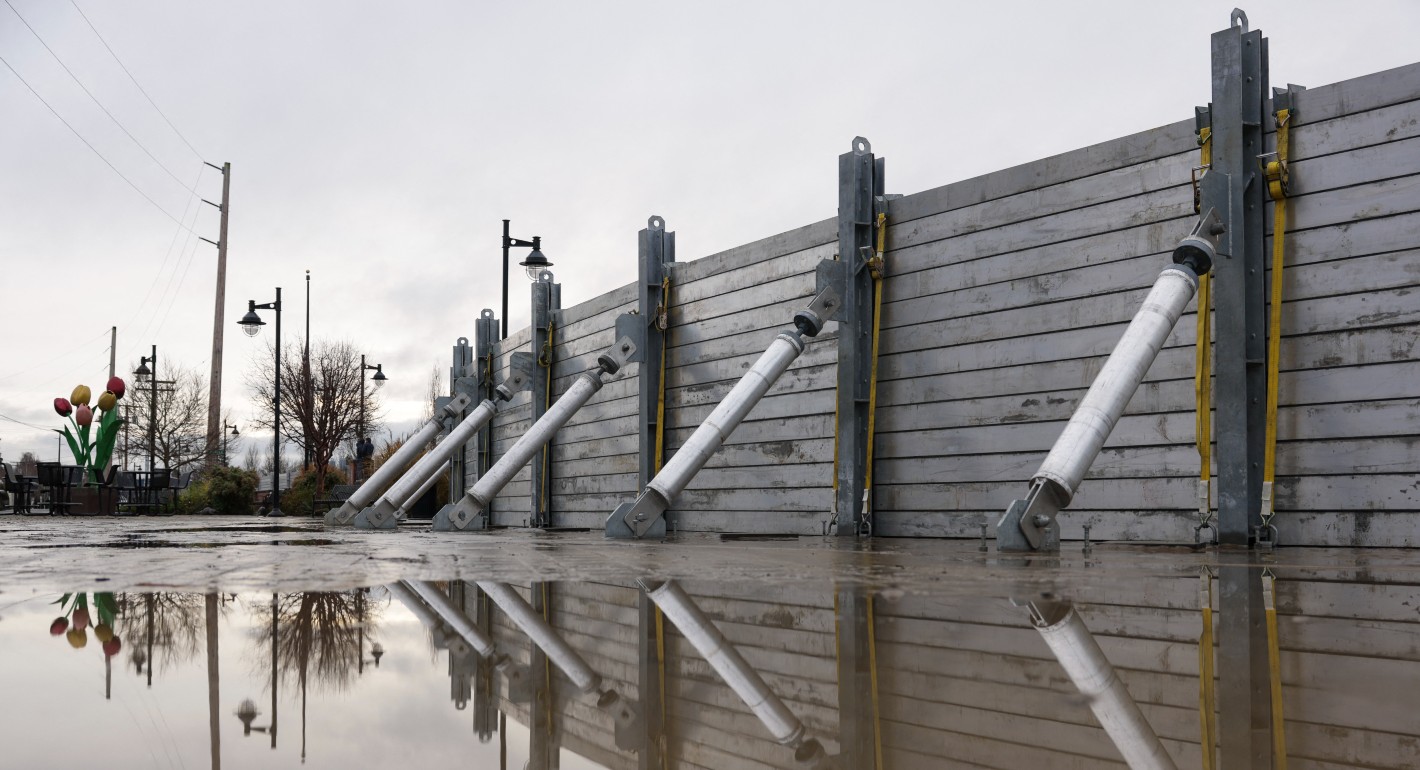
Its reinstatement should be celebrated, but it retains some major shortcomings.

Leonardo Martinez-Diaz
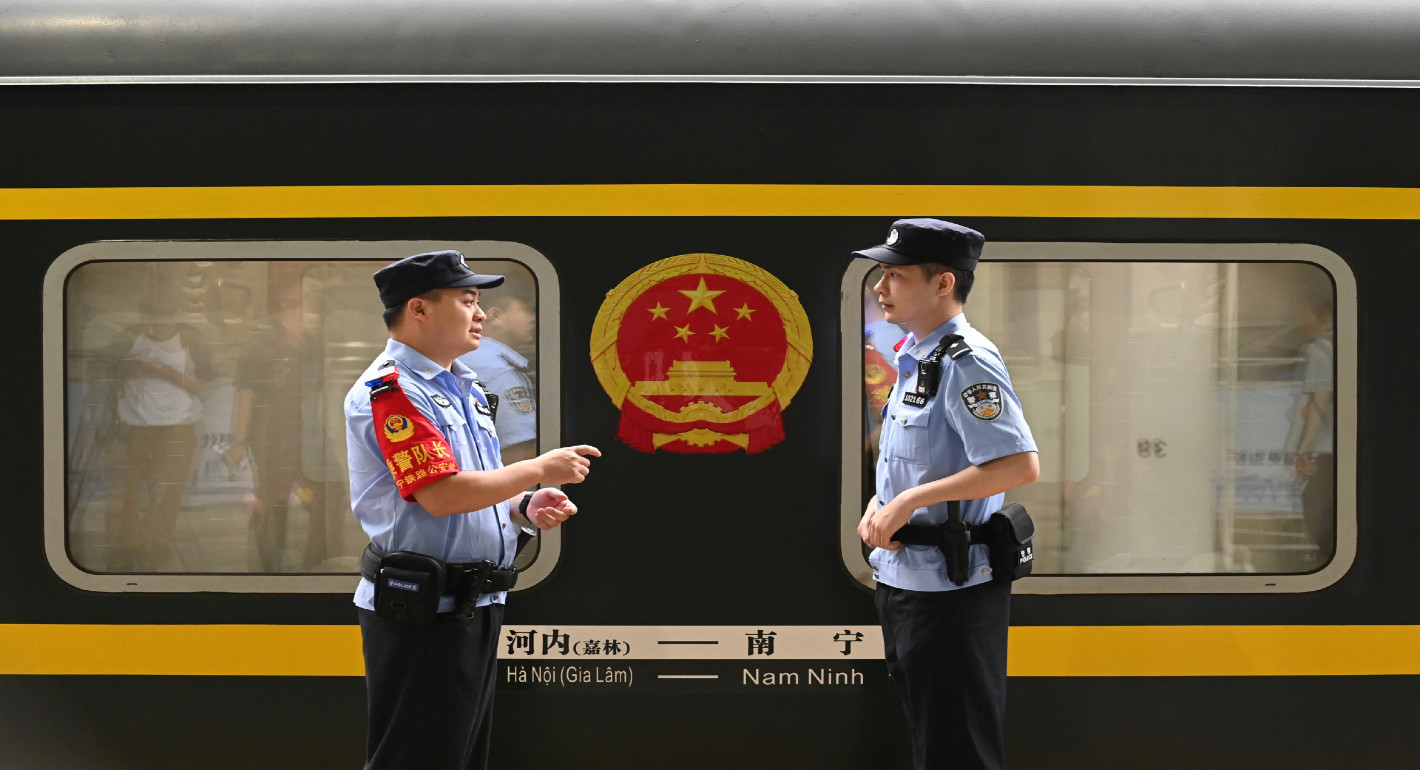
Despite long-standing differences, China and Vietnam are reinforcing common ground for collaboration, especially in public security. This internal security–centered diplomacy offers a strengthened road map for how China moves forward with Southeast Asia.
Sophie Zhuang
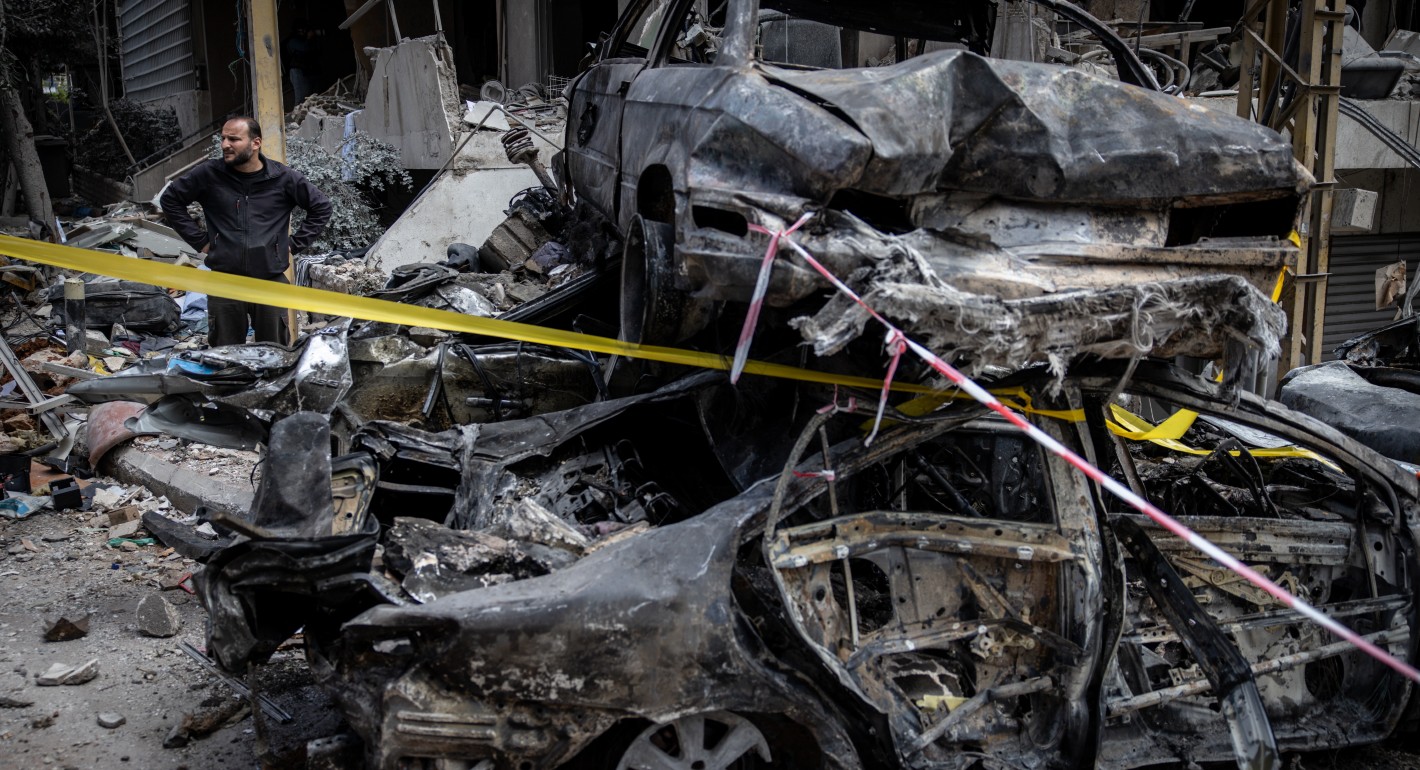
Four Middle East experts analyze the region’s reactions and next steps.



Amr Hamzawy, Andrew Leber, Eric Lob, …
As the war between the United States, Israel, and Iran continues, Carnegie scholars contribute cutting-edge analysis on the events of the war and their wide-reaching implications. From the impact on Iran and its immediate neighbors to the responses from Gulf states to fuel and fertilizer shortages caused by the effective shutdown of the Strait of Hormuz, the war is reshaping Middle East alliances and creating shockwaves around the world. Carnegie experts analyze it all.