

Research
- +6
Yasmine Farouk, Nathan J. Brown, Maysaa Shuja Al-Deen, …
{
  "authors": [
    "Anouar Boukhars"
  ],
  "type": "other",
  "centerAffiliationAll": "dc",
  "centers": [
    "Carnegie Endowment for International Peace"
  ],
  "collections": [
    "Arab Awakening"
  ],
  "englishNewsletterAll": "menaTransitions",
  "nonEnglishNewsletterAll": "",
  "primaryCenter": "Carnegie Endowment for International Peace",
  "programAffiliation": "MEP",
  "programs": [
    "Middle East"
  ],
  "projects": [],
  "regions": [
    "North Africa",
    "Morocco"
  ],
  "topics": [
    "Political Reform"
  ]
}
Source: Getty
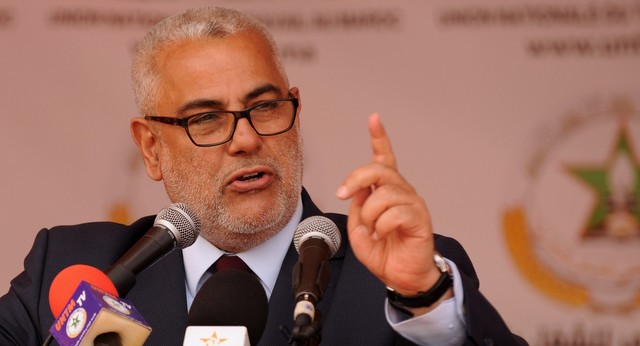
Morocco’s peculiar political realities and the ruling Islamist party’s patient and non-threatening formula for political change have so far allowed the Islamist experiment to limp along.
Source: FRIDE
Like their Islamist counterparts in Egypt and Tunisia, Morocco’s party of Justice and Development (PJD) rode the 2011 wave of popular protests to become the largest party in parliament (winning 107 of a total of 395 seats). That result forced an unenthusiastic King Mohammed VI to appoint the PJD’s leader, Abdelillah Benkirane, to head a new government in November 2011. By the summer of 2013 however, Islamists’ political fortunes everywhere were hitting a low ebb. From the Muslim Brotherhood's dramatic fall in Egypt to the fracturing of its affiliate in Jordan, along with the resignation of Islamist parties from governments in Libya (Justice and Construction Party) and Tunisia (Ennahda movement) in early 2014 (for very different reasons), Islamists seem to have lost the political initiative of the ‘Arab spring’. Only Benkirane is still hanging on to his job, having survived months of political deadlock after the withdrawal of the pro-palace Istiqlal party from the governing coalition in early July 2013...
This policy brief was originally published in FRIDE. Read the full text on the FRIDE website.
Former Nonresident Fellow, Middle East Program
Boukhars was a nonresident fellow in Carnegie’s Middle East Program. He is a professor of countering violent extremism and counter-terrorism at the Africa Center for Strategic Studies, National Defense University.
Recent Work



Yasmine Farouk, Nathan J. Brown, Maysaa Shuja Al-Deen, …

Frederic Wehrey, Nathan J. Brown, Bader Al-Saif, …
Carnegie does not take institutional positions on public policy issues; the views represented herein are those of the author(s) and do not necessarily reflect the views of Carnegie, its staff, or its trustees.

Putin’s conservative staffing policies and search for ever greater control have cemented parliament’s transformation into a bureaucratic appendage of the executive branch.

Andrey Pertsev

Ex-president Gurbanguly Berdimuhamedov remains interested in politics, but his son Serdar, Turkmenistan’s current president, is becoming increasingly independent and willing to break with his father’s legacy. If their covert rivalry goes too far, both risk losing power.

Galiya Ibragimova

A notable degree of participative democracy has firmly arrived in Europe. But to have more far-reaching impact, democratic deliberation needs to move into a radically new phase.

Richard Youngs
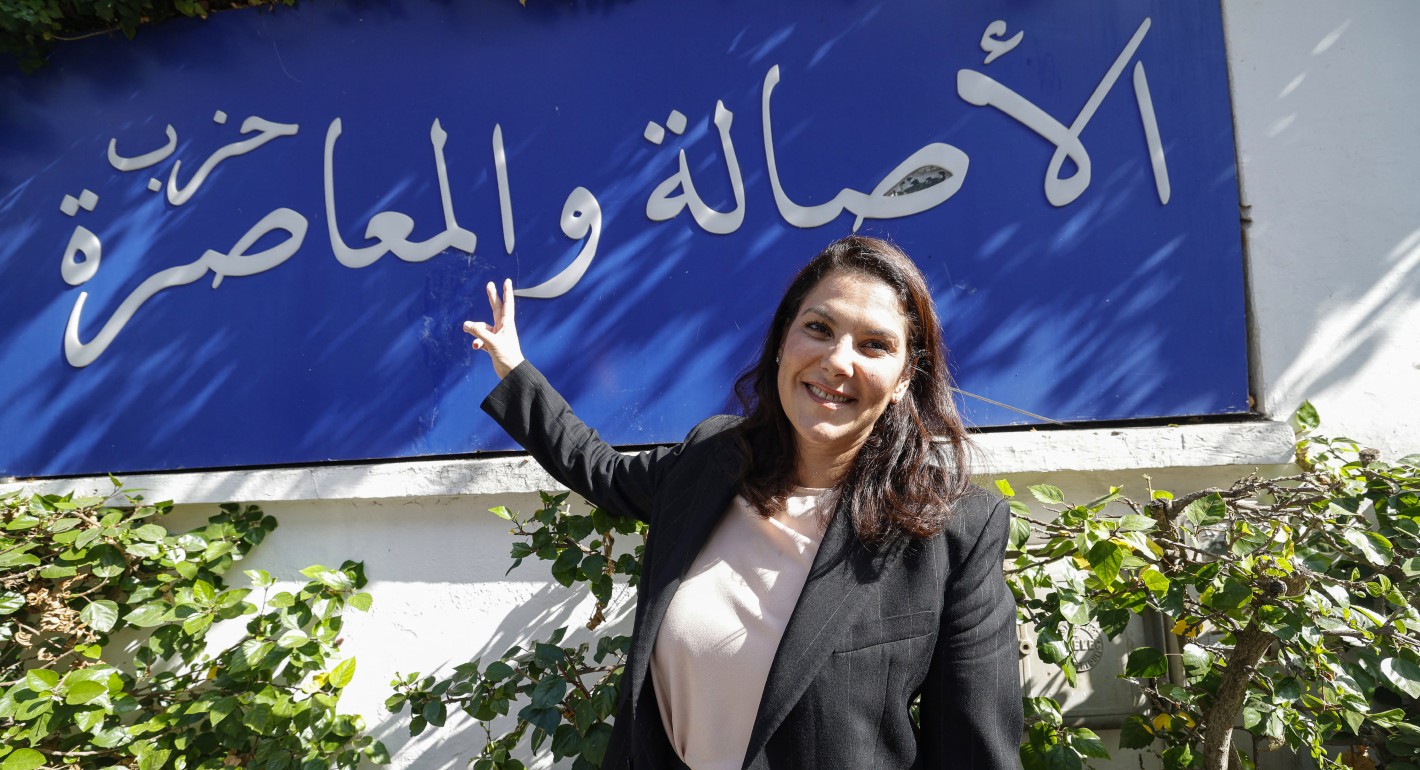
Fatima El Mansouri is the country’s first female prime minister. She’s also a privileged insider in a largely ceremonial position.

Sarah Yerkes

Sergei Kiriyenko used Russia’s parliamentary vote to further hone his strategy of corporate mobilization that is designed to maximize votes for United Russia.
Andrey Pertsev