Commentary
Katherine Wilkens
{
  "authors": [
    "Katherine Wilkens"
  ],
  "type": "legacyinthemedia",
  "centerAffiliationAll": "dc",
  "centers": [
    "Carnegie Endowment for International Peace",
    "Malcolm H. Kerr Carnegie Middle East Center"
  ],
  "collections": [],
  "englishNewsletterAll": "menaTransitions",
  "nonEnglishNewsletterAll": "",
  "primaryCenter": "Carnegie Endowment for International Peace",
  "programAffiliation": "MEP",
  "programs": [
    "Middle East"
  ],
  "projects": [],
  "regions": [
    "Middle East",
    "Iraq",
    "Gulf"
  ],
  "topics": [
    "Political Reform",
    "Security"
  ]
}
Source: Getty
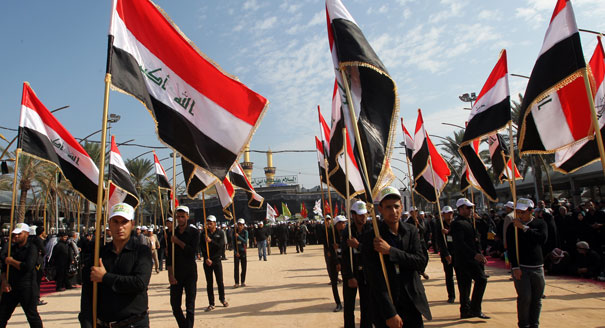
The growing strength and influence of ISIS is rooted in a deep-seated regional disagreement over the nature of the threat posed by jihadist extremists. Until the fight against ISIS is decoupled from the sectarian fires engulfing the region, efforts to make progress against the group will flounder.
Source: Weekly Wonk
The growing strength and influence of the ISIS is rooted in a deep-seated regional disagreement over the nature of the threat posed by jihadist extremists. Until the fight against the ISIS is decoupled from the sectarian fires engulfing the region, efforts to make progress against the group will flounder.
Despite US efforts over the last two years, recruits and resources have continued to make their way to the ISIS across a porous Turkish border and from the Gulf. While this situation is slowly changing, much more needs to be done to get full cooperation from regional allies in this effort.
The ISIS has now become a self-sustaining and well-established force that poses a serious threat to Iraq and the broader region. US assistance alone will not be enough to save Iraq. A broader process towards national unity is needed to give Sunnis and Kurds a greater stake in the country’s future and undermine the sectarian narrative of ISIS and former Baathist forces now occupying large swaths of Iraqi territory.
In Syria the US needs to urgently refocus its efforts on jihadist extremists. We should be open to talks with the Syrian Kurdish PYD, which has been at the center of the battle against ISIS. In addition, we need to recognize that groups combating the Assad regime will be focused first on that priority. US decisions to aid the moderate armed opposition in Syria should be assessed on their own merits, not as a key component of a comprehensive strategy against the jihadist threat in Syria and Iraq.
Nonresident Fellow, Middle East Program
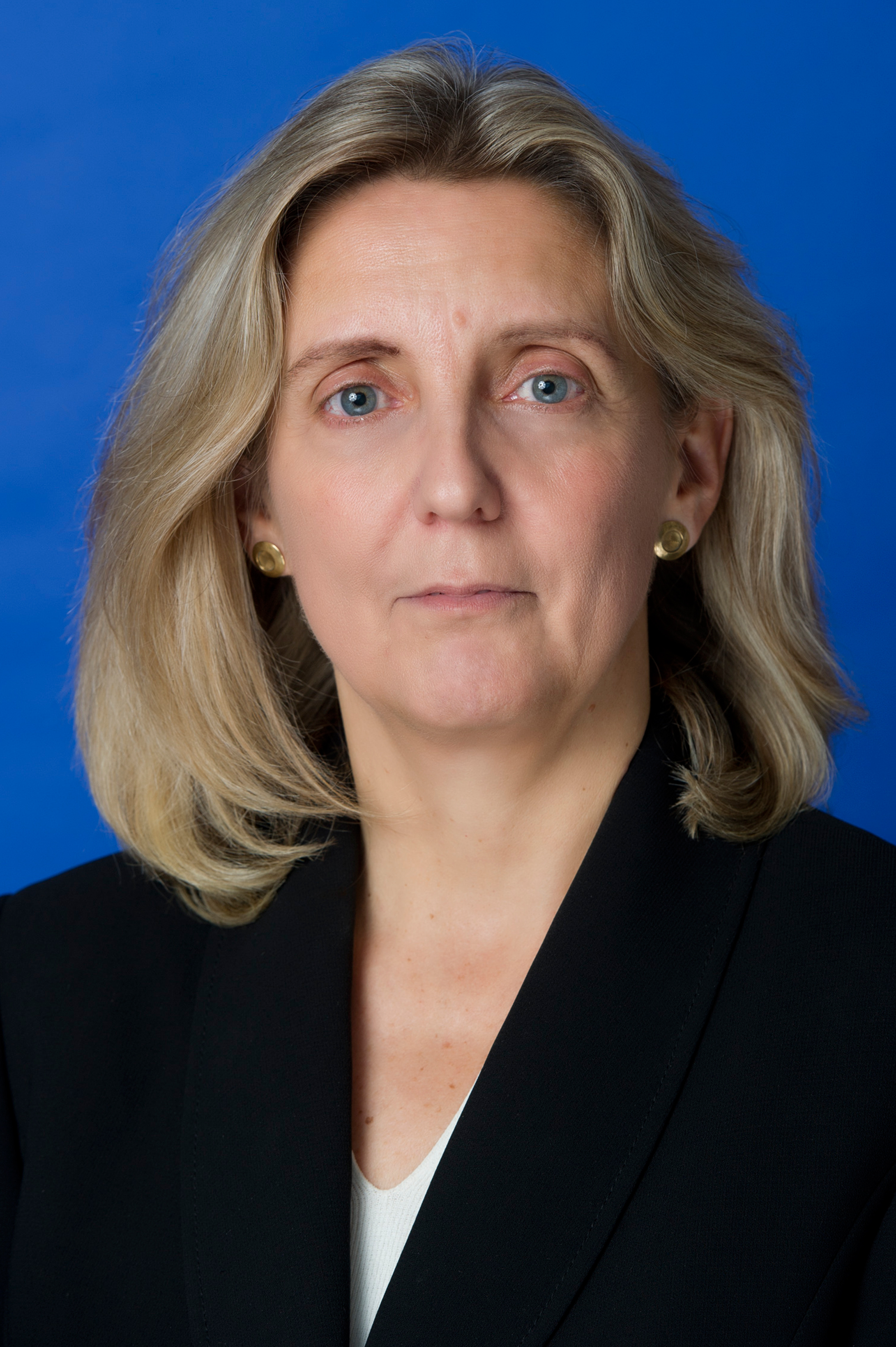
Katherine Wilkens is a nonresident fellow at the Carnegie Endowment for International Peace where she formerly served as deputy director of the Middle East Program.
Recent Work
Katherine Wilkens
Katherine Wilkens
Carnegie does not take institutional positions on public policy issues; the views represented herein are those of the author(s) and do not necessarily reflect the views of Carnegie, its staff, or its trustees.
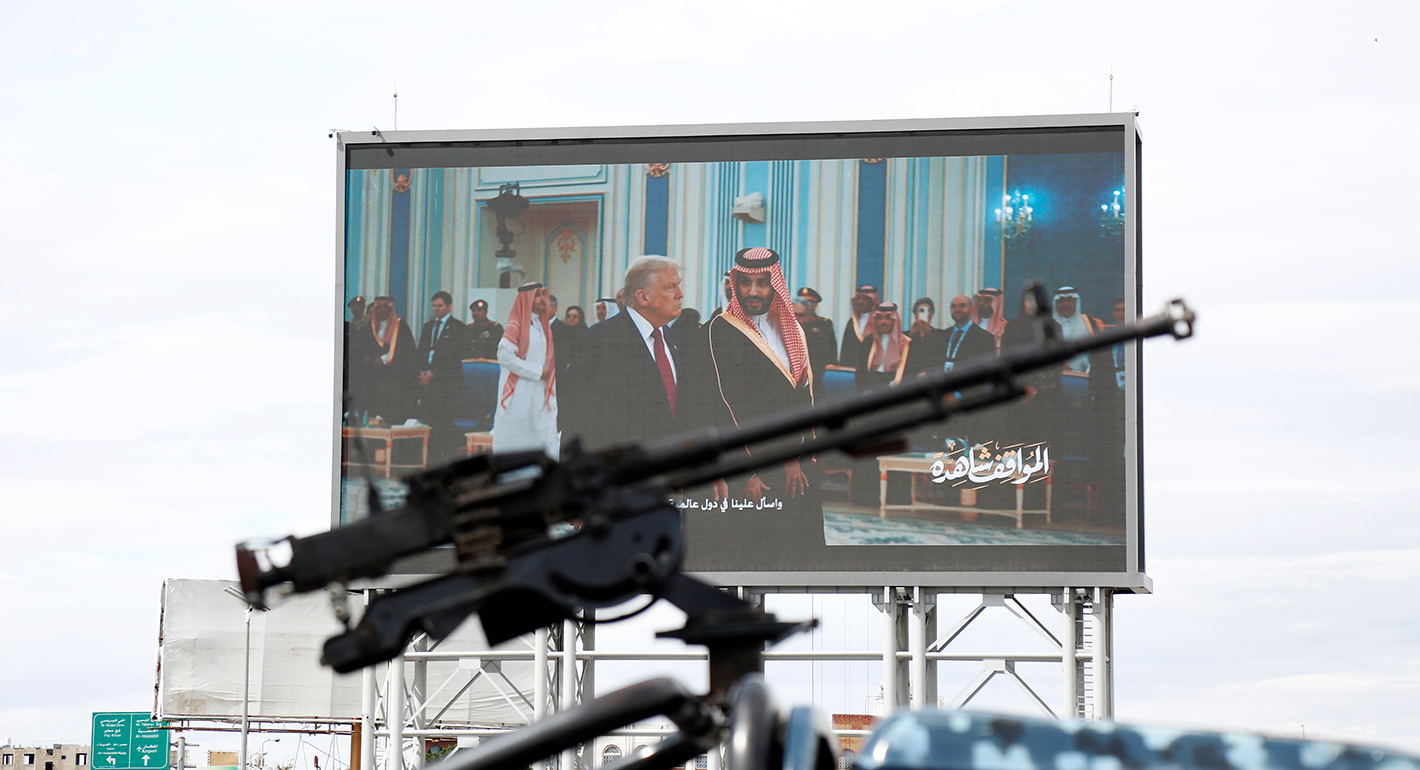
As the war between the United States, Israel, and Iran continues, Carnegie scholars contribute cutting-edge analysis on the events of the war and their wide-reaching implications. From the impact on Iran and its immediate neighbors to the responses from Gulf states to fuel and fertilizer shortages caused by the effective shutdown of the Strait of Hormuz, the war is reshaping Middle East alliances and creating shockwaves around the world. Carnegie experts analyze it all.
The return of war as the organizing factor in Middle Eastern politics has predictable consequences: governments are prioritizing regime stability and becoming averse to political and social reform.

Sarah Yerkes, Amr Hamzawy
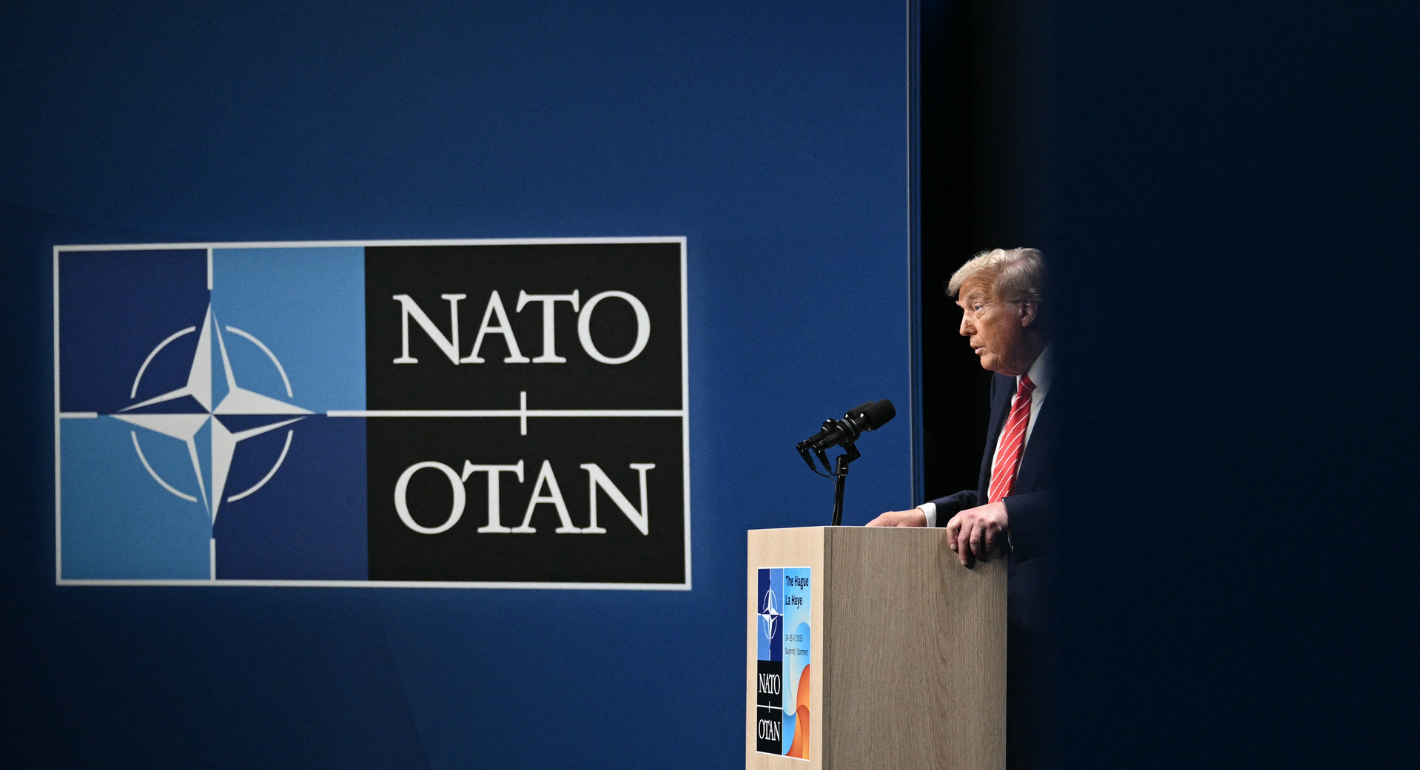
Donald Trump has repeatedly bashed NATO and European allies, threatening to annex Canada and Greenland and deploring their lack of enthusiasm for his war of choice in Iran. Is this latest round of abuse the final straw?

Rym Momtaz, ed.
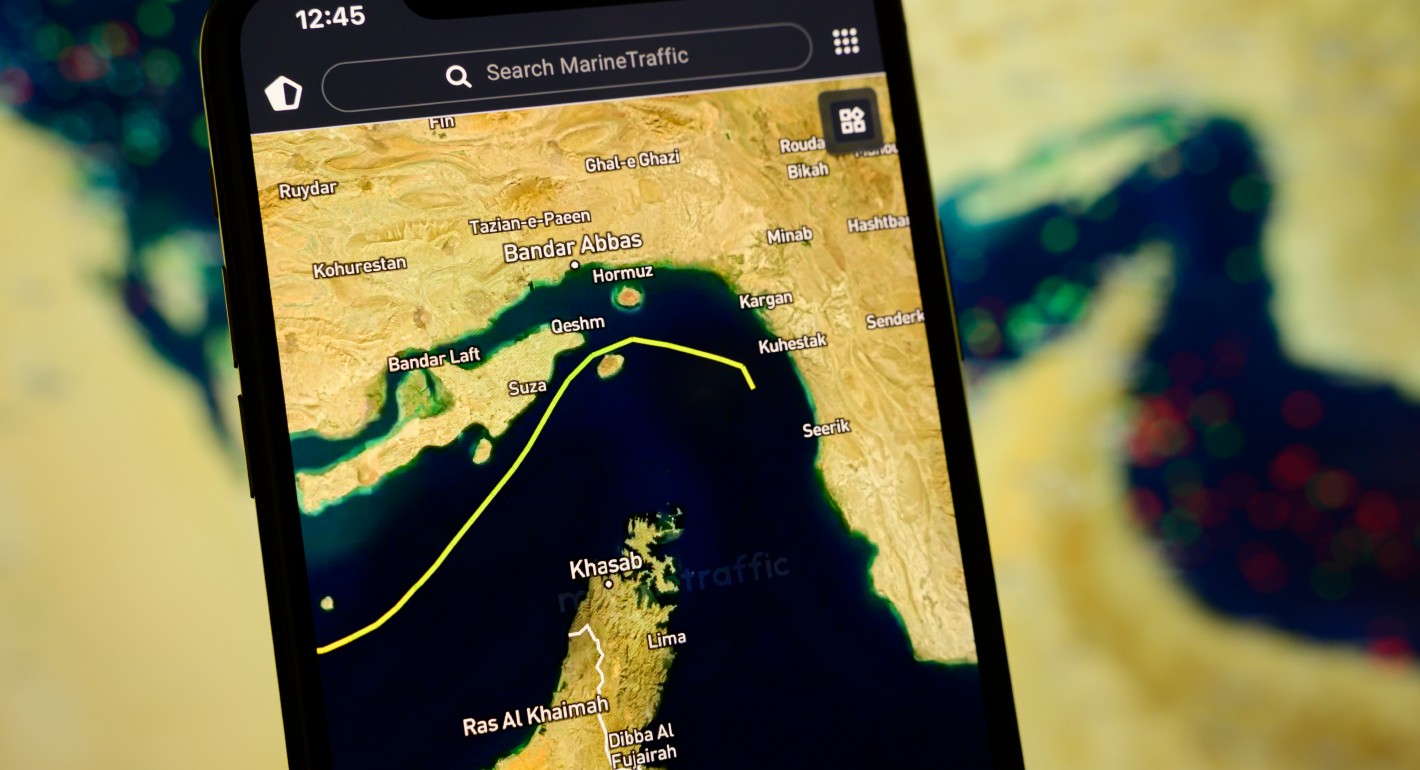
Why the Iran ceasefire isn’t a quick fix to the Strait of Hormuz energy crisis.

Helima Croft, Aaron David Miller
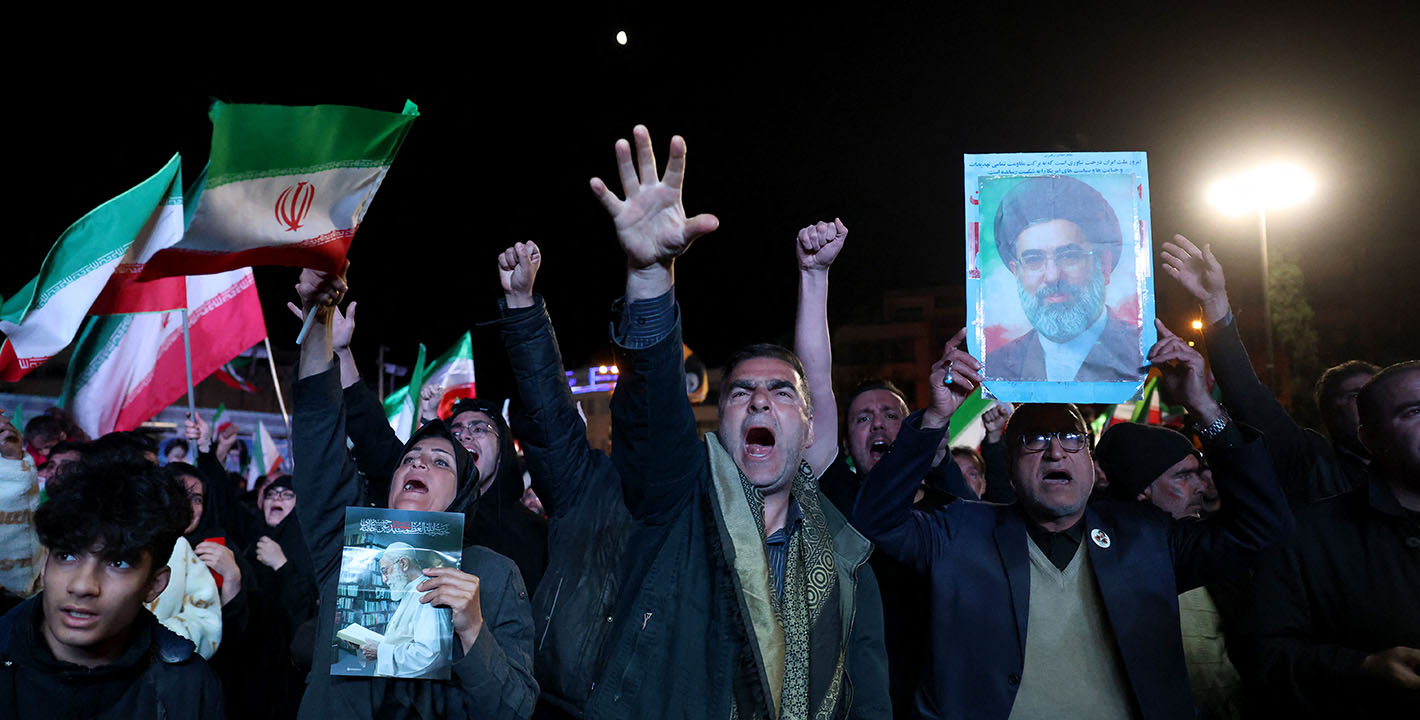
Spot analysis from Carnegie scholars on events relating to the Middle East and North Africa.

Michael Young