

Paper
Douglas H. Paal
{
  "authors": [
    "Douglas H. Paal"
  ],
  "type": "questionAnswer",
  "centerAffiliationAll": "dc",
  "centers": [
    "Carnegie Endowment for International Peace",
    "Carnegie China"
  ],
  "collections": [
    "China’s Foreign Relations"
  ],
  "englishNewsletterAll": "asia",
  "nonEnglishNewsletterAll": "",
  "primaryCenter": "Carnegie China",
  "programAffiliation": "AP",
  "programs": [
    "Asia"
  ],
  "projects": [],
  "regions": [
    "North America",
    "United States",
    "East Asia",
    "Southeast Asia"
  ],
  "topics": [
    "Economy",
    "Trade",
    "Foreign Policy"
  ]
}
Source: Getty
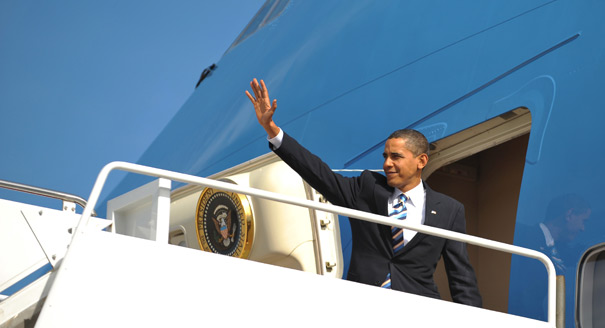
With fears mounting that Washington has lost focus on Asia, Obama’s summit-filled trip to the region is an opportunity to reconnect with leaders and chart a clear course.
U.S. President Barack Obama heads back to Asia a year after he canceled a similar trip and missed two regional summits. With stops in China, Myanmar, and Australia, Obama’s visit will include the Asia-Pacific Economic Cooperation (APEC) forum, the East Asia Summit, and a G20 leaders meeting.
In a Q&A, Douglas Paal previews the trip and analyzes its significance. With fears mounting that Obama has lost focus on Asia amid a host of other foreign policy concerns, this is an opportunity to reconnect with leaders and chart a clear path forward.
The APEC stop in Beijing is most important for what it will portend for management of U.S.-China relations during the remaining two years of Obama’s term. This time frame coincides with Xi Jinping’s crucial years for reform and political consolidation prior to the 19th Party Congress in 2017. Steadiness, a lack of surprises, and efforts at modest levels of cooperation can lead to a productive interregnum. But as seen over the past year, China and Xi have surprised the United States and China’s neighbors with an assertive foreign policy.
The United States will also need to find a way to promote the Trans-Pacific Partnership while explaining Washington’s counterproductive opposition to China’s new Asian Infrastructure Investment Bank.
Every democratic leader will say something about Hong Kong. But the situation is not likely to be changed by happenings in Beijing, and the incoherence of the protesters has diminished their impact. Supporters lack a clear position to which to lend their backing.
China, in the run-up to the summit it is hosting, has been establishing confidence-building mechanisms with its rivals and with the United States. Time will tell whether these are tactical, expedient measures undertaken to create a smooth meeting or more lasting indications of Chinese intentions, with consequences for lowering tensions.
Pulling the Asian members of the East Asia Summit into further consultation on Asian security challenges, such as in the South China Sea, will consume much of the oxygen during Obama’s stop in Myanmar.
The Myanmar government is trying to preempt pressure to revise its pro-military constitution. The process is continuing, and not yet satisfactory to the opposition led by Aung San Suu Kyi.
Obama may be able to lend a subtle bit of pressure. But sanctions imposed by the U.S. Congress have limited his quiver of inducements to help move the situation.
The president will need to resist the temptation to take credit for what the Burmese themselves have done, as his staffers tend to do.
The story continues to be of growth and rebalancing.
The German-led EU still seeks surpluses, as do Japan and China, in a world where demand has diminished. Even American consumption is taking a prolonged breather in the aftermath of the great financial crisis as households continue to work off their debt. But the U.S. economy is performing well, leaving the United States in its strongest position in years.
The G20 will look at the European economy’s weakness; Japan’s surplus-inducing currency devaluation under the latest, huge quantitative easing from the Bank of Japan; and the threat of competitive devaluations to global growth.
Yes, all the noise from Washington is about everything except Asia. Obama’s focus on the rebalance has visibly drifted, worrying America’s friends that the United States will not supply the backing to resist Chinese pressures that they need.
The United States looks like a country constantly fretting over the latest stone to get in its shoes, whether Ebola, the Islamic State, or Ukraine, but that doesn’t seem to know what road it’s walking down.
Distinguished Fellow, Asia Program
Paal previously served as vice chairman of JPMorgan Chase International and as unofficial U.S. representative to Taiwan as director of the American Institute in Taiwan.
Recent Work
Douglas H. Paal


Douglas H. Paal, Tong Zhao, Chen Qi, …
Carnegie does not take institutional positions on public policy issues; the views represented herein are those of the author(s) and do not necessarily reflect the views of Carnegie, its staff, or its trustees.
Montenegro and Albania are frontrunners for EU enlargement in the Western Balkans, but they can’t just sit back and wait. To meet their 2030 accession ambitions, they must make a strong positive case.


Dimitar Bechev, Iliriana Gjoni
Its reinstatement should be celebrated, but it retains some major shortcomings.
Leonardo Martinez-Diaz
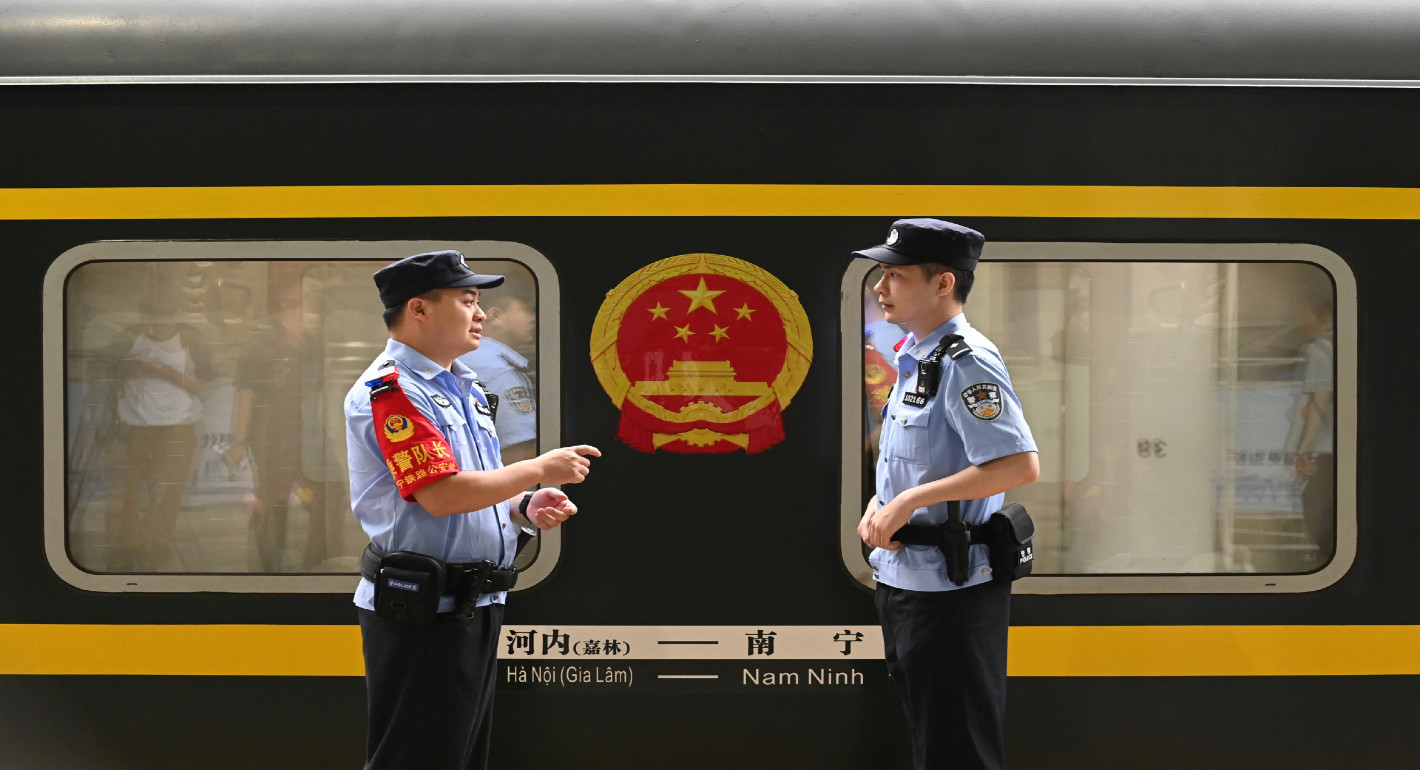
Despite long-standing differences, China and Vietnam are reinforcing common ground for collaboration, especially in public security. This internal security–centered diplomacy offers a strengthened road map for how China moves forward with Southeast Asia.
Sophie Zhuang
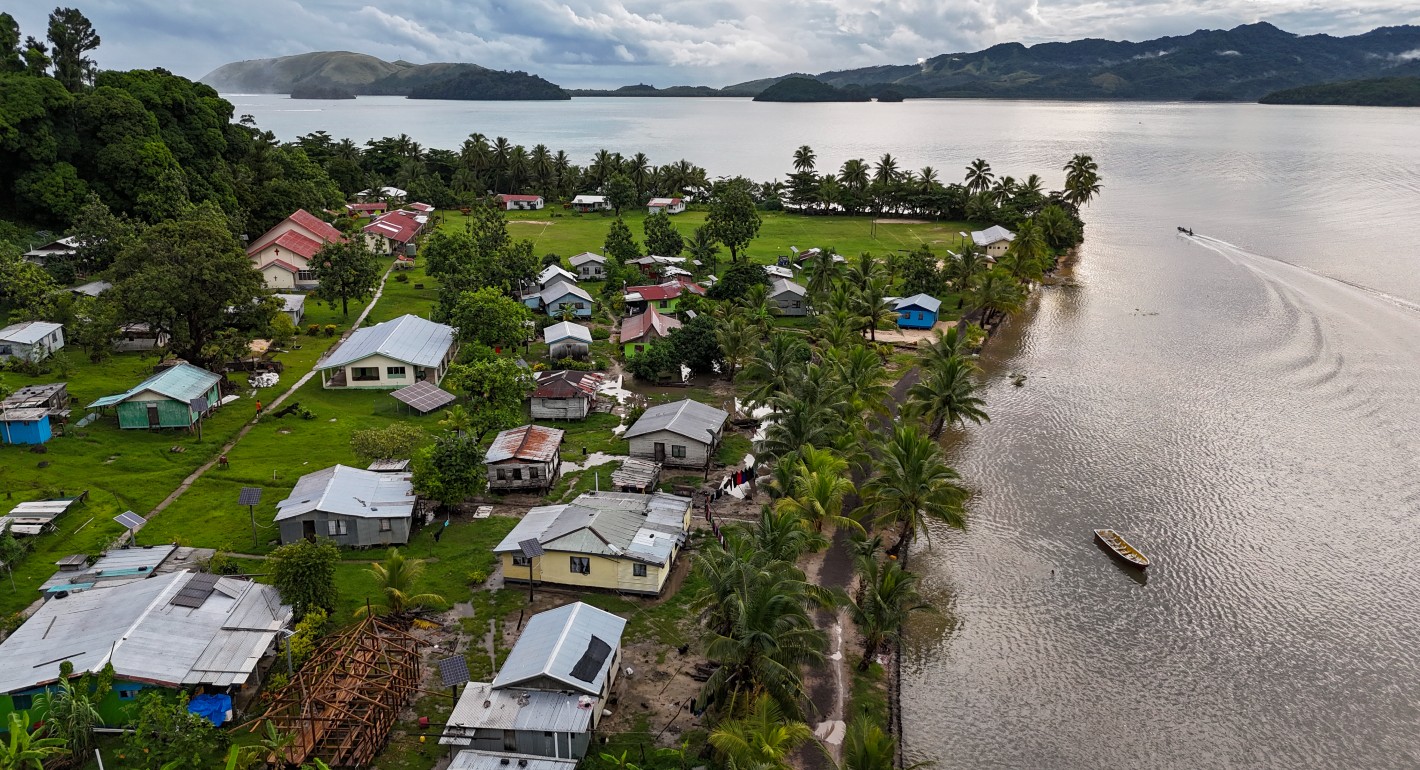
Climate mobility interventions can vary, but they all present opportunities to unlock transformative results that mitigate costs associated with inaction.

Alejandro Martin Rodriguez
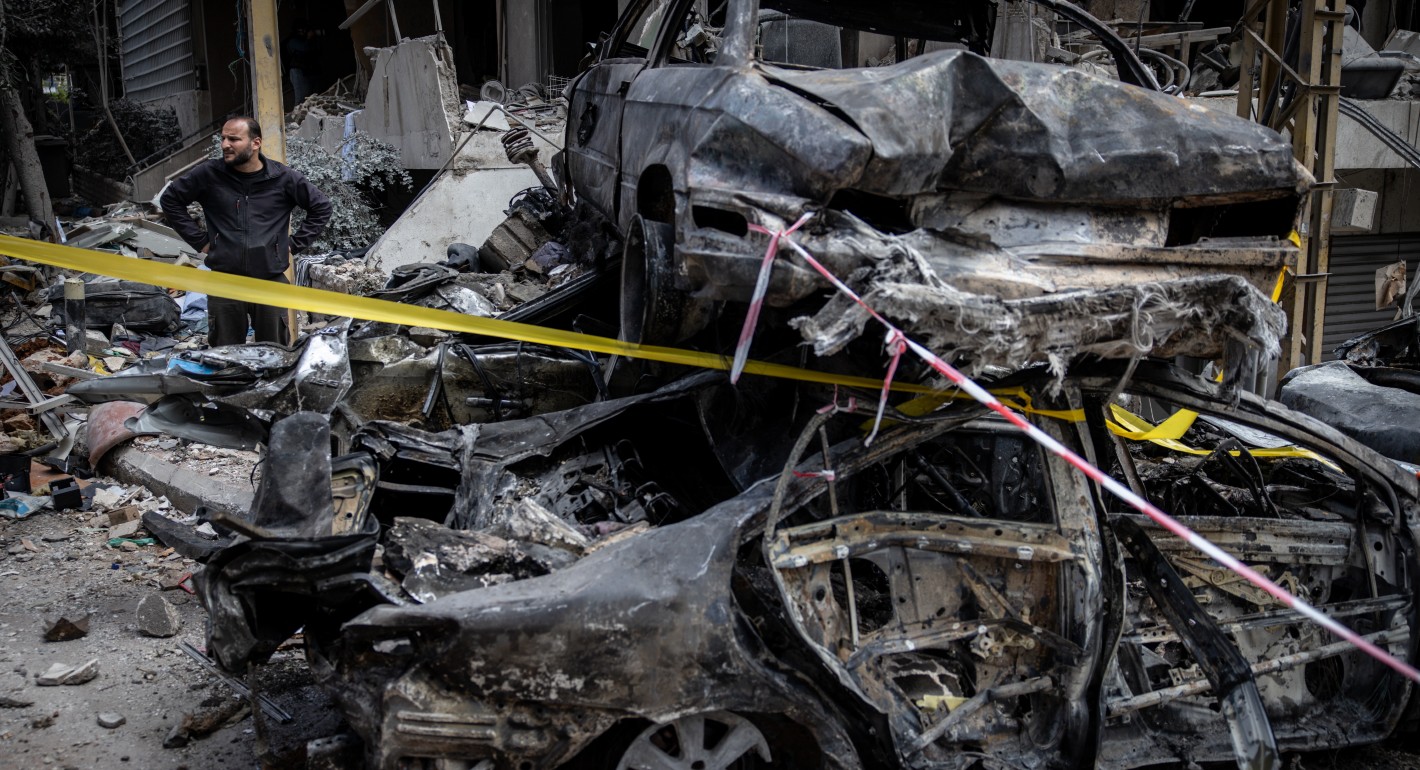
Four Middle East experts analyze the region’s reactions and next steps.



Amr Hamzawy, Andrew Leber, Eric Lob, …