Commentary
Yukon Huang, Isaac B. Kardon, Matt Sheehan
{
  "authors": [
    "Yukon Huang"
  ],
  "type": "legacyinthemedia",
  "centerAffiliationAll": "dc",
  "centers": [
    "Carnegie Endowment for International Peace"
  ],
  "collections": [],
  "englishNewsletterAll": "asia",
  "nonEnglishNewsletterAll": "",
  "primaryCenter": "Carnegie Endowment for International Peace",
  "programAffiliation": "AP",
  "programs": [
    "Asia"
  ],
  "projects": [],
  "regions": [
    "East Asia",
    "China"
  ],
  "topics": [
    "Economy"
  ]
}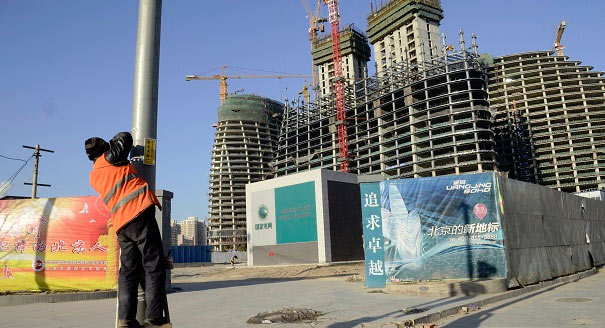
Source: Getty
In the past three decades, China has changed from what would be described as a centrally-planned economy to what could be called a state-led capitalist system that is more private-oriented and subject to market forces.
Source: U.S.-China Policy Foundation
In an interview with China Forum, Carnegie’s Yukon Huang discussed how China’s economy has shifted in the past decades. He described how China has changed from what would be described as a centrally-planned economy to what could be called a state-led capitalist system that is more private-oriented and subject to market forces. This was not an easy process; China’s changing economy means lowering economic growth rates and property adjustment. Huang said that going forward, it remained to be seen whether the expected 5-6 percent growth in the next 5-10 years is sustainable and what is the quality of that growth.
Huang also discussed anticorruption efforts in China and their potential impact on China’s economic growth. He said that in the short-term, these efforts will likely hinder growth. Corruption in China has actually been a positive for economic growth in the past, Huang explained, but it has other negative consequences. In the long-term, if China continues to become more market-oriented, corruption becomes less necessary. Therefore, Xi’s campaign against corruption could potentially be good for long-term growth.
This interview was originally broadcast by the U.S.-China Policy Foundation.

Senior Fellow, Asia Program
Huang is a senior fellow in the Carnegie Asia Program where his research focuses on China’s economy and its regional and global impact.
Recent Work

Yukon Huang, Isaac B. Kardon, Matt Sheehan
Yukon Huang, Genevieve Slosberg

Five problems—and solutions—to make it actually work as a tool of great power competition.

Afreen Akhter
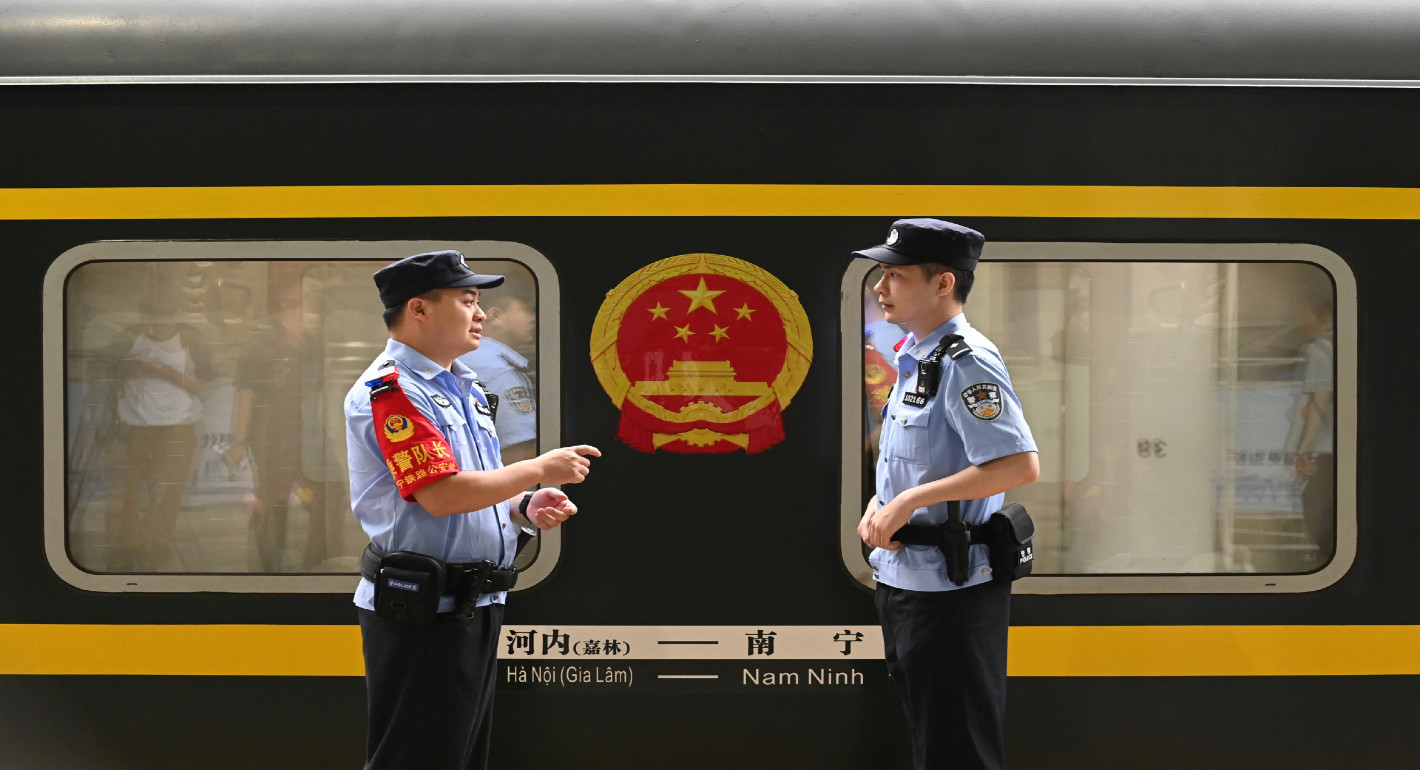
Despite long-standing differences, China and Vietnam are reinforcing common ground for collaboration, especially in public security. This internal security–centered diplomacy offers a strengthened road map for how China moves forward with Southeast Asia.
Sophie Zhuang

As the war between the United States, Israel, and Iran continues, Carnegie scholars contribute cutting-edge analysis on the events of the war and their wide-reaching implications. From the impact on Iran and its immediate neighbors to the responses from Gulf states to fuel and fertilizer shortages caused by the effective shutdown of the Strait of Hormuz, the war is reshaping Middle East alliances and creating shockwaves around the world. Carnegie experts analyze it all.
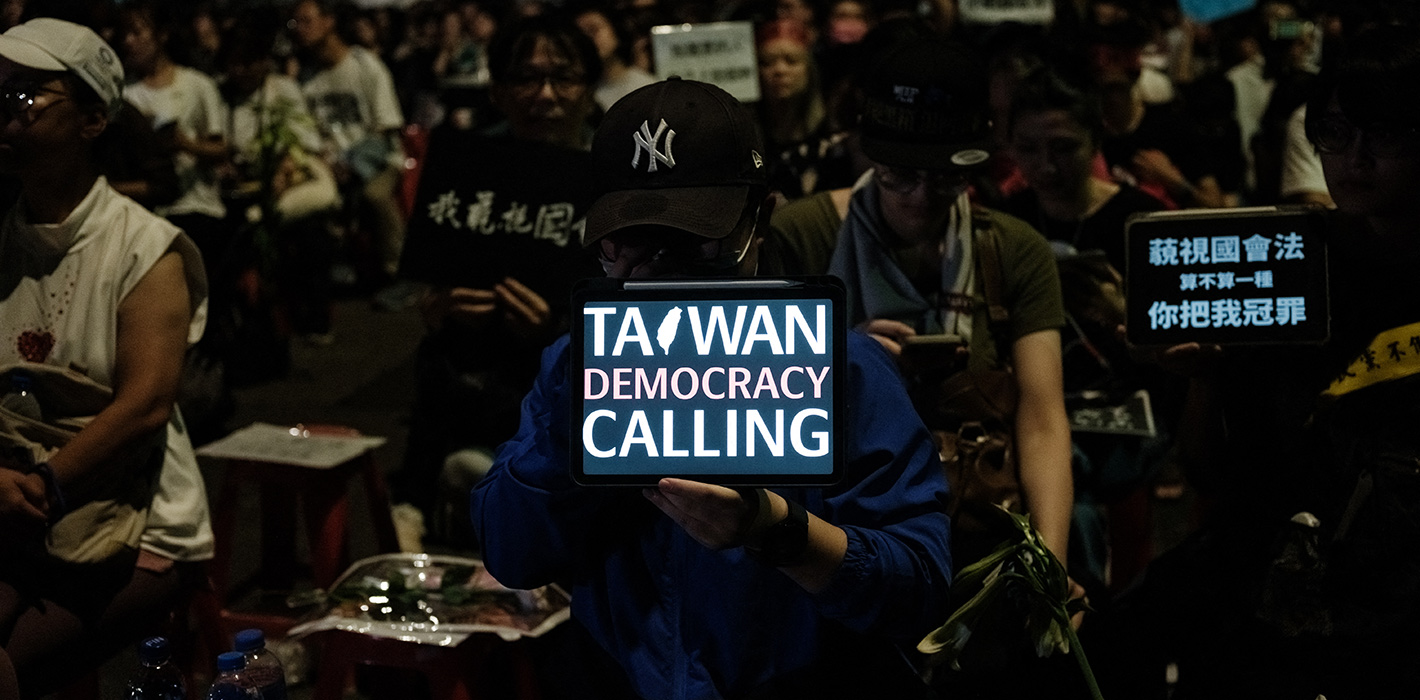
Governments now deploy online platforms to shape public opinion and influence collective cognition. This is acutely apparent between China and Taiwan.
Frank Cheng-Shan Liu

Across Asia, China is better positioned to withstand energy shocks from the fallout of the Iran war. Its abundant coal capacity can ensure stability in the near term. Yet at the same time, the country’s energy transition away from coal will make it even less vulnerable during the next shock.

Damien Ma