

Research
- +6
Milan Vaishnav, Sameer Lalwani, Tanvi Madan, …
{
  "authors": [
    "Milan Vaishnav"
  ],
  "type": "legacyinthemedia",
  "centerAffiliationAll": "dc",
  "centers": [
    "Carnegie Endowment for International Peace"
  ],
  "collections": [],
  "englishNewsletterAll": "ctw",
  "nonEnglishNewsletterAll": "",
  "primaryCenter": "Carnegie Endowment for International Peace",
  "programAffiliation": "SAP",
  "programs": [
    "South Asia"
  ],
  "projects": [],
  "regions": [
    "South Asia",
    "India"
  ],
  "topics": [
    "Political Reform"
  ]
}
Source: Getty
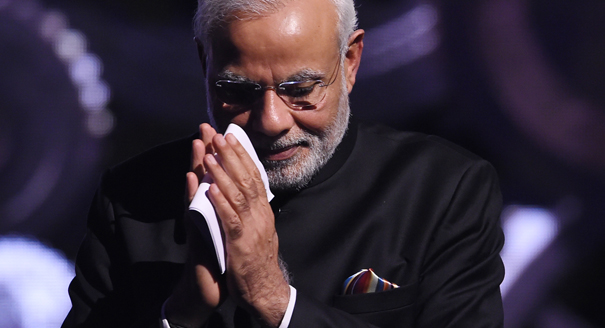
Rather than taking action, Modi has been much more inclined to announce new reforms, and he has been surprisingly politically risk averse.
Source: Bloomberg TV India
As the Narendra Modi government completes one year, Bloomberg TV India’s Fatima Karan discusses with Milan Vaishnav what he makes of Modi’s first year in office. Vaishnav gives the Modi government a 6 out of 10 on its first year performance. He complements the government for taking small steps like lifting FDI caps, but argues that, given the huge mandate the government had, it should have been bolder in its reforms. Rather than taking action, Modi has been much more inclined to announce new reforms, and he has been surprisingly politically risk averse, Vaishnav concluded.
This interview was originally broadcast by Bloomberg TV India.

Director and Senior Fellow, South Asia Program
Milan Vaishnav is a senior fellow and director of the South Asia Program and the host of the Grand Tamasha podcast at the Carnegie Endowment for International Peace. His primary research focus is the political economy of India, and he examines issues such as corruption and governance, state capacity, distributive politics, and electoral behavior. He also conducts research on the Indian diaspora.
Recent Work


Milan Vaishnav, Sameer Lalwani, Tanvi Madan, …
Sumitra Badrinathan, Devesh Kapur, Andy Robaina, …
Carnegie does not take institutional positions on public policy issues; the views represented herein are those of the author(s) and do not necessarily reflect the views of Carnegie, its staff, or its trustees.
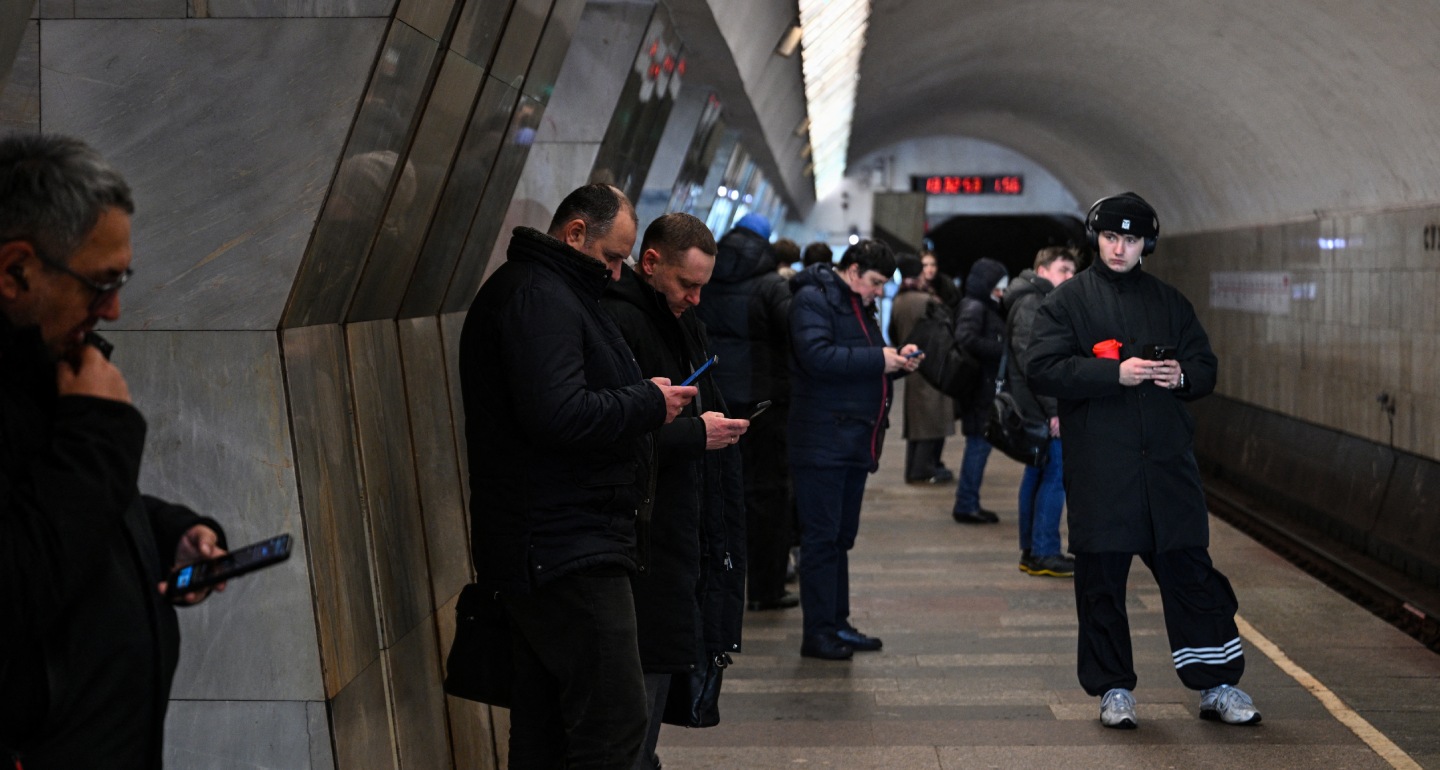
The Russian state has opted for complete ideological control of the internet and is prepared to bear the associated costs.

Maria Kolomychenko
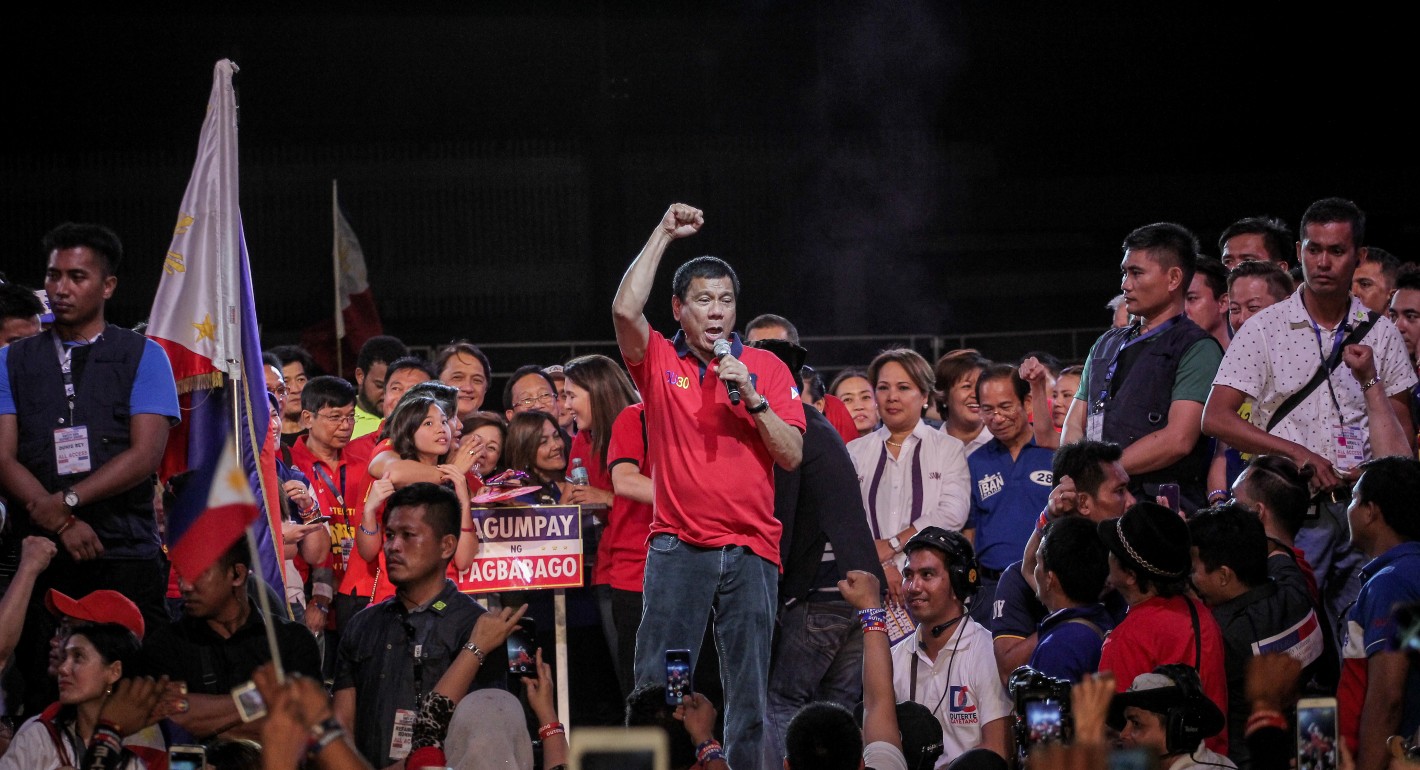
In the Philippines, Duterte-era discourse emphasizing sovereignty, anti-Western skepticism, and strongman diplomacy mirrors tenets of populist foreign policy around the world.
Aries A. Arugay
After four years of war, there is no one who can stand up to the security establishment, and President Vladimir Putin is increasingly passive.

Tatiana Stanovaya
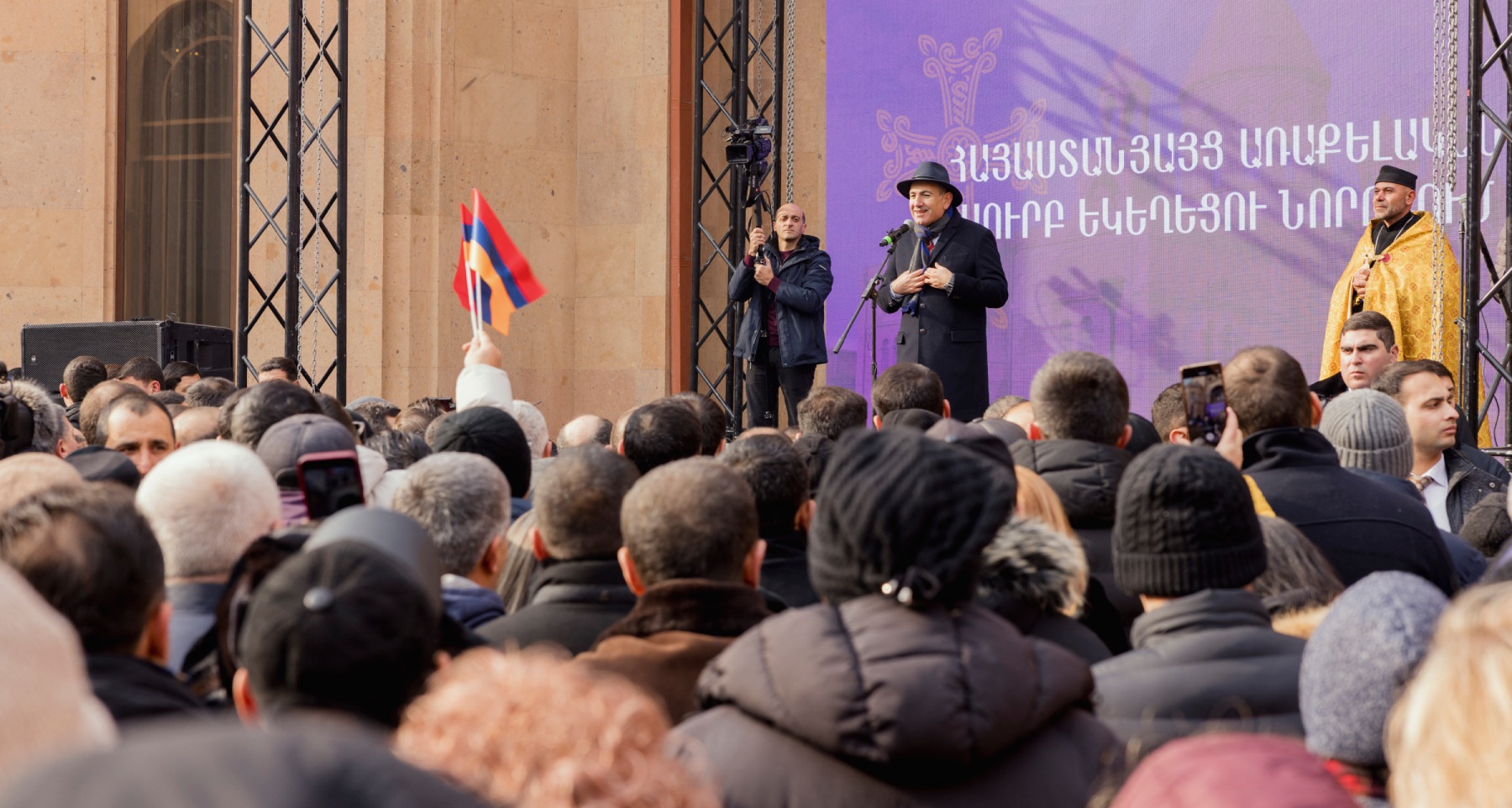
It’s true that many Armenians would vote for anyone just to be rid of Pashinyan, whom they blame for the loss of Nagorno-Karabakh, but the pro-Russia opposition is unlikely to be able to channel that frustration into an electoral victory.
Mikayel Zolyan
Military rule is now a defining political factor in South Asia. Here’s how analysts can understand and account for it.
Paul Staniland