

Commentary
U.S. trading partners in Asia are closely watching the dispute for signs of how it may affect their own interests.
Barbara Weisel
{
  "authors": [
    "Sandip Sukhtankar",
    "Milan Vaishnav"
  ],
  "type": "other",
  "centerAffiliationAll": "dc",
  "centers": [
    "Carnegie Endowment for International Peace"
  ],
  "collections": [],
  "englishNewsletterAll": "ctw",
  "nonEnglishNewsletterAll": "",
  "primaryCenter": "Carnegie Endowment for International Peace",
  "programAffiliation": "SAP",
  "programs": [
    "South Asia"
  ],
  "projects": [],
  "regions": [
    "South Asia",
    "India"
  ],
  "topics": [
    "Political Reform",
    "Democracy",
    "Economy",
    "Civil Society"
  ]
}
Source: Getty
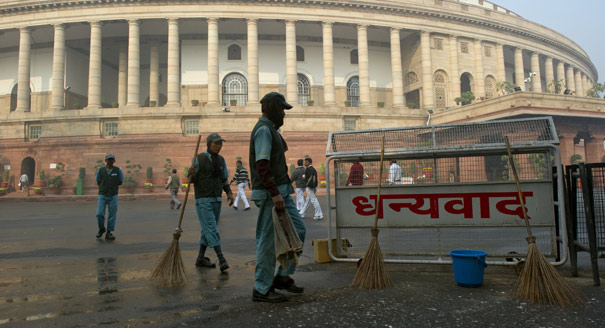
The most important thing for combating corruption is not the law on paper but the implementation of the law; the binding constraint, as always, is the government’s desire and ability to punish corrupt officials and politicians.
Source: India Policy Forum
This is also true for some technological interventions, although those interventions—like direct benefit transfers—that bypass middlemen and corrupt officials have a much greater scope for success, as do interventions that transfer bargaining power to citizens and beneficiaries. We find much to commend in the sensible and wide-ranging legislative agenda to combat corruption, including the Right to Service and Public Procurement bills. However, what is most important for combating corruption is not the law on paper but the implementation of the law; the binding constraint, as always, is the government’s desire and ability to punish corrupt officials and politicians.
Sandip Sukhtankar
Dartmouth College

Director and Senior Fellow, South Asia Program
Milan Vaishnav is a senior fellow and director of the South Asia Program and the host of the Grand Tamasha podcast at the Carnegie Endowment for International Peace. His primary research focus is the political economy of India, and he examines issues such as corruption and governance, state capacity, federalism, and electoral behavior. He also conducts research on the Indian diaspora.
Carnegie does not take institutional positions on public policy issues; the views represented herein are those of the author(s) and do not necessarily reflect the views of Carnegie, its staff, or its trustees.

U.S. trading partners in Asia are closely watching the dispute for signs of how it may affect their own interests.

Barbara Weisel
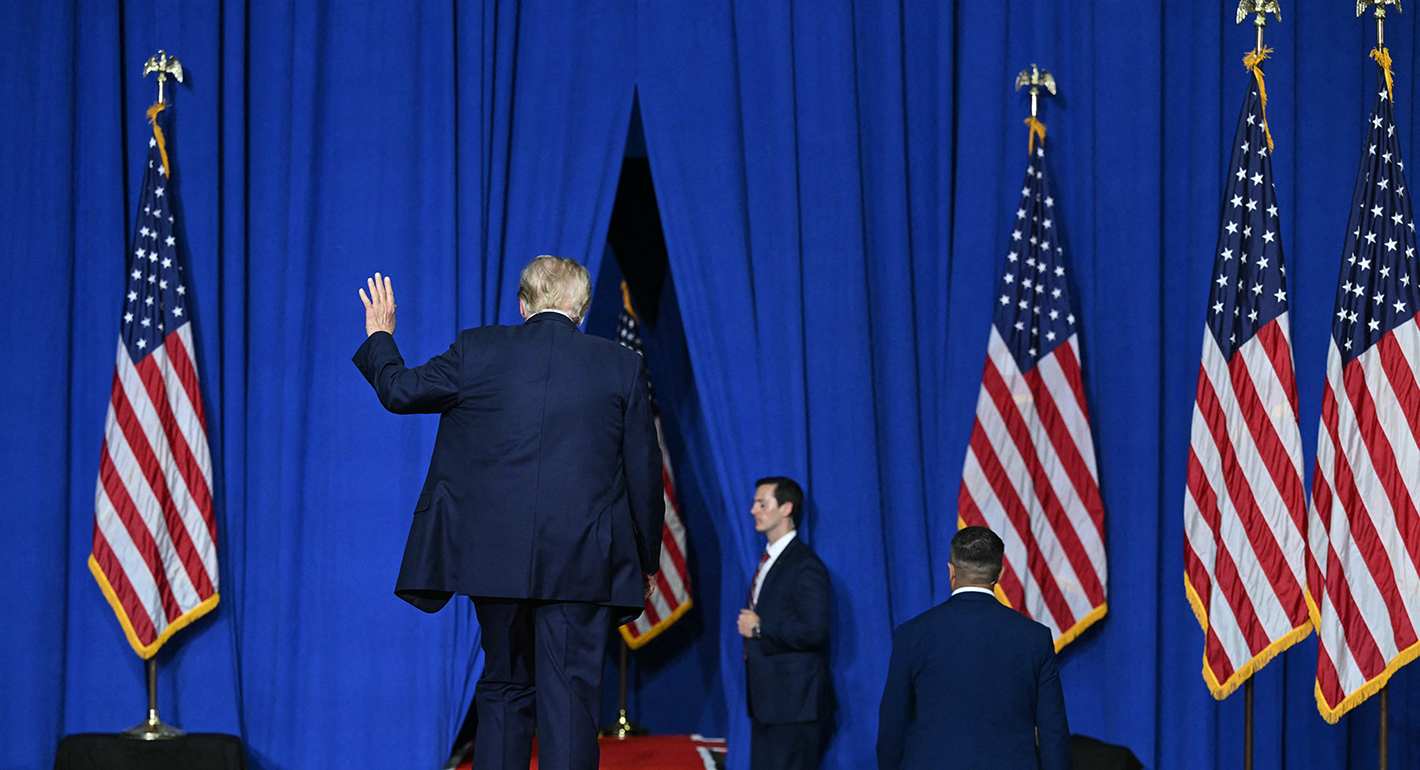
By abandoning past U.S. pro-democracy policies and adopting several lines of pro-autocratic action, the Trump administration has fundamentally repositioned the United States vis-à-vis democracy in the world.

Thomas Carothers

In the tenth year of his presidency, President Mirziyoyev’s system is becoming even more personalized than that of his predecessor Karimov.

Galiya Ibragimova

To remain effective, organizations need to master new media and legitimacy markers to make a once-in-a-century shift.


Renée DiResta, Rachel Kleinfeld, Margot Treadwell

An overwhelming victory by a far-right-wing party in a small state in eastern Germany will have major repercussions for Chancellor Friedrich Merz’s coalition.

Judy Dempsey