

Other
- +5
Frances Z. Brown, Zainab Usman, Erin Jones, …
{
  "authors": [
    "Aqil Shah"
  ],
  "type": "other",
  "centerAffiliationAll": "dc",
  "centers": [
    "Carnegie Endowment for International Peace"
  ],
  "collections": [],
  "englishNewsletterAll": "ctw",
  "nonEnglishNewsletterAll": "",
  "primaryCenter": "Carnegie Endowment for International Peace",
  "programAffiliation": "SAP",
  "programs": [
    "South Asia"
  ],
  "projects": [],
  "regions": [
    "South Asia",
    "India"
  ],
  "topics": [
    "Democracy"
  ]
}
Source: Getty
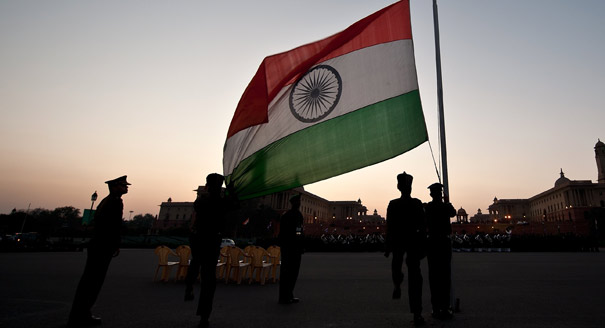
The Indian military chose to stay out of politics when Indira Gandhi imposed Emergency rule, despite numerous factors that might have facilitated an intervention.
Source: Commonwealth & Comparative Politics
In June 1975, Indian Prime Minister Indira Gandhi imposed Emergency rule, capping off a decade long process of the ‘deinstitutionalisation’ of the founding Congress party, increased social mobilisation, and political instability – factors generally considered conducive to military intervention in politics. Organisational factors encouraging military praetorianism, such as military involvement in internal security missions and the growth of ‘rival’ paramilitary institutions, accompanied this process of political decay. But the Indian military did not exploit this window of opportunity. This article offers an institutionalist explanation of the military’s political restraint based on two factors. First, institutionalised mechanisms of civilian control, forged during the critical juncture following independence, insulated the military from politics and the politicians from the military despite the weakening of the political system under which these were created. Second, military internalisation of the norm civilian supremacy, continually reinforced via professional socialisation processes, acted as an internal barrier to military role expansion...
This article was originally published in Commonwealth & Comparative Politics.
Former Visiting Scholar, South Asia Program
Aqil Shah was a visiting scholar in the South Asia Program at the Carnegie Endowment for International Peace.
Recent Work

Frances Z. Brown, Zainab Usman, Erin Jones, …
Aqil Shah
Carnegie does not take institutional positions on public policy issues; the views represented herein are those of the author(s) and do not necessarily reflect the views of Carnegie, its staff, or its trustees.
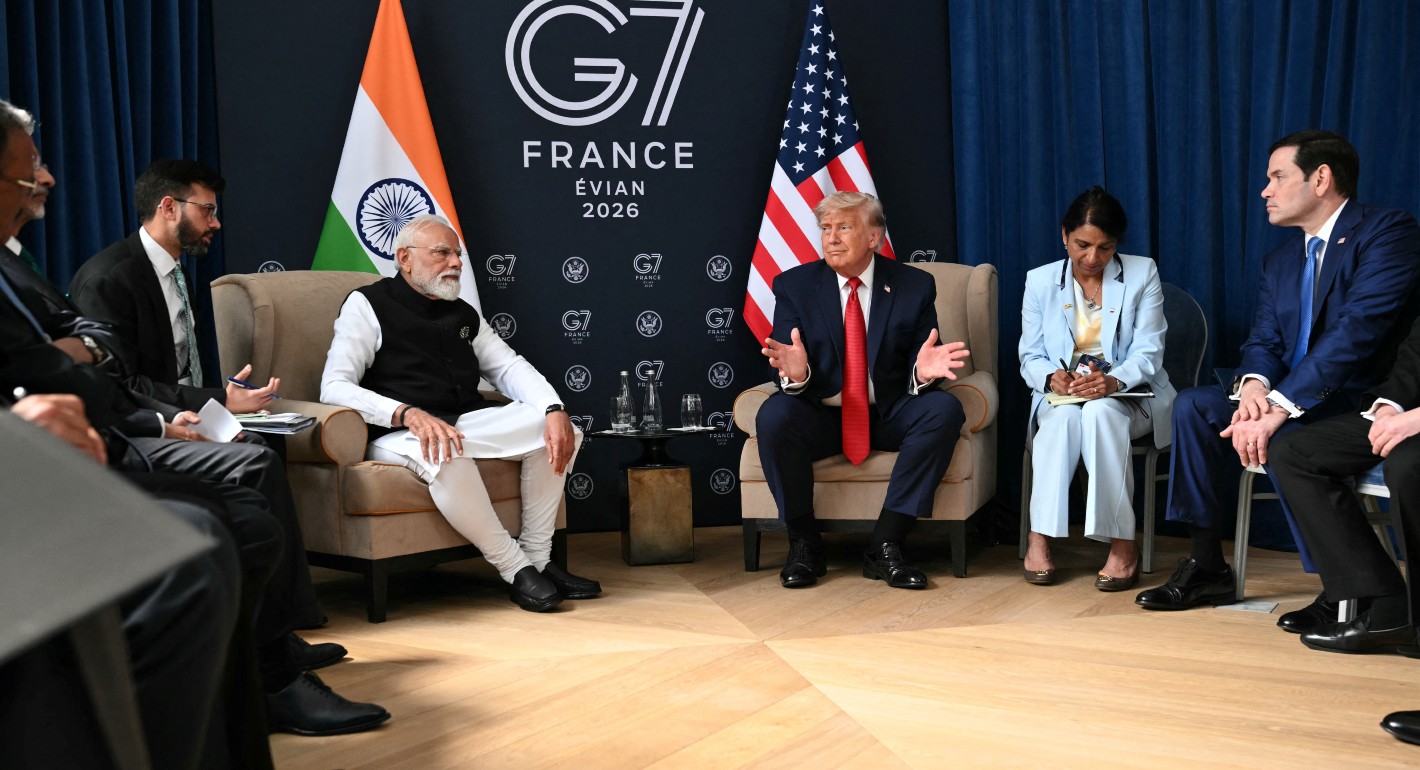
Despite public disputes over trade and immigration, the strategic partnership’s foundations remain sturdy.
Sameer Lalwani

A notable degree of participative democracy has firmly arrived in Europe. But to have more far-reaching impact, democratic deliberation needs to move into a radically new phase.

Richard Youngs
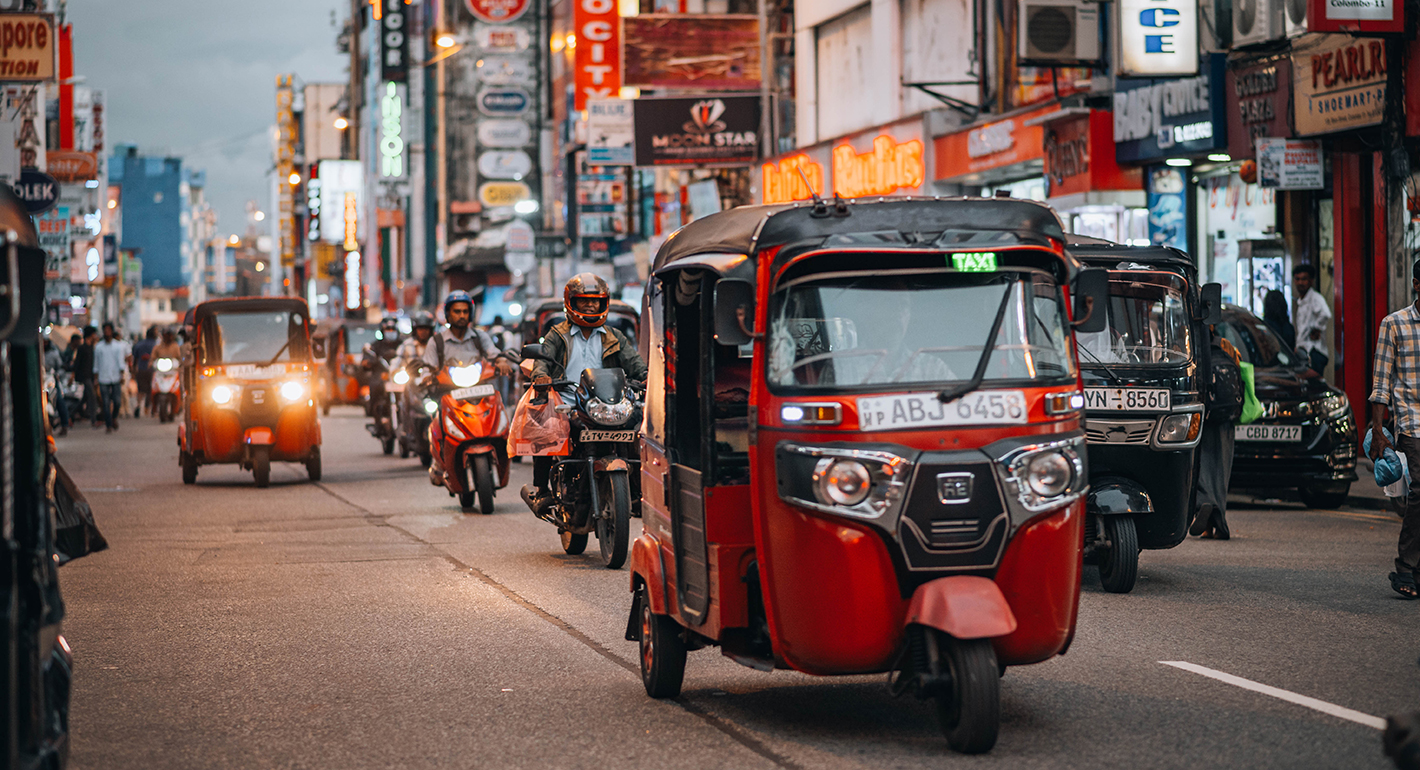
Economic recovery has brought Sri Lanka a modicum of stability, but domestic strains and great-power rivalry could test how long it lasts.
Avinash Paliwal
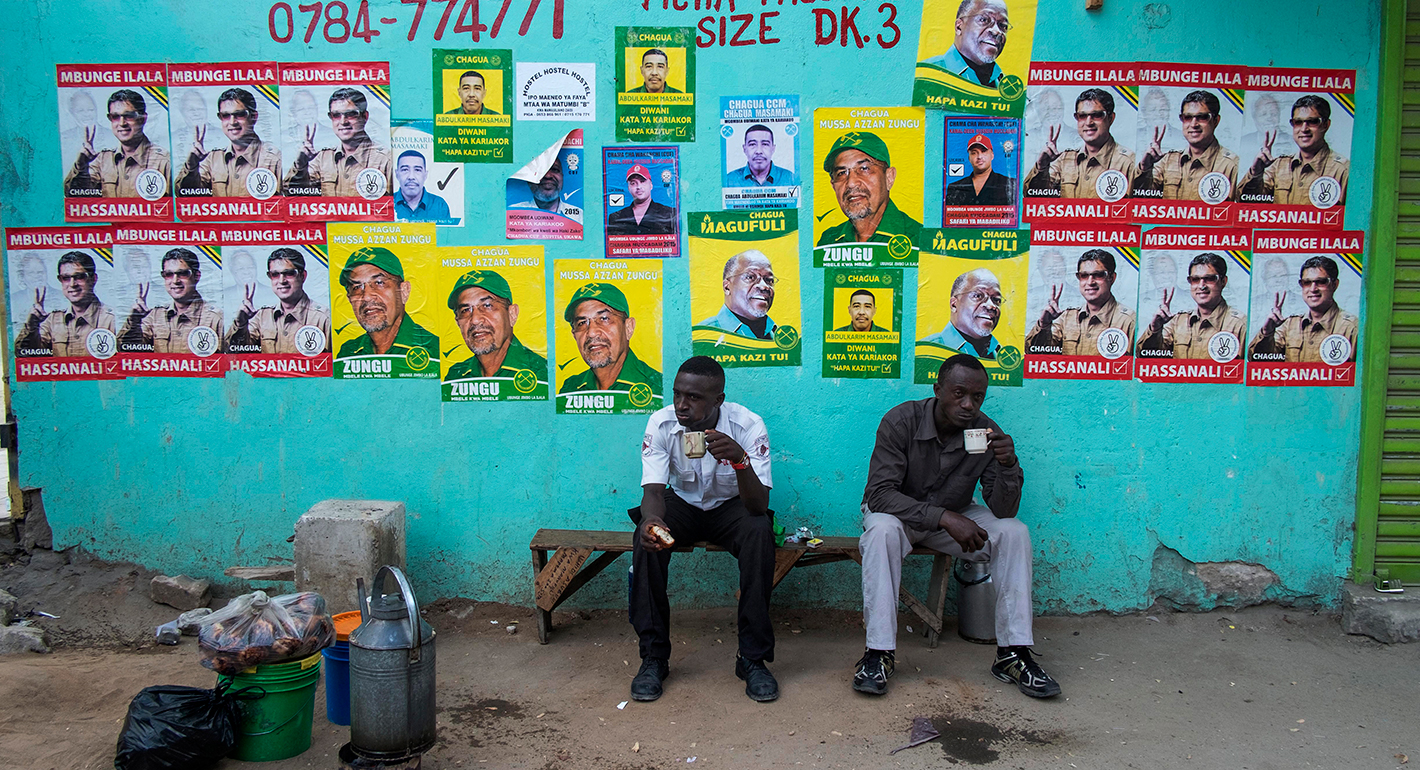
Today’s global democratic recession is partly rooted in a common perception that democracies have a delivery problem, with many citizens in both autocracies and democracies alike now believing that strongmen can achieve better governance outcomes. But a study of four countries in Africa reveals that democratic-leaning governments have demonstrated better governance performance than autocratic governments.


Sarah Yerkes, Natalie Triche, Amr Hamzawy
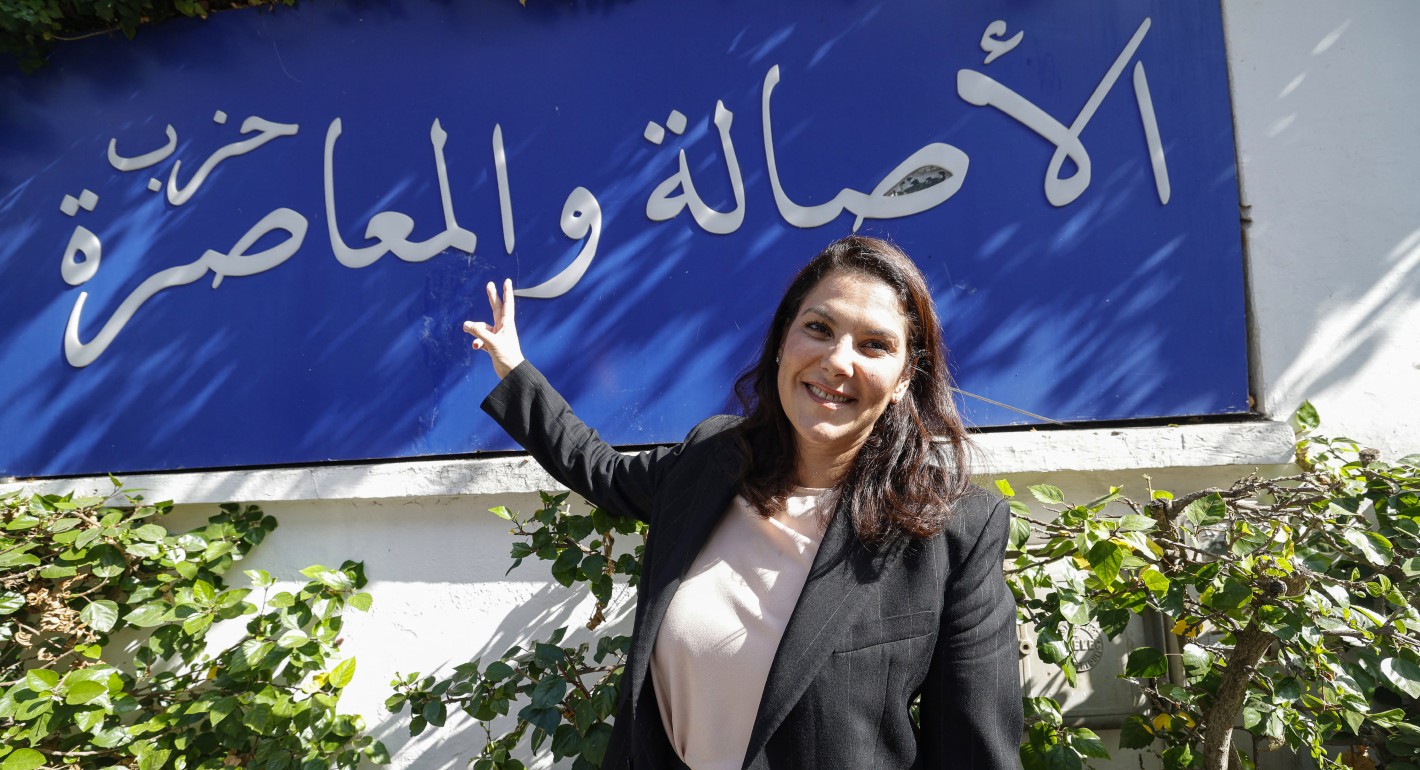
Fatima El Mansouri is the country’s first female prime minister. She’s also a privileged insider in a largely ceremonial position.
Sarah Yerkes