• Research
  • Emissary
  • About
  • Experts
Carnegie Global logoCarnegie lettermark logo
DemocracyIran
  • Donate
{
  "authors": [
    "Rachel Kleinfeld",
    "David Solimini"
  ],
  "type": "other",
  "centerAffiliationAll": "dc",
  "centers": [
    "Carnegie Endowment for International Peace"
  ],
  "collections": [
    "U.S. Democracy in Comparative Perspective"
  ],
  "englishNewsletterAll": "democracy",
  "nonEnglishNewsletterAll": "",
  "primaryCenter": "Carnegie Endowment for International Peace",
  "programAffiliation": "DCG",
  "programs": [
    "Democracy, Conflict, and Governance"
  ],
  "projects": [],
  "regions": [
    "North America",
    "United States"
  ],
  "topics": [
    "Political Reform",
    "Democracy"
  ]
}

Source: Getty

Other

What Comes Next? Lessons for the Recovery of Liberal Democracy

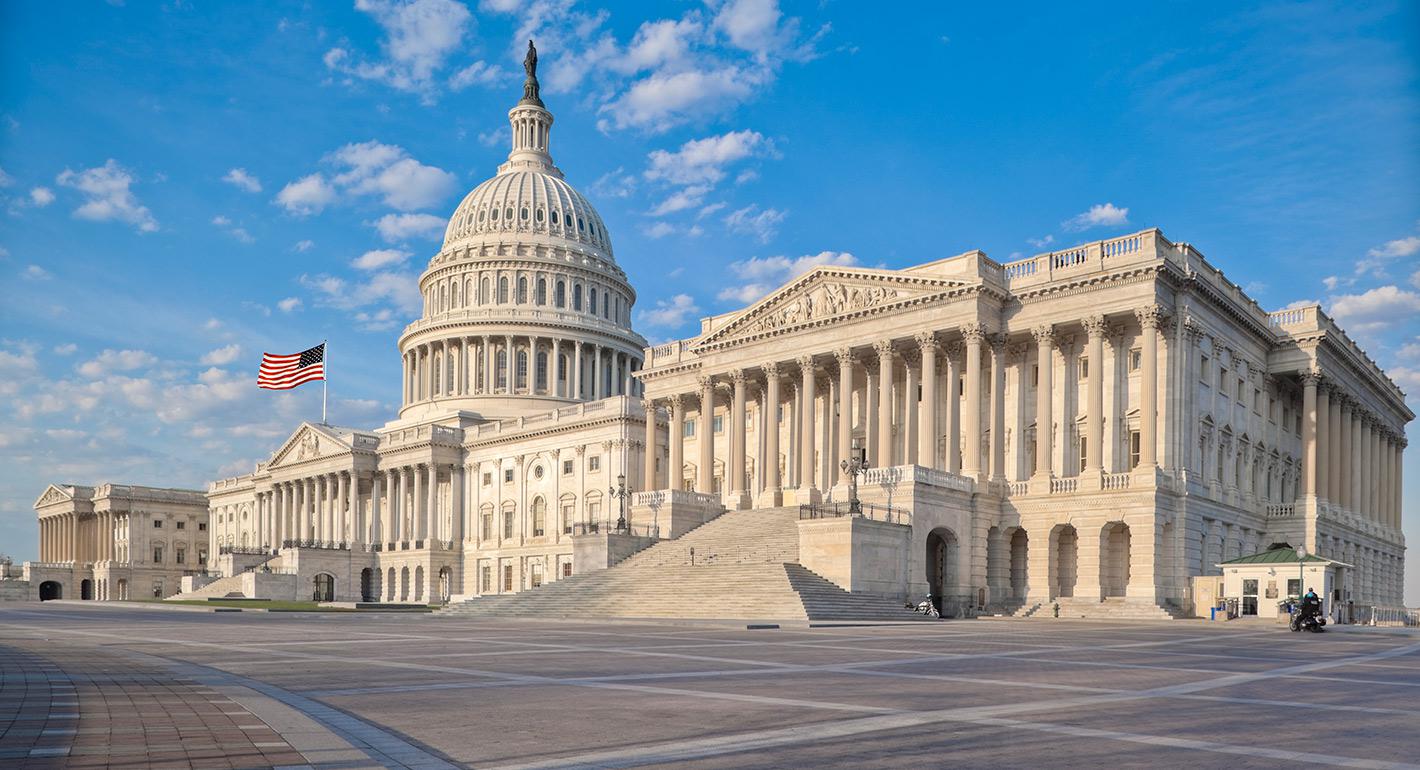
In the face of the decline of democracy in the United States, it is beneficial to look toward other democracies which declined and recovered. This analysis reveals that often recovery takes decades, can remain incomplete, and that it requires the dedication of individuals committed to renewal.

Link Copied
By Rachel Kleinfeld and David Solimini
Published on Oct 31, 2018
Program mobile hero image

Program

Democracy, Conflict, and Governance

The Democracy, Conflict, and Governance Program is a leading source of independent policy research, writing, and outreach on global democracy, conflict, and governance. It analyzes and seeks to improve international efforts to reduce democratic backsliding, mitigate conflict and violence, overcome political polarization, promote gender equality, and advance pro-democratic uses of new technologies.

Learn More

Source: Democracy Fund

Executive Summary

Democracy in America suffers from a decades-long pattern of institutional decline. The candidacy and election of President Donald Trump is a symptom as well as an accelerant of this institutional degradation, catalyzing reactions from other institutions, parties, and voters. On the positive side, President Trump’s brazen disregard for the longstanding norms of American governance has drawn attention to long-running problems, creating new interest in what the United States might learn from the experience of other countries in similar situations.

What can we learn from other democracies that have faced executive degradation1 of pre-weakened democratic institutions, particularly countries with polarized populations? Based on the trajectories of other nations, what damage might we expect to see by the end of the Trump administration? Are there lessons for renewal that can be applied the day this administration exits the scene?

Few countries are directly comparable to the United States. As the world’s oldest continual democracy, the United States has far more established institutions than most other states. And yet the laws protecting the checks and balances of our government are older and thinner than those of most modern democracies, creating the impression of a strong state that has in practice relied more on norms than law to maintain its institutions. America’s implementation of federalism is deeper than in most other countries and is a significant buffer against executive overreach. On the other hand, its population is deeply — and often evenly — polarized by identity-driven divisions that do not lend themselves to compromise. For both sides, every political fight is an identity battle and each battle is potentially winnable. The temptation to engage in undemocratic behavior is significant.

In declining order of direct comparison, we looked at cases of democratic decline and subsequent renewal in Italy under Silvio Berlusconi, Colombia under President Álvaro Uribe, Louisiana during the Huey Long period, Argentina during the populist regimes of Carlos Menem and the Kirchners, South Korea’s President Park Geun-hye, Peru during the reign of Alberto Fujimori, and India under Indira and Rajiv Gandhi. We also looked at the similarities and differences between these states and countries that faced executive degradation and have not yet recovered, particularly Hungary, Poland, Turkey, and Venezuela.

Read full text (PDF)

This piece was originally published by the Democracy Fund. 

Notes

1. We use this term from Larry Diamond's book In Search of Democracy, where he defines it to refer to the degradation of civil and political rights of citizens by a country's executive. 

About the Authors

Rachel Kleinfeld

Senior Fellow, Democracy, Conflict, and Governance Program

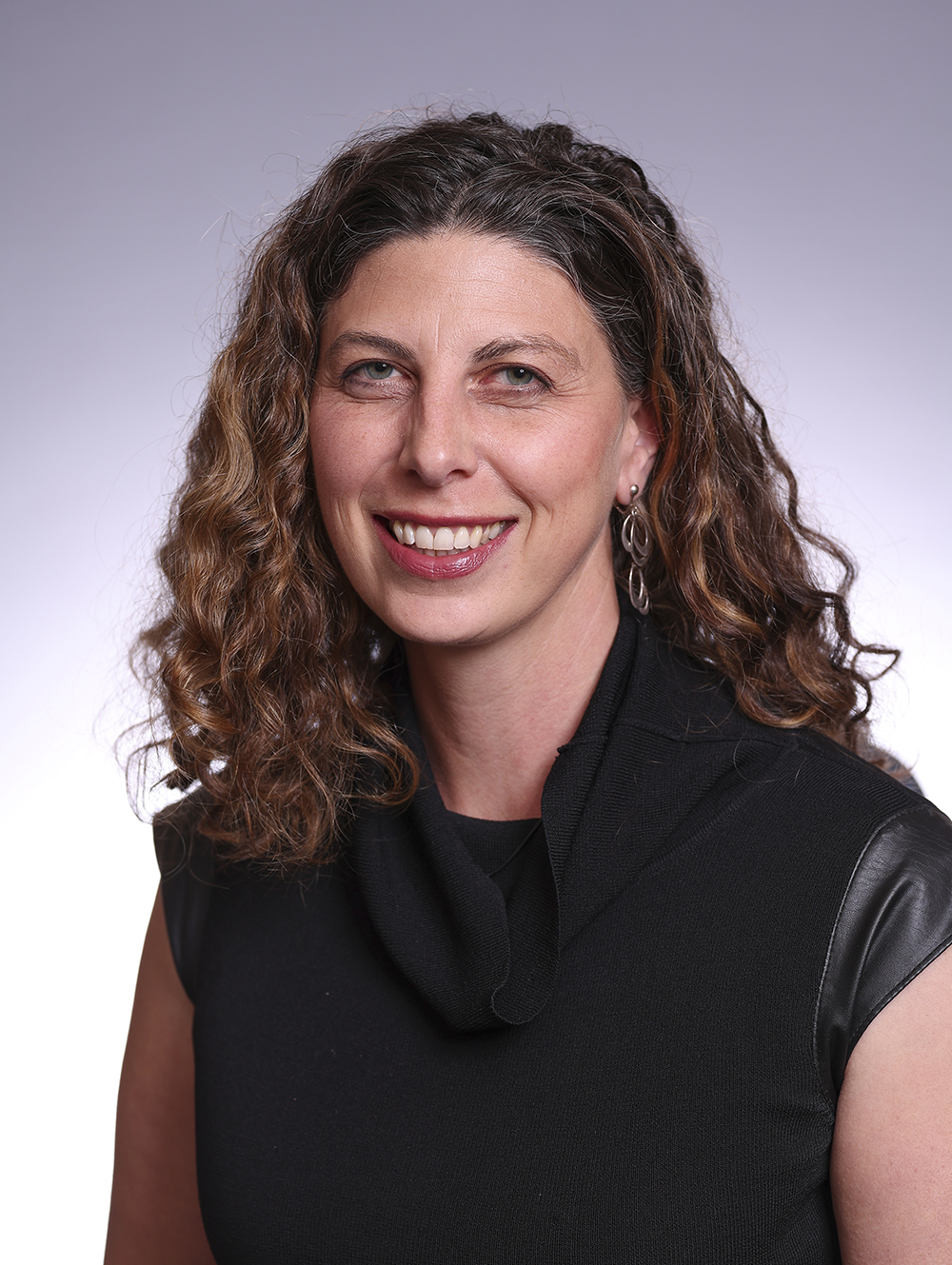
Rachel Kleinfeld is a senior fellow in Carnegie’s Democracy, Conflict, and Governance Program, where she focuses on issues of rule of law, security, and governance in democracies experiencing polarization, violence, and other governance problems.

David Solimini

David Solimini has spent fifteen years at the intersection of politics, foreign policy, and communications. As co-owner and Principal of ADco, he provides strategic advice, issue expertise, and translates policy nuance into persuasive communications to achieve policy goals. He is also the host and creator of The Secure Line, a podcast on the policy and politics of America’s role in the world. In 2017, he advised on policy and led communications for ICAN’s Nobel Peace Prize-winning effort to create a treaty-based prohibition on nuclear weapons. Previously, as vice president at the Truman National Security Project, he crafted messaging for candidates, policy leaders, and media across the country, while serving as a senior leader in organizational strategy and program development. He was the founding executive director of the Virginia Redistricting Coalition and co-founder of Virginia21, the country’s first organization devoted to generational advocacy for young voters. He has also worked as a speechwriter and ghostwriter for numerous candidates, elected officials, and public figures. Solimini received his B.A. from the College of William and Mary and his master’s degree from Johns Hopkins SAIS. He lives with his family in Washington, D.C.

Authors

Rachel Kleinfeld
Senior Fellow, Democracy, Conflict, and Governance Program
Rachel Kleinfeld
David Solimini

David Solimini has spent fifteen years at the intersection of politics, foreign policy, and communications. As co-owner and Principal of ADco, he provides strategic advice, issue expertise, and translates policy nuance into persuasive communications to achieve policy goals. He is also the host and creator of The Secure Line, a podcast on the policy and politics of America’s role in the world. In 2017, he advised on policy and led communications for ICAN’s Nobel Peace Prize-winning effort to create a treaty-based prohibition on nuclear weapons. Previously, as vice president at the Truman National Security Project, he crafted messaging for candidates, policy leaders, and media across the country, while serving as a senior leader in organizational strategy and program development. He was the founding executive director of the Virginia Redistricting Coalition and co-founder of Virginia21, the country’s first organization devoted to generational advocacy for young voters. He has also worked as a speechwriter and ghostwriter for numerous candidates, elected officials, and public figures. Solimini received his B.A. from the College of William and Mary and his master’s degree from Johns Hopkins SAIS. He lives with his family in Washington, D.C.

Political ReformDemocracyNorth AmericaUnited States

Carnegie does not take institutional positions on public policy issues; the views represented herein are those of the author(s) and do not necessarily reflect the views of Carnegie, its staff, or its trustees.

More Work from Carnegie Endowment for International Peace

  • Shipping port at dawn from above
    Commentary
    Emissary
    The U.S. Export-Import Bank Was Built for a Different Era. Here's How to Fix It.

    Five problems—and solutions—to make it actually work as a tool of great power competition.

      • Afren Akhter

      Afreen Akhter

  • Commentary
    Carnegie Politika
    Russia Is Meddling for Meddling’s Sake in the Middle East

    The Russian leadership wants to avoid a dangerous precedent in which it is squeezed out of Iran by the United States and Israel—and left powerless to respond in any meaningful way.

      Nikita Smagin

  • Commentary
    Strategic Europe
    The Fog of AI War

    In Ukraine, Gaza, and Iran, AI warfare has come to dominate, with barely any oversight or accountability. Europe must lead the charge on the responsible use of new military technologies.

      Raluca Csernatoni

  • Commentary
    Diwan
    Egypt’s Discrete Role in the Ceasefire with Iran

    Cairo’s efforts send a message to the United States and the region that it still has a place at the diplomatic table.

      • Angie Omar

      Angie Omar

  • Commentary
    Carnegie Politika
    Is Frustration With Armenia’s Pashinyan Enough to Bring the Pro-Russia Opposition to Power?

    It’s true that many Armenians would vote for anyone just to be rid of Pashinyan, whom they blame for the loss of Nagorno-Karabakh, but the pro-Russia opposition is unlikely to be able to channel that frustration into an electoral victory.

      Mikayel Zolyan

Get more news and analysis from
Carnegie Endowment for International Peace
Carnegie global logo, stacked
1779 Massachusetts Avenue NWWashington, DC, 20036-2103Phone: 202 483 7600Fax: 202 483 1840
  • Research
  • Emissary
  • About
  • Experts
  • Donate
  • Programs
  • Events
  • Blogs
  • Podcasts
  • Contact
  • Annual Reports
  • Careers
  • Privacy
  • For Media
  • Government Resources
Get more news and analysis from
Carnegie Endowment for International Peace
© 2026 Carnegie Endowment for International Peace. All rights reserved.