

Commentary
AI capabilities are moving fast. Most institutions—including governments—can’t keep up.
Anton Leicht, Scott Singer
{
  "authors": [
    "Chen Dingding"
  ],
  "type": "legacyinthemedia",
  "centerAffiliationAll": "",
  "centers": [
    "Carnegie Endowment for International Peace",
    "Carnegie China"
  ],
  "collections": [
    "U.S.-China Relations",
    "China’s Foreign Relations"
  ],
  "englishNewsletterAll": "",
  "nonEnglishNewsletterAll": "",
  "primaryCenter": "Carnegie Endowment for International Peace",
  "programAffiliation": "",
  "programs": [],
  "projects": [],
  "regions": [
    "North America",
    "United States",
    "East Asia",
    "China"
  ],
  "topics": [
    "Economy",
    "Trade",
    "Foreign Policy"
  ]
}
Source: Getty
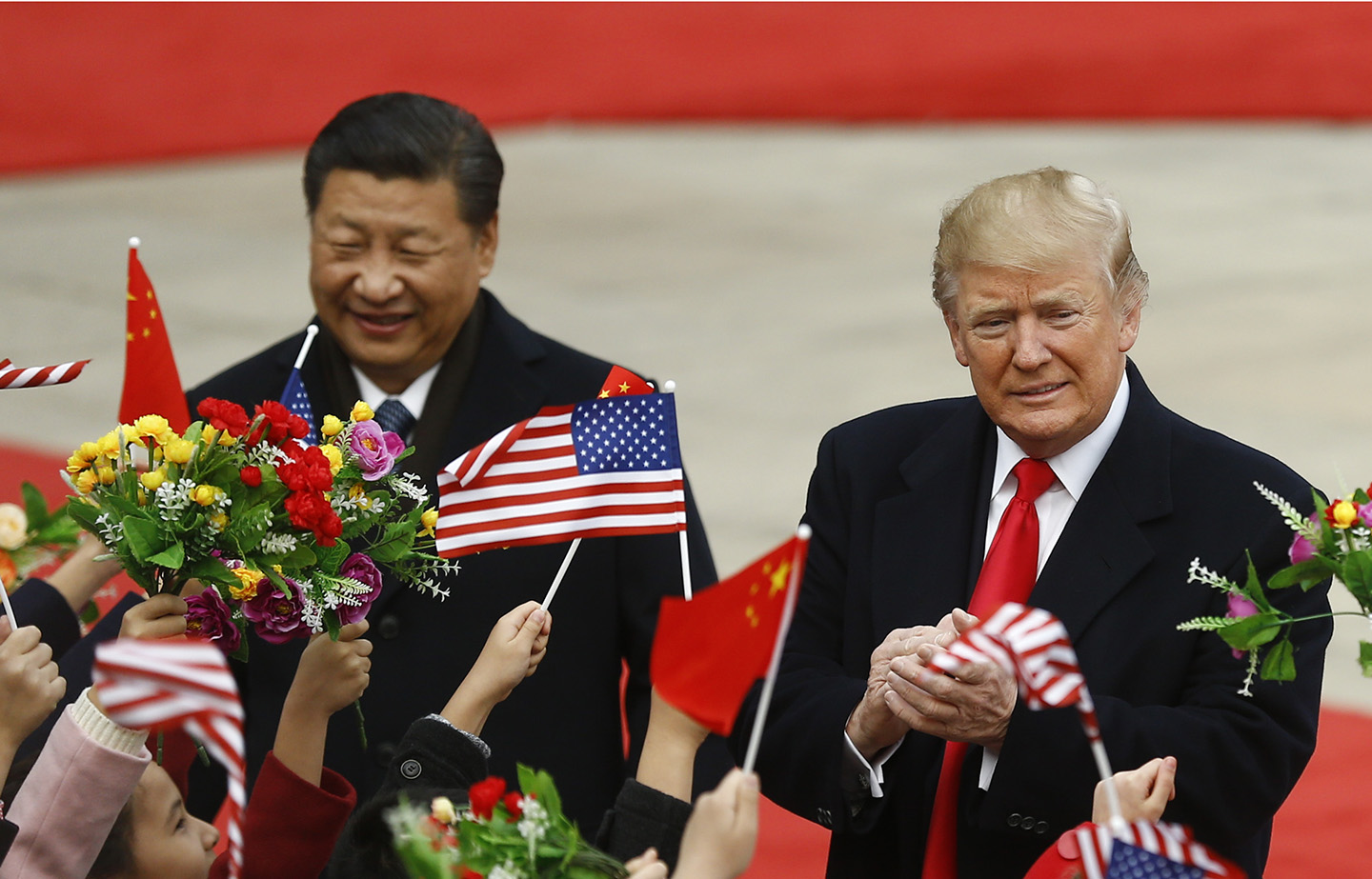
The U.S. and Chinese presidents talked about trade and tariffs when they met in Buenos Aires. What is the view from China?
U.S. President Donald Trump and Chinese President Xi Jinping agreed to a ninety-day ceasefire in their ongoing trade war to allow time for further negotiations.
Trump will leave in place 10 percent tariffs on $200 billion worth of Chinese imports, instead of raising them to 25 percent on January 1. In return, the United States said that China agreed to buy an unspecified but “very substantial” amount of U.S. agricultural, energy, and industrial products.
Trump and Xi also talked about changing forced technology transfers (when international companies must provide China with strategic technology to access the Chinese market); intellectual property protection; and non-tariff barriers (other restrictions to trade that don’t directly involve taxes or duties).
The temporary truce may clear the way for more specific discussions to ease tensions between the two sides, which have damaged global financial markets and weighed down the world economy.
For the moment, China has succeeded in persuading Trump to abandon plans to raise tariffs further. Even though this deal is fragile, temporary, and hinges on the outcome of future negotiations, China will be able to catch its breath, at least for now.
Yet both sides are still under the gun. China is more economically vulnerable, while the United States faces greater political pressure to act quickly.
China sees the United States as having made the following concessions: canceling its threat to place a 25 percent tariff on Chinese goods, as well as abandoning efforts to reform China’s industrial policy and attempts to transform China’s economic system of alleged state-driven capitalism.
In return, the United States won an increase in some U.S. imports to China, the partial protection of U.S. intellectual property rights, and wider access to Chinese markets.
As far as China is concerned, looking forward, the opportunity for the United States to impose large-scale tariffs has passed. Beijing believes that the United States will have to come to terms with the continued growth of the Chinese economy.
Conflict is not inevitable. Unlike previous U.S.-China confrontations, the G20 meeting was held in a “friendly and candid atmosphere,” according to Chinese Foreign Minister Wang Yi.
Future U.S.-China ties may depend more on how well U.S. and Chinese leaders manage the relationship than on international pressures.
Trump and Xi can take plenty of steps to handle the relationship without compromising their strategic objectives. Perhaps most important is that—as well as holding detailed trade negotiations—they should meet in person as a matter of course before taking action. This would reduce the risk of misunderstanding by either side.
Such meetings would also allow the two countries to deal with risky issues, such as cybersecurity and disputes in the South China Sea. Washington and Beijing would not need to worry about sensitive discussions and competition descending into all-out hostility.
Chen Dingding
Carnegie does not take institutional positions on public policy issues; the views represented herein are those of the author(s) and do not necessarily reflect the views of Carnegie, its staff, or its trustees.
AI capabilities are moving fast. Most institutions—including governments—can’t keep up.


Anton Leicht, Scott Singer

The Bureau of Industry and Security needs to adjust its focus and practices to maintain its position as the U.S. government’s primary champion of international technological competition.

Geoffrey Irving

European Commission President Ursula von der Leyen is about to give her annual address on the state of the EU. Here’s what she won’t—but should—say.

Rym Momtaz

Depleted financial reserves and a shrinking tax base mean it is no longer possible to simultaneously deliver high defense spending, price stability, and economic growth.

Alexandra Prokopenko

Understanding the climatic pain points is necessary for policymakers hoping to minimize the war’s negative environmental consequences.



Alejandro Martin Rodriguez, Joy Arkeh, Sarah Yerkes