

Commentary
Fatima El Mansouri is the country’s first female prime minister. She’s also a privileged insider in a largely ceremonial position.
Sarah Yerkes
{
  "authors": [
    "The Working Group On Egypt"
  ],
  "type": "other",
  "centerAffiliationAll": "dc",
  "centers": [
    "Carnegie Endowment for International Peace"
  ],
  "collections": [
    "Arab Awakening"
  ],
  "englishNewsletterAll": "menaTransitions",
  "nonEnglishNewsletterAll": "",
  "primaryCenter": "Carnegie Endowment for International Peace",
  "programAffiliation": "MEP",
  "programs": [
    "Middle East"
  ],
  "projects": [],
  "regions": [
    "North Africa",
    "Egypt"
  ],
  "topics": [
    "Political Reform",
    "Democracy"
  ]
}
Source: Getty
A call on U.S. government officials to restate clearly the United States’ support for peaceful protests in Egypt.
September 25, 2019
As members of the Working Group on Egypt (a bipartisan group of foreign affairs experts formed in 2010), we call on U.S. government officials to restate clearly the United States’ support for peaceful protests in Egypt. Authorities there have arrested more than 1,400 people after peaceful anti-corruption protests broke out in 14 Egyptian provinces on September 20 and 21.
More protests are possible in the coming days and weeks. In Egypt, President Trump’s statements after meeting with President Abdel Fattah al-Sisi on September 23 are being interpreted as giving Sisi a green light to use force against demonstrators and to engage in a broader crackdown.
We ask U.S. officials in the executive and legislative branches to make clear that the United States continues to stand for the following principles regarding demonstrations in Egypt, just as it has done recently regarding protests in Russia, Hong Kong, Iran, and Sudan:
Robert Kagan (co-chair)
Michele Dunne (co-chair)
Reuel Gerecht
Amy Hawthorne
Neil Hicks
Thomas Hill
Sarah Margon
Stephen McInerney
Andrew Miller
Tamara Wittes
Ken Wollack
The Working Group On Egypt
Carnegie does not take institutional positions on public policy issues; the views represented herein are those of the author(s) and do not necessarily reflect the views of Carnegie, its staff, or its trustees.
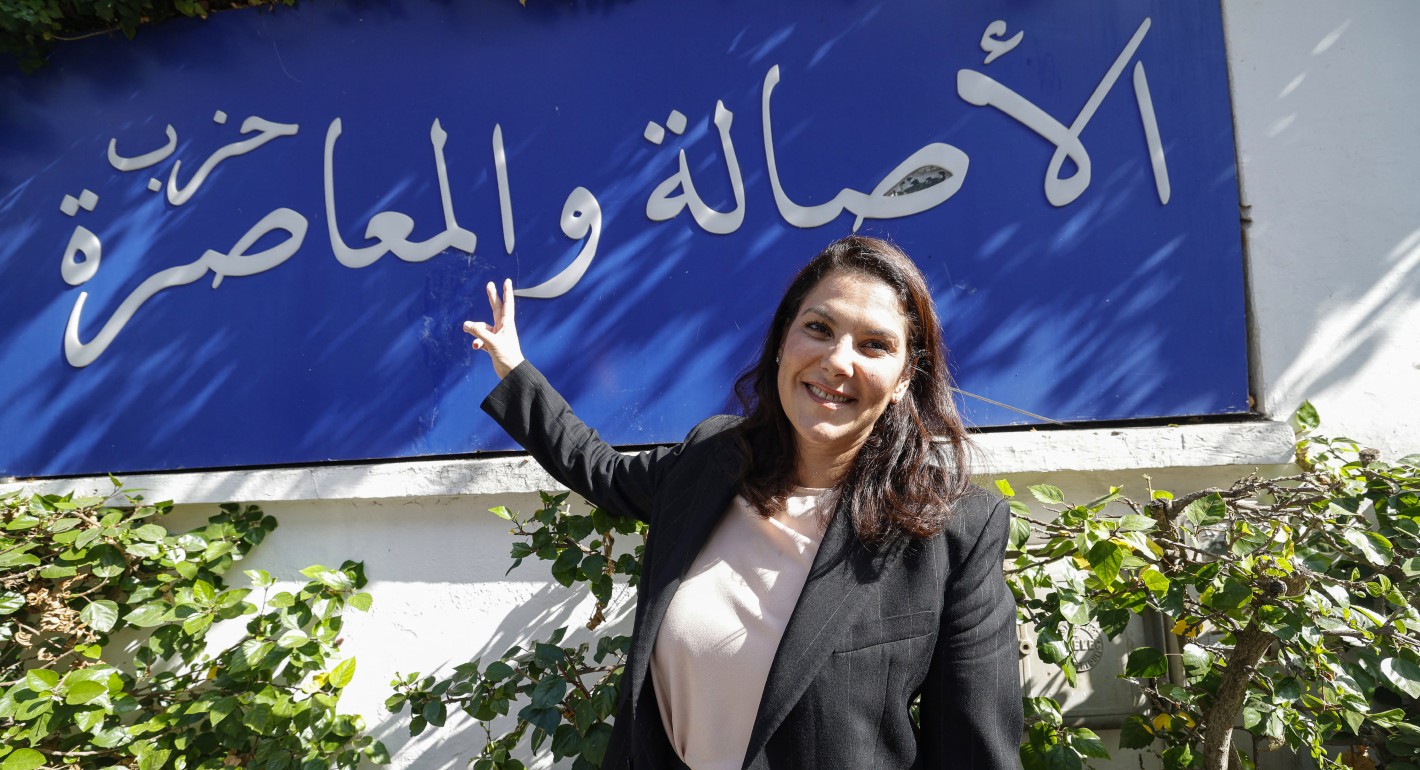
Fatima El Mansouri is the country’s first female prime minister. She’s also a privileged insider in a largely ceremonial position.

Sarah Yerkes

The domestic impacts of how long it is taking to end the war in Ukraine have pushed the French electorate to the political extremes and compromised the country’s diplomatic capacity.

Rym Momtaz

Sergei Kiriyenko used Russia’s parliamentary vote to further hone his strategy of corporate mobilization that is designed to maximize votes for United Russia.

Andrey Pertsev

Before the next wave of EU enlargement takes place, the union needs to grapple with thorny questions of how power is distributed among its members.


Emil Sondaj Hansen, Ditte Brasso Sørensen

The European far right might fail to steer EU policy in the direction Russia wants, but they will create enough chaos inside Europe to benefit the Kremlin.

Dimitar Bechev