

Commentary
Sergei Kiriyenko used Russia’s parliamentary vote to further hone his strategy of corporate mobilization that is designed to maximize votes for United Russia.
Andrey Pertsev
{
  "authors": [
    "Moisés Naím",
    "Brian Winter"
  ],
  "type": "legacyinthemedia",
  "centerAffiliationAll": "dc",
  "centers": [
    "Carnegie Endowment for International Peace"
  ],
  "collections": [],
  "englishNewsletterAll": "americanStatecraft",
  "nonEnglishNewsletterAll": "",
  "primaryCenter": "Carnegie Endowment for International Peace",
  "programAffiliation": "ASP",
  "programs": [
    "American Statecraft"
  ],
  "projects": [],
  "regions": [
    "North America"
  ],
  "topics": [
    "Political Reform"
  ]
}
Source: Getty
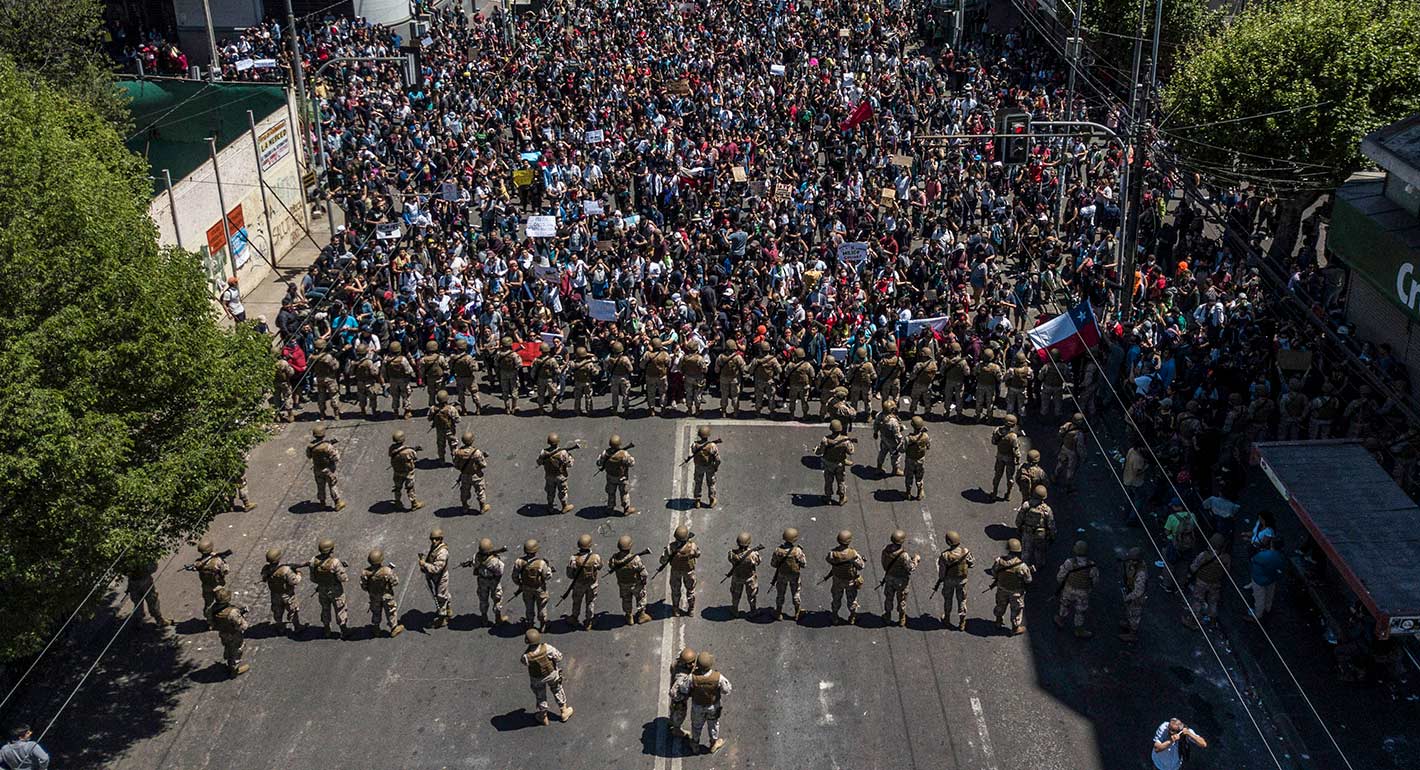
The protests now raging across much of Latin America originated from different sparks but are connected by a single common denominator: economic malaise.
Source: Foreign Affairs
In a world aflame with protest, Latin America stands out as a raging ten-alarm fire. From Bolivia to Ecuador, Haiti to Honduras, the closing months of 2019 have seen enormous, sometimes violent demonstrations prompted by a truly dizzying array of grievances, including electoral fraud, corruption, and rising fuel and public transportation prices. Even Chile, the region’s ostensible oasis of calm and prosperity, erupted in protests and riots that left 20 dead and forced President Sebastián Piñera to declare a state of emergency. It is now an open question whether any country in the region can be considered truly stable....

Distinguished Fellow
Moisés Naím is a distinguished fellow at the Carnegie Endowment for International Peace, a best-selling author, and an internationally syndicated columnist.
Brian Winter
Brian Winter is vice president for policy at the Americas Society/Council of the Americas.
Carnegie does not take institutional positions on public policy issues; the views represented herein are those of the author(s) and do not necessarily reflect the views of Carnegie, its staff, or its trustees.

Sergei Kiriyenko used Russia’s parliamentary vote to further hone his strategy of corporate mobilization that is designed to maximize votes for United Russia.

Andrey Pertsev

Before the next wave of EU enlargement takes place, the union needs to grapple with thorny questions of how power is distributed among its members.


Emil Sondaj Hansen, Ditte Brasso Sørensen

The European far right might fail to steer EU policy in the direction Russia wants, but they will create enough chaos inside Europe to benefit the Kremlin.

Dimitar Bechev

If the Russian-speaking community in Latvia cannot articulate their interests without being seen as disloyal, they could end up embracing a pro-Kremlin agenda.

Sergejs Potapkins

Russia’s ruling party would have benefited from Putin appearing as its distant patron, but as an active frontman imposing his views on the public, he has done nothing but harm both the party’s election campaign and the ruling system overall.
Andrey Pertsev