
• Research
  • Emissary
  • About
  • Experts
Carnegie Global logoCarnegie lettermark logo
DemocracyIran
  • Donate
{
  "authors": [
    "Toby Dalton",
    "Gaurav Kalwani"
  ],
  "type": "legacyinthemedia",
  "centerAffiliationAll": "dc",
  "centers": [
    "Carnegie Endowment for International Peace"
  ],
  "collections": [],
  "englishNewsletterAll": "ctw",
  "nonEnglishNewsletterAll": "",
  "primaryCenter": "Carnegie Endowment for International Peace",
  "programAffiliation": "NPP",
  "programs": [
    "Nuclear Policy"
  ],
  "projects": [],
  "regions": [
    "South Asia",
    "India",
    "Pakistan"
  ],
  "topics": [
    "Security"
  ]
}

Source: Getty

In The Media

Might India Start the Next South Asia Crisis?

The next crisis between India and Pakistan might originate from an Indian offensive to seize territory in Kashmir. If so, the chances of the conflict escalating to war are more likely than currently predicted.

Link Copied
By Toby Dalton and Gaurav Kalwani
Published on Nov 1, 2019
Program mobile hero image

Program

Nuclear Policy

The Nuclear Policy Program aims to reduce the risk of nuclear war. Our experts diagnose acute risks stemming from technical and geopolitical developments, generate pragmatic solutions, and use our global network to advance risk-reduction policies. Our work covers deterrence, disarmament, arms control, nonproliferation, and nuclear energy.

Learn More

Source: War on the Rocks

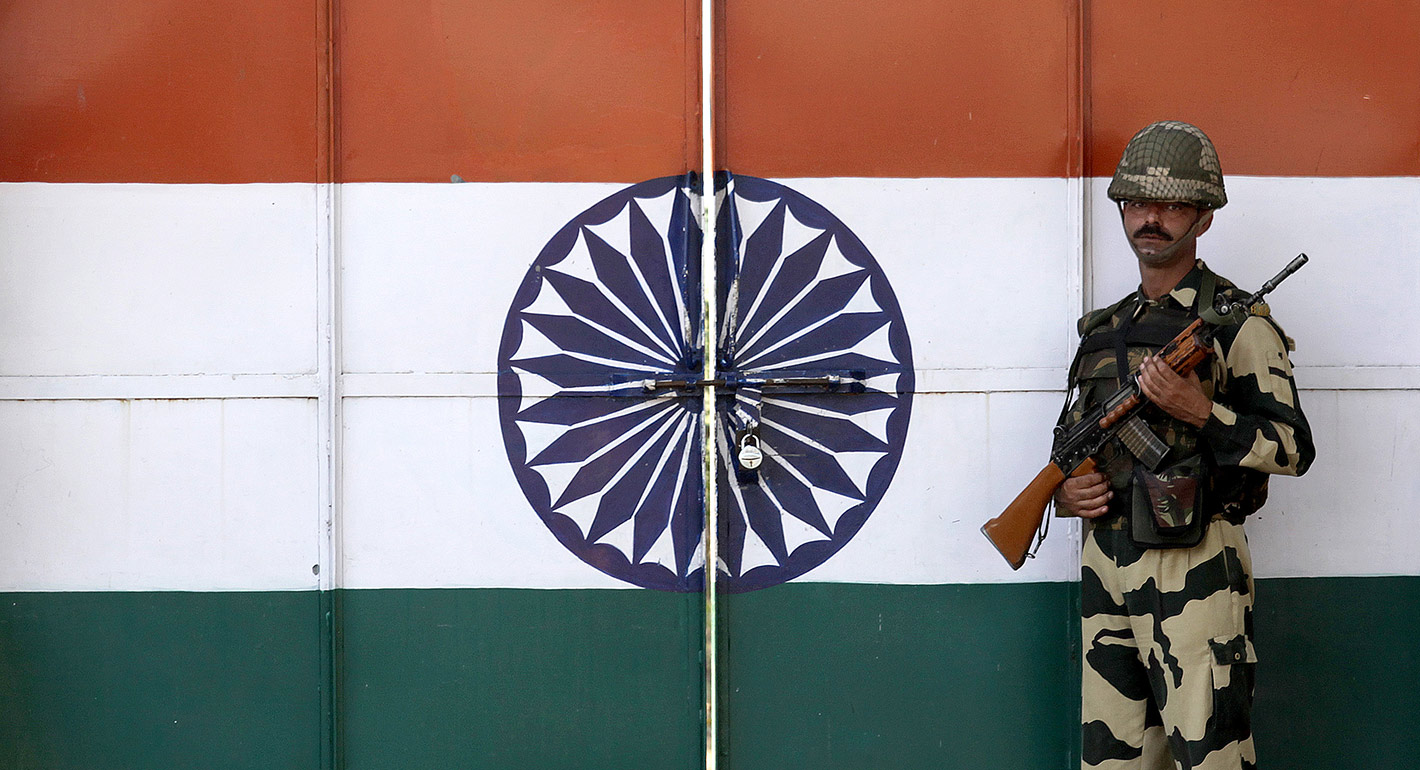
What will trigger the next crisis in South Asia? Conventional wisdom holds that it will follow a script common to successive crises since the early 1990s. The pattern starts with a high-casualty terror attack in India, attributed to Pakistan-based militant groups with a long history of carrying out cross-border operations, which then puts the onus on India to calibrate escalation in its response. Just because nearly every crisis between India and Pakistan in the last three decades began with an act of cross-border terrorism, however, does not mean that other potential catalysts should be neglected.

One intriguing alternative deserves scrutiny: Instead of an attack in India that initiates crisis, what if one arose following a proactive Indian operation to seize territory over the Line of Control (LOC) in the portion of the disputed territory of Kashmir controlled by Pakistan? Indian leaders have contemplated such operations in the past, and the current government in India has demonstrated its willingness to take considerable risks, including in the February 2019 crisis. Moreover, New Delhi’s August 2019 decision to revoke the special constitutional status of Kashmir underscores its willingness to reconsider long-standing norms and practices. If the next crisis starts with an Indian operation, the odds are much greater that it will escalate quickly to war for reasons that the conventional South Asia crisis wisdom tends to discount.

Read Full Text 

This article was originally published on War on the Rocks.

About the Authors

Toby Dalton

Senior Fellow and Co-director, Nuclear Policy Program

Toby Dalton is a senior fellow and co-director of the Nuclear Policy Program at the Carnegie Endowment. An expert on nonproliferation and nuclear energy, his work addresses regional security challenges and the evolution of the global nuclear order.

Gaurav Kalwani

Former Research Assistant, Nuclear Policy Program

Gaurav Kalwani was a research assistant with the Nuclear Policy Program.

Authors

Toby Dalton
Senior Fellow and Co-director, Nuclear Policy Program
Toby Dalton
Gaurav Kalwani
Former Research Assistant, Nuclear Policy Program
SecuritySouth AsiaIndiaPakistan

Carnegie does not take institutional positions on public policy issues; the views represented herein are those of the author(s) and do not necessarily reflect the views of Carnegie, its staff, or its trustees.

More Work from Carnegie Endowment for International Peace

  • Article
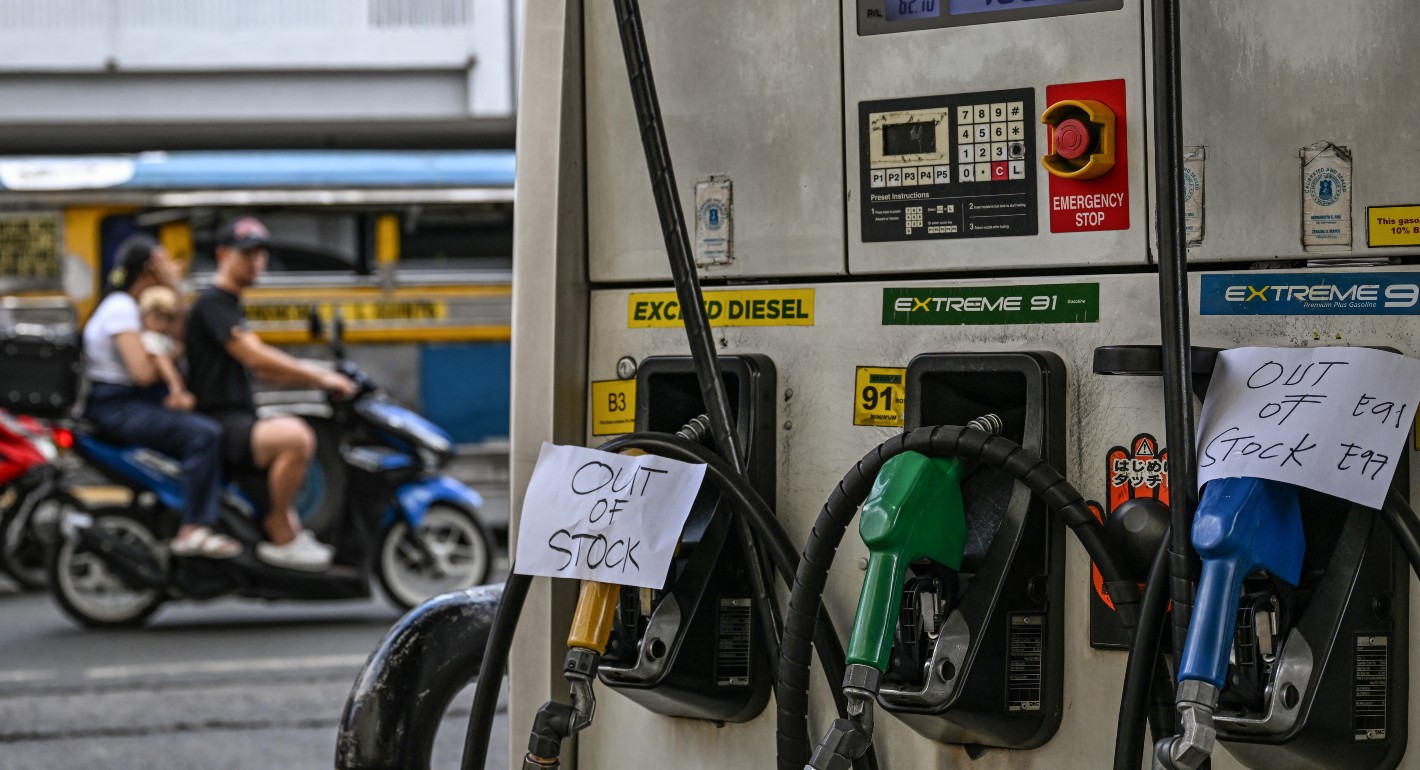
    India’s Oil Security Strategy: Structural Vulnerabilities and Strategic Choices

    This piece argues that the present Indian strategy, based on opportunistic diversification and utilization of limited strategic reserves, remains inadequate when confronting supply disruptions. It evaluates India’s options in the short, medium, and long terms.

      Vrinda Sahai

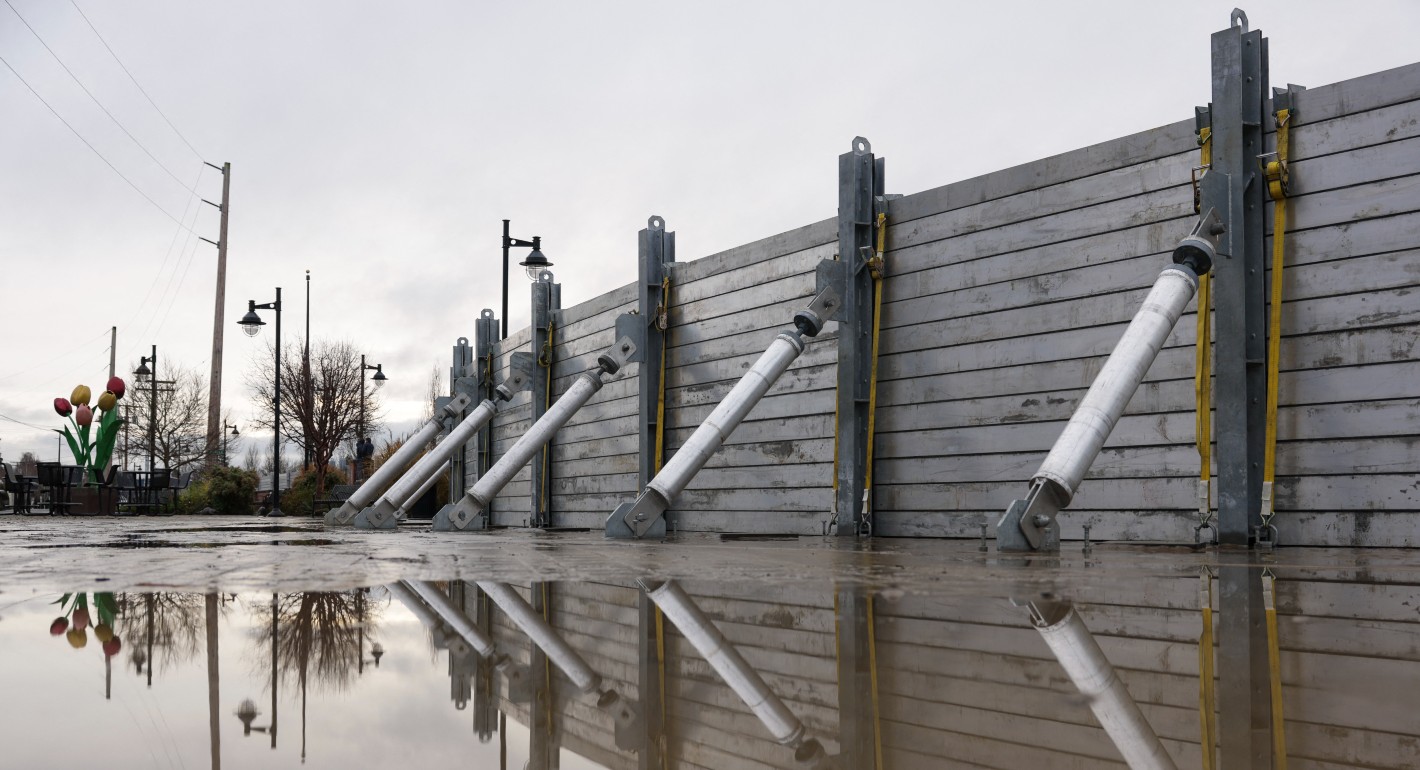
  • flood wall
    Commentary
    Emissary
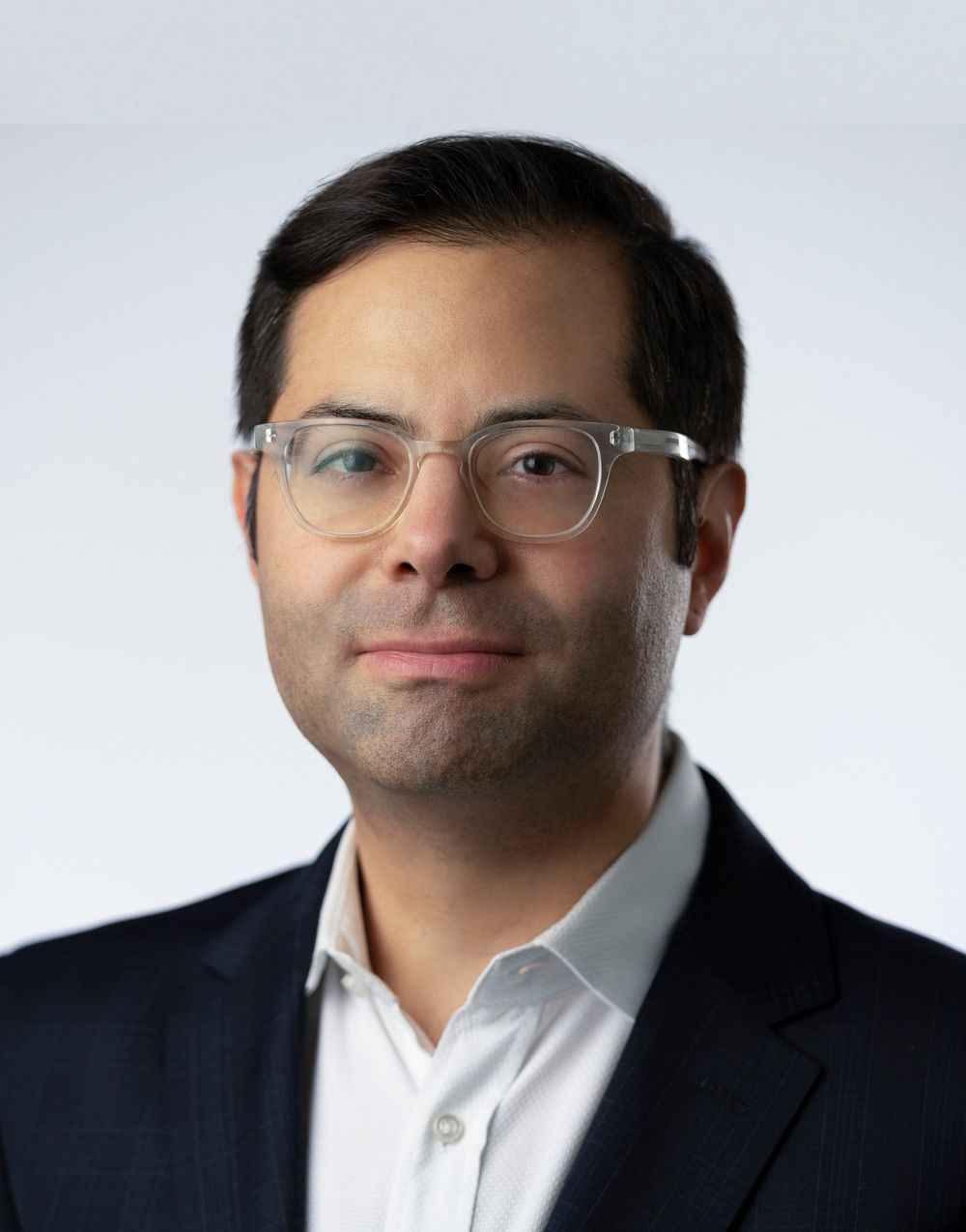
    BRIC Is Critical for U.S. National Security. After a Yearlong Legal Battle, It’s Back.

    Its reinstatement should be celebrated, but it retains some major shortcomings.

      Leonardo Martinez-Diaz

  • Article
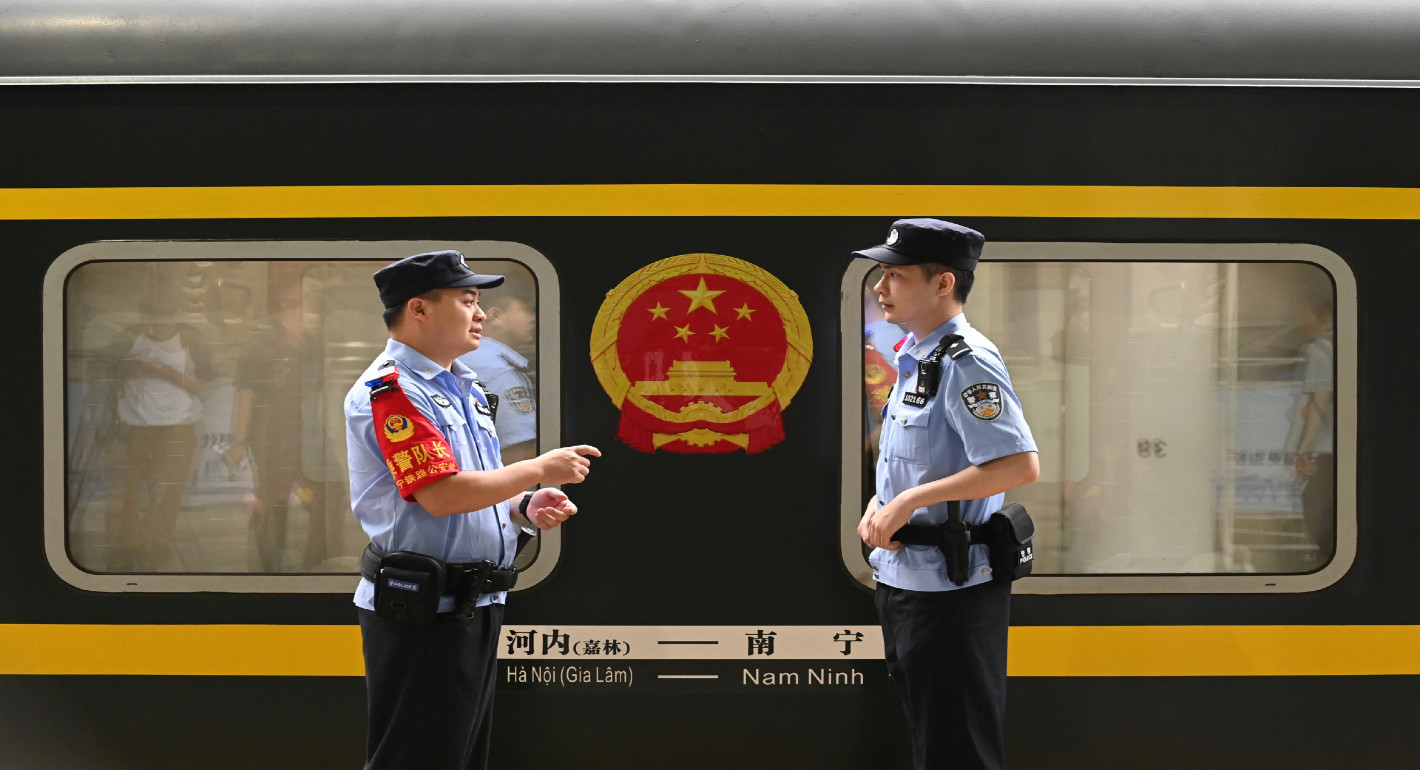
    Leveraging Internal Security Cooperation with Vietnam Offers a Glimpse of Future Chinese Diplomacy with Southeast Asia

    Despite long-standing differences, China and Vietnam are reinforcing common ground for collaboration, especially in public security. This internal security–centered diplomacy offers a strengthened road map for how China moves forward with Southeast Asia.

      Sophie Zhuang

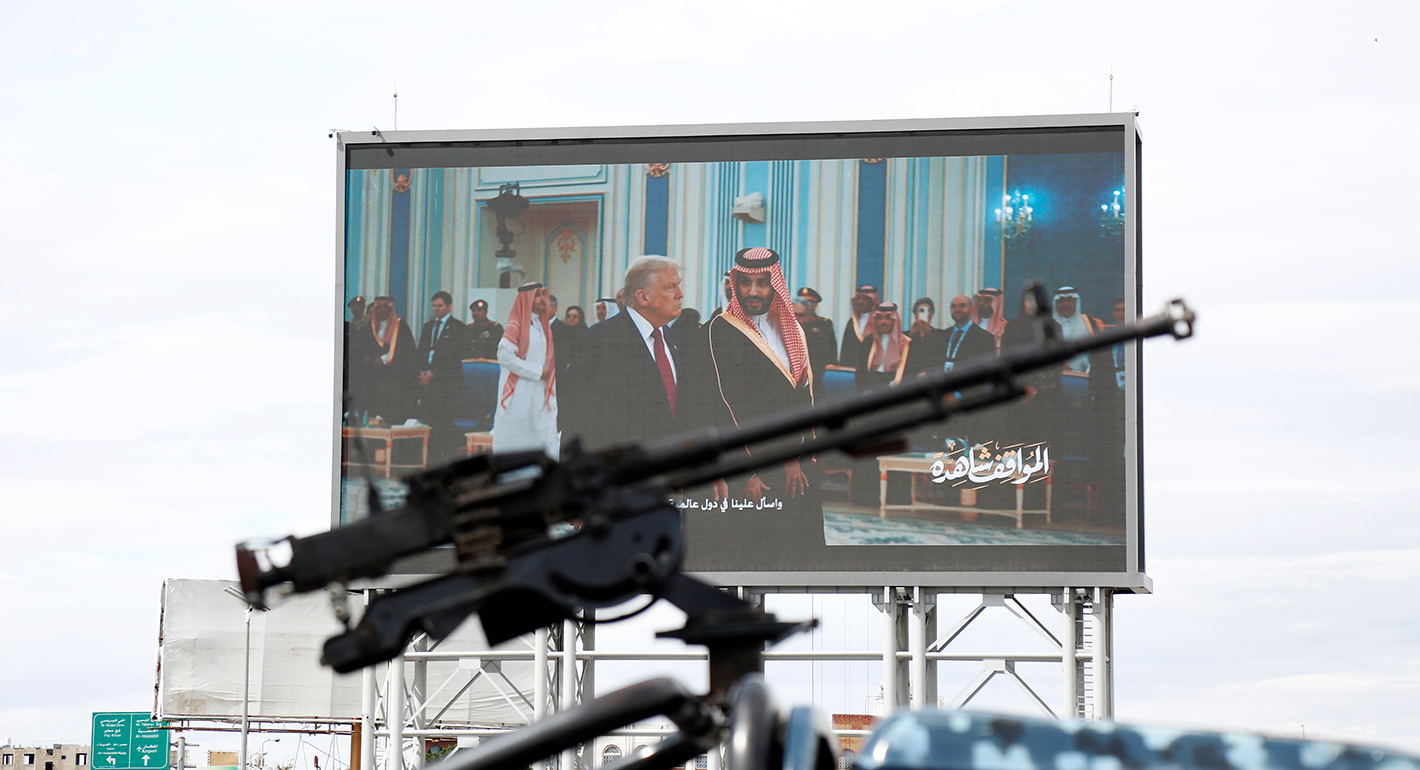
  •  A machine gun of a Houthi soldier mounted on a police vehicle next to a billboard depicting the U.S. president Donald Trump and Mohammed Bin Salman, the Crown Prince and Prime Minister of Saudi Arabia, during a protest staged to show support to Iran against the U.S.-Israel war on March 27, 2026 in Sana'a, Yemen.
    Collection
    The Iran War’s Global Reach

    As the war between the United States, Israel, and Iran continues, Carnegie scholars contribute cutting-edge analysis on the events of the war and their wide-reaching implications. From the impact on Iran and its immediate neighbors to the responses from Gulf states to fuel and fertilizer shortages caused by the effective shutdown of the Strait of Hormuz, the war is reshaping Middle East alliances and creating shockwaves around the world. Carnegie experts analyze it all.

  • Commentary
    Strategic Europe
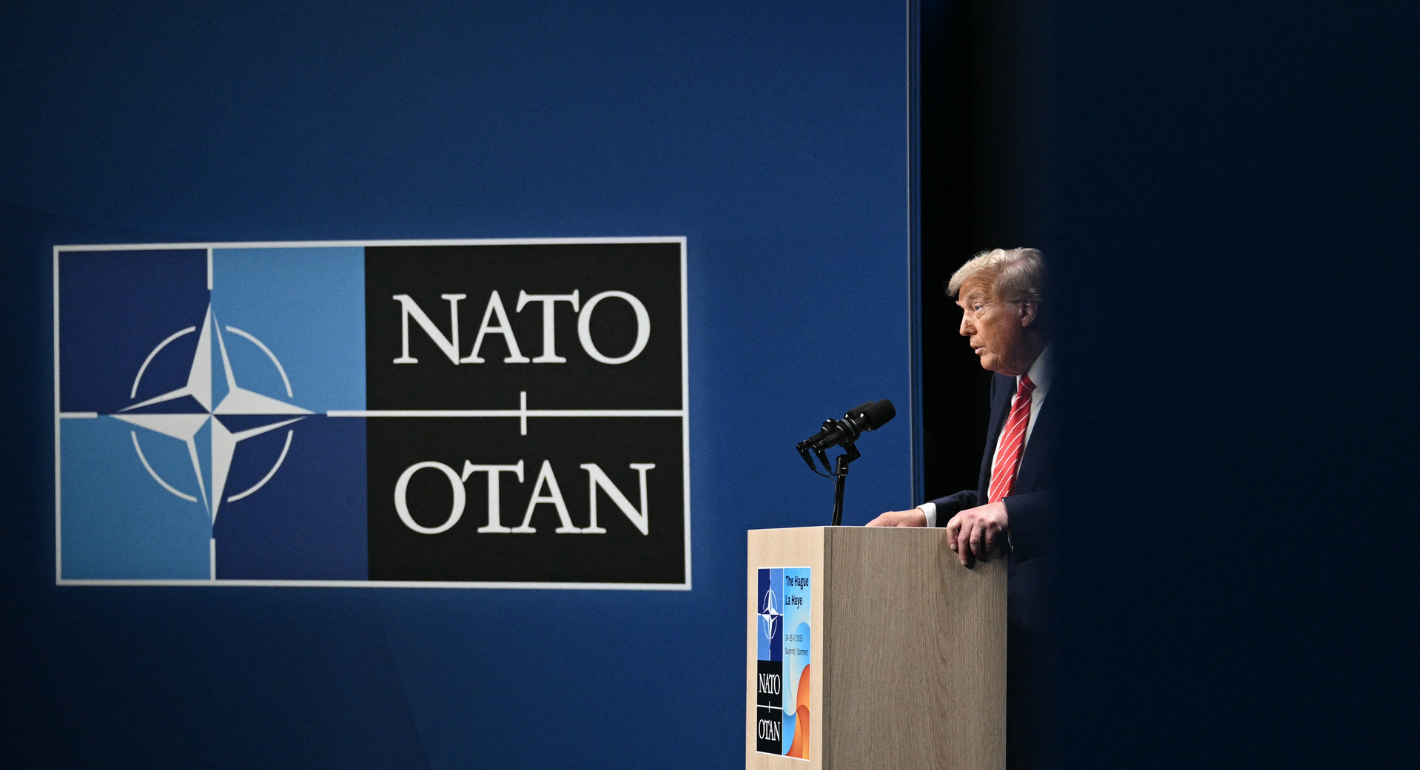
    Taking the Pulse: Can NATO Survive the Iran War?

    Donald Trump has repeatedly bashed NATO and European allies, threatening to annex Canada and Greenland and deploring their lack of enthusiasm for his war of choice in Iran. Is this latest round of abuse the final straw?

      • Rym Momtaz

      Rym Momtaz, ed.

Get more news and analysis from
Carnegie Endowment for International Peace
Carnegie global logo, stacked
1779 Massachusetts Avenue NWWashington, DC, 20036-2103Phone: 202 483 7600Fax: 202 483 1840
  • Research
  • Emissary
  • About
  • Experts
  • Donate
  • Programs
  • Events
  • Blogs
  • Podcasts
  • Contact
  • Annual Reports
  • Careers
  • Privacy
  • For Media
  • Government Resources
Get more news and analysis from
Carnegie Endowment for International Peace
© 2026 Carnegie Endowment for International Peace. All rights reserved.