

Q&A
Dara Massicot, Aaron David Miller, Andrew S. Weiss
{
  "authors": [
    "Aaron David Miller"
  ],
  "type": "legacyinthemedia",
  "centerAffiliationAll": "",
  "centers": [
    "Carnegie Endowment for International Peace",
    "Malcolm H. Kerr Carnegie Middle East Center"
  ],
  "collections": [],
  "englishNewsletterAll": "",
  "nonEnglishNewsletterAll": "",
  "primaryCenter": "Carnegie Endowment for International Peace",
  "programAffiliation": "",
  "programs": [],
  "projects": [],
  "regions": [
    "North America",
    "United States",
    "Middle East",
    "Iran"
  ],
  "topics": [
    "Political Reform",
    "Security",
    "Foreign Policy"
  ]
}
Source: Getty
Washington doesn’t have is a realistic approach to dealing with Iran. And with every day that passes, that is more and more painfully apparent.
Source: CNN
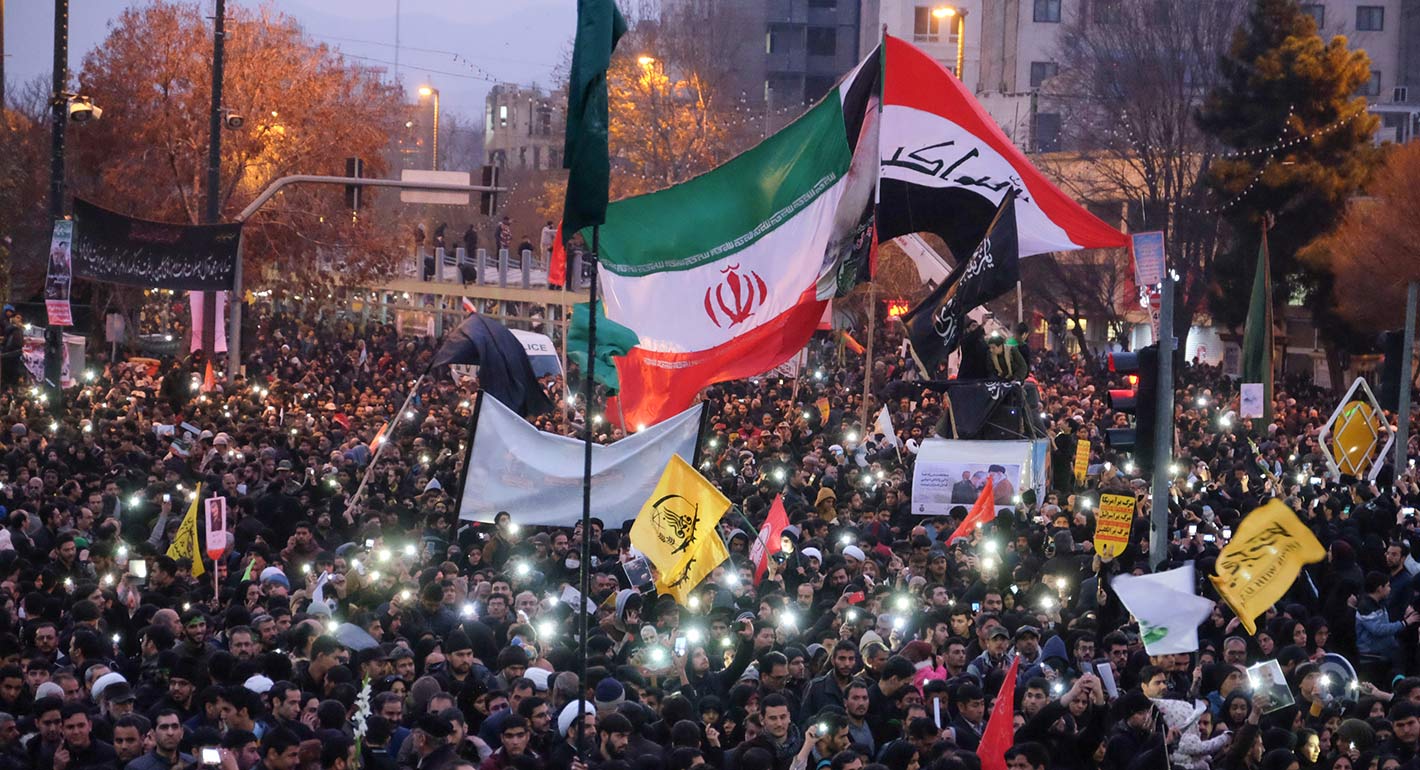
The moral argument for killing Qasem Soleimani is compelling. American officials have accused him of being responsible for the deaths of hundreds of Americans, and acting as the architect of the campaign to save the murderous Bashar al-Assad regime, which was responsible for the deaths of thousands of Syrians.
But that the US could kill Soleimani doesn't necessarily mean it should. And his elimination -- the most significant killing in decades in the Middle East --carries portentous regional implications that go well beyond those of killing al Qaeda leader Osama Bin Laden or Abu Bakr al-Baghdadi, the leader of ISIS.
Secretary of State Mike Pompeo said Friday morning that Americans are safer now that Soleimani is gone. They are not. Hours before Pompeo's CNN appearance, his State Department issued a warning that all Americans should leave Iraq. We have now entered open season for Iranian attacks on American troops, diplomats and ordinary citizens, likely for months to come.
The Pentagon has stated that this was a defensive action designed to preempt and to clearly deter Iran from attacking Americans. It will not deter Iran, and there is every reason to believe it will accelerate severe and consequential actions against the United States.
The US has eliminated the second most powerful man in Iran, described by some as a "living martyr." His killing will be regarded as nothing short of a direct attack on the regime and the Supreme Leader to whom Soleimani was exceptionally close.
The US position in Iraq may become untenable, as Iran may make it the central battleground in its asymmetrical campaign against the US.
In a single act, President Donald Trump may have compromised something he didn't care much about to begin with -- an already fraught 16-year investment in Iraq of thousands of American lives and trillions of dollars.
Until we see the intelligence that prompted the US strike (and we may never see it), we won't know whether or how this operation was tied to any tactical or broader strategy against Iran. The administration contains regime changers, sanctions promoters, chicken hawks -- and real ones, too -- pushing for tougher steps against Iran.
What it doesn't have is a realistic approach to dealing with Iran. And with every day that passes, that's more and more painfully apparent.

Senior Fellow, American Statecraft Program
Aaron David Miller is a senior fellow at the Carnegie Endowment for International Peace, focusing on U.S. foreign policy.
Recent Work


Dara Massicot, Aaron David Miller, Andrew S. Weiss



Sophia Besch, Eric Ciaramella, Steve Feldstein, …
Carnegie does not take institutional positions on public policy issues; the views represented herein are those of the author(s) and do not necessarily reflect the views of Carnegie, its staff, or its trustees.

China’s political future will be shaped between now and next October. As the Communist Party enters its intense “campaign season” to prepare for a major political transition in 2027, reading Beijing's actions and responses may become more difficult as domestic politics weigh on its behavior more than usual.

Damien Ma

The EU can impose sanctions but struggles to enforce them without the United States. With Washington increasingly disinterested in backing European interests, the bloc must now fend for itself.


Nicu Popescu, Tiago Antunes
Global and rising powers will need to engage with Africa’s priorities and agency in order to secure the continent’s increasingly attractive partnerships.
Fonteh Akum

Rubio’s recent visit brought welcome attention, but more capital requires governance changes that may be a hard sell for regional governments.

Jennifer B. Murtazashvili
America’s foreign-policy objectives have grown more demanding while Americans have demanded greater focus on their own affairs.

Stephen Wertheim