

Research
Latin America is undergoing a political transformation driven as much by the perception of insecurity as by its reality.
Robert Muggah
{
  "authors": [
    "Togzhan Kassenova",
    "Lucas Perez Florentino",
    "Matias Spektor"
  ],
  "type": "other",
  "centerAffiliationAll": "dc",
  "centers": [
    "Carnegie Endowment for International Peace"
  ],
  "collections": [],
  "englishNewsletterAll": "ctw",
  "nonEnglishNewsletterAll": "",
  "primaryCenter": "Carnegie Endowment for International Peace",
  "programAffiliation": "NPP",
  "programs": [
    "Nuclear Policy"
  ],
  "projects": [],
  "regions": [
    "North America",
    "South America"
  ],
  "topics": [
    "Nuclear Policy",
    "Nuclear Energy"
  ]
}
Source: Getty
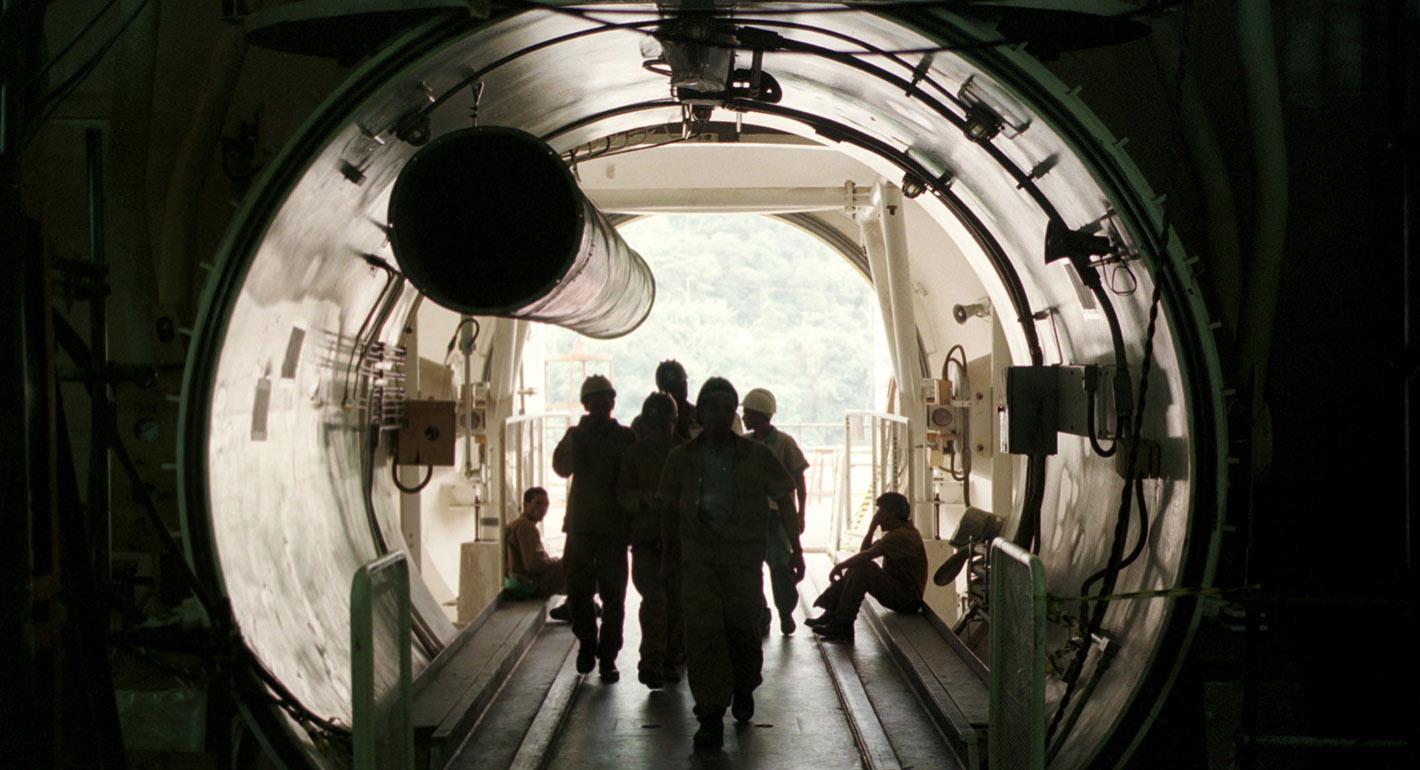
Brazil’s nuclear policy is at a critical juncture. Efforts to reform the sector’s governance will have serious implications for nuclear safety and security, the private sector, civilian-military relations, policy accountability, and the future prospects of Brazil’s nuclear capabilities.
Source: FGV School of International Relations
Brazil’s nuclear policy is at a critical juncture. As existing capabilities expand, successive administrations have in recent years engaged in a multi-stakeholder process to reform the rules and institutions governing the sector. The outcome will have serious implications for nuclear safety and security, the private sector, civilian-military relations, policy accountability, and the future prospects of Brazil’s nuclear capabilities. This is the first attempt to our knowledge to systematically and independently assess the status of these profound transformations, through in-depth consultations across the board.
The full report was originally published by the FGV School of International Relations.
Former Nonresident Fellow, Nuclear Policy Program
Kassenova was a nonresident fellow in the Nuclear Policy Program at the Carnegie Endowment.
Lucas Perez Florentino
Former Nonresident Scholar, Sustainability, Climate, and Geopolitics Program
Matias Spektor was a nonresident scholar affiliated with the Sustainability, Climate, and Geopolitics Program at the Carnegie Endowment for International Peace.
Carnegie does not take institutional positions on public policy issues; the views represented herein are those of the author(s) and do not necessarily reflect the views of Carnegie, its staff, or its trustees.
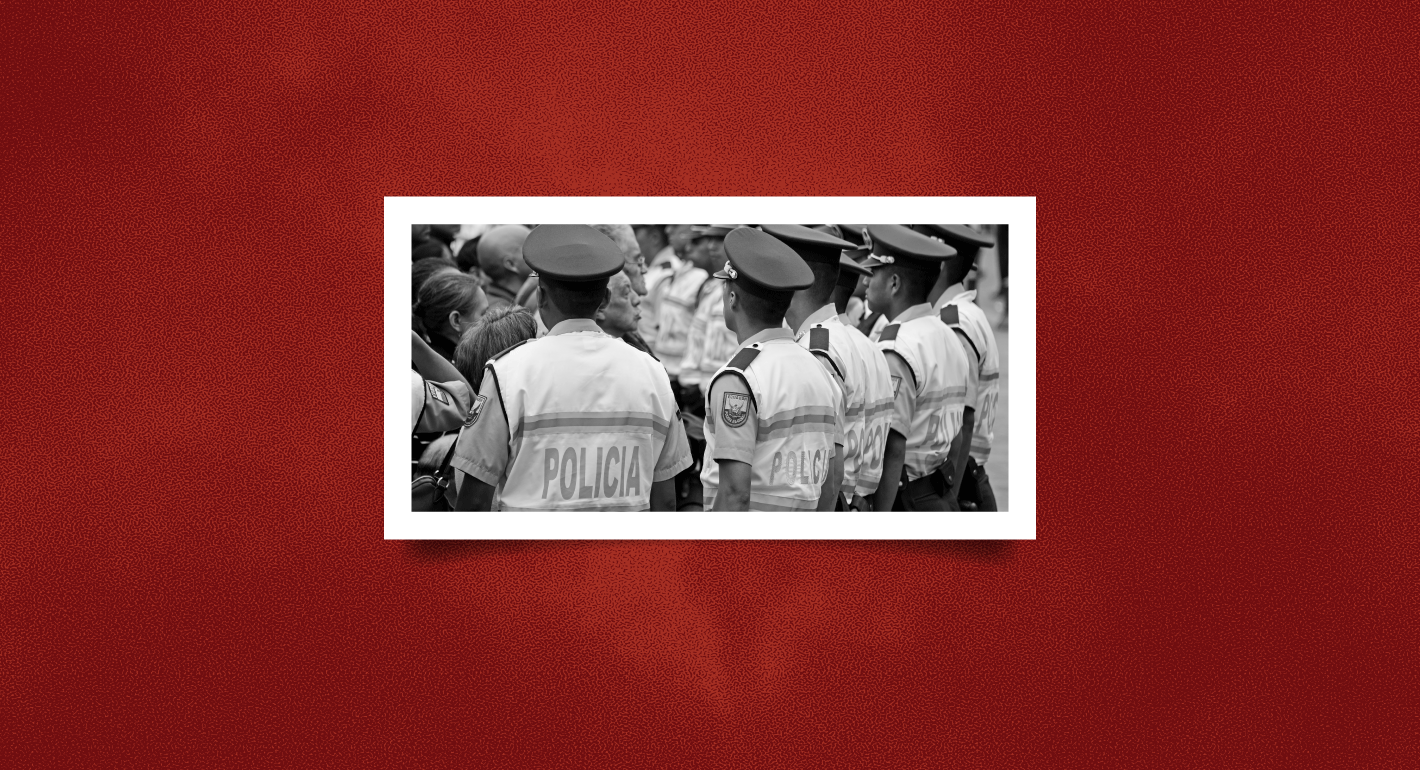
Latin America is undergoing a political transformation driven as much by the perception of insecurity as by its reality.

Robert Muggah
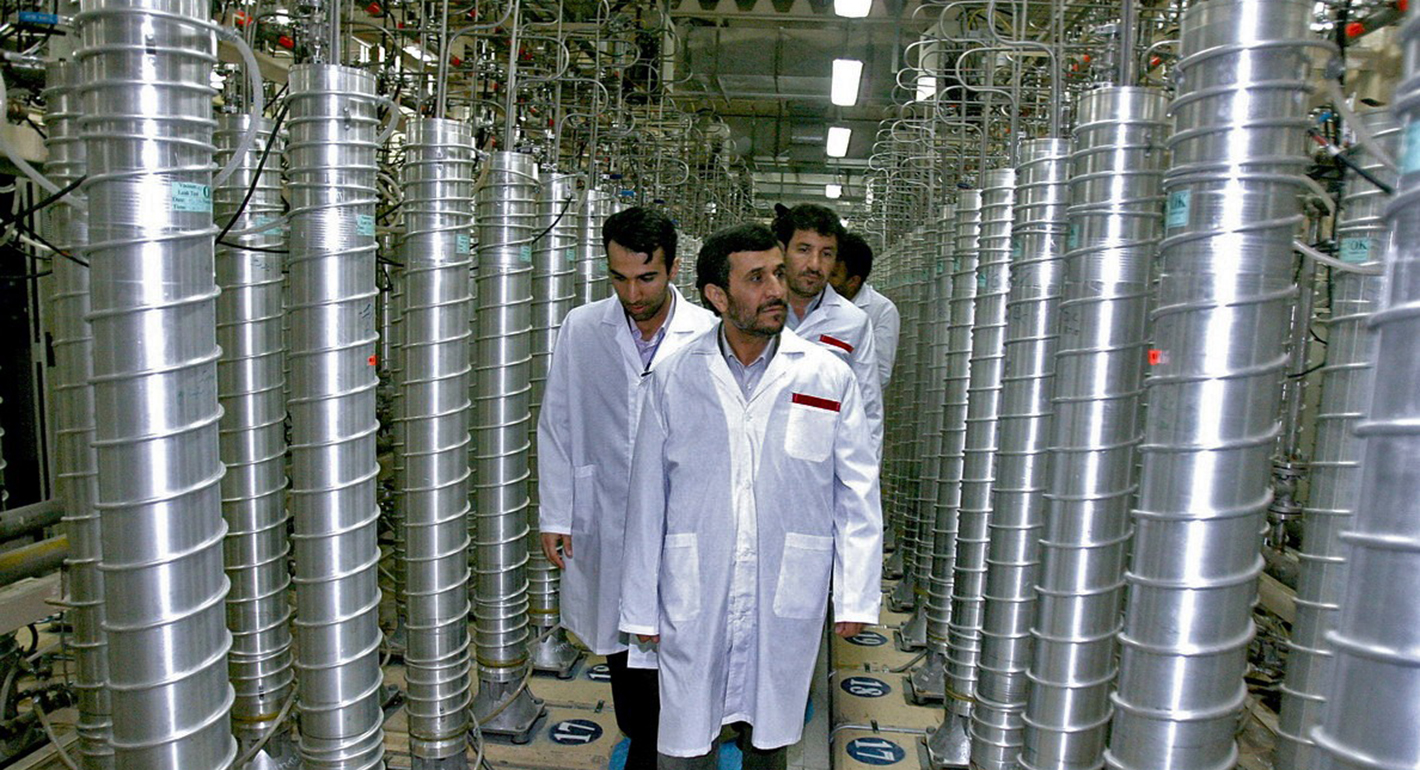
The nuclear weapons threshold is increasingly important for proliferation strategy and policy. Policymakers should better understand the implications of the threshold phenomenon in the current international security environment and plausible strategies to deal with the growing challenge that it presents.


Ariel (Eli) Levite, Toby Dalton

It seems likely that, no matter what, the power of the U.S. nuclear arsenal will face erosion, not least in the credibility of its commitments to defend allies and the political durability of those alliances.


James M. Acton, Ankit Panda

In Colombia and elsewhere in the region, the United States is trying to shape election outcomes—but at what cost?
Oliver Stuenkel, Adrian Feinberg
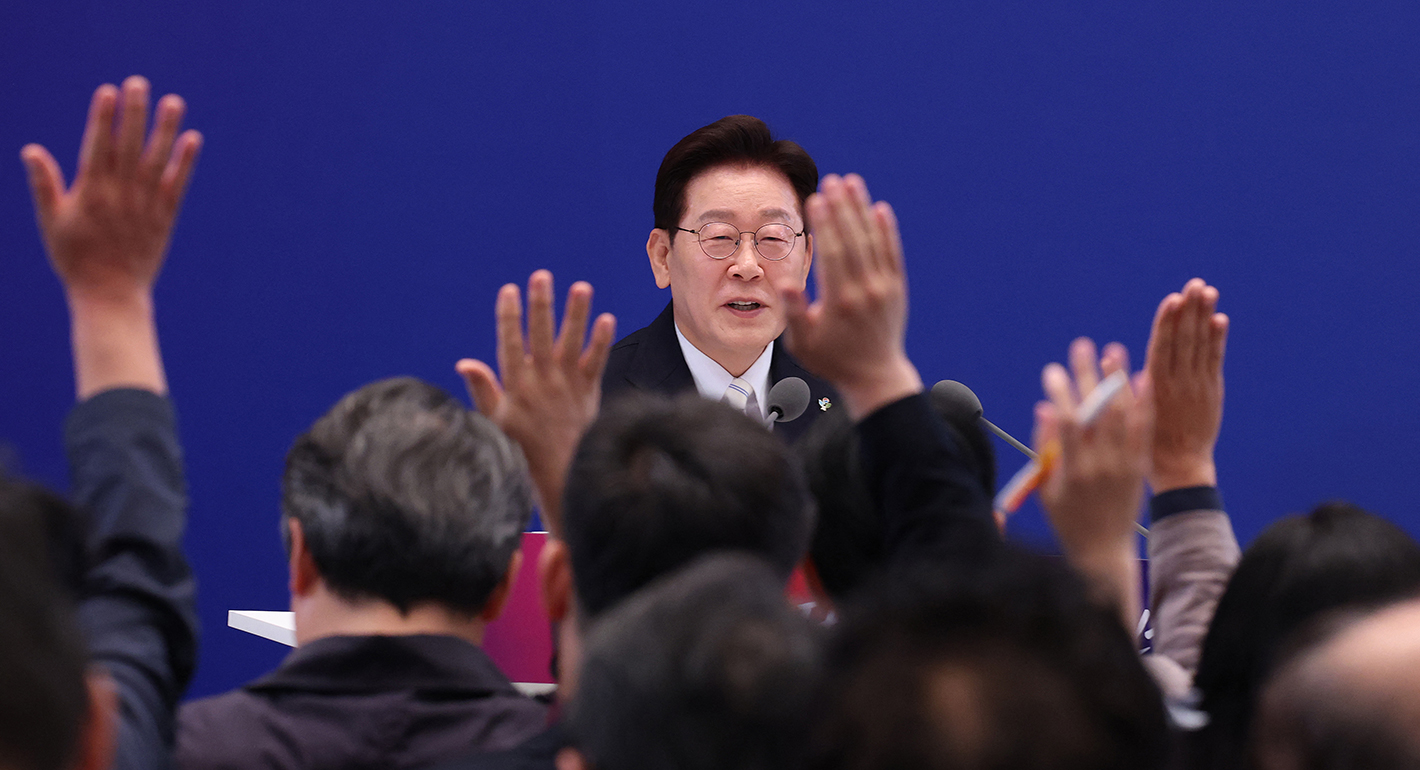
President Lee marked his first year in office after one of the most tumultuous periods in South Korean politics. Though Lee has enjoyed a high approval rating, a large majority in the National Assembly, and foreign policy victories, Lee and his party’s political fortunes depend on generating economic growth, learning the right lessons from the recent local elections, and managing contentious factional strife within his political base.
Chung Min Lee