

Research
- +10
Jarrett Blanc, Thomas de Waal, Karim Sadjadpour, …
{
  "authors": [
    "Jarrett Blanc"
  ],
  "type": "commentary",
  "centerAffiliationAll": "dc",
  "centers": [
    "Carnegie Endowment for International Peace"
  ],
  "collections": [
    "The Day After: Navigating a Post-Pandemic World"
  ],
  "englishNewsletterAll": "americanStatecraft",
  "nonEnglishNewsletterAll": "",
  "primaryCenter": "Carnegie Endowment for International Peace",
  "programAffiliation": "ASP",
  "programs": [
    "American Statecraft"
  ],
  "projects": [],
  "regions": [],
  "topics": []
}
Source: Getty
An overreliance on economic sanctions has left essential questions for U.S. foreign policy unanswered.
Economic sanctions are one of the United States’ most frequently used foreign policy tools. And they work to some degree. They can signal disapproval, impose economic hardship on target countries, and scare off third-country firms fearful of losing access to U.S. financial markets.
While sanctions are often tactically successful, their track record in achieving strategic objectives is mixed. Maybe that is acceptable. Because sanctions seem to be nearly cost-free for the United States, their current, extensive use could be justified even if they manage only sporadic successes.
Unfortunately, sanctions only seem to be nearly cost-free. They actually carry hefty, if hidden, price tags.
One risk has been fairly well examined. Jacob Lew, then U.S. treasury secretary, warned in 2016 of “the risk that overuse of sanctions could undermine our leadership position within the global economy, and the effectiveness of our sanctions themselves.” In other words, sanctions are a sharp but brittle knife that could crack with overuse. One middle-term risk is that other countries start to work around the United States’ central role in the global financial system—at least in isolated ways.
Sanctions are a sharp but brittle knife that could crack with overuse.
But there is a bigger, more immediate cost: sanctions discourage policymakers from the hard but essential work of setting priorities. At a loss for what to do about Iran’s ballistic missiles or Russia’s invasion of Ukraine? Impose new sanctions!
For the most part, that approach to sanctions has not worked. Economic pressure rarely causes target countries to abandon strategies they perceive as critical to their national security.
Feeling absolved by the misconception that sanctions exert more power than they demonstrably do, officials in Washington choose not to make essential decisions about priorities such as the most direct security threats from Russia or Iran and how they can best be managed. Realistic achievements are thus neglected in favor of utopian hopes.
Magical thinking about the power of U.S. tools has seeped into the domestic politics of foreign policy.
This magical thinking about the power of U.S. tools has seeped into the domestic politics of foreign policy. Any legislator or constituency dissatisfied with the slow, steady work of diplomacy—or just looking for a cudgel—can pretend that a president marking real but incremental achievements has given up too much, lacking only determination and the stomach for truly tough sanctions.
In an era of U.S. dominance, the costs of failing to prioritize could be hidden in the country’s massive power. But today’s more balanced, multipolar world no longer affords that luxury. If the United States does not set priorities with a realistic sense of its means, it will fail to secure essential national interests.
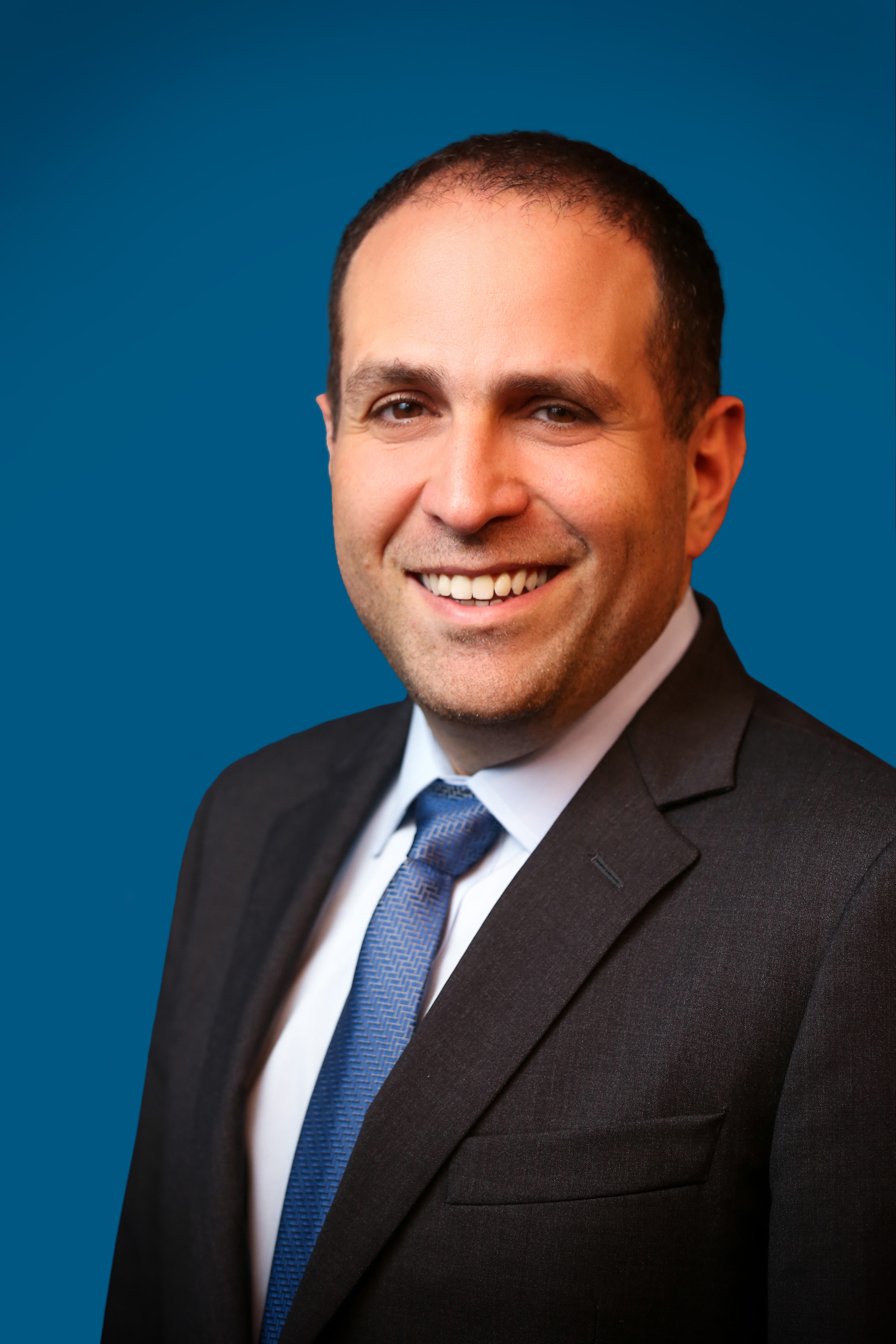
Former Senior Fellow, Geoeconomics and Strategy Program
Jarrett Blanc was a senior fellow in the Geoeconomics and Strategy Program at the Carnegie Endowment for International Peace.
Recent Work


Jarrett Blanc, Thomas de Waal, Karim Sadjadpour, …


Dan Baer, Rosa Balfour, Jarrett Blanc, …
Carnegie does not take institutional positions on public policy issues; the views represented herein are those of the author(s) and do not necessarily reflect the views of Carnegie, its staff, or its trustees.
India can play a larger role on the world stage, but it must first restore its economic momentum and liberal credentials.
Ashley J. Tellis
As the old order in the Arab world collapses, the region needs governance that can resolve its crises and harness its potential.


Marwan Muasher, Maha Yahya

The greatest obstacle to countering Russia’s hard-edged foreign policy has been the West’s incoherent response.

Andrew S. Weiss, Eugene Rumer

The United States must secure the benefits of a globalized economy while protecting itself from systemic shocks and supporting the economic renewal of middle-class communities.
Rozlyn C. Engel
Beijing and Washington are competing to set Asia’s rules, norms, and standards. But other countries in the region are increasingly choosing to shape its future themselves.

Evan A. Feigenbaum