

Q&A
Jon Bateman, Andy Masley
{
  "authors": [
    "Jon Bateman"
  ],
  "type": "legacyinthemedia",
  "centerAffiliationAll": "dc",
  "centers": [
    "Carnegie Endowment for International Peace"
  ],
  "collections": [],
  "englishNewsletterAll": "ctw",
  "nonEnglishNewsletterAll": "",
  "primaryCenter": "Carnegie Endowment for International Peace",
  "programAffiliation": "TIA",
  "programs": [
    "Technology and International Affairs"
  ],
  "projects": [],
  "regions": [
    "Iran"
  ],
  "topics": [
    "Technology"
  ]
}
Source: Getty
Modern businesses face a level of cyber risk that vastly exceeds the protections they can rely on from either insurance or government relief. To address this shortfall, business leaders must work with insurers and policymakers to devise practical, long-term solutions.
Source: Harvard Business Review
In 2017, Merck lost an& eye-popping $1.3 billion when it got caught in the crossfire of a Russian cyberattack targeting Ukraine. The event, later dubbed NotPetya, was the largest cyberattack in history, costing $10 billion worldwide — economic damage akin to a medium-sized hurricane, or a small war. Western governments vowed to hold Russia accountable, yet none stepped forward to support the companies that were hit by the attack.
Insurance was more helpful — to a point. The insurance industry sells policies specifically designed for cyber incidents, but their scope and scale remain limited. Cyber insurance paid for just 3% of NotPetya’s global damage, leading some NotPetya victims to turn to other insurance policies with more ambiguous terms. For example, Merck invoked property and casualty policies that covered all manner of hazards without explicitly mentioning cyber incidents. These policies had so-called “war exclusions,” which barred coverage for damages due to “hostile or warlike actions” by governments or their agents. Many insurers cited these clauses to push back on the claims, triggering high-stakes legal battles that continue to this day.
This article was originally published in the Harvard Business Review.

Senior Fellow and Co-Director, Technology and International Affairs Program
Jon Bateman is a senior fellow and co-director of the Technology and International Affairs Program at the Carnegie Endowment for International Peace.
Recent Work

Jon Bateman, Andy Masley

Jon Bateman, Steve Feldstein
Carnegie does not take institutional positions on public policy issues; the views represented herein are those of the author(s) and do not necessarily reflect the views of Carnegie, its staff, or its trustees.

AI sovereignty should be operationalized as a strategic capacity built through three interdependent pillars.

Luca Belli
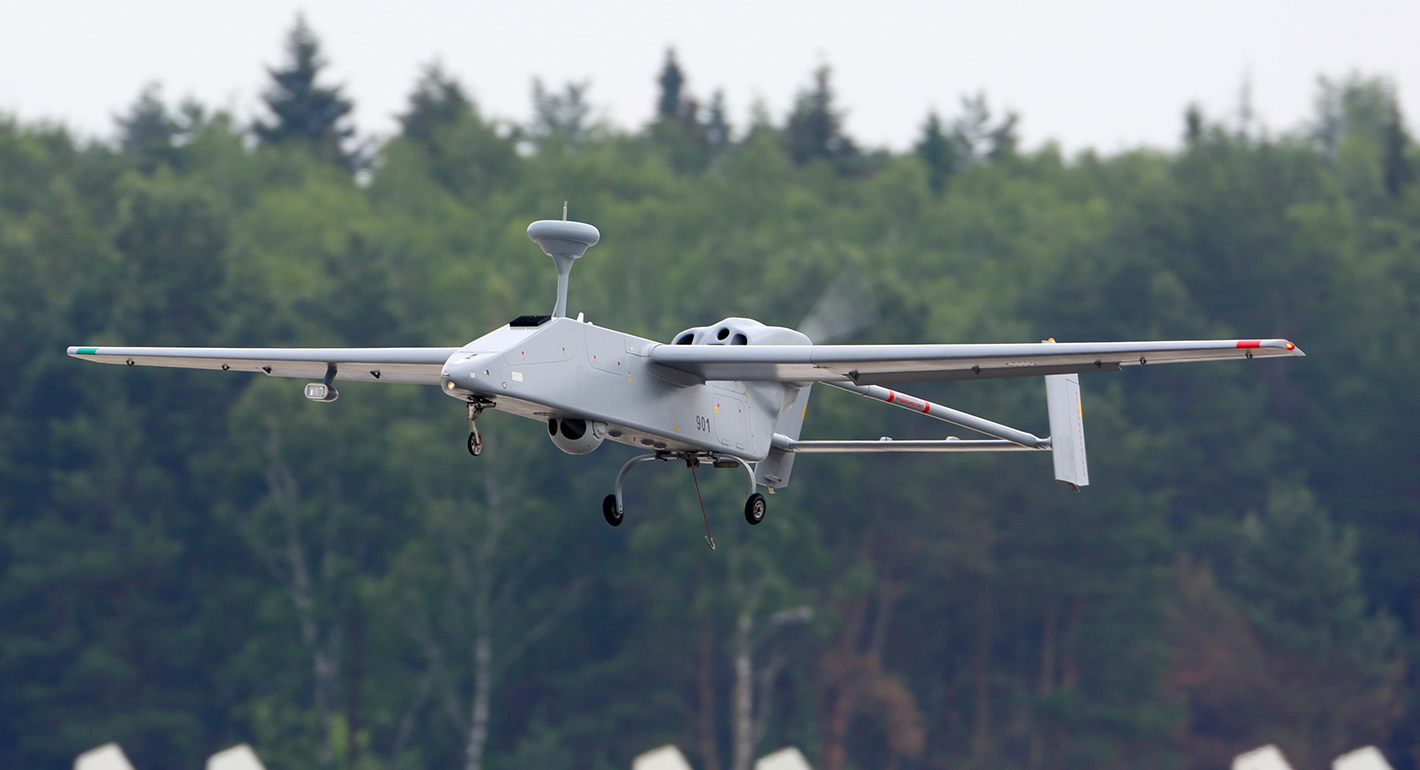
Moscow is testing Europe’s defenses with drone incursions and could decide to use drones against the continent on a much larger scale once the war in Ukraine pauses. European countries will need Kyiv to help them prepare for such a possibility.

Pavlo Zvenyhorodskyi

The war in Ukraine and a change in ownership led VK to neglect its commercial ventures in favor of implementing the Kremlin’s online agenda. Now it’s been sanctioned by the EU.

Maria Kolomychenko

Middle Eastern states should welcome an accelerated U.S. disengagement from their region.

Michael Young

In an interview, former ambassador Charles Freeman assesses the Trump administration’s war against Iran.
Michael Young