

{
  "authors": [
    "Alvin Camba",
    "Evan A. Feigenbaum",
    "Xue Gong",
    "Keng Khoon Ng",
    "Simon Tay"
  ],
  "type": "event",
  "centerAffiliationAll": "dc",
  "centers": [
    "Carnegie Endowment for International Peace"
  ],
  "collections": [
    "Southeast Asia’s Diverse Futures",
    "China Local/Global: Southeast Asia"
  ],
  "englishNewsletterAll": "asia",
  "nonEnglishNewsletterAll": "",
  "primaryCenter": "Carnegie Endowment for International Peace",
  "programAffiliation": "AP",
  "programs": [
    "Asia"
  ],
  "projects": [
    "China Local/Global"
  ],
  "regions": [
    "East Asia",
    "China",
    "Southeast Asia"
  ],
  "topics": [
    "Economy",
    "Trade",
    "Climate Change",
    "Civil Society"
  ]
}
How Southeast Asians are Making China Adapt to Local Needs
Mon, June 13th, 2022
Singapore
Many in the West, especially Washington, argue that China extends its global influence by exporting and imposing its developmental model on other countries. But this analysis ignores the ways in which Chinese engagement sometimes accommodates local actors —adapting and assimilating local forms, norms, and practices. What often results is that local players successfully push the Chinese to meet local expectations or demands. What strategies and approaches explain these successes, and what can be learned from them?
Join the Singapore Institute of International Affairs and the Carnegie Endowment for International Peace for a panel conversation on how local players in three Southeast Asian countries—the Philippines, Malaysia, and Myanmar—pushed Chinese actors to adapt to local conditions. The panelists’ publications are part of a multiyear project of the Carnegie Endowment in Washington that explores Chinese adaptation strategies in seven regions of the world, from Latin America to North Africa and to Southeast Asia.
This event is cosponsored by the Singapore Institute of International Affairs. In-person registrants should note that this event will take place at the Singapore Institute of International Affairs at 60A Orchard Road, #04M Tower 1, Atrium@ Orchard, International Involvement Hub, S238890
Carnegie does not take institutional positions on public policy issues; the views represented herein are those of the author(s) and do not necessarily reflect the views of Carnegie, its staff, or its trustees.
Event Speakers
Alvin Camba
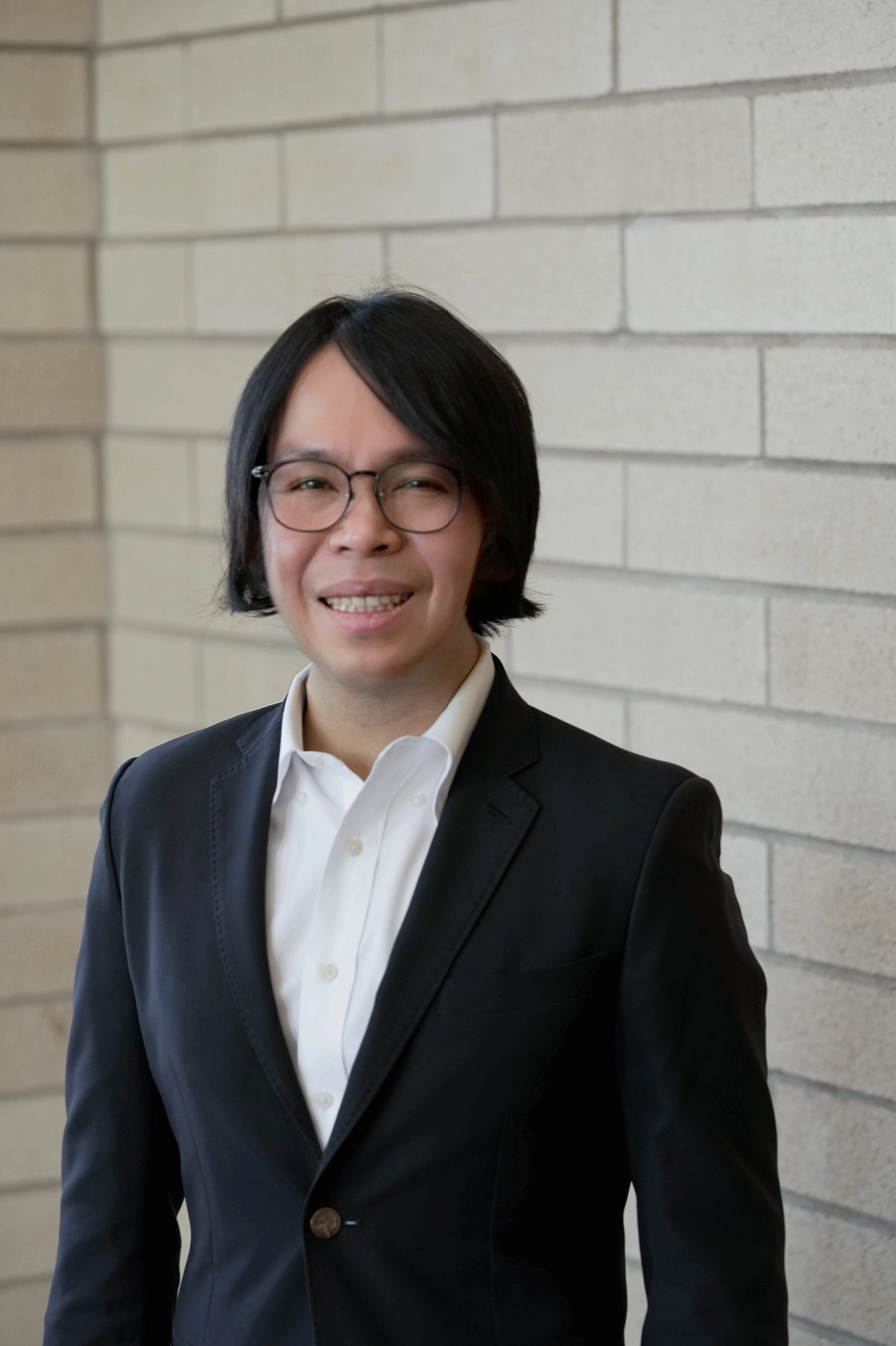
Alvin Camba is the lead scientist and director at Lyvi. He is also a nonresident fellow at the Indo Pacific Security Initiative at the Atlantic Council’s Scowcroft Center for Strategy and Security.
Vice President for Studies
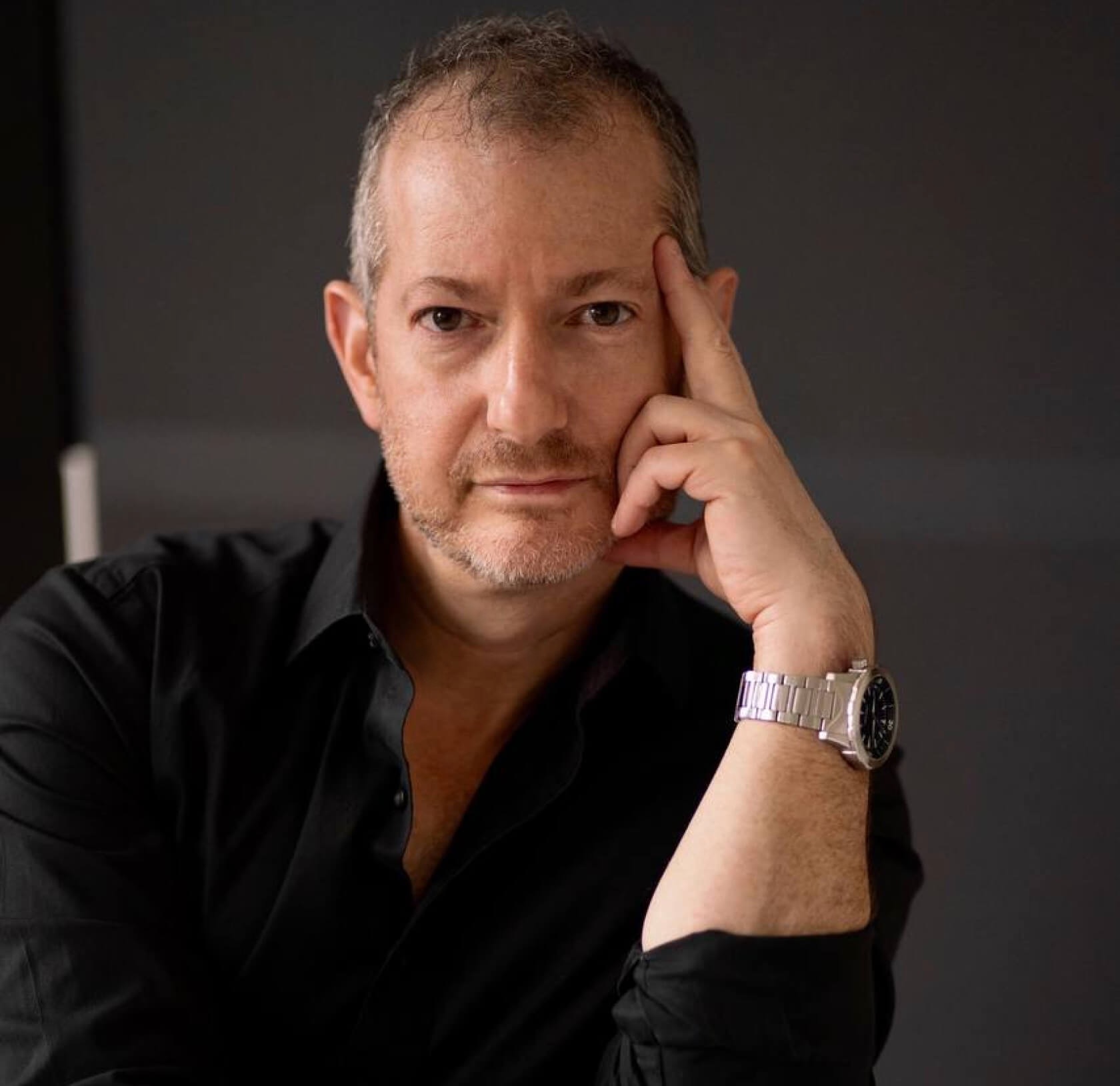
Evan A. Feigenbaum is vice president for studies at the Carnegie Endowment for International Peace, where he oversees work at its offices in Washington, New Delhi, and Singapore on a dynamic region encompassing both East Asia and South Asia. He served twice as Deputy Assistant Secretary of State and advised two Secretaries of State and a former Treasury Secretary on Asia.
Nonresident Scholar, Carnegie China
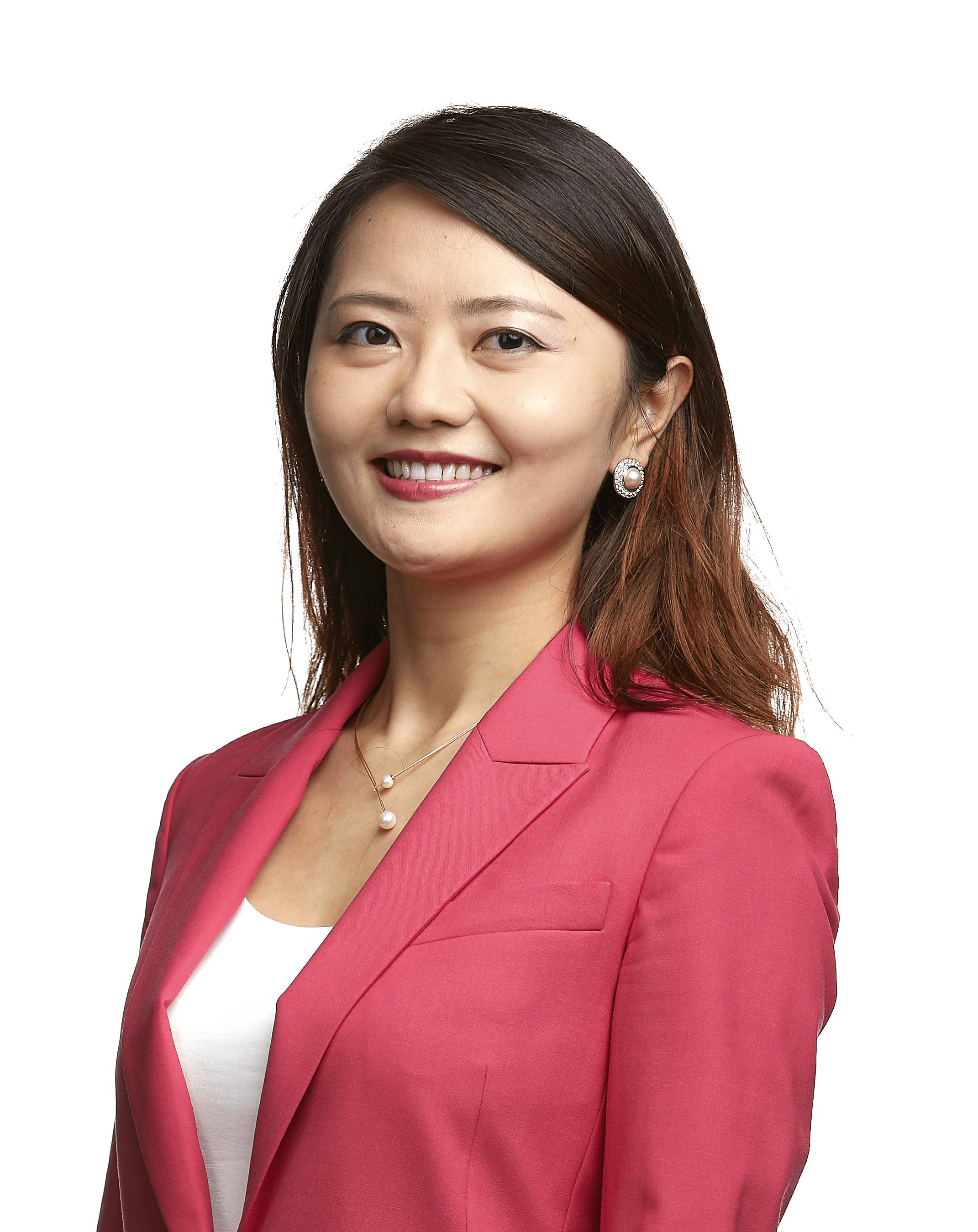
Xue Gong’s current research interests include International Political Economy, China’s economic diplomacy, regionalism and governance, and geoeconomics in the Indo-Pacific.
Keng Khoon Ng

Keng Khoon Ng is head of postgraduate studies in the School of Architecture and Built Environment at USCI University in Malaysia
Simon Tay
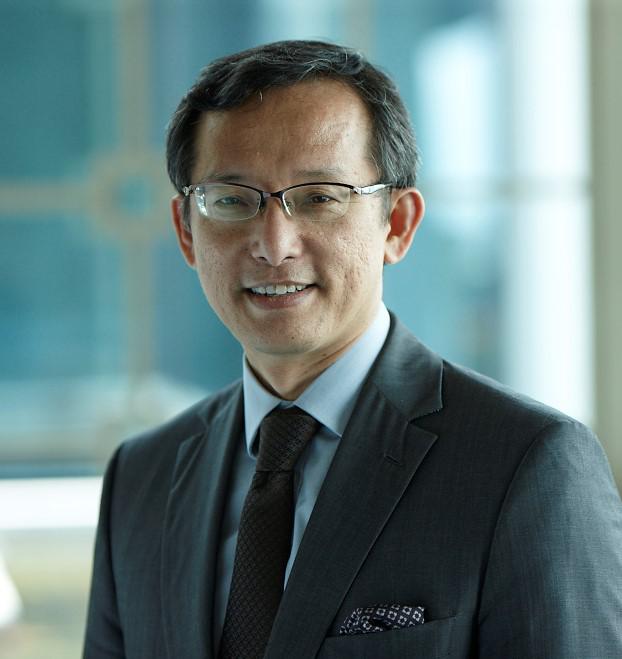
Simon Tay is chairman of the Singapore Institute of International Affairs and a tenured associate professor at the National University of Singapore Faculty of Law.