

Commentary
Americans themselves will reap the damage from these reckless decisions.
{
  "authors": [
    "Thomas Carothers"
  ],
  "type": "commentary",
  "blog": "Emissary",
  "centerAffiliationAll": "dc",
  "centers": [
    "Carnegie Endowment for International Peace"
  ],
  "collections": [
    "Democracy Policy"
  ],
  "englishNewsletterAll": "democracy",
  "nonEnglishNewsletterAll": "",
  "primaryCenter": "Carnegie Endowment for International Peace",
  "programAffiliation": "DCG",
  "programs": [
    "Democracy, Conflict, and Governance"
  ],
  "projects": [],
  "regions": [
    "United States"
  ],
  "topics": [
    "Foreign Policy",
    "Domestic Politics"
  ]
}
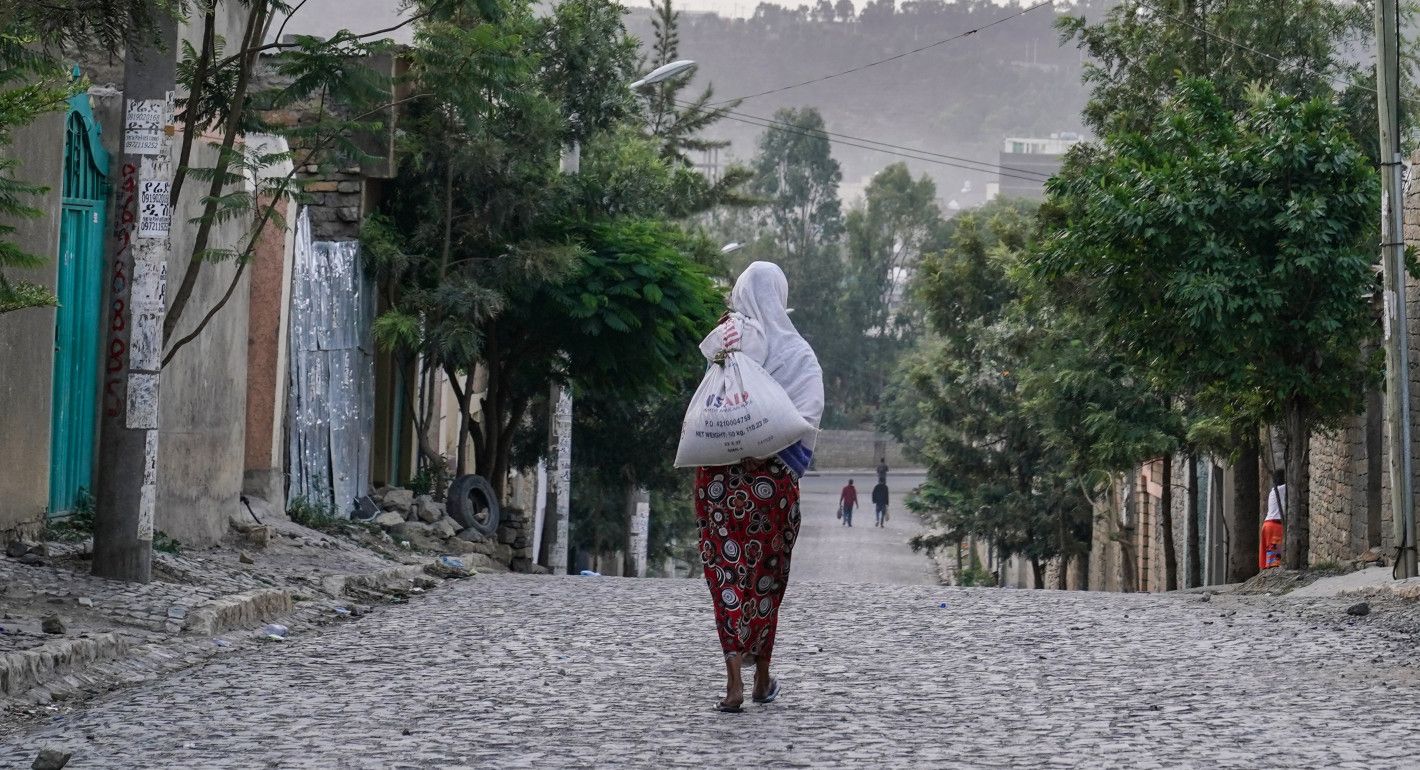
A woman carrying a USAID bag in 2021 in Mekele, Ethiopia. (Photo by Jemal Countess/Getty Images)
Thousands of Americans have had their lives overturned and millions abroad will suffer from the closure of USAID.
The outcome of the brutal fight over the future of the U.S. Agency for International Development (USAID) is deeply uncertain. The State Department appears to be assuming complete control over foreign assistance, but what this means for how aid is designed and implemented and what types of aid will be prioritized, in what quantities, and to which countries remains unclear. One thing that the fight has clarified, however, is the deep heartlessness at work at the top levels of the new U.S. administration.
One aspect of this heartlessness is the cruelty and disrespect shown to the Americans who work on foreign aid. With essentially no notice, thousands of people have been temporarily or permanently thrown out of jobs, overturning their lives and those of their families. Instead of expressing regret or concern, those responsible have heaped vituperation and contempt upon those affected for having engaged in government work.
These are people who have worked steadfastly in pursuit of goals set by successive previous administrations, Republican and Democratic alike, often in harsh foreign contexts rife with difficulties and dangers. Utterly absent in the barrage of abuse from the top is any recognition of the value of public service—a value that has served as the foundation for many American achievements across our country’s history.
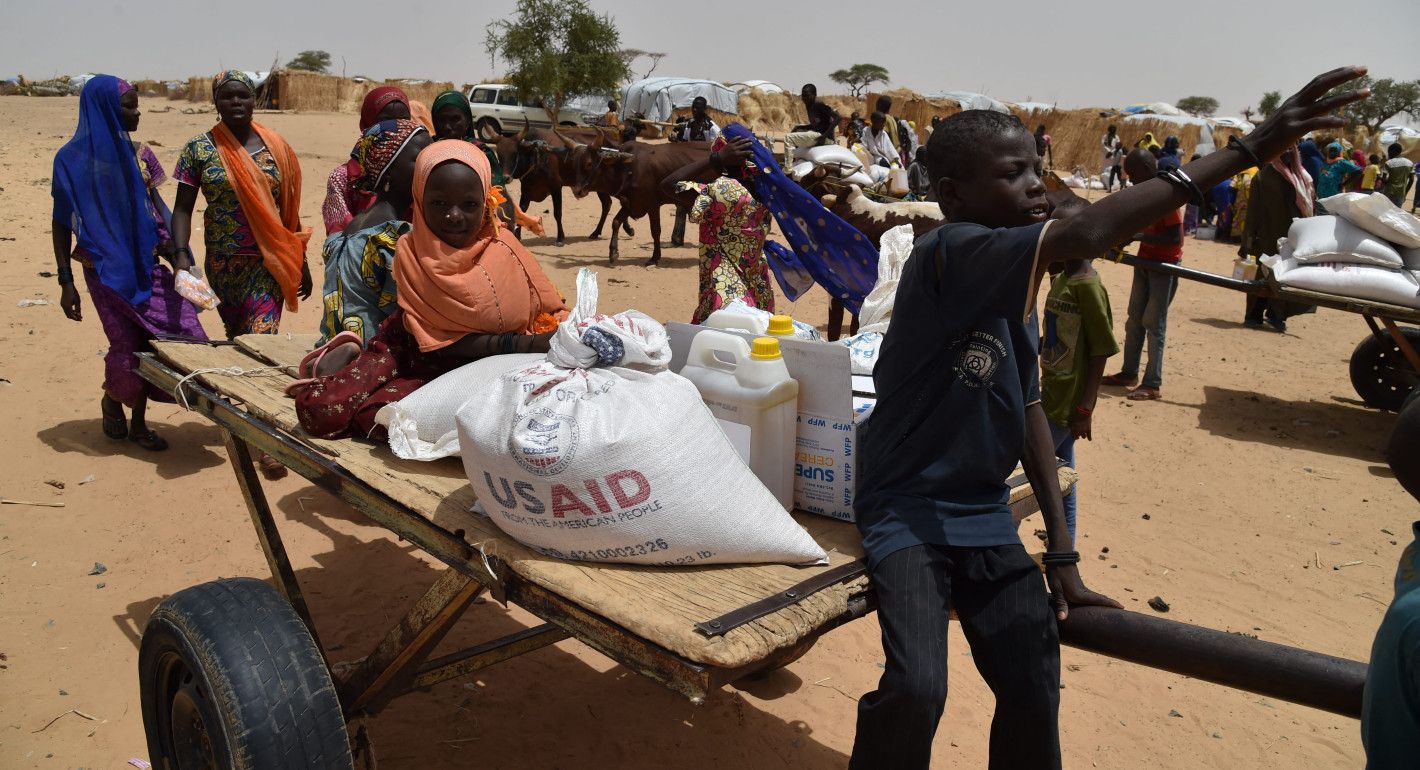
Another part of the heartlessness is directed abroad, toward the millions of people in other countries who have been abruptly cut off from basic health services, shelter in refugee camps, life-changing educational opportunities, protection from transnational criminal groups, and much else that aid makes possible. Narrow exceptions have been made for humanitarian aid, but such exemptions will likely cover at most a quarter of overall aid and will not allow work in many other areas of fundamental importance to people’s lives. This wrenching global disruption has also been carried out with few—if any—expressions of empathy or understanding, but instead has been set forward with an often snarling tone and profound indifference to the innumerable hardships created.
USAID’s defenders have rushed to point out that aid serves U.S. interests in myriad ways—that it builds relationships with foreign officials, who will in turn be more inclined to help the United States when it needs cooperation. Want to get cooperation from a foreign government on a tough counterterrorism problem? Having an aid program assisting that country in meeting its people’s needs will help. Want to undercut the roots of terrorism in that country? Having an aid program there to establish more effective governance is valuable. Many downstream benefits flow to the United States as well. For example, aid reduces diseases that can cross borders. And more broadly, aid programs counter some of the influence that China is amassing around the world.
Those pragmatic arguments are all true—and ignored at our peril. Aid serves the national interest in countless ways. The idea that U.S. foreign aid has been some sort of festival of generous charity disconnected from U.S. interests is laughable. Just look at the list of the largest recipients of U.S. aid— it is no coincidence they are almost all security partners or countries of security concern. But something larger should also be kept in mind. We are the richest country in the world, but we are not an island. We are one part of a larger community. Out of every $100 of the federal budget in recent years, we have been spending less than $1 on aid that reaches tens of millions—and perhaps hundreds of millions—of people. Most of our closest allies in Europe and East Asia do better. As the new administration labors to prove U.S. exceptionalism, it is on the path to defining that idea around the degree of our selfishness.
The major takeaway so far of the administration’s chaotic foreign aid actions is sadly clear: heartlessness at home and heartlessness abroad. Is this a formula for restoring or maintaining American greatness? I am certain that it is not.
Americans themselves will reap the damage from these reckless decisions.

Harvey V. Fineberg Chair for Democracy Studies; Senior Fellow, Democracy, Conflict, and Governance Program
Thomas Carothers, a senior fellow in the Carnegie Endowment for International Peace’s Democracy, Conflict, and Governance Program, is a leading expert on comparative democratization and international support for democracy.
Recent Work
Thomas Carothers
Thomas Carothers
Carnegie does not take institutional positions on public policy issues; the views represented herein are those of the author(s) and do not necessarily reflect the views of Carnegie, its staff, or its trustees.

Despite public disputes over trade and immigration, the strategic partnership’s foundations remain sturdy.

Sameer Lalwani

It signals a new era of tech diffusion and warfare.

Steve Feldstein

Despite its flop at the box office, the film raises important questions for the climate community to answer.

Leonardo Martinez-Diaz
Fatima El Mansouri is the country’s first female prime minister. She’s also a privileged insider in a largely ceremonial position.

Sarah Yerkes
The acknowledgment has sparked fears of a new arms race with China and Russia.

Chris O’Meara