• Research
  • Strategic Europe
  • About
  • Experts
Carnegie Europe logoCarnegie lettermark logo
EUUkraine
  • Donate
{
  "authors": [
    "Matt Ferchen"
  ],
  "type": "legacyinthemedia",
  "centerAffiliationAll": "",
  "centers": [
    "Carnegie Endowment for International Peace",
    "Carnegie China"
  ],
  "collections": [
    "China and the Developing World",
    "China’s Foreign Relations"
  ],
  "englishNewsletterAll": "",
  "nonEnglishNewsletterAll": "",
  "primaryCenter": "Carnegie China",
  "programAffiliation": "",
  "programs": [],
  "projects": [
    "Carnegie Oil Initiative"
  ],
  "regions": [
    "North America",
    "South America",
    "East Asia",
    "China"
  ],
  "topics": [
    "Economy",
    "Climate Change",
    "Foreign Policy"
  ]
}
In The Media
Carnegie China

Is China's Latin America Strategy Changing Course?

China continues to view Venezuela as a key source of oil, but Beijing has also been strengthening its private and public energy partnerships with other Latin American countries.

Link Copied
By Matt Ferchen
Published on Jun 26, 2015
Project hero Image

Project

Carnegie Oil Initiative

The Carnegie Oil Initiative analyzed global oils, assessing their differences from climate, environmental, economic, and geopolitical perspectives. This knowledge provides strategic guidance and policy frameworks for decision making.

Learn More

Source: Inter-American Dialogue

Inter-American Dialogue: Chinese Premier Li Keqiang in late May made a four-nation tour of Latin America where a number of energy-sector deals were announced, including at least $7 billion in financing for Brazil’s struggling oil company, Petrobras, as well as an announcement that China’s BYD Co. will build a solar-panel factory in Brazil. How is China’s energy engagement with Latin America evolving? Is the Asian giant beginning to orient more toward Pacific Alliance countries and away from Argentina, Ecuador and Venezuela, which have been the focus of most regional Chinese lending until now?

Matt Ferchen: China’s energy engagement with Latin America is likely to retain significant elements of current relationships while at the same time seeking to expand into new areas. China’s most significant and most problematic energy relationship in Latin America is with Venezuela, and this is unlikely to change. Despite the many problems of Venezuela’s oil sector, the country still maintains the world’s largest petroleum reserves, and China has built up a massive, if dysfunctional, loans-for-oil relationship with the country, which will be difficult for either side to unwind.

China will also certainly seek to take advantage of low fossil fuel prices to gain further access to sources of oil and gas in its other Latin American energy partners like Ecuador, Brazil, Argentina and Colombia. At the same time, China is looking to expand the type and range of its energy cooperation with Latin America, including in alternative energy sources like solar and wind. Chinese companies have also been active in seeking electricity production and grid investment opportunities in the region, including in countries like Brazil and Chile.

As Chinese firms seek deeper energy ties to the Pacific Alliance, they will very likely be unable to leverage state-to-state financing deals like those established with Venezuela or Ecuador but instead will find more success through private investment or possibly new types of public-private partnerships.

This piece was republished with permission from the Inter-American Dialogue's daily Latin America Advisor.

Matt Ferchen
Former Nonresident Scholar, Carnegie-Tsinghua Center for Global Policy
Matt Ferchen
EconomyClimate ChangeForeign PolicyNorth AmericaSouth AmericaEast AsiaChina

Carnegie does not take institutional positions on public policy issues; the views represented herein are those of the author(s) and do not necessarily reflect the views of Carnegie, its staff, or its trustees.

More Work from Carnegie Europe

  • Commentary
    Strategic Europe
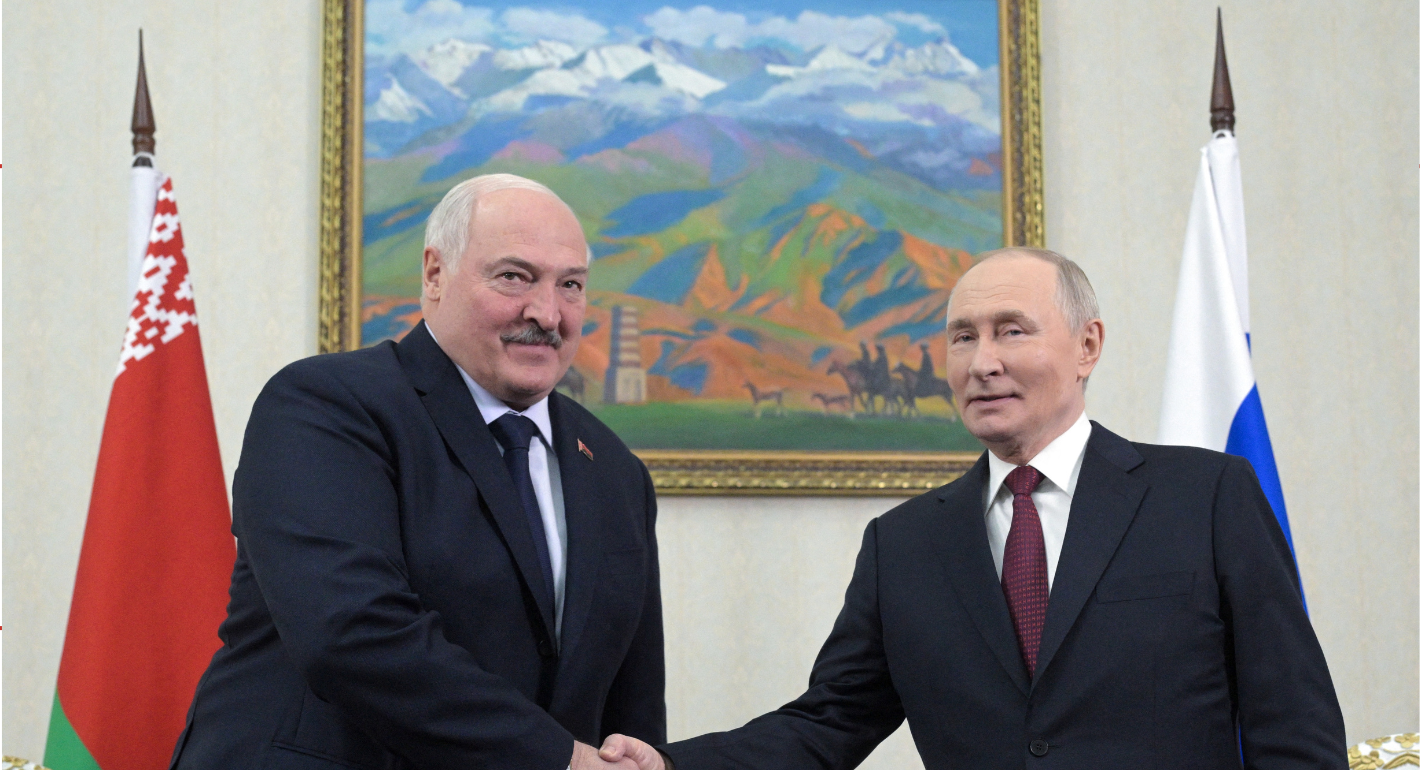
    Taking the Pulse: Is It Time for Europe to Reengage With Belarus?

    In return for a trade deal and the release of political prisoners, the United States has lifted sanctions on Belarus, breaking the previous Western policy consensus. Should Europeans follow suit, using their leverage to extract concessions from Lukashenko, or continue to isolate a key Kremlin ally?

      Thomas de Waal, ed.

  • Commentary
    Strategic Europe
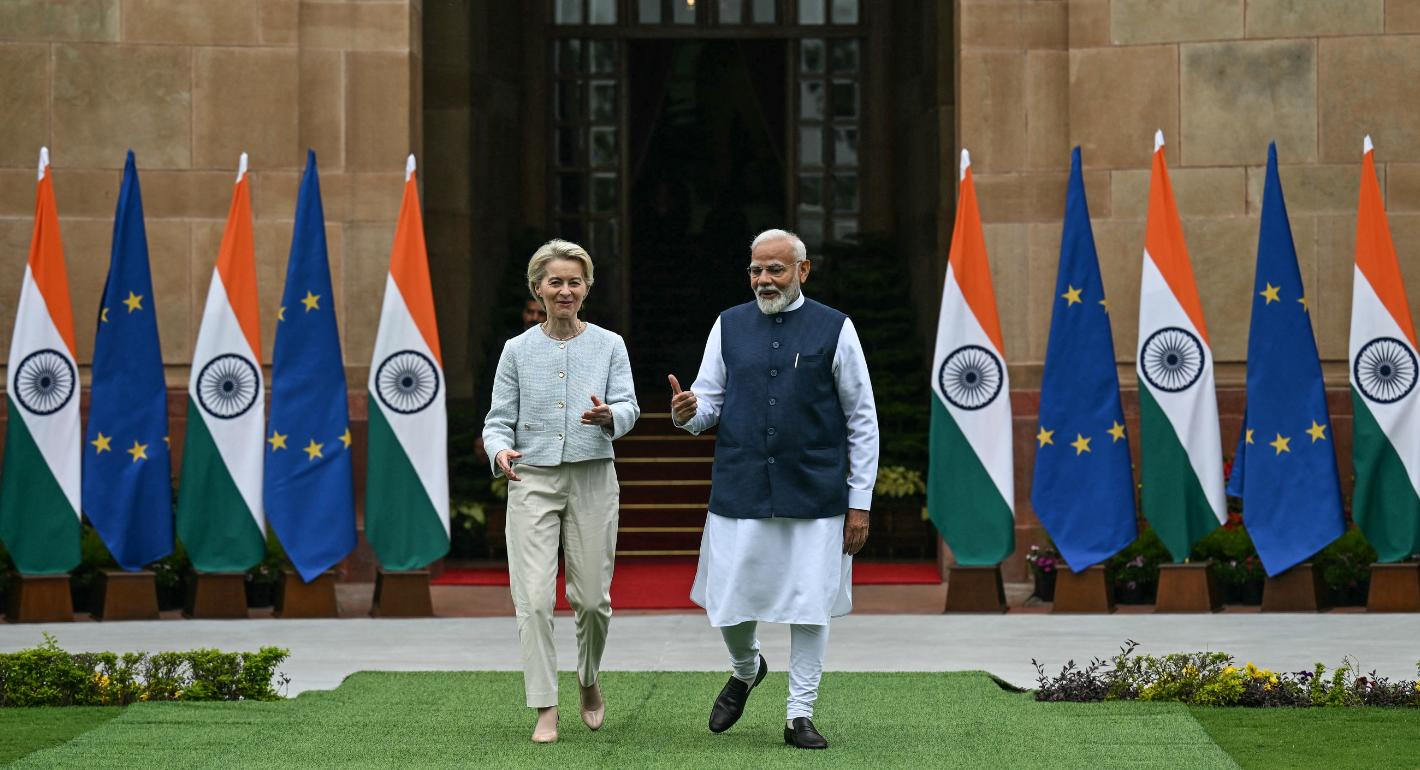
    The EU and India in Tandem

    As European leadership prepares for the sixteenth EU-India Summit, both sides must reckon with trade-offs in order to secure a mutually beneficial Free Trade Agreement.

      Dinakar Peri

  • Trump speaking to a room of reporters
    Commentary
    Emissary
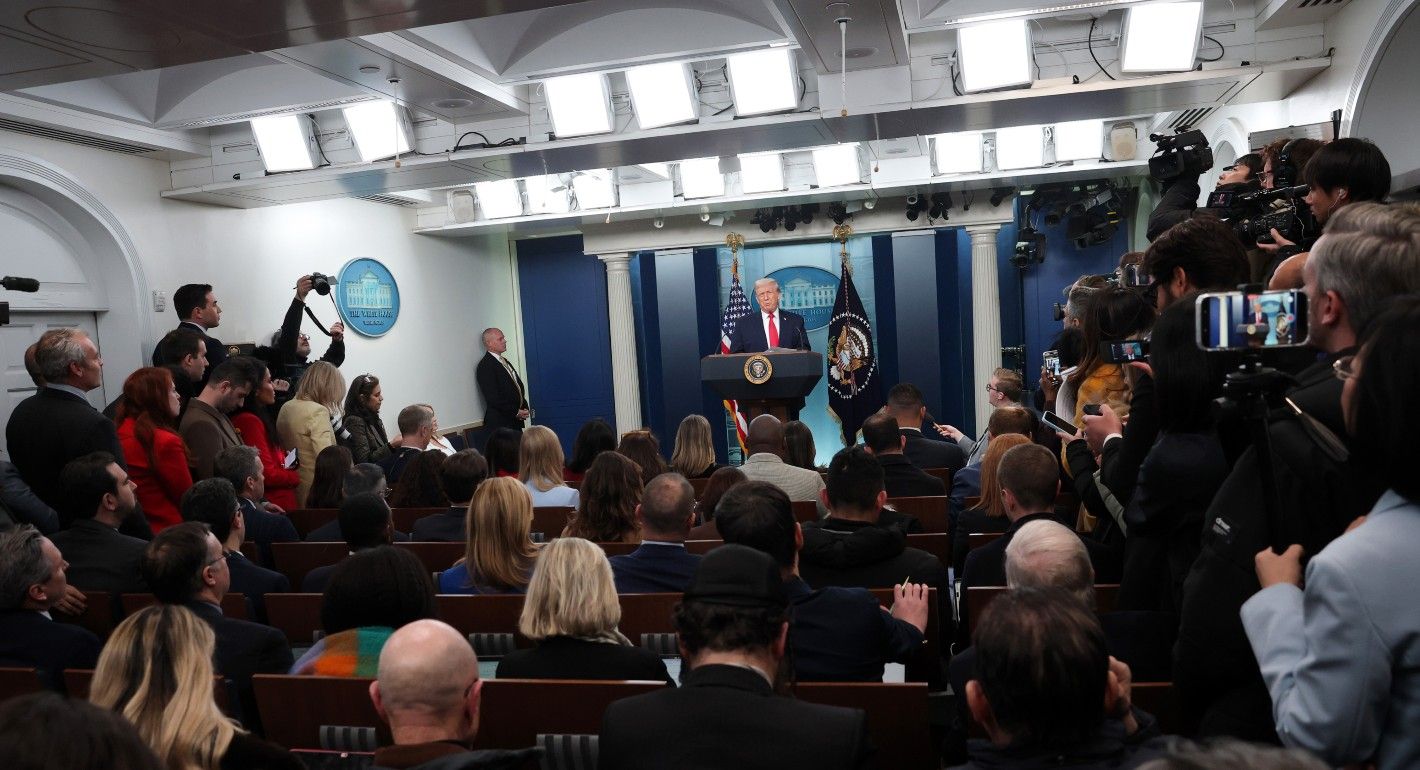
    Unpacking Trump’s National Security Strategy

    Carnegie scholars examine the crucial elements of a document that’s radically different than its predecessors.

      • Cecily Brewer
      • +18

      James M. Acton, Saskia Brechenmacher, Cecily Brewer, …

  • Commentary
    Strategic Europe
    Europe Faces the Gone-Rogue Doctrine

    The hyper-personalized new version of global sphere-of-influence politics that Donald Trump wants will fail, as it did for Russia. In the meantime, Europe must still deal with a disruptive former ally determined to break the rules.

      Thomas de Waal

  • Commentary
    Strategic Europe
    Taking the Pulse: What Issue Is Europe Ignoring at Its Peril in 2026?

    2026 has started in crisis, as the actions of unpredictable leaders shape an increasingly volatile global environment. To shift from crisis response to strategic foresight, what under-the-radar issues should the EU prepare for in the coming year?

      Thomas de Waal

Get more news and analysis from
Carnegie Europe
Carnegie Europe logo, white
Rue du Congrès, 151000 Brussels, Belgium
  • Research
  • Strategic Europe
  • About
  • Experts
  • Projects
  • Events
  • Contact
  • Careers
  • Privacy
  • For Media
  • Gender Equality Plan
Get more news and analysis from
Carnegie Europe
© 2026 Carnegie Endowment for International Peace. All rights reserved.