• Research
  • Strategic Europe
  • About
  • Experts
Carnegie Europe logoCarnegie lettermark logo
EUUkraine
  • Donate
{
  "authors": [
    "Matt Ferchen"
  ],
  "type": "legacyinthemedia",
  "centerAffiliationAll": "",
  "centers": [
    "Carnegie Endowment for International Peace",
    "Carnegie China"
  ],
  "collections": [
    "China and the Developing World",
    "China’s Foreign Relations"
  ],
  "englishNewsletterAll": "",
  "nonEnglishNewsletterAll": "",
  "primaryCenter": "Carnegie China",
  "programAffiliation": "",
  "programs": [],
  "projects": [],
  "regions": [
    "North America",
    "United States",
    "South America",
    "East Asia",
    "China"
  ],
  "topics": [
    "Economy",
    "Trade",
    "Foreign Policy"
  ]
}
In The Media
Carnegie China

Do Latin America’s Ties With China Come “at a Price”?

It is Trump administration policies and attitudes that have provided China a rhetorical opening in Latin America at a time when China’s economic and political relations with the region face serious challenges.

Link Copied
By Matt Ferchen
Published on Feb 20, 2018

Source: Latin America Advisor

Inter-American Dialogue:  Peruvian Trade Minister Eduardo Ferreyros on Feb. 6 defended China as a good trade partner for the South American country. His comments came days after U.S. Secretary of State Rex Tillerson said in a speech that “China’s offer always comes at a price” and cautioned Latin American countries against reliance on “new imperial powers that seek only to benefit their own people.” Are Latin American countries relying too much on China? What are the main benefits and drawbacks countries are experiencing from their economic and political links with China? What factors have led to increased Chinese investment and influence in Latin America? How does China’s approach to engagement with Latin America differ from that of the United States?

Matt Ferchen: Secretary Tillerson’s warning to Latin American countries to be wary of China’s role in the region is best understood as part of a broader pushback by the Trump administration against the perceived threats of China’s mercantilist economic statecraft around the world. Yet the timing and content of his comments are both misconceived. American credibility with its southern neighbors is at a low ebb, given President Trump’s hostility toward Mexico and toward Latino immigrants in general. At the same time, claims of Chinese mercantilist practices in Latin America are largely off base given that trade ties, which in some South American cases certainly have exacerbated concerns about heightened commodity dependency, have mostly capitalized on simple comparative advantage. No matter the timing, American lectures to Latin Americans on how to conduct their foreign policy are self-defeating. If anything, it is Trump administration policies and attitudes that have provided China a rhetorical opening in Latin America at a time when China’s economic and political relations with the region face serious challenges. In the post commodity boom era, the ‘win-win’ trade story is no longer as easy to sell to Latin American publics, while promises of Chinese investment and infrastructure deals often fail to meet the hype. But as always, Venezuela remains the most difficult economic and political challenge for China, and it is here where the trading of diplomatic jibes between the United States and China is most unproductive. Along with Venezuela’s Latin American neighbors, American and Chinese interests in helping Venezuela move off the path of self-immiseration should create, not foreclose, an opening for creative diplomacy.

This piece was republished with permission from the Inter-American Dialogue’s daily Latin America Advisor.

Matt Ferchen
Former Nonresident Scholar, Carnegie-Tsinghua Center for Global Policy
Matt Ferchen
EconomyTradeForeign PolicyNorth AmericaUnited StatesSouth AmericaEast AsiaChina

Carnegie does not take institutional positions on public policy issues; the views represented herein are those of the author(s) and do not necessarily reflect the views of Carnegie, its staff, or its trustees.

More Work from Carnegie Europe

  • Commentary
    Strategic Europe
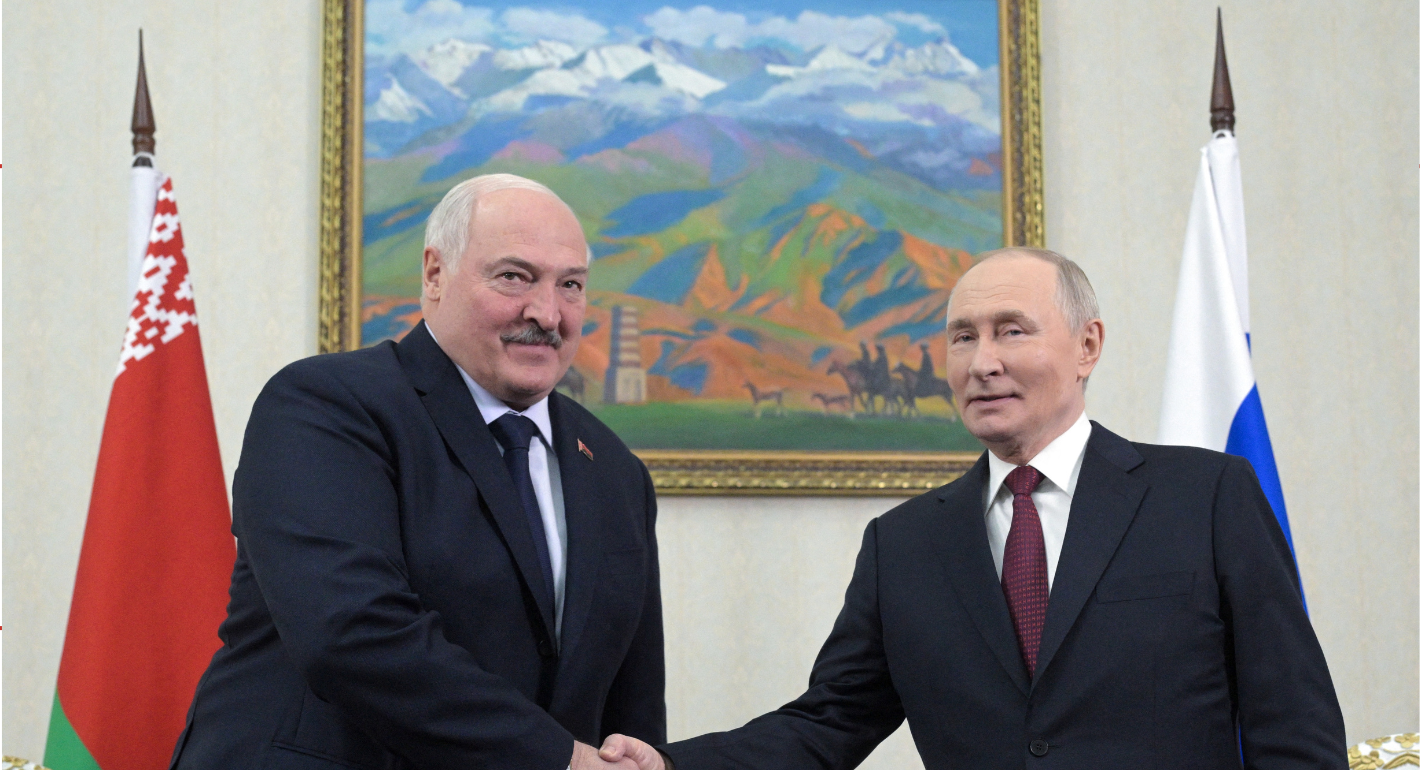
    Taking the Pulse: Is It Time for Europe to Reengage With Belarus?

    In return for a trade deal and the release of political prisoners, the United States has lifted sanctions on Belarus, breaking the previous Western policy consensus. Should Europeans follow suit, using their leverage to extract concessions from Lukashenko, or continue to isolate a key Kremlin ally?

      Thomas de Waal, ed.

  • Commentary
    Strategic Europe
    The EU and India in Tandem

    As European leadership prepares for the sixteenth EU-India Summit, both sides must reckon with trade-offs in order to secure a mutually beneficial Free Trade Agreement.

      Dinakar Peri

  • Trump speaking to a room of reporters
    Commentary
    Emissary
    Unpacking Trump’s National Security Strategy

    Carnegie scholars examine the crucial elements of a document that’s radically different than its predecessors.

      • Cecily Brewer
      • +18

      James M. Acton, Saskia Brechenmacher, Cecily Brewer, …

  • Commentary
    Strategic Europe
    Europe Faces the Gone-Rogue Doctrine

    The hyper-personalized new version of global sphere-of-influence politics that Donald Trump wants will fail, as it did for Russia. In the meantime, Europe must still deal with a disruptive former ally determined to break the rules.

      Thomas de Waal

  • Commentary
    Europe’s American Predicament

    Between Greenland and U.S. interference in Europe’s democracies, transatlantic relations risk rising to an unprecedented level of crisis. Amid continued arguments on how Brussels should react, tough times lie ahead for European leaders.

      Marc Pierini

Get more news and analysis from
Carnegie Europe
Carnegie Europe logo, white
Rue du Congrès, 151000 Brussels, Belgium
  • Research
  • Strategic Europe
  • About
  • Experts
  • Projects
  • Events
  • Contact
  • Careers
  • Privacy
  • For Media
  • Gender Equality Plan
Get more news and analysis from
Carnegie Europe
© 2026 Carnegie Endowment for International Peace. All rights reserved.