

Article
Dr. Albert Keidel
{
  "authors": [
    "Albert Keidel"
  ],
  "type": "legacyinthemedia",
  "centerAffiliationAll": "dc",
  "centers": [
    "Carnegie Endowment for International Peace"
  ],
  "collections": [],
  "englishNewsletterAll": "asia",
  "nonEnglishNewsletterAll": "",
  "primaryCenter": "Carnegie Endowment for International Peace",
  "programAffiliation": "AP",
  "programs": [
    "Asia"
  ],
  "projects": [],
  "regions": [
    "China"
  ],
  "topics": [
    "Economy",
    "Trade",
    "Military"
  ]
}
REQUIRED IMAGE
Source: Financial Times
Letter to the Editor
Sir, I was pleased to be interviewed for your article "A Dollar Dilemma," but I was disappointed to see that both it and the accompanying piece, "The Clock Ticks in Washington as Friends Drift Away," left the reader with an impression that everyone agrees that China is not practicing fair trade. In fact, like myself and a number of internationally more prominent economists, the World Bank, the International Monetary Fund, and the U.S. Treasury all agree that China's exchange rate does not provide an unfair trade advantage.
The piece relies heavily on quotes from U.S. Congressional sponsors of China sanctions legislation who are understandably concerned about the appearance that China has cost their constituents jobs and profits. It neglects differing views from other reputable sources outside China.
Albert Keidel, Senior Associate, Carnegie Endowment for International Peace
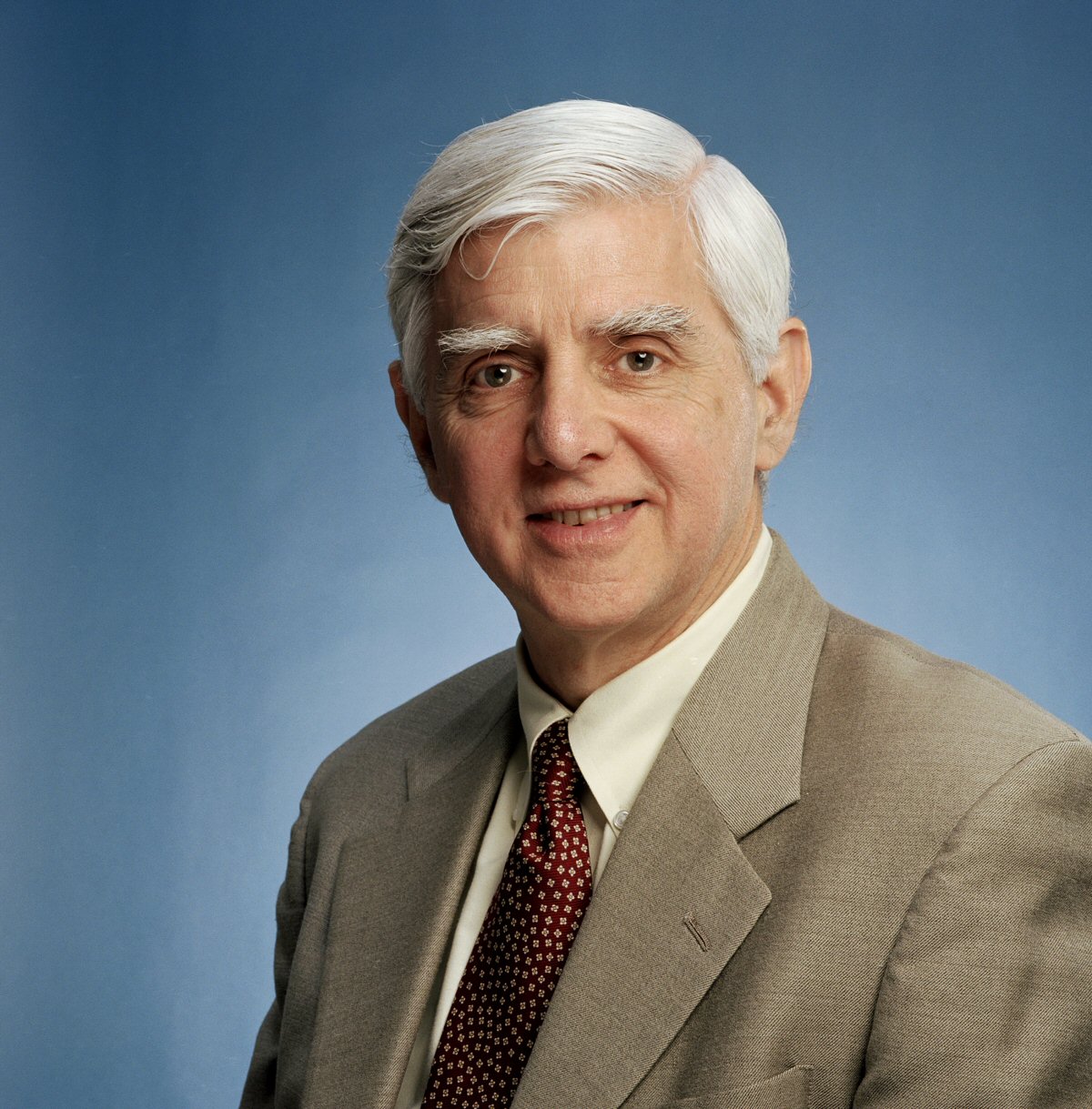
Former Senior Associate, China Program
Keidel served as acting director and deputy director for the Office of East Asian Nations at the U.S. Department of the Treasury. Before joining Treasury in 2001, he covered economic trends, system reforms, poverty, and country risk as a senior economist in the World Bank office in Beijing.
Recent Work
Dr. Albert Keidel
Dr. Albert Keidel
For years, the United States anchored global cyber diplomacy. As Washington rethinks its leadership role, the launch of the UN’s Cyber Global Mechanism may test how allies adjust their engagement.

Patryk Pawlak, Chris Painter

Censorship in China spans the public and private domains and is now enabled by powerful AI systems.
Nathan Law
Most of Moscow’s military resources are tied up in Ukraine, while Beijing’s foreign policy prioritizes economic ties and avoids direct conflict.


Alexander Gabuev, Temur Umarov
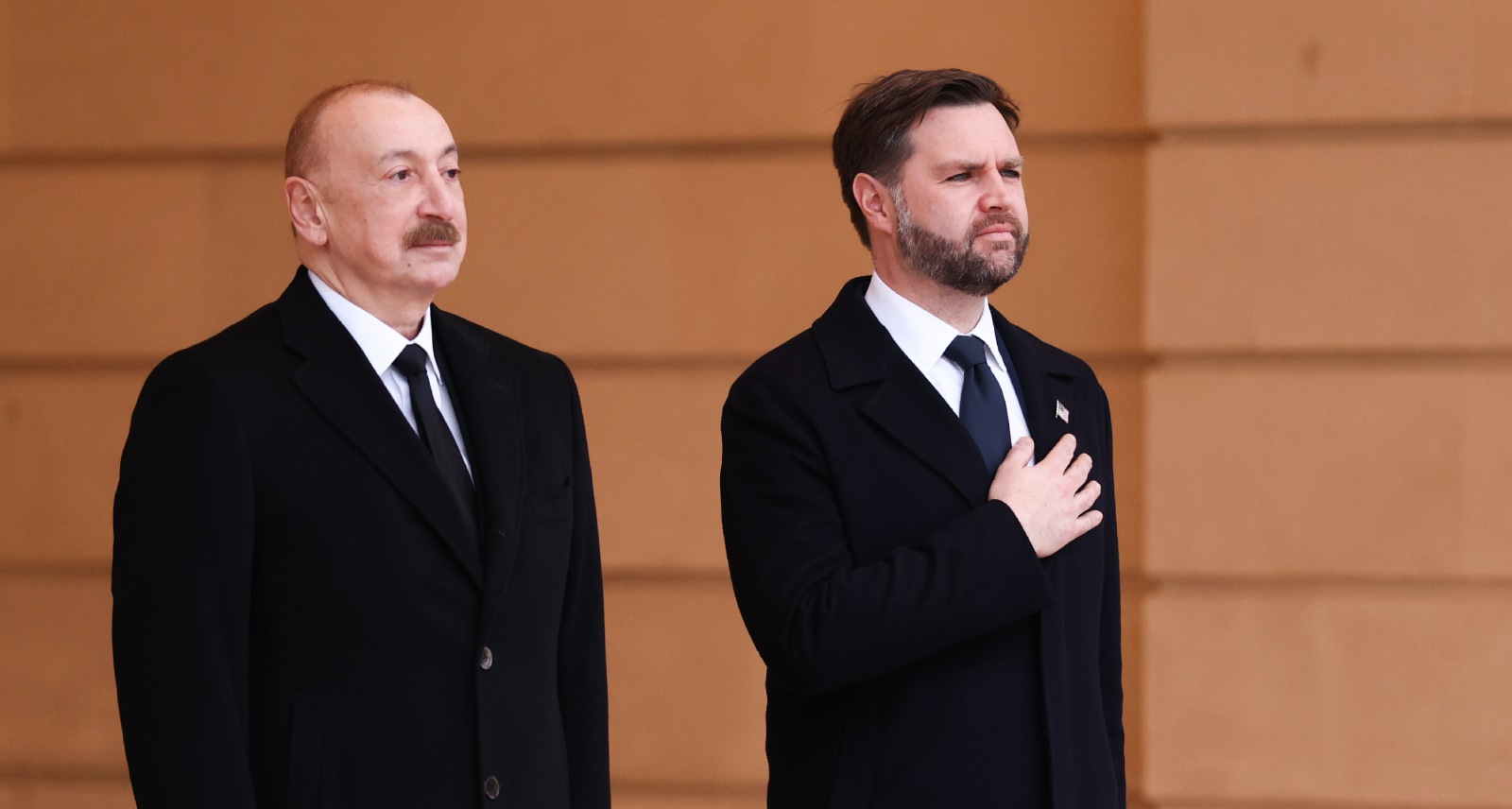
With the White House only interested in economic dealmaking, Georgia finds itself eclipsed by what Armenia and Azerbaijan can offer.

Bashir Kitachaev
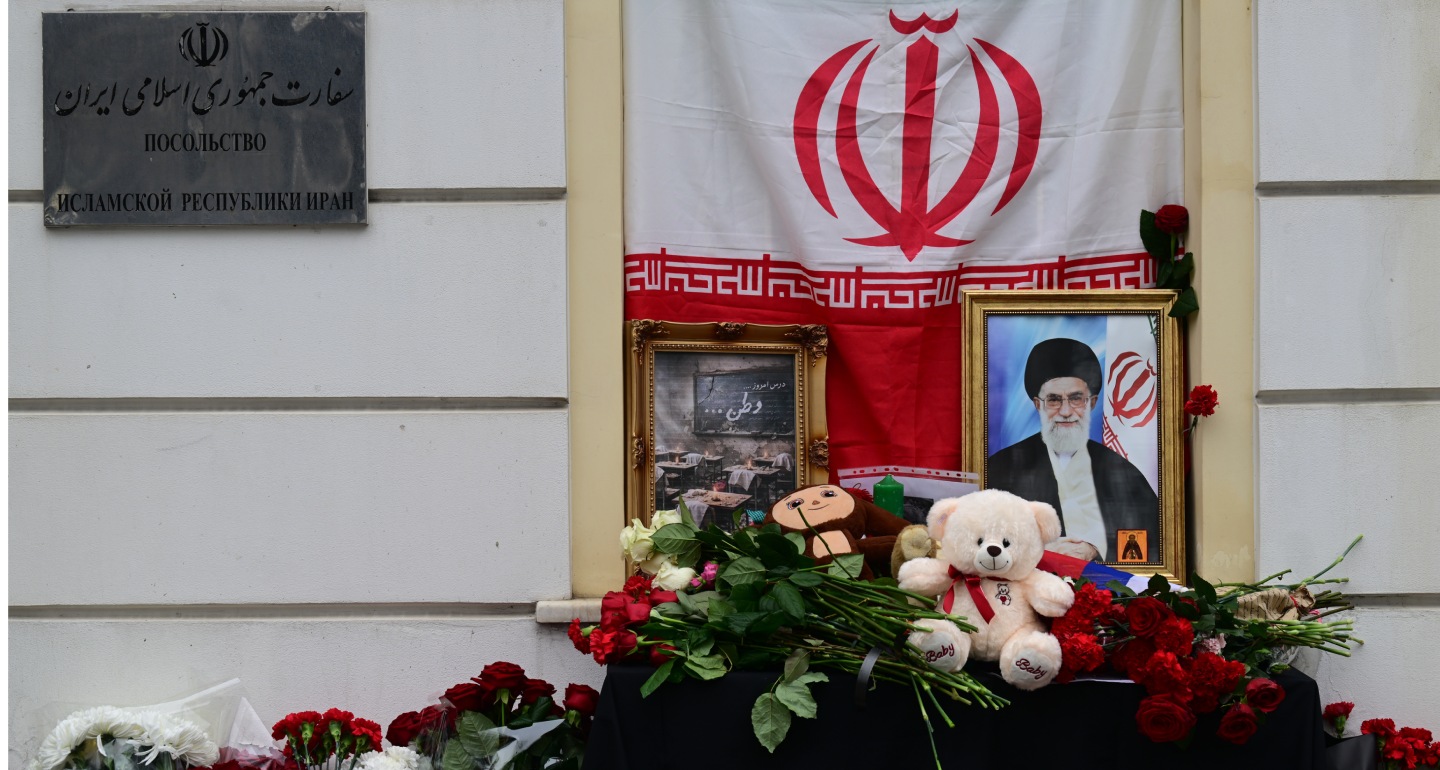
If the regime in Tehran survives, it could be obliged to hand Moscow significant political influence in exchange for supplies of weapons and humanitarian aid.

Nikita Smagin