

Commentary
The conflict is exposing the deep energy vulnerabilities of Korea’s chip industry.
Darcie Draudt-Véjares, Tim Sahay
{
  "authors": [
    "Joseph Cirincione",
    "Joshua Williams"
  ],
  "type": "legacyinthemedia",
  "centerAffiliationAll": "dc",
  "centers": [
    "Carnegie Endowment for International Peace"
  ],
  "collections": [
    "Korean Peninsula"
  ],
  "englishNewsletterAll": "ctw",
  "nonEnglishNewsletterAll": "",
  "primaryCenter": "Carnegie Endowment for International Peace",
  "programAffiliation": "NPP",
  "programs": [
    "Nuclear Policy"
  ],
  "projects": [],
  "regions": [
    "East Asia",
    "South Korea"
  ],
  "topics": [
    "Nuclear Policy"
  ]
}
REQUIRED IMAGE
As envoys from around the world meet this month in New York to review the NPT, this important security system is mired in such discord that it is in danger of crumbling.
Source: Proliferation Brief
The Nuclear Non-Proliferation Treaty (NPT) has united the world against the spread of nuclear weapons for 35 years and has permitted only one defector - North Korea.
Today, this important security system is mired in such discord that it is in danger of crumbling. As envoys from around the world meet this month in New York to review the NPT, North Korea is ratcheting up the pressure with a militarily meaningless but politically pointed missile test. Iran enters the meeting with threats to end its suspension of uranium enrichment, a process that can make fuel for nuclear reactors but also for bombs.
There are still 25,000 nuclear weapons in the world, some poorly guarded. The United States must respond. Its leadership is essential to bolster the nuclear security systems. A diplomatic food fight at a meeting about the NPT in New York would only doom efforts to meet these 21st century challenges, the most frightening of which is a potentially nuclear al-Qaida.
There is just one problem. Rather than leading, Washington is throwing as much food as anyone.
U.S. officials bang the drum loudly over North Korea's nuclear brinkmanship and Iran's 18 years of covert nuclear efforts, believing that the only challenge to the nonproliferation system is one of others' compliance.
Many of the 183 non-nuclear weapon states disagree. They believe that the main problem lies with the five nuclear powers (the United States, Russia, China, France and Britain) not living up to their side of the NPT bargain - to work toward eliminating their nuclear arsenals as long as the non-nuclear weapon states do not develop their own nukes. This complaint has grown especially loud as the Bush administration forges ahead with efforts to develop new nuclear weapons and plans to maintain an arsenal of about 5,000 warheads indefinitely.
Such conflict has been resolved before and can be resolved again. The last NPT Review Conference in 2000 was salvaged because of a hard-fought political compromise. Dropping righteous but unrealistic calls for immediate nuclear disarmament, nuclear "have-nots" such as Brazil, Egypt, South Africa and Sweden found middle ground with the five nuclear powers. Together, they agreed to 13 pragmatic steps for reducing and eliminating nuclear weapons.
They include an end to all nuclear test explosions, a diminished role for nuclear weapons in security policy, ending production of nuclear weapons material and reaffirmation of the goal of nuclear disarmament. The pact proved that each side was willing to make concessions and acknowledge the importance of the other's priorities. These steps still make sense. Only one - the pledge to abide by the Anti-Ballistic Missile Treaty - is now obsolete because the United States abrogated the pact in 2002.
Today, the United States (with the tacit support of the other nuclear powers) is threatening to reopen and even widen the dangerous breach that was broached in 2000 by walking away from this agreement, effectively ignoring its side of the NPT bargain. Worse, as the United States vocally rejects its past commitments, it has not produced an alternative.
This strategy will not work. As British Prime Minister Tony Blair said in January, "If the United States wants the rest of the world to be part of the agenda it has set, it must be part of their agenda, too."
Washington can do this by defying expectations and complying with its solemn agreements. It can and should reaffirm the 12 still-relevant steps or negotiate a new consensus agreement. This could garner other nations' support for making withdrawal from the treaty more difficult and for stopping countries from getting nuclear technology for peaceful purposes, then leaving the treaty and using them to build weapons. Others could support President Bush's proposal for making tough, new inspections procedures mandatory for all nations using nuclear technology. All could agree to do more to secure nuclear materials from terrorists.
Consensus on these and other common-sense measures is within reach. It is worth a serious, high-level effort. If we give a little, we can get a lot more. Nothing less than the U.S. nonproliferation agenda and the security of the American people is at stake.
This piece first appeared in the Baltimore Sun.
Former Senior Associate, Director for NonProliferation
Joshua Williams
Carnegie Endowment for International Peace
Carnegie does not take institutional positions on public policy issues; the views represented herein are those of the author(s) and do not necessarily reflect the views of Carnegie, its staff, or its trustees.

The conflict is exposing the deep energy vulnerabilities of Korea’s chip industry.


Darcie Draudt-Véjares, Tim Sahay
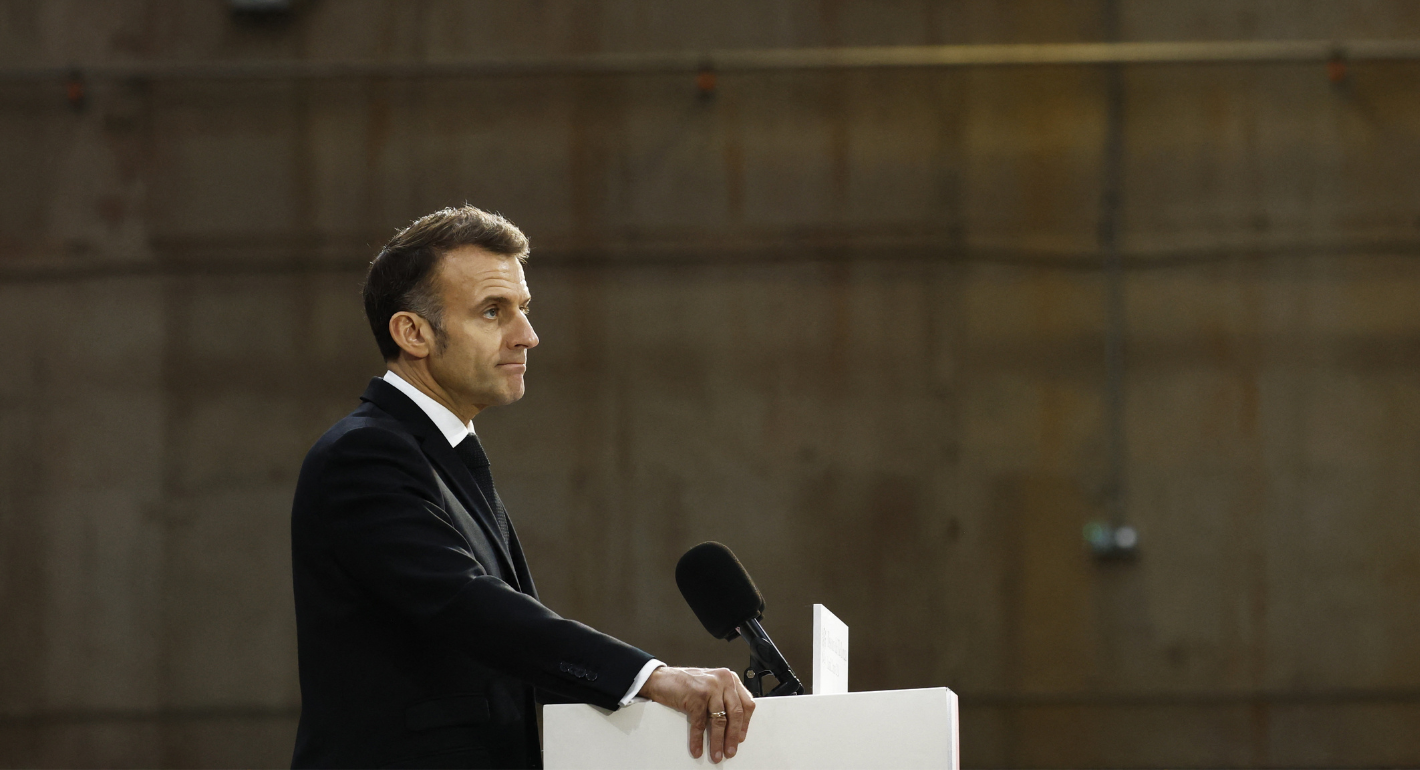
French President Emmanuel Macron has unveiled his country’s new nuclear doctrine. Are the changes he has made enough to reassure France’s European partners in the current geopolitical context?

Rym Momtaz, ed.

Censorship in China spans the public and private domains and is now enabled by powerful AI systems.
Nathan Law
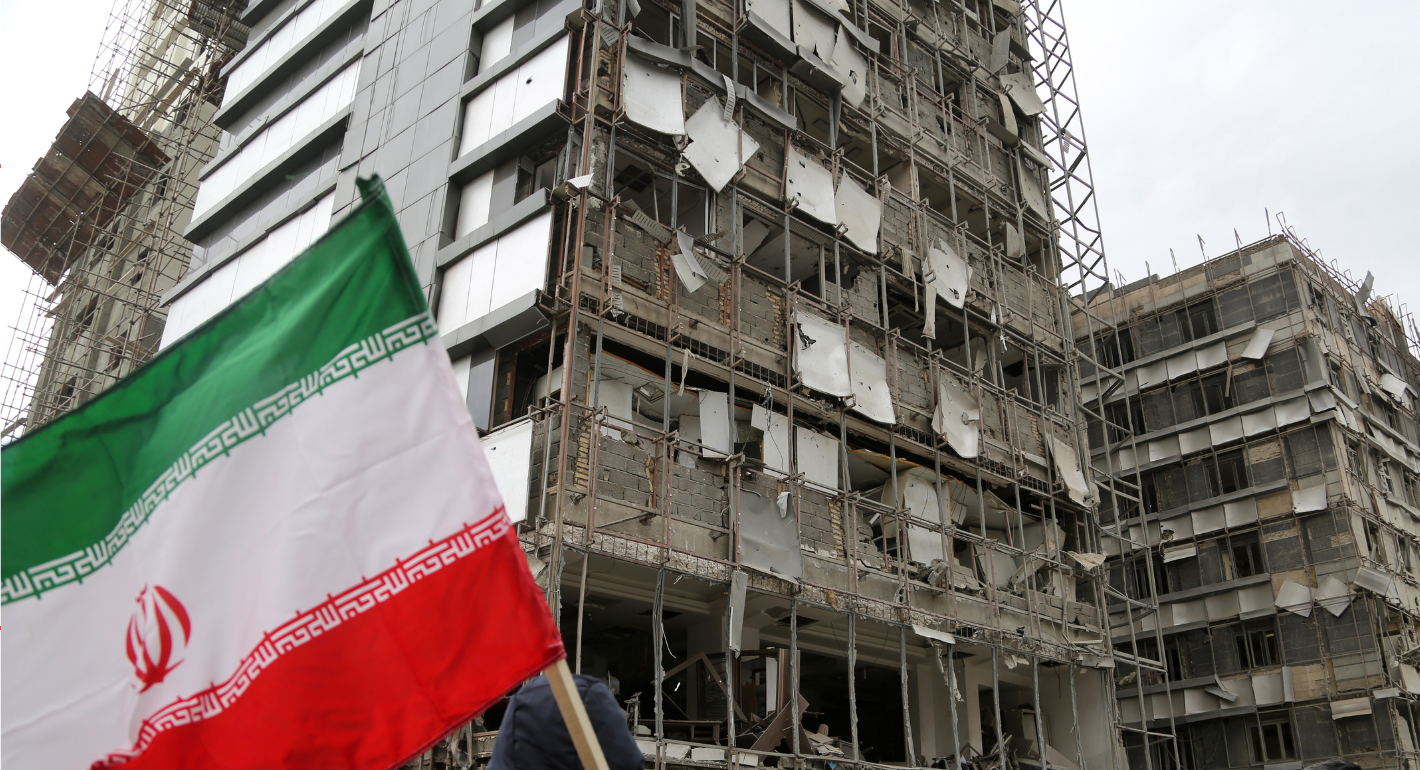
Europe’s reaction to the war in Iran has been disunited and meek, a far cry from its previously leading role in diplomacy with Tehran. To avoid being condemned to the sidelines while escalation continues, Brussels needs to stand up for international law.

Pierre Vimont

South Korea’s rapid demographic transition previews governance challenges many advanced and middle-income economies will face. This paper argues that aging is not only a care issue but a structural governance challenge—reshaping welfare, productivity, and fiscal sustainability, and reorganizing responsibilities across the state, private sector, and society.
Darcie Draudt-Véjares