• Research
  • Emissary
  • About
  • Experts
Carnegie Global logoCarnegie lettermark logo
DemocracyIran
  • Donate
{
  "authors": [
    "Hans Timmer",
    "Uri Dadush"
  ],
  "type": "other",
  "centerAffiliationAll": "",
  "centers": [
    "Carnegie Endowment for International Peace"
  ],
  "collections": [],
  "englishNewsletterAll": "",
  "nonEnglishNewsletterAll": "",
  "primaryCenter": "Carnegie Endowment for International Peace",
  "programAffiliation": "",
  "programs": [],
  "projects": [],
  "regions": [
    "North America",
    "United States",
    "Western Europe"
  ],
  "topics": [
    "Economy"
  ]
}
Source: Getty

Other

The Biggest Global Economic Concern

While the global economic crisis runs deeper than the euro, the inadequate institutional set up of the European Monetary Union greatly complicates matters.

Link Copied
By Hans Timmer and Uri Dadush
Published on Dec 20, 2011
What is the biggest global economic concern today?
Hans Timmer
The biggest global economic concern today is the health of financial institutions. The health of the banking sector is incredibly difficult to control given the global nature of the sector and huge size of institutions. And we all know that the consequences for the real economy are enormous.

We don’t have the oversight and institutions to respond to these problems and to a certain extent we’ve made it worse over the last decade. Governments, to some degree, have reinforced the problem and are not strong enough to react, especially in Europe. This is a sign that there is not enough Europe, instead of a sign that there is too much Europe.

Read more

Uri Dadush
There is a lot more going on than the euro, of course, but the big difference now versus ten years ago is that major European countries at risk had more instruments at their disposal. They could devalue their currency and print money. These were important safety valves that countries in the eurozone no longer enjoy—and this greatly exacerbates the worries in the markets.

So while the problem runs deeper than the euro, the inadequate institutional set up of the European Monetary Union greatly complicates matters.
 
Hans Timmer

I don’t buy the argument that there wouldn’t have been a problem if European countries had flexible exchange rates and I also don’t buy the argument that a flexible exchange rate is needed to accommodate the structural differences across European countries. I agree more with the thinking that many of the countries were too small or the economies were too integrated to have independent currencies and monetary policies.

This would have been messy anyhow. The real problem is not that the countries don’t have the tools to react, but what happened in the boom period that led to this crisis. For all kinds of reasons, there was over-borrowing and an underpricing of risk. We are seeing the nasty consequences today.  MORE►

————————
Hans Timmer is the director of the World Bank's development prospects group.

About the Authors

Hans Timmer

Uri Dadush

Former Senior Associate, International Economics Program

Dadush was a senior associate at the Carnegie Endowment for International Peace. He focuses on trends in the global economy and is currently tracking developments in the eurozone crisis.

Authors

Hans Timmer
Uri Dadush
Former Senior Associate, International Economics Program
Uri Dadush
EconomyNorth AmericaUnited StatesWestern Europe

Carnegie does not take institutional positions on public policy issues; the views represented herein are those of the author(s) and do not necessarily reflect the views of Carnegie, its staff, or its trustees.
More Work from Carnegie Endowment for International Peace

  • A boat, with smoke in the background
    Commentary
    Emissary
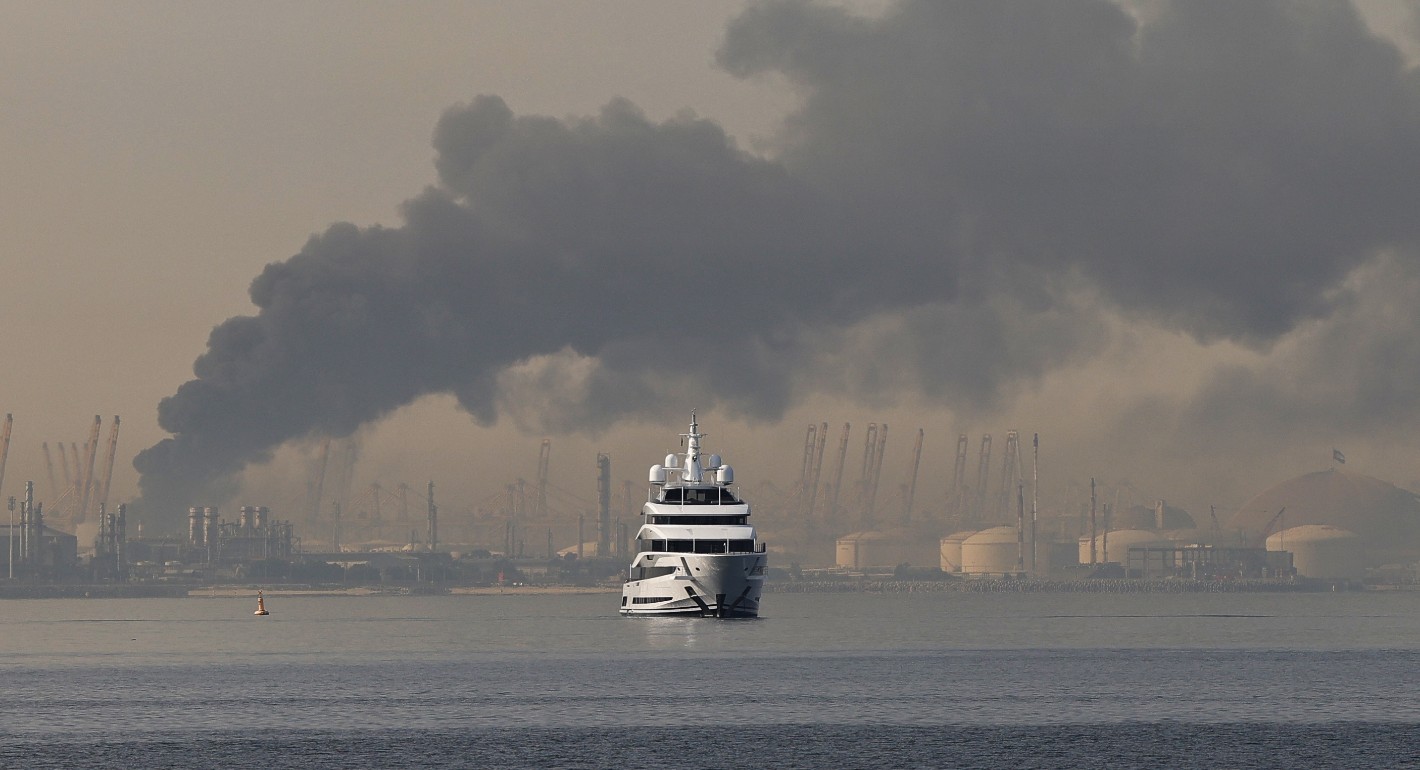
    The Gulf Monarchies Are Caught Between Iran’s Desperation and the U.S.’s Recklessness

    Only collective security can protect fragile economic models.

      • Andrew Leber

      Andrew Leber

  • Commentary
    Sada
    Duqm at the Crossroads: Oman’s Strategic Port and Its Role in Vision 2040

    In a volatile Middle East, the Omani port of Duqm offers stability, neutrality, and opportunity. Could this hidden port become the ultimate safe harbor for global trade?

      Giorgio Cafiero, Samuel Ramani
  • Commentary
    Strategic Europe
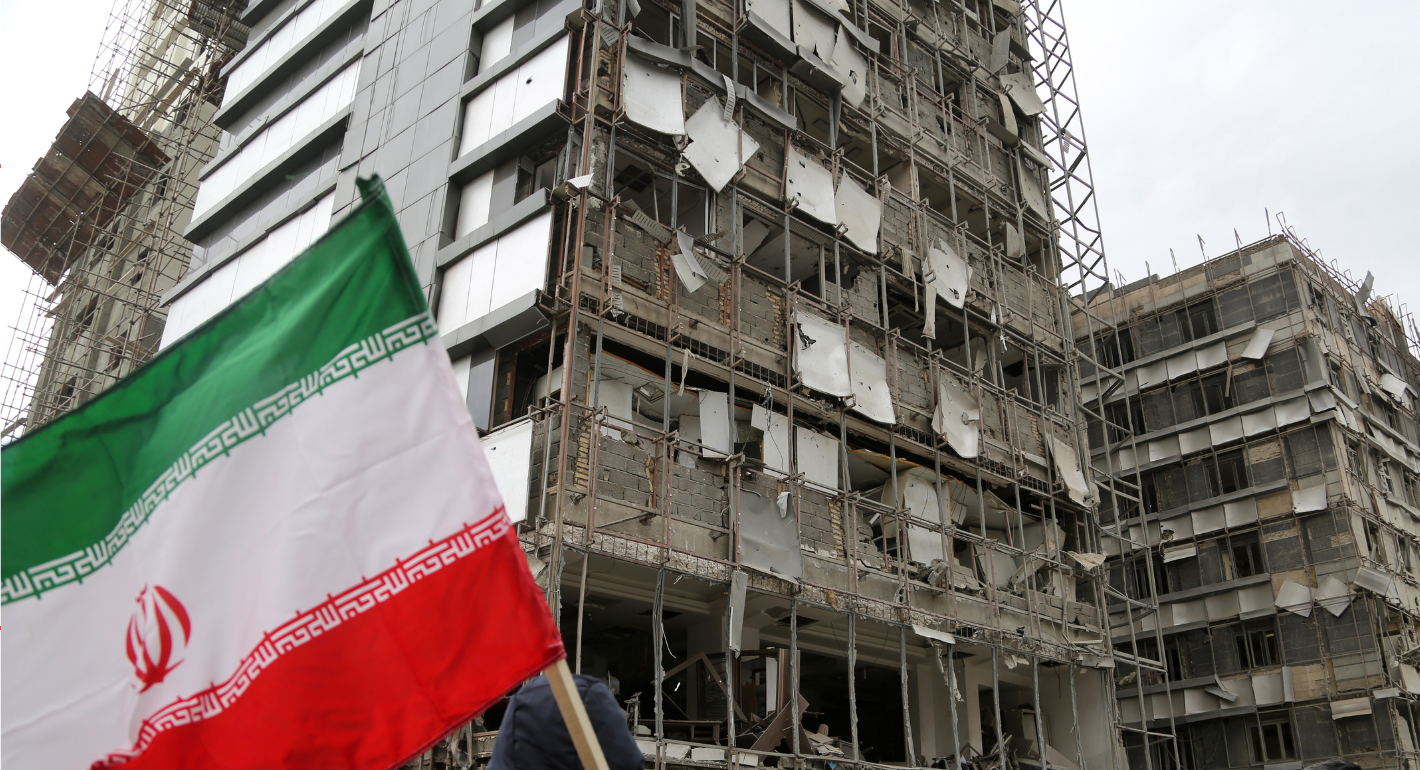
    Europe on Iran: Gone with the Wind

    Europe’s reaction to the war in Iran has been disunited and meek, a far cry from its previously leading role in diplomacy with Tehran. To avoid being condemned to the sidelines while escalation continues, Brussels needs to stand up for international law.

      Pierre Vimont
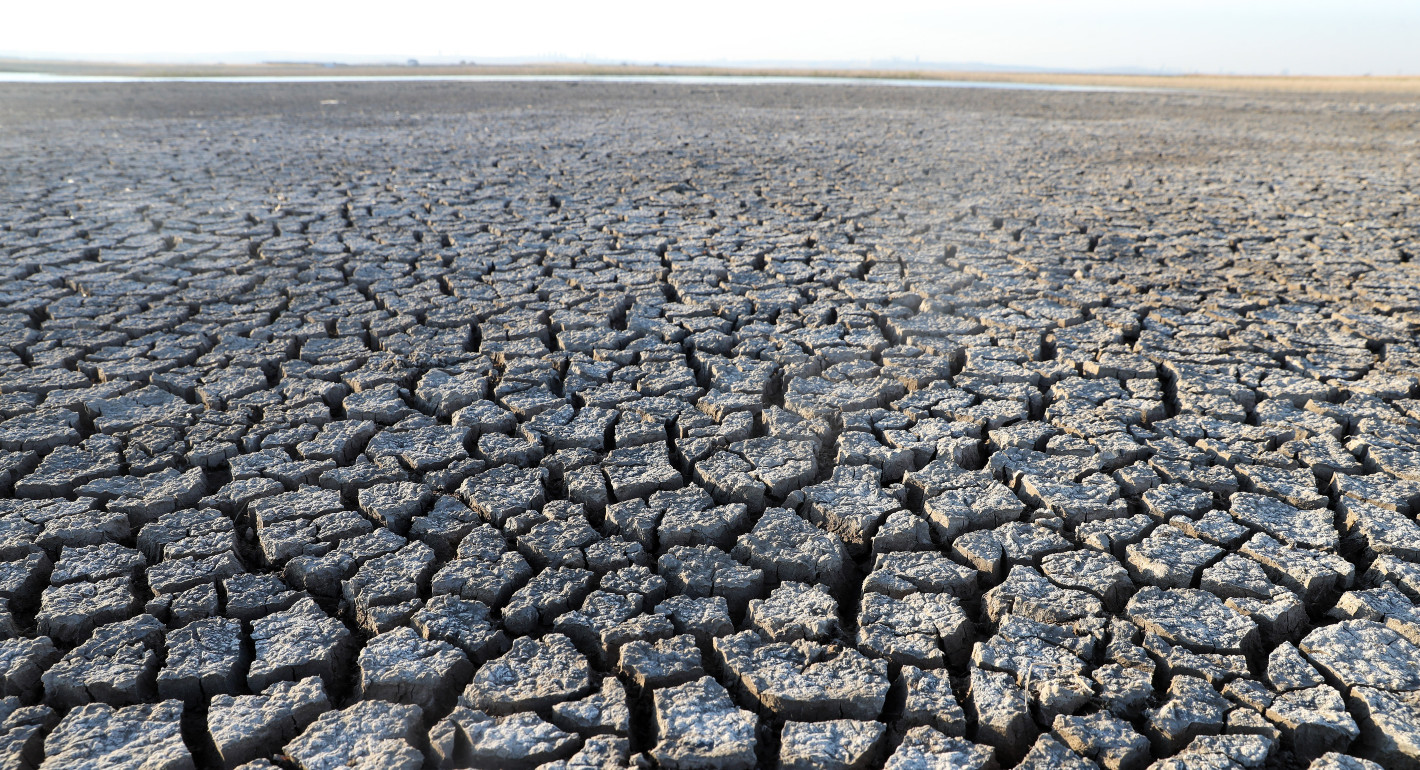
  • Photo of cracked dry earth.
    Article
    Lessons Learned from the Biden Administration’s Initial Efforts on Climate Migration

    In 2021, the U.S. government began to consider how to address climate migration. The outcomes of that process offer useful takeaways for other governments.
      • Jennifer DeCesaro

      Jennifer DeCesaro

  • Commentary
    India Signs the Pax Silica—A Counter to Pax Sinica?

    On the last day of the India AI Impact Summit, India signed Pax Silica, a U.S.-led declaration seemingly focused on semiconductors. While India’s accession to the same was not entirely unforeseen, becoming a signatory nation this quickly was not on the cards either.

      Konark Bhandari

Get more news and analysis from
Carnegie Endowment for International Peace
Carnegie global logo, stacked
1779 Massachusetts Avenue NWWashington, DC, 20036-2103Phone: 202 483 7600Fax: 202 483 1840
  • Research
  • Emissary
  • About
  • Experts
  • Donate
  • Programs
  • Events
  • Blogs
  • Podcasts
  • Contact
  • Annual Reports
  • Careers
  • Privacy
  • For Media
  • Government Resources
Get more news and analysis from
Carnegie Endowment for International Peace
© 2026 Carnegie Endowment for International Peace. All rights reserved.